






New Delhi: Plus-sized options have started disappearing off the shelves with retailers such as H&M, Mango and Anthropology cutting down on production. The shift has resulted from a decline in demand for the bigger sizing with popularity of weight-loss drugs in the US.
According to a report by The Guardian, the cuts reflect both shifting demand and a broader retreat from size inclusivity that took hold after the body-positivity wave of the late 2010s.
“It just boils down to the fact that plus-size people are seen as less than,” plus-size influencer and activist Tess Holliday told The Guardian, capturing the sense of exclusion felt by many customers.
Also read: Indian-origin liver doc leads US team to find new framework to treat cancer
Not as simple as supply and demand
Research firm Edited found that H&M’s spring/summer 2026 women’s dresses contained zero 3XL or 4XL items, down from 2 per cent of new inventory the previous year. XXL dropped from 13.3 per cent, while smaller sizes rose. In a statement to The Guardian, H&M said it “continually monitors fit and sizing demand” and “we have chosen to discontinue sizes 3XL and 4XL, as we have seen lower demand for these sizes.”
Holliday, who consulted for the brand in 2023 on expanding sizes to 4XL, said she entered the partnership “a little pessimistic” after years of watching brands rise and fall.
“Unfortunately, I don’t think that maybe it was as genuine as I hoped,” she said.
Mango cut new dresses in sizes 16-20 from 6.6 per cent to 0.5 per cent, while Anthropology’s plus-size share fell from 10.5 per cent to 9 per cent. The pattern follows earlier pullbacks at Loft, Old Navy and Torrid, which closed nearly a third of its stores last year.
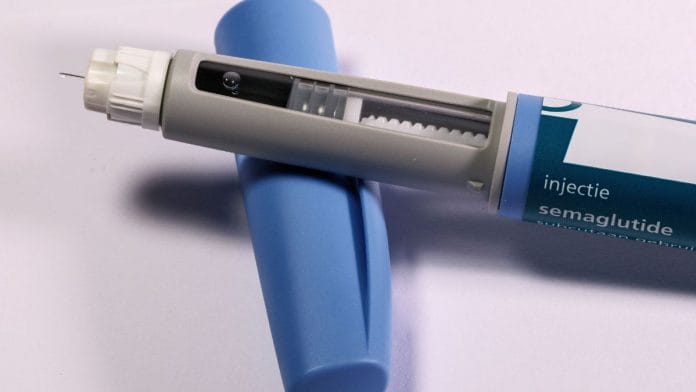
Analysts largely attribute the shift to GLP-1 drugs. Mintel data showed 18 per cent of US adults using them by June 2025. US adult obesity dropped from 39.9 per cent in 2022 to 36.4 per cent. Impact Analytics CEO Prashant Agrawal called the drugs the “number one reason” retailers are anxious about sizing: “It’s like nothing that anybody’s ever experienced.”
The report noted that roughly 66 per cent of US women still wear size 14 or above.
Second-hand demand is surging. ThredUp reported 17.4 per cent growth in large, XL and plus-size purchases this year.
“Demand for larger sizes isn’t fading; it’s one of the fastest-growing parts of our marketplace,” said Kristen Brophy, senior vice-president of marketing at ThredUp.
(Edited by Ratan Priya)