





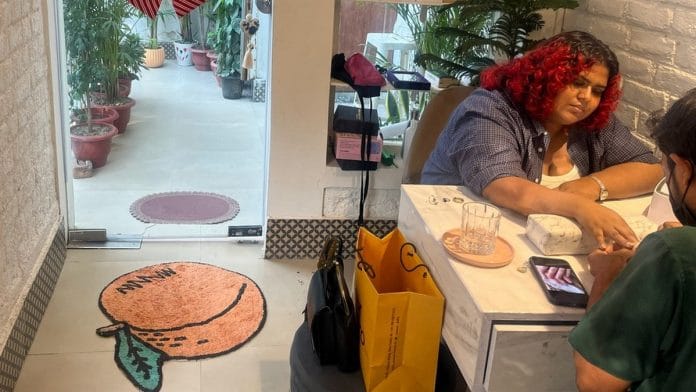


New Delhi: At the end of a busy week, 30-year-old lawyer Zara often catches up with her sister, mother, or a friend over coffee. The rendezvous is often not at a café but at Polish, an upscale nail studio in Greater Kailash, where they chat while Zara gets her extensions touched up or chooses a fresh set of nail art. She will allow only one trusted technician to touch her hands, so she usually calls ahead for an appointment.
There was a time when a French manicure in Delhi was a rushed afterthought, squeezed between a threading and a haircut at the neighbourhood parlour. And then when nail salons started coming up in the 2010s, they became a rare luxury. But now, with nail spas, cafes, clinics on every other corner, it takes more to stand out. Some make it about the matcha on the menu, others about their clinical acumen. Nails are about self-expression rather than just grooming or bridal beautification now, and getting them done is a full-blown experience.
The Indian nail care market was worth $793.1 million in 2025 and is projected to reach nearly $1.5 billion by 2034, according to the market research agency IMARC, which attributed the growth to rising beauty consciousness, social media influence, salon culture, and premium offerings.
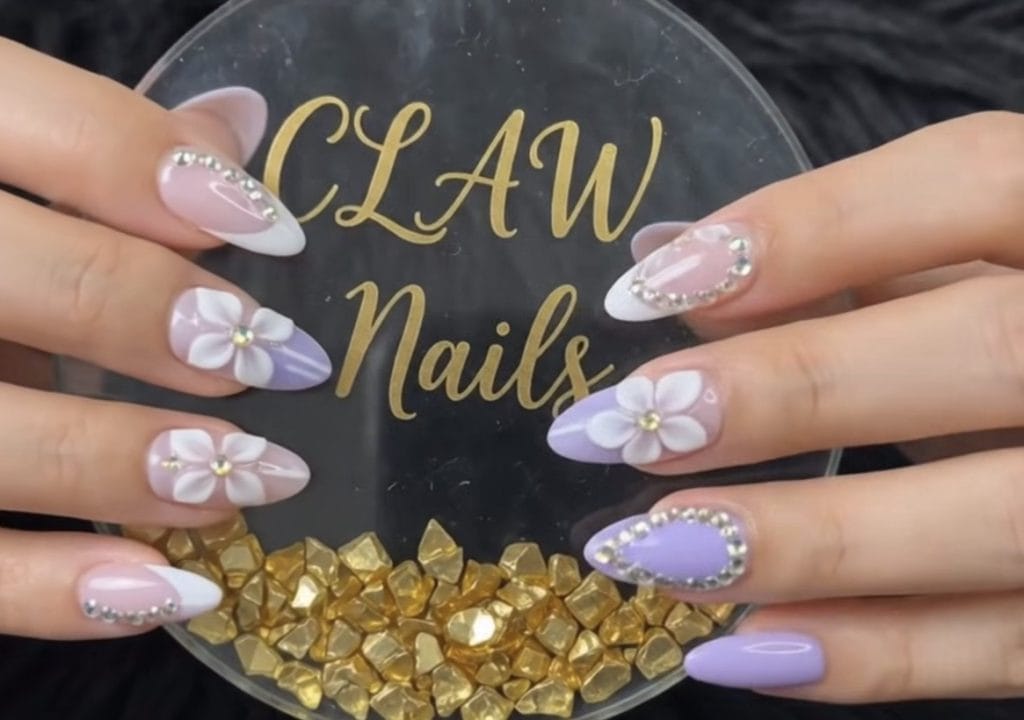
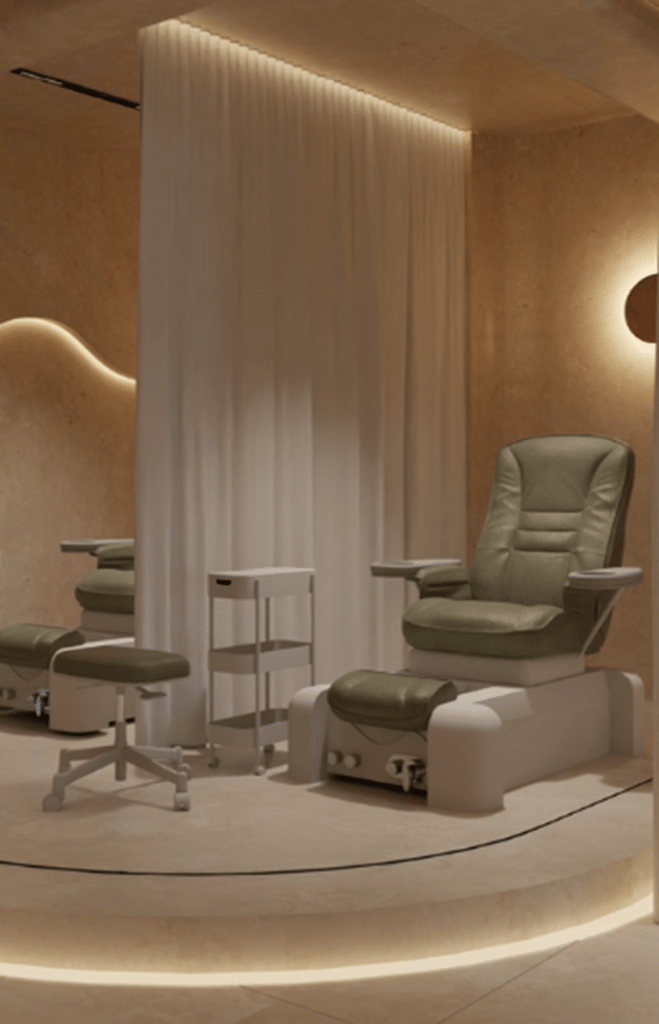
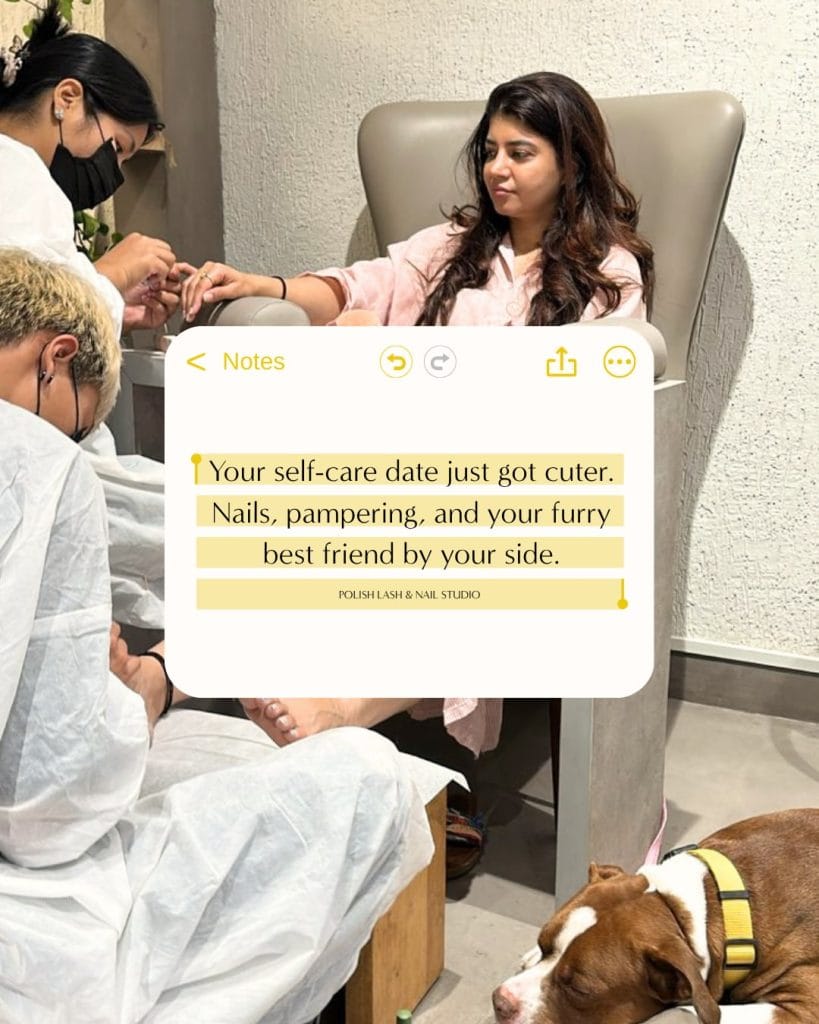
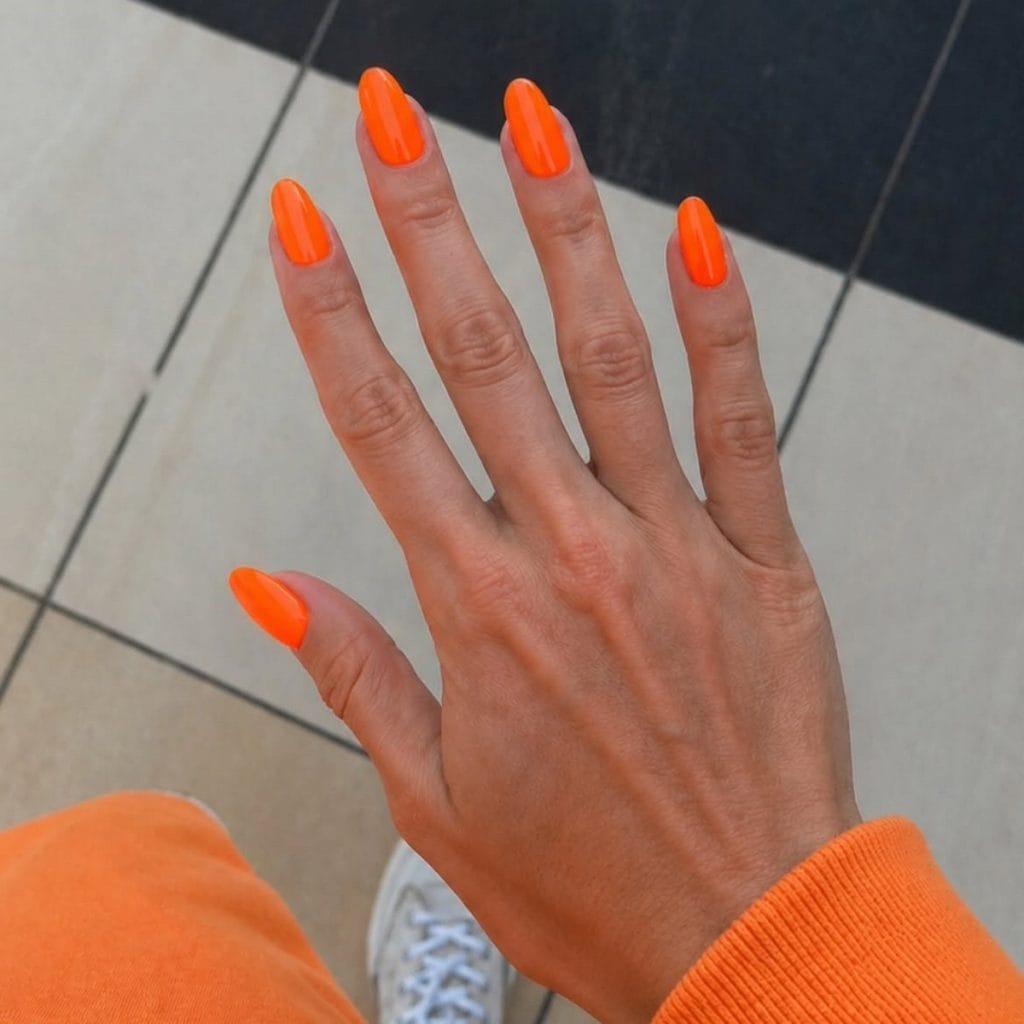
There are gel extensions, acrylic overlays, cat-eye magnetic swirls, metallic chrome powders, 3D charms, and ombre tips to choose from now, all perfect for Instagram and the nail-tapping ASMR videos that are everywhere. And it all needs the right vibe in Delhi’s increasingly crowded nail salon scene–whether it’s the plush, throne-like sofas of the chain Simar’s Nails, the brisk workspaces of GK’s Claw Nails, the cosy cafe at The Peachy Corner, the pet-friendly Polish Nail and Lash Studio, or the sleek gizmo-heavy interiors of The Face Company.
This hyper-specialisation followed the arc of international trends. Standalone nail salons started cropping up in larger numbers in many countries in the mid-1990s
and gained wider popularity in the 2000s with the rise of nail extensions and gel products. An early example of the shift towards novelty-led salons was London’s Nail Porn nail art bar, which opened in 2012 and focused on artistic and pop-culture-driven designs rather than basic services.
One of the early movers in Delhi was Reena Batra, who founded Claw Nails in 2010. She was inspired by a trip to Singapore, where nails commanded dedicated stalls and salons of their own.
“I wanted to bring that trend and level of creativity here in India, and that’s how the idea began,” Batra told ThePrint.
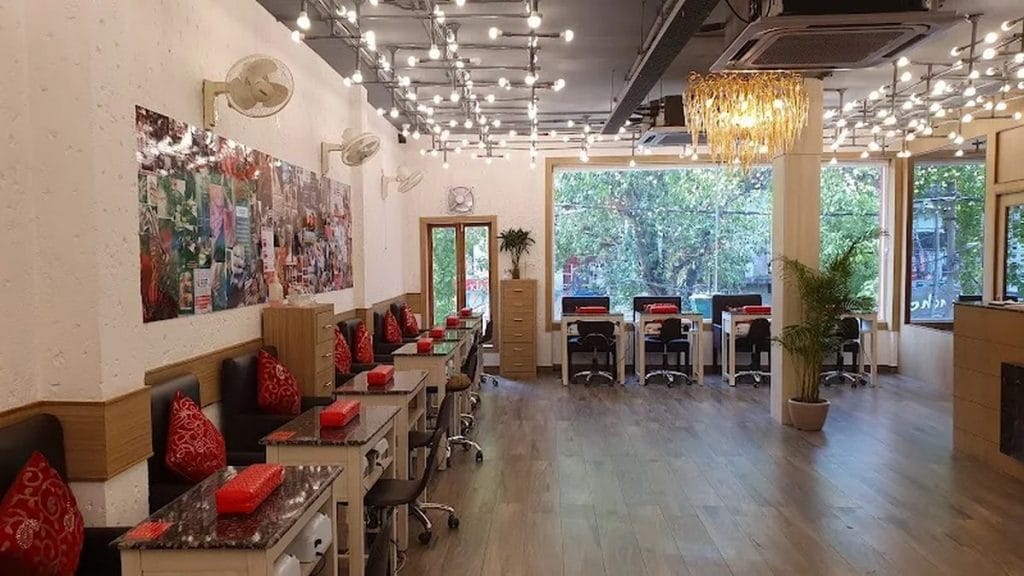
In the years since, Claw has grown with the industry, as Pinterest boards and social media have expanded the possibilities of what customers ask for. Its menu now pairs colours and designs with moods, from the rosy Aura set, promising “a gentle glow from within”, to Glitter, meant for a “playful and sparkly” look.
For the 55-year-old, nails are “a form of self-expression, combining art, precision, and style.”
Also Read: No dosa, no idli, no sambar—Chef Bala’s Nadoo wants Delhi to rethink south Indian food
Nail cafe to beauty lab
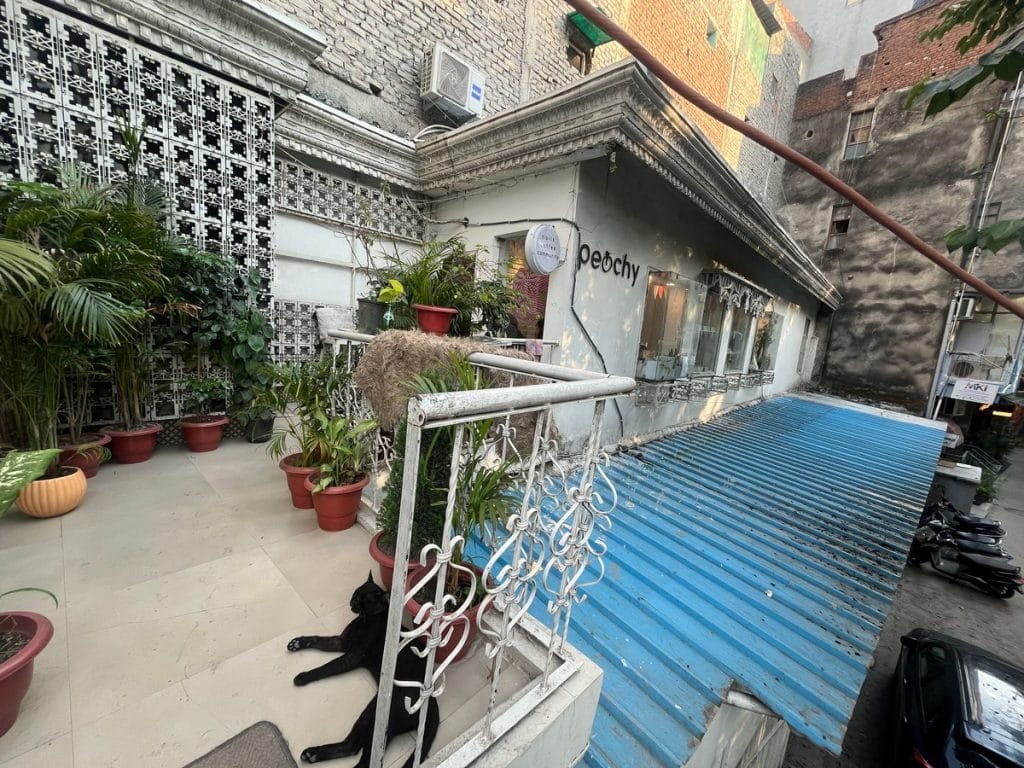
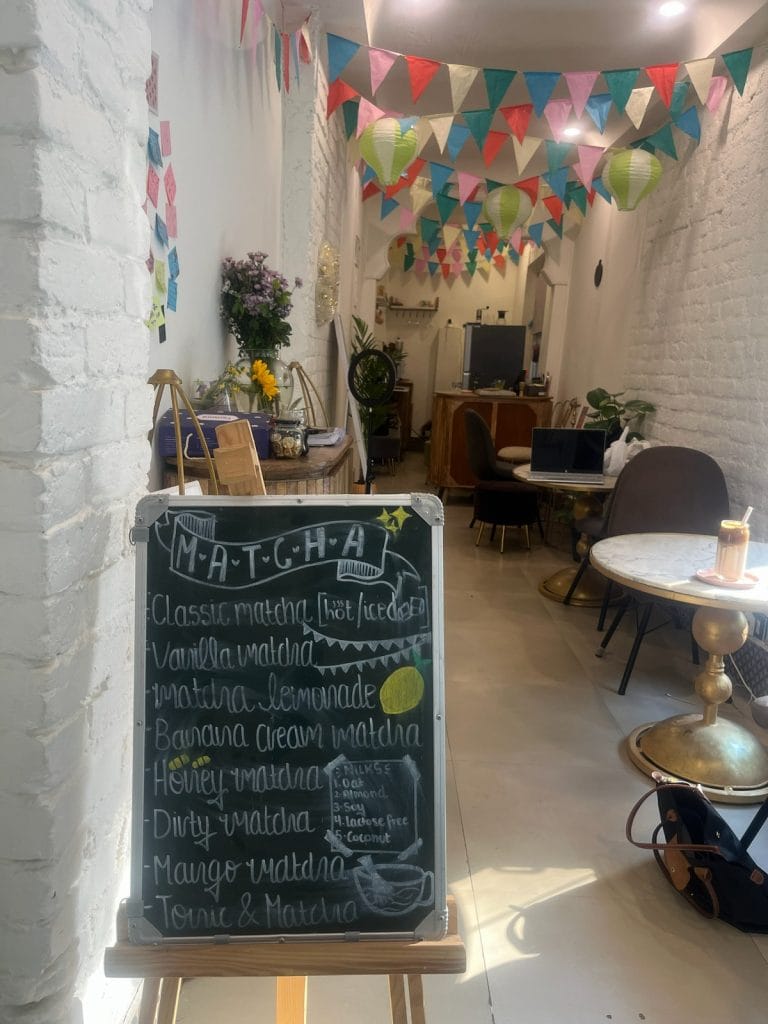
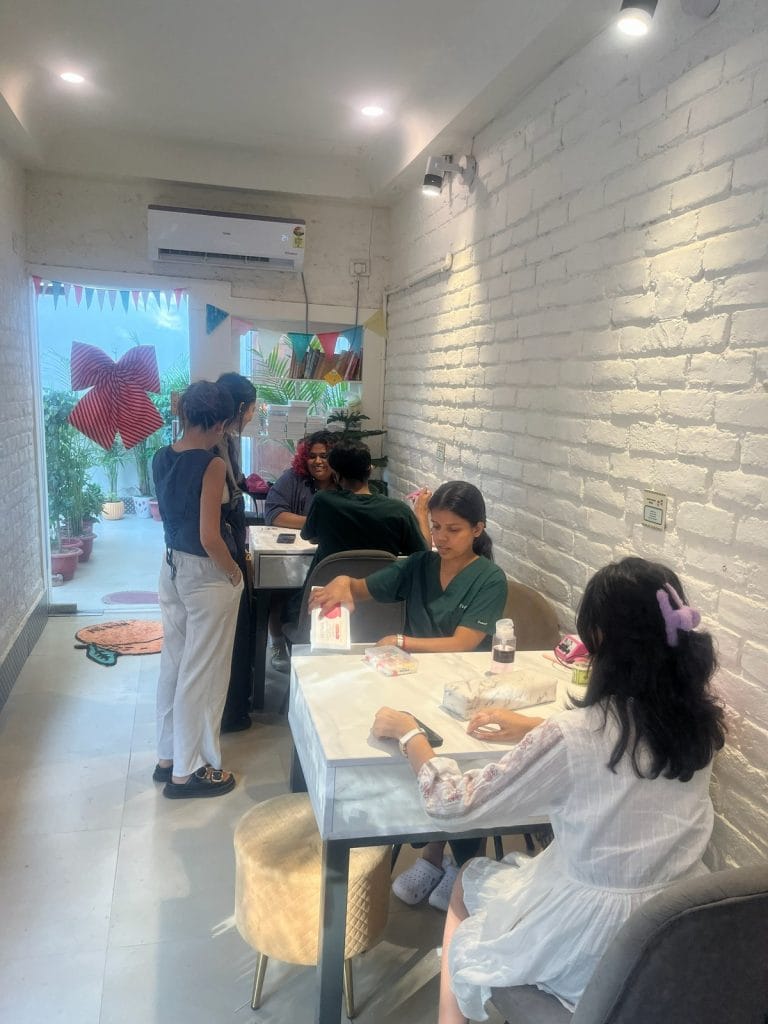
Tucked away in the bylanes of Shahpur Jat’s wedding market, The Peachy Corner occupies a small barsati converted into a nail café. Eccentrically decorated, with chic little corners and a charming book nook, it caters as much to nail-art enthusiasts as to women looking for a community space where they can linger.
Punita Pamnani, an aesthetician by training, started the nail café last year after growing frustrated with the pressure to “sell products and procedures” to women who did not need them. She wanted to create a sanctuary where women could unwind, chat, and feel pretty over a beverage. And so the nail salon-café-workspace hybrid was born.
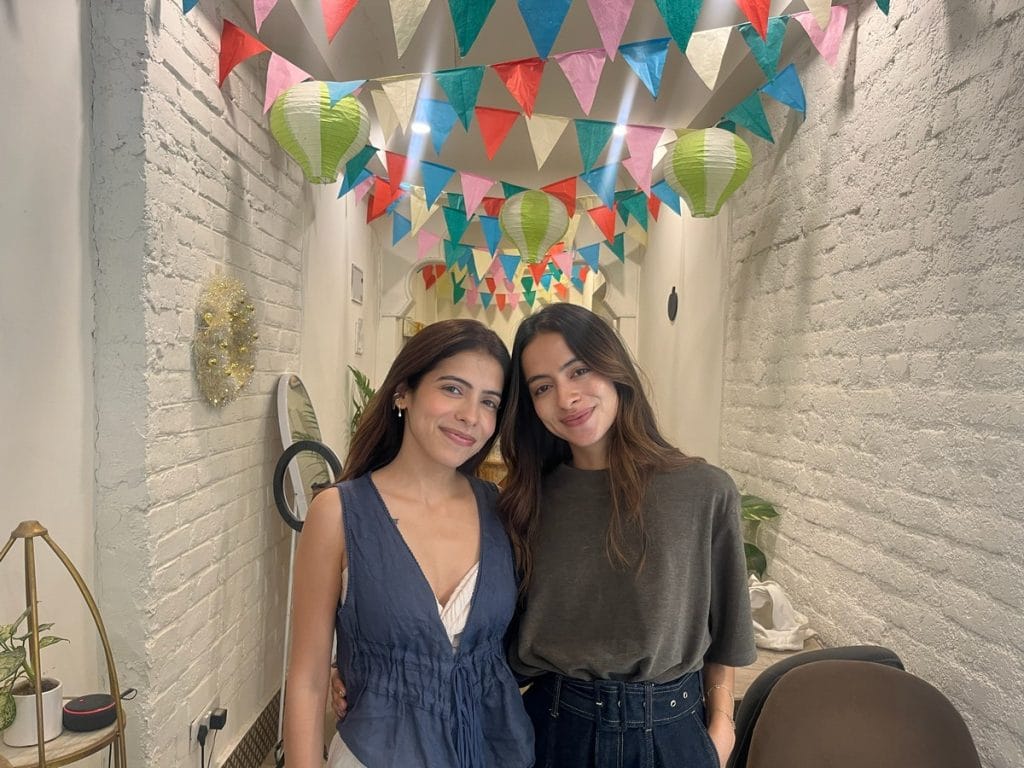
Like Batra, 29-year-old Pamnani describes nail art as self-expression, but unlike Claw Nails, a relative industry giant with branches in Mumbai, The Peachy Corner positions itself as a highly personalised, niche experience. Customers are walked through a seemingly endless array of possibilities to arrive at their perfect “peachy set”.
“Girl power” is part of the USP. In its recently posted “Rules of Peachy”, the café advises patrons to book ahead for a “seamless experience” and pay in advance because every set is handcrafted. The final rule is kindness: “If anyone (cough, your boyfriend) tries to tell you that your nails are ‘too much’, just remember: your hands, your rules.”
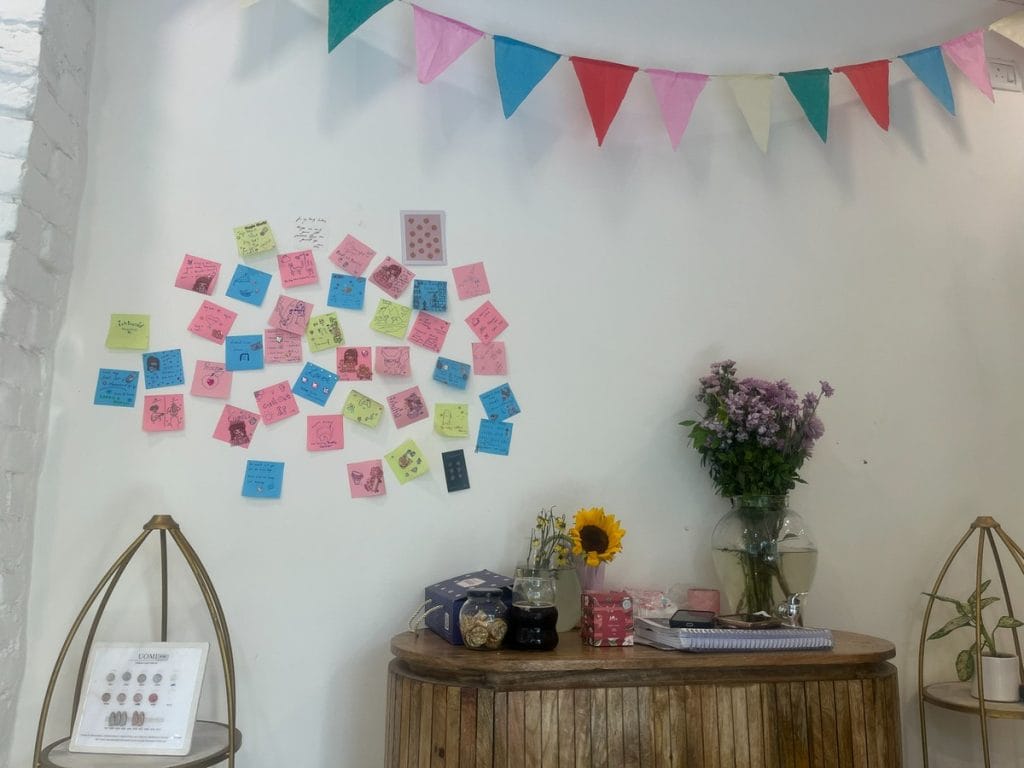
Its Instagram page also shares videos of client consultations that look like conversations between close friends — or even psychotherapy sessions with nail swatches.
For Pamnani and her sister, Ishita, the business doubles as a social hub, complete with coffees, tea, cookies, and chocolates to make clients feel more “at home”.
“We make a killer hazelnut iced latte,” Ishita said.
The sisters now hope to expand the concept into a nail bar, inspired by Strangr, the rooftop bar above the vegan café Greenr in Vasant Vihar.
“Peachy is quirky and goofy, but maybe somewhere down the line, we could do something with alcohol and nails. Like a real nail bar,” Punita Pamnani said.
If Peachy embraces frills and flounce, The Face Company in Greater Kailash is dressed up in science. Opened in 2025, the aesthetic wellness studio is distinctly spa-adjacent, offering everything from beauty-focused IV drips and semi-permanent makeup to treatments that analyse a client’s facial age and the condition of their scalp. Its nail services concentrate on beautifying nails and making them healthier rather than creating outré art.
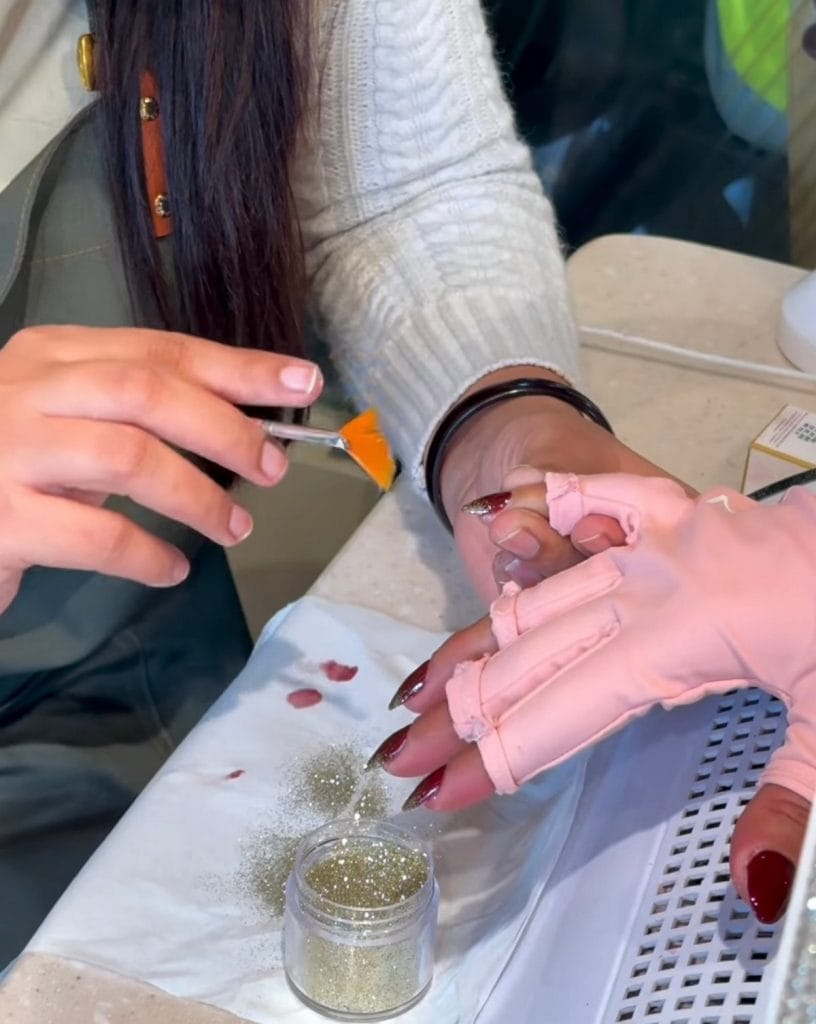
Co-founder Payal Jain Goyal said the idea was to fill a gap in the market “for result-driven, medically-backed beauty experiences” that still felt indulgent.
“Nails became a natural extension of that vision because they sit at the intersection of grooming and self-expression,” said the entrepreneur.
Much like Pamnani, who despises the word “salon,” The Face Company distances itself from the term. Instead, they define themselves as “a space where clinical expertise meets luxury.”
Another outlet with an extra something is Polish, which allows pets. “Your self-care date just got cuter. Nails, pampering, and your furry best friend by your side,” said one of its recent Instagram posts.
The market is fiercely competitive, and as Goyal put it, standing out requires command over everything from chemical formulations and technique to customer care and the overall experience.
For Batra, trends may come and go, but technical expertise, hygiene, and client experience don’t change. Still, she acknowledges that the business requires staying on one’s toes.
As gel nails and extensions have become cheaper and more widely available, enthusiasm for elaborate designs has grown. Pinterest boards and Instagram reels are awash with seasonal fads that play into customer expectations.
“The nail industry is constantly evolving, and staying updated is key. I keep myself connected to international trends through travel and continuous learning, while also investing in training and upgrading our services,” Batra said. The trick is to keep everyone happy, from the kitty party crowd to young devotees of avant-garde nail art.
Pampering or preposterous?
Nails are the new tattoos. They are as much a declaration of personal style as an act of intimate storytelling. As Grazia put it a few months ago, they have transcended beautification to become a full-blown “cultural zeitgeist”.
For many women, nail care is a way of feeling refined, “put together” or pampered. A chosen design can instantly broadcast a mood. It can communicate playfulness, wealth, or sexiness. Sometimes, going by the length of the extensions, it can even signal a hint of danger.
Costs depend on the complexity of the design and can get steep. Simple nail art may cost just Rs 200, but gel polish starts at around Rs 500; extensions generally range from Rs 1,500 to Rs 3,500. For many, it is worth it.
“Well-done nails are essential for me to look presentable and feel human,” said Shiza, a 27-year-old from Delhi.
For Zara, the process of massaging, buffing and polishing her nails is almost “meditative.” Both agree that a trip to a nail salon is non-negotiable during the wedding season or ahead of vacations.
While the ritual of getting nails done started out as a women-centric trend, men as well as members of the LGBTQ community have also bought in over the years. Across Delhi nail salons, men can routinely be seen getting manicures, trimming, and buffing their nails. Every now and then, they might even choose a dramatic, intricate nail design to adorn their hands.
But Malika, 27, is not onboard the nail express. To her, extended sessions at nail salons are an extravagant expense she can do without. Extensions and gel polish, she argued, can damage the nails, leaving them brittle and scarred.
“I’d rather stick to a simple manicure or polish,” she said.
Also Read: K-beauty looks great on your feed, but it might be picking a fight with your Indian skin
Enter the imitators
The most obvious threat to nail salons is the rise of easier, better, and cheaper stick-on nails. Brands such as actor Sonakshi Sinha’s SOEZI and celebrity manicurist Tom Bachik’s collaboration with imPRESS have given them new visibility, and they are even available on quick-commerce platforms such as Blinkit and Swiggy Instamart.
Priced from about Rs 199 to Rs 899 and higher, press-ons also offer the freedom to change designs from one day to the next. Once largely restricted to solid colours and French tips, they now come in cat-eye and chrome finishes, as well as elaborate, Instagram-ready patterns. Even 3D nail art printers are now available online, though they usually cost upward of Rs 1 lakh.
Delhi’s nail professionals, however, are not worried.
“They solve convenience, not experience,” Batra said of DIY solutions. The emotional and service-driven side of the business, she argued, is something a stick-on simply cannot replicate.
“Nails are an extension of self-care and a symbol of luxury. Stick-ons may grow as a quick-fix or occasional-use product—but they won’t replace the core of the nail industry. If anything, they highlight the difference between temporary convenience and long-term quality,” she added.
Goyal acknowledges that press-ons are evidence of how convenience is reshaping beauty, but she says they are not direct competition. They may even be good for business.
“I see it as an expansion of the category—bringing more people into experimenting with nails,” she said. “Some of them will eventually seek more premium, long-lasting solutions in salons.”
(Edited by Asavari Singh)