



New Delhi: A recent study carried out using modern forensic methods revealed evidence of potential human sacrifice in ancient Egypt. The research also found fractures in many of the skulls, indicating that they may have been killed with blows to the head.
The research was centered on the burials clustered around tombs of First Dynasty rulers near Abydos in Egypt, dating as far back as 3,000 BC. These burials, surrounding the royal cemetery, are thought to belong to people associated with royal households, including inspectors, artisans, seal-bearers, and court officials.
English Egyptologist Flinders Petrie had already excavated the site in the 1920s, finding human remains of up to 100 people around the graves of many First Dynasty kings. He suspected that so many people could not have died of natural causes simultaneously, alleging possible human sacrifice following a ruler’s death. This practice is termed retainer sacrifice. However, Petrie was unable to find supporting evidence to explain how these people died, leaving his theory open to doubt.
The recent study, carried out by Dr Roselyn Campbell of Purdue University, fills this gap using modern forensic methods. Titled “Modern forensic methods reveal human sacrifice in ancient Egypt”, the study was published in Frontiers in Environmental Archaeology.
Also read: Iran puts women at the front of its Janfada drive – Rifles, chadors and motorcycles
Fractured skulls, potential forced sacrifices
“This question of whether or not retainer sacrifice was practised in Egypt has been debated for over a century, but this is the first study to examine the human remains from the tombs themselves,” Campbell told the Guardian.
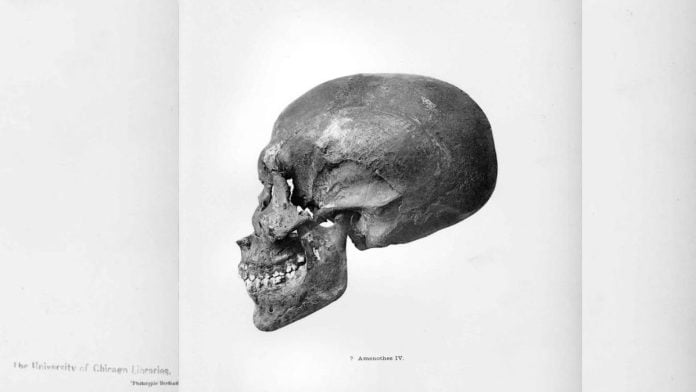
She has been re-examining skulls from the 46 retainers excavated from graves surrounding funerary enclosures of First Dynasty rulers. Linear fractures across the skull–a kind of damage caused by flat, wide objects–were the most common injury she found. 18 of these skulls showed signs of potentially lethal trauma such as fractures, and in one case, a chopping injury to the eye.
Campbell wrote that “While it is certainly possible that some individuals may have died peacefully from some other cause and been buried around the royal funerary complexes, it is also clear that many of these individuals did experience perimortem trauma of some kind”.
“For the crania without trauma, we cannot be certain they were sacrificed. It’s quite possible that some of the retainers were sacrificed, while others were not,” she told The Guardian.
“With such a small sample size of the original burial population, we simply can’t see the full extent of these funerary rituals, nor can we be sure that this sample is truly representative of all the retainers,” Campbell remarked.
Dr Dawn McCormack, an Egyptologist at Samford University, Alabama, addressed the possibility of forced sacrifices causing these fractures. “If you really think about what those scenes would have looked like, it would have been very gruesome,” she said.
“The idea that some of the people may have been violently killed, I think, is something that in reality we might expect,” she added, while noting that the study only involved a small number of skulls from the burial site.
(Edited by Ratan Priya)