








New Delhi: MC Mehta, a 79-year-old lawyer, had moved to Delhi in 1985 to test his luck at the Supreme Court. Disturbed by the increasing levels of vehicular and industrial pollution in the national capital, he had filed a PIL.
Forty years down the line, the curtain was finally drawn on the lawsuit that reshaped the country’s approach to pollution, industrial liability and the right to clean air. The petition, triggered by a toxic gas leak in Delhi, went on to become one of the most landmark environmental cases in Indian history.
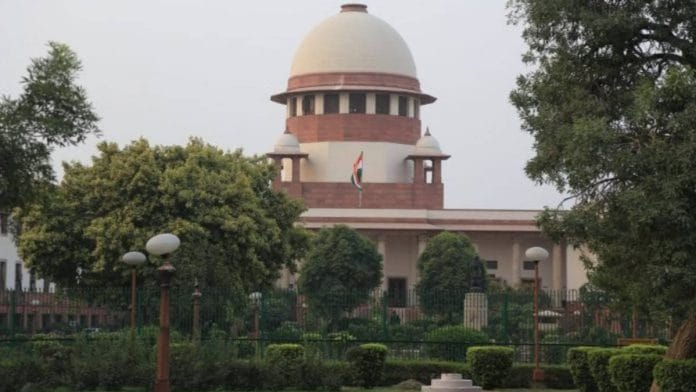
On Thursday, a Supreme Court bench, comprising Chief Justice Surya Kant and Justices Joymalya Bagchi and Vipul Pancholi, formally disposed of ‘Writ Petition (Civil) No. 13029 of 1985 – MC Mehta vs Union of India’, which has been the basis for several landmark environmental judgements.

The top court, however, has not given up on Delhi’s pollution crisis. In place of the 40-year-old MC Mehta case, it posted the registration of a suo motu case and separate writ petitions to deal with the issues. The suo motu case has been titled: ‘Re: Issues of air pollution in NCR’.
“Doing that (filing the original petition) was important. The petition has brought some significant interventions, and I am proud of it. But the fight for clean air needs to continue under whatever name,” Mehta told ThePrint.
Mehta’s 1985 petition, which also gained popularity as the Shriram Fertiliser case or the Oleum gas leak case, was filed following the catastrophic oleum gas leak from Shriram Food and Fertilisers’ industrial plant in Delhi’s Kirti Nagar area. On 4 December 1985, the gas leaked from a pipe joint. Two days later, another minor leak was reported from the same plant.
The leak triggered widespread health issues in the neighbourhood, with residents reporting breathing difficulties, eye irritation and fainting spells. One resident also lost their life due to the exposure.
The case
Mehta told ThePrint that his entry into environmental conservation and litigation was a matter of chance. He was part of a social gathering when someone started an accusatory conversation with him, claiming that lawyers in India were greedy and selfish. The year was 1984, and the case was the Taj Trapezium case.
“I asked that gentleman what his problem was, and that’s when he told me that no one was doing anything to protect the Taj Mahal and that it was being damaged by the excess unchecked release of Sulphur Dioxide from the nearby industries. I asked him to send me more information and went ahead with the petition,” Mehta recalled.
The ambitious advocate kept the momentum going, and a year later, the landmark Delhi case happened. Mehta’s writ petition established the doctrine of ‘absolute liability’ for polluting industries, but in the case, the Supreme Court also recognised air pollution and people’s right to clean air through a much broader lens.
Among all the judgments that have come from his petition so far, Mehta takes the greatest pride in the conversion of Delhi’s public transport to CNG in the 2000s. He takes pride in making a positive impact on people’s health.
“In India, laws exist, but we don’t do very well in implementing them. Historically, for any enforcement to happen, courts have had to intervene,” he said.
(Edited by Saptak Datta)