





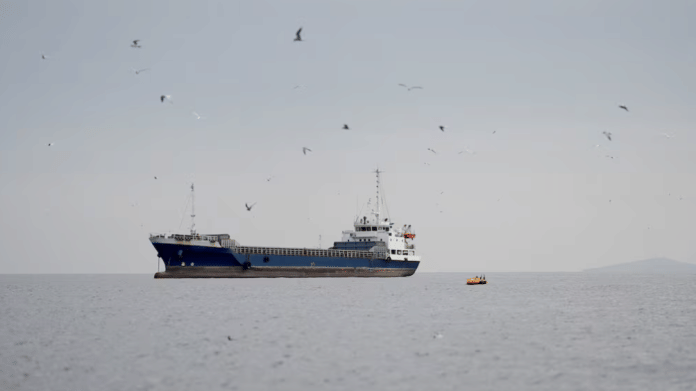


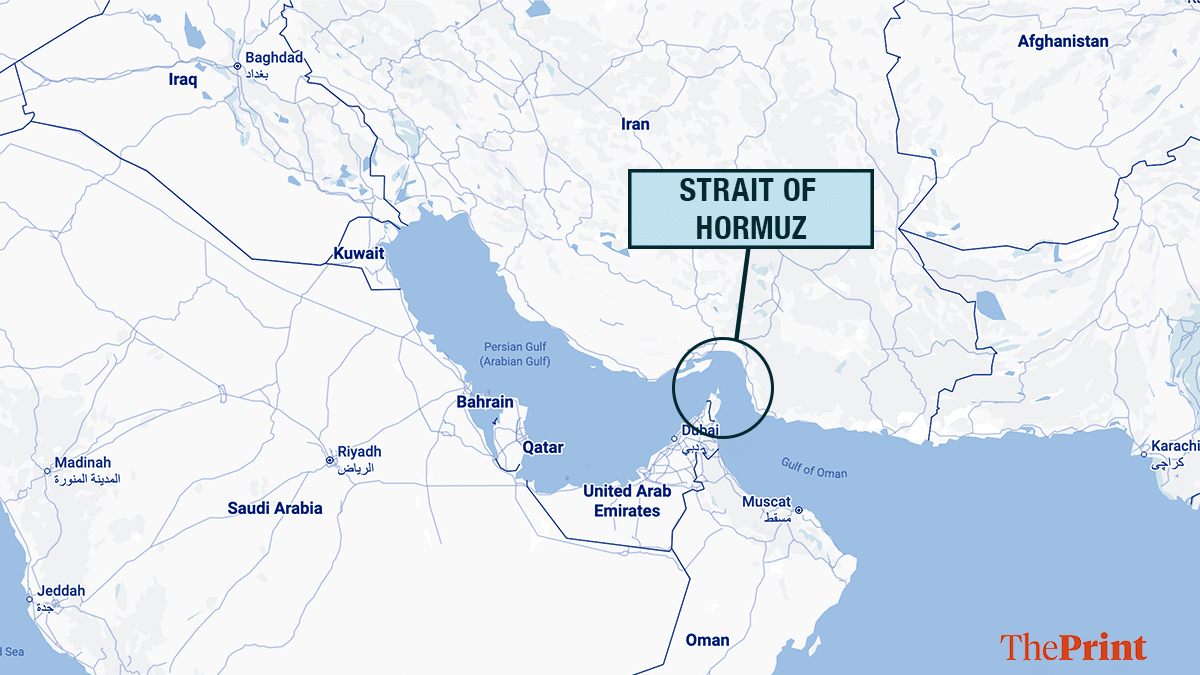
New Delhi: The brief opening and swift closure of the Strait of Hormuz amid escalating tensions between Iran and the US has injected fresh uncertainty into global shipping and energy markets, industry experts have warned.
“The open-again, close-again status highlights the fragility of this route under the present geo-political circumstances, underlining the need to diversify sourcing,” Prashant Vasisht, Senior Vice -President and Co-Group Head of Corporate Ratings at ICRA, an independent credit rating agency told ThePrint Monday.
The strait, through which a fifth of the world’s oil and gas supplies would transit in peace time, was closed for shipping again Saturday, just hours after Iran opened it following a 10-day ceasefire between Lebanon and Israel.
Tehran decided to close the strait after the US said it will not lift its blockade of Iranian ports until it reaches a deal to end the war.
According to Iranian media cited by Al Jazeera, the Islamic Revolutionary Guard Corps (IRGC) said the strait would remain closed till the US withdraws its naval restrictions on Iranian vessels and ports. Tehran has termed the blockade a violation of the two-week ceasefire that is due to end 22 April.
This reversal, industry insiders said, points to growing instability in the Gulf supply chains.
Oil prices jumped more than 5 percent Monday, on fears that the ceasefire between the US and Iran could also collapse after the American military seized an Iranian cargo ship. Brent crude futures advanced $5.08, or 5.62 percent, to $95.46 a barrel.
“This stop-and-start situation of Hormuz is injecting more uncertainty about Gulf supply. Trade flows are already adjusting, shifting away from West Asia because shipowners didn’t have much confidence,” Navin Thakur, Director at Drewry Maritime Research, a maritime consulting firm, said.
In the brief period that it was open, over a dozen ships managed to transit the strait before it was closed. Among these was the India-flagged tanker Desh Garima, carrying crude and 31 crew members on board. The tanker is expected to reach India on 22 April.
But two other India-flagged vessels–Sanmar Herald and Jag Arnav–came under fire from Iran while attempting to pass through the strait after Tehran had announced its latest closure. No injuries were reported.
In reaction, Indian Foreign Secretary Vikram Misri Saturday summoned the Iranian envoy to New Delhi, raising concerns over the safety of Indian vessels and urging measures to ensure secure passage of India-bound ships through the strait.
Though the US has said it is sending a delegation to Pakistan for the second round of negotiations to end the war, Iran has remained non-committal about its participation.
The first round of talks between the two sides, held in Islamabad on 11-12 April, ended abruptly with no agreement.
On Monday, Thakur flagged the possibility of an even longer disruption.
“Tehran has already said it won’t participate in the second round of peace talks, which means the situation could remain disrupted for a while. Since tankers are now heading towards the Atlantic for crude oil, this is causing a surge in traffic at the Panama Canal. Vessels are paying up to $4 million to secure priority passage,” he said.
“The situation will remain volatile until the entire strait (of Hormuz) is demilitarised, which seems like some distance away right now,” he added.
Nikhil Dubey, senior research analyst for refining and modelling at Kpler, a trade data intelligence firm, told ThePrint, “Iran will likely continue to control flows through the Strait of Hormuz, using it as leverage to keep pressure on negotiations until a lasting deal is secured.”
Also Read: What’s the extent of India’s dependence on maritime chokepoints & why alternatives are stunted