





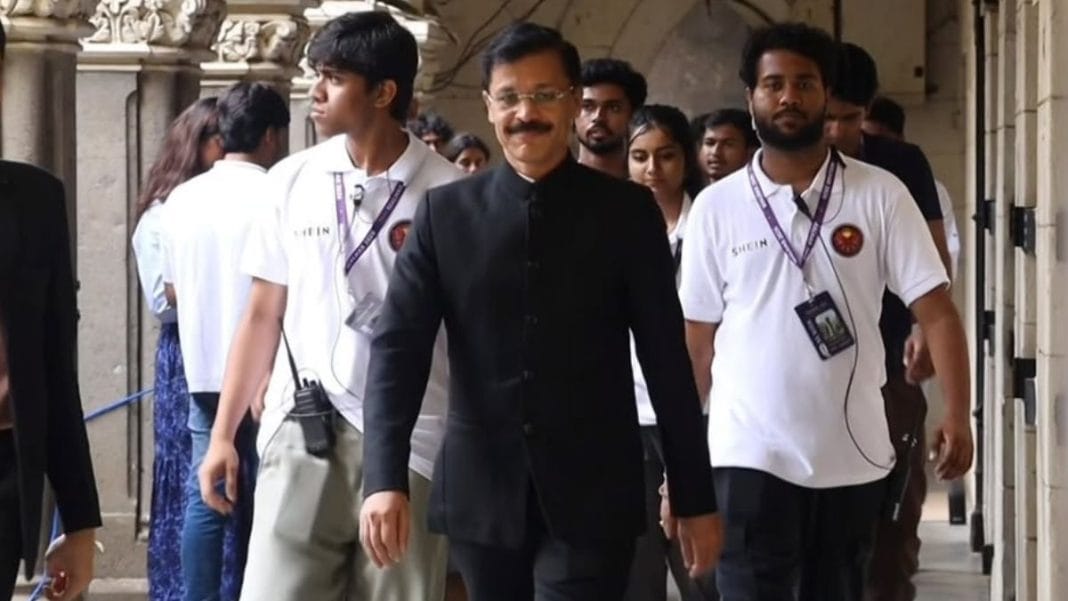


If you’ve scrolled through Instagram or X lately, you have probably seen videos of a government officer inspecting restaurants and openly pointing out cockroaches on their walls, leaving managers visibly embarrassed. The officer behind these viral inspections is Tukaram Mundhe, the head of Maharashtra’s Food and Drug Administration. Over the last few months, he has become something India rarely produces: a bureaucrat with a fan following.
His team has done over 3,000 raids across Maharashtra since May, shutting down food licences at big names like Domino’s and Pizza Hut, and checking cricket clubs, hotels, and popular restaurants too. In July alone, his team inspected almost 900 businesses and cancelled more than 100 licences. He even banned wrapping vada pav in newspaper, a habit that had quietly persisted for decades.
The videos show dirty kitchens, rats near food grains, and expired products being reused. This kind of content spreads fast, and it made Mundhe a kind of “hero”. But is that title fair? Is he a genuine reformer, or has he just figured out the method and value of going viral in today’s attention economy?
Here is the uncomfortable part. Nothing Mundhe is doing is new. Checking kitchens, verifying licences and punishing violations are all part of his job. Every state has a similar position, and the law governing this work has existed since 2006.
So why does one officer simply doing his job feel like such a big deal? Because the standards had become so low that simply doing the job properly now looks impressive. This is not just praise for Mundhe but also a criticism of the system that had
become used to ignoring problems.
The system has become so incompetent that an ordinary YouTuber has to do the work which is meant for government regulators. Channels like Trustified built an audience by lab testing everyday products that millions of people consume, from packaged milk and bottled water to IRCTC food and Maggi.
These are basic safety checks that the government and its regulators should already be carrying out effectively. When people have to depend on a YouTuber to find out whether the products they consume every day are actually safe, it exposes a much deeper failure of the system. Government data shows how serious the problem really is. Since 2020, more than 100,000 food samples have been tested every year, and around 20% were found to be unsafe, below quality standards, or wrongly labelled. In the last three years alone, nearly 8,000 food licences have also been cancelled. The problems were always there. They just needed someone’s attention to inspect and take action.
And Mundhe’s recent raids have given what was needed for years. His career record suggests that this is not simply a media strategy. He has followed the same approach for almost two decades, even when there was no social media audience watching him. In his career span of 21 years, he has reportedly been transferred around 24 to 25 times and has spent less than a year on average in each position, despite IAS officers generally having a three-year tenure.
Long before his raids started going viral, he was being transferred from one department to another, including drought relief, city administration, public transport and disability welfare. These transfers often came after he took strict action against powerful interests. Repeating this pattern for years comes at a cost, especially when staying quiet and playing safe could have made his career much easier.
His career record shows that Mundhe is genuinely trying to do his job, which unfortunately isn’t always the norm. It also suggests that India may have many officers like him, but instead of recognising them, the system has often dealt with them through transfers. Public attention may finally be starting to change that.
But better late than never.
The buzz around Mundhe’s raids should not disappear like every other social media trend. His actions are worth welcoming, and it is fair to feel optimistic, even if this attention is long overdue. It has taken a long time for a state government to treat food contamination with the seriousness of a public health issue. That is late, but it is still a step in the right direction.
The real question is not whether Mundhe keeps going viral. It is whether Maharashtra, and every other state watching, can build a system where doing your job properly is so normal that it does not make the news at all. Until that happens, the praise for Tukaram Mundhe will say as much about how badly the system has failed.
Rahul Raj is a student of National University of Study and Research in Law, Ranchi. Views are personal.
Also read: More than a joke: The subversive power of memes