





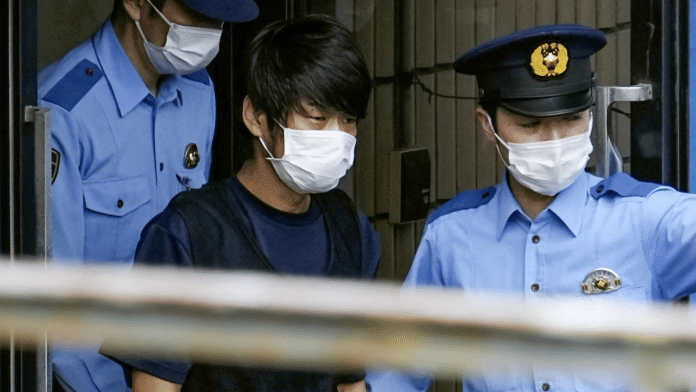



New Delhi: The man who assassinated Japan’s former Prime Minister Shinzo Abe with a homemade gun at a political rally in 2022 has been handed life sentence by a court.
The trial lasted three-and-a-half-year at the Nara district court, where the prosecutors urged the judge to hand down a life sentence to Tetsuya Yamagami.
Abe’s killing was one of the most significant incidents in the political history of Japan as he was the only premier to have been assassinated in post-war Japan.
The 45-year-old assassin pleaded guilty to the cold-blooded murder of the Japanese leader when he was delivering his speech at a political rally in Nara, a prefecture in the south of Kyoto.
Yamagami appealed to the court for leniency, with the defence submitting he was a victim of “religious abuse”. The defence said his mother devoted her life and all family belongings to the Unification Church, an Abrahamic monotheistic new religious movement.
This caused his family to go bankrupt, which is why he held a grudge against the church and the former Japanese premier, who publicly showed political support for the controversial church, the defence said.
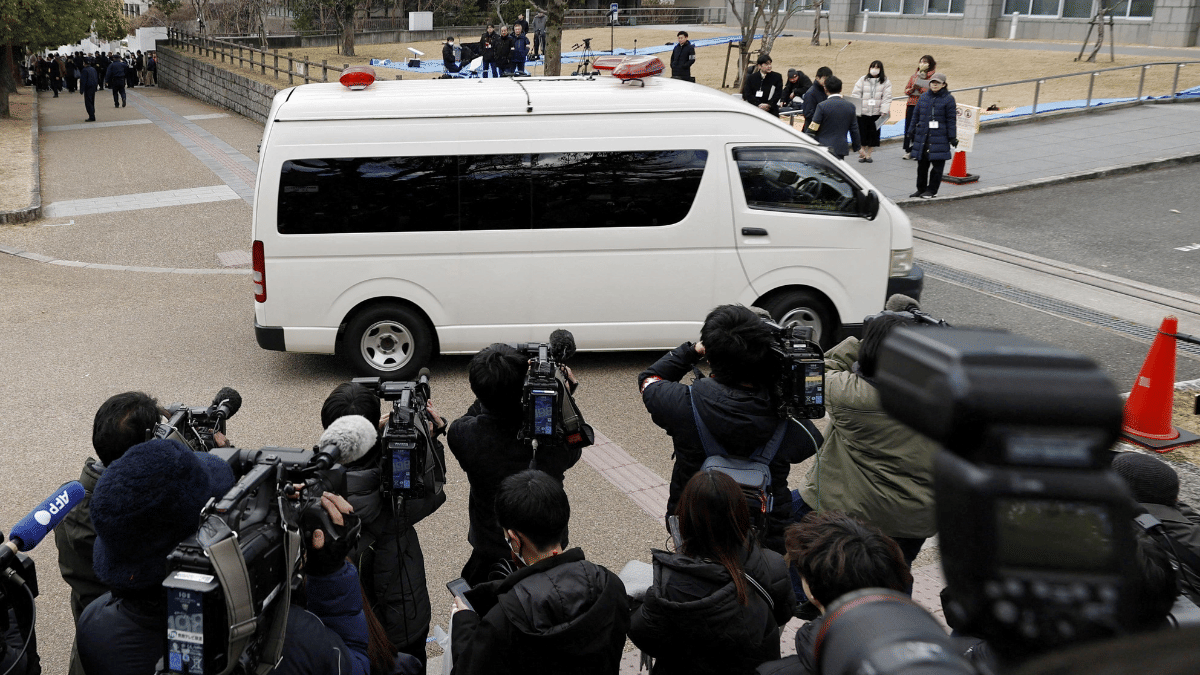
The Japanese legal system allows capital punishment for murders. However, the prosecutors did not seek the death penalty. And the defendants appealed for leniency, and the shorter 20-year sentence, by highlighting his troubled upbringing.
Also Read: Quad architect Shinzo Abe foresaw a world beyond alliances, says Jaishankar at book launch
The assassination
Two shots were fired at Abe on 8 July 2022 while he was delivering a campaign speech outside the Nara railway station. He collapsed immediately and was rushed to a hospital, where he died shortly.
Yamagami was arrested at the scene with his homemade firearm. This act stunned everyone as Japan has one of the strictest firearm regulations and one of the lowest rates of gun violence.
During the trial, the assassin confirmed that his actions were driven by his anger toward Shinzo Abe and his linkage with the unification church, which, he believed, contributed to his family’s financial difficulties.
He also confirmed that his original plan was to kill the leader of the controversial church, but he found it difficult to access him and therefore changed his plans, and decided to assassinate Abe.
Abe’s legacy
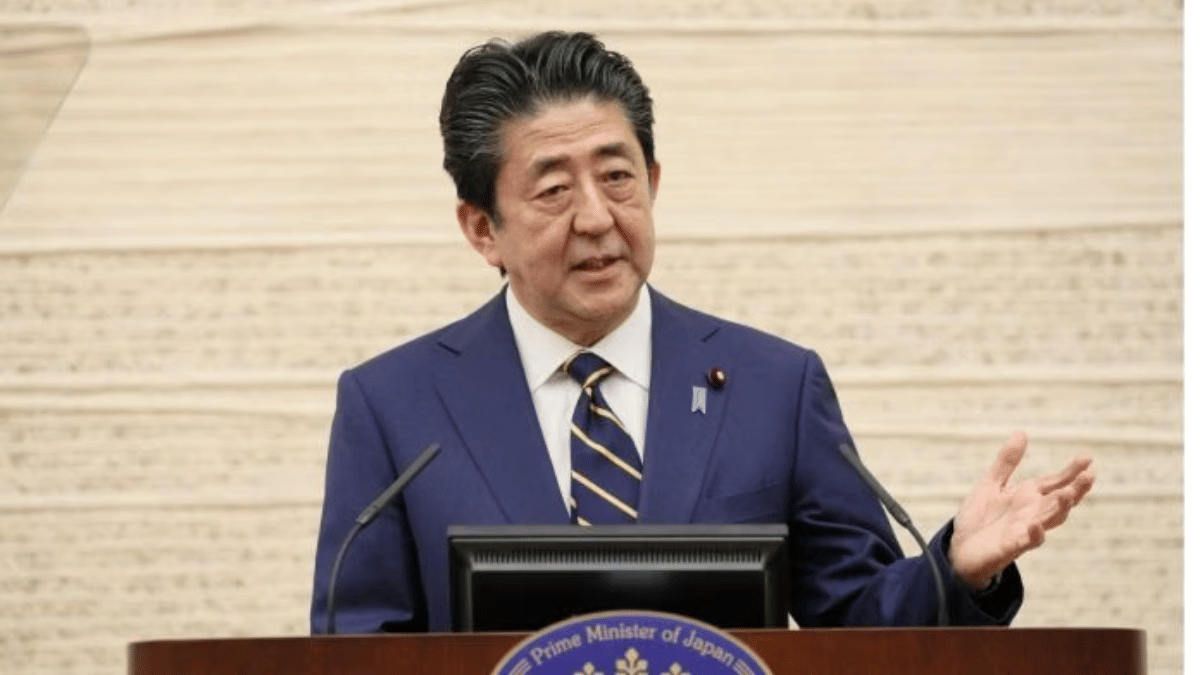
Shinzo Abe was the longest-serving prime minister of Japan. He was the premier for two non-consecutive terms from 2006 to 2007 and again from 2012 to 2020, when he stepped down due to his deteriorating health.
During his tenure, he changed Japan’s defence and security policy and pushed for military reforms in 2015. On one of his visits to India in 2007, he delivered a famous speech on “Confluence of two seas”, which led to the formation of the idea of Indo-Pacific.
Since his death, Japan’s political landscape and his political party, the Liberal Democratic Party, have been through political uncertainty. After Abe’s death, Japan has seen four premiers in five years.
The current Japanese prime minister, Sanae Takaichi, is also an Abe protégé. She has called for a snap election next month to capitalise on her rising popularity and rebuild trust in the ruling party.
(Edited by Ajeet Tiwari)
Also Read: Japan’s new nationalism is alarming. Not just for China, North Korea, but allies like India