



By Dave Sherwood
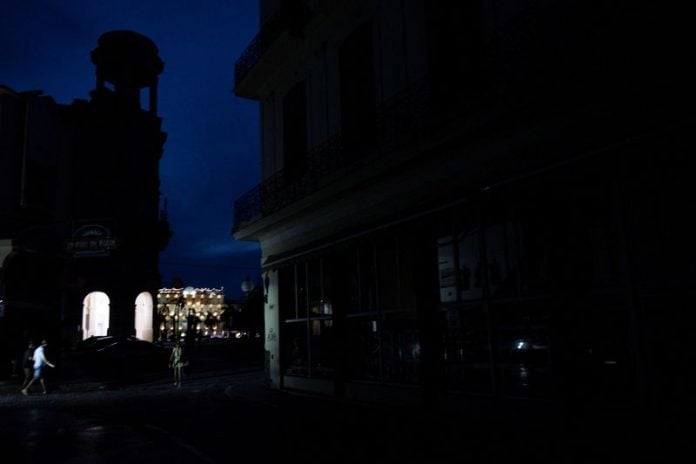
HAVANA, Sept 18 (Reuters) – Cuba’s electrical grid suffered a total collapse on Friday, plunging the nation into darkness and leaving millions without power amid a US pressure campaign that has largely blocked oil from reaching the Caribbean’s largest island.
Friday’s collapse was triggered by a failure in high-voltage transmission lines in central Cuba that occurred around 2 p.m. local time, authorities said.
“Protocols are now in place to begin the gradual restoration of the system,” said Felix Estrada, an official with Cuba’s National Electrical Union (UNE).
Power had returned to a handful of scattered neighborhoods in Havana by late evening, primarily around hospitals, but much of the city remained completely dark under cloudy skies and rain.
The nationwide blackout, the latest of at least six partial or total grid collapses since January, hardly registered in a country accustomed to long hours, or even days, without power.
Many exhausted residents of the capital Havana were already without power when the blackout hit.
“Yesterday I’d gone without power for 24 hours. They turned the lights on for an hour, and then the grid collapsed,” said Frank Lorenzo, a 23-year-old Havana resident looking forward to a long night of sweating and slapping mosquitoes.
Cuba’s aging power generation system has been under severe strain from fuel shortages and decrepit infrastructure for years, but a US-imposed oil blockade that began in January has vastly worsened blackouts and led to more frequent grid collapses.
The grid collapsed three times in July and rolling blackouts have since spanned 30 hours or more across most of the country.
United Nations human rights experts have condemned the US oil blockade, calling it a violation of international law and warning that Cuba risks becoming a “silent Gaza” as shortages and blackouts grow ever more critical.
(Reporting by Dave Sherwood, Ayose Naranjo and Alien Fernandez; Editing by Kylie Madry and Sam Holmes)
Disclaimer: This report is auto generated from the Reuters news service. ThePrint holds no responsibility for its content.