


New Delhi: Bangladesh’s political divisions are now playing out thousands of miles away in distant shores, with protests and counter-demonstrations taking place in the UK.
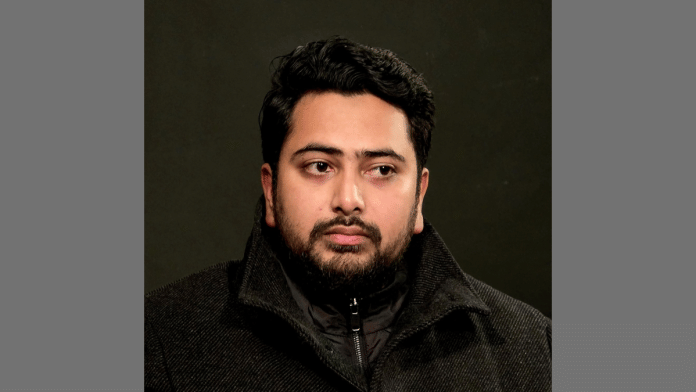
On Saturday evening, activists of the Jubo League, an associate organisation of the now-banned Awami League, gathered outside an event featuring Nahid Islam, the National Citizen Party (NCP) convener and chief whip of Bangladesh’s opposition, in Romford, east London.
The event, organised by the Bengali Society of the University of Cambridge, became the latest flashpoint in the political hostilities between supporters of the Awami League and the leaders of the July 2024 uprising that brought down the Sheikh Hasina government.
Protesters gathered outside the venue and attempted to harass Nahid Islam, according to Bengali-language newspaper Prothom Alo. NCP supporters and leaders present at the event prevented the confrontation from escalating, and Nahid was able to leave without incident.
Today, we are deeply grateful and overwhelmed by the massive participation of Bangladeshi expatriates from across the United Kingdom at the reception event held in London. We extend our sincere thanks and appreciation to students from various universities across the UK, leaders… pic.twitter.com/wgtQ80nnvr
— Nahid Islam (@NahidIslam_24) November 17, 2026
There has been a series of demonstrations against NCP leaders and former members of Bangladesh’s interim government, including former adviser Mahfuj Alam and Hasnat Abdullah, an NCP leader and sitting Member of Parliament, during visits to the UK.
The pattern has been markedly different for senior leaders of the Bangladesh Nationalist Party (BNP) and Jamaat-e-Islami, both of which also participated in the uprising against Hasina. Their visits have not attracted comparable public protests by the Awami League supporters.
The UK has long been an important centre of political activity for Bangladeshis living abroad. It hosts branches and affiliated organisations of the Awami League, the BNP and the Jamaat-e-Islami, whose supporters regularly organise rallies, meetings and demonstrations in response to developments at home.
Protests during visits by Bangladeshi prime ministers are not new. Both Hasina and her predecessor Khaleda Zia faced demonstrations in the UK while in office.
In June 2025, Awami League activists demonstrated outside the London residence of Muhammad Yunus, then the chief adviser of Bangladesh’s interim government, during his visit to the UK capital.
Three months later, on 12 September, Mahfuj Alam attended an event at SOAS University of London marking the anniversary of the July uprising. Outside the university, Awami League leaders and supporters staged protests.
On 15 June this year, a programme featuring NCP leader Hasnat Abdullah in east London triggered another confrontation. Demonstrations by Awami League supporters, egg-throwing and counter-protests in Whitechapel and Romford led to tensions, resulting in the deployment of more than 100 police officers.
The absence of similar demonstrations during visits by BNP and Jamaat leaders has become a point of contention among Bangladesh’s political groups in the UK, the Prothom Alo report argued.
Since Hasina’s fall from power in August 2024, several senior BNP figures, including Mirza Fakhrul Islam Alamgir, the party’s former secretary general and now Bangladesh’s president, as well as ministers and Members of Parliament from the current government have travelled to the UK.
Jamaat-e-Islami chief Shafiqur Rahman, secretary general Mia Golam Porwar and other senior party figures have also attended political and social gatherings without reported attempts by Awami League supporters to obstruct their programmes.
The Awami League, however, rejected the suggestion that its organisation was behind the demonstrations.
Syed Shazidur Rahman Faruk, general secretary of the party’s UK chapter, denied any organisational involvement, describing the protesters instead as patriotic Bangladeshis acting independently.
“The Awami League is not relevant here. Patriotic expatriate Bangladeshis are essentially trying to resist them (NCP) wherever they find them,” he told Prothom Alo.
(Edited by Tony Rai)