



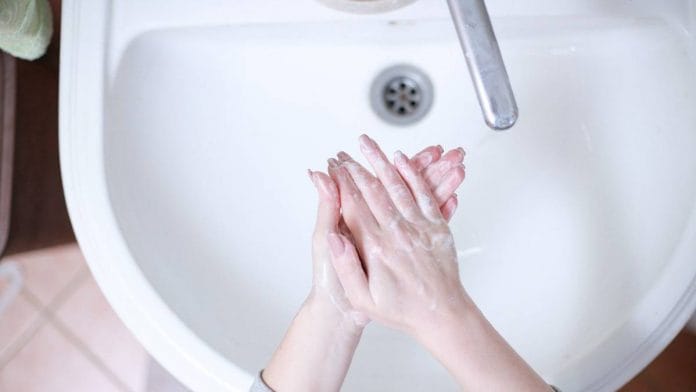
There is an irony in modern hygiene: the very habit that protects us from infections can gradually damage the skin that performs this protective function. Think of a surgeon scrubbing before every procedure, a nurse sanitising between patients, a laboratory worker handling samples, or a homemaker constantly washing vegetables and cleaning utensils. By evening, their hands may feel tight, appear red, develop tiny cracks, and burn even when exposed to plain water.
Most people dismiss this as ordinary dryness. In dermatology, however, these symptoms may point to chronic irritant contact dermatitis, commonly presenting as hand eczema. It is an overlooked occupational skin disease, particularly among people whose daily routines demand repeated handwashing.
I recently encountered a patient whose hands had become progressively rough, red, and uncomfortable despite trying several expensive moisturisers. The instinct was to change the cream yet again. But the real problem was not the absence of a good skincare product; it was repeated damage to the skin barrier.
How repeated washing damages the skin barrier
Our skin has an intricate protective barrier made up of skin cells, lipids and natural moisturising factors. Think of it as a brick wall: the cells are the bricks, while ceramides, cholesterol and fatty acids form the mortar. This structure prevents excessive water loss and protects the skin against irritants, allergens and microorganisms.
Repeated exposure to water, soaps, detergents and antiseptics can disrupt this arrangement. Cleansing agents remove not only dirt but also protective surface lipids and natural moisturising factors.
This increases transepidermal water loss (TEWL), leaving the skin dehydrated and vulnerable. Over time, microscopic damage accumulates, allowing irritants to penetrate more easily and trigger inflammation.
A systematic review and meta-analysis published in Contact Dermatitis in 2022, analysing 45 studies, found that washing hands at least 8–10 times a day was associated with a 51 per cent higher risk of hand eczema. The risk increased further among people washing their hands 15–20 times a day.
The skin microbiome is affected, too
The damage is not restricted to the skin barrier. Another important aspect is the skin microbiome. Our skin hosts millions of microorganisms, including beneficial bacteria such as Staphylococcus epidermidis and bacteria from the Cutibacterium species. These contribute to skin defence by interacting with immune cells, helping maintain microbial balance and preventing harmful organisms from establishing themselves.
Harsh detergents and antiseptics can disturb this delicate ecosystem. It would be inaccurate to say that every wash eliminates all beneficial bacteria. Rather, frequent cleansing and barrier disruption can alter microbial diversity and host microbe interactions.
A 2024 longitudinal study published in the Journal of the European Academy of Dermatology and Venereology found associations between handwashing frequency, hand eczema and changes in the bacterial composition of the hand microbiome.
Recognising the symptoms
Clinically, the condition may begin with a feeling of tightness after washing. Gradually, redness, itching, scaling and roughness can develop. Some people experience painful fissures around the knuckles and fingertips, while others develop tiny blisters along the sides of their fingers. In advanced cases, the skin may become thickened and cracked.
Allergic contact dermatitis can also coexist, particularly when people become sensitised to fragrances, preservatives, rubber chemicals, or workplace exposures.
Also read: Skin fasting is trending. But don’t confuse a break with abandoning care
How to rehabilitate the skin barrier
So, how do we rehabilitate hands that are constantly exposed to cleansing agents?
The answer is not simply to moisturise, but to practise what I call Hand Barrier Rehabilitation. It has three pillars: restoring lipids, improving hydration, and preventing further moisture loss.
First, choose a mild, fragrance-free syndet cleanser and use lukewarm rather than hot water. Pat your hands dry, especially between the fingers.
Second, choose a moisturiser containing complementary ingredients. Glycerin and low-concentration urea are humectants that attract and retain water in the outer layers of the skin. Ceramides replenish protective lipids, while dimethicone and petrolatum form protective layers that reduce water loss. Colloidal oatmeal can help soothe irritated skin.
My preferred combination is glycerin, ceramides and petrolatum, with five per cent urea when additional hydration is needed. Ten per cent urea may help with thickened, rough skin. However, urea can sting inflamed or cracked skin, so it should initially be avoided over open fissures.
During the day, apply a ceramide-rich cream after washing and whenever your skin feels dry. At bedtime, apply a generous layer of moisturiser, followed by plain petroleum jelly. Wearing cotton gloves overnight can help retain moisture.
People handling detergents and cleaning chemicals should wear appropriate protective gloves, making sure their hands are dry before putting them on. However, prolonged glove use can itself cause irritation because of sweating and moisture trapped inside the gloves.
Are sanitisers worse than soap and water?
An important misconception is that alcohol-based hand sanitisers are always more damaging than soap and water. In healthcare settings, when hands are not visibly dirty or contaminated, alcohol-based hand rubs can be less damaging than repeated washing with soap and water. Infection-control protocols must always take priority.
Persistent redness, itching, fissures, or recurrent blisters require assessment by a dermatologist. Treatment may include an appropriate short course of topical corticosteroids during inflammatory flares. Recurrent or persistent disease may also warrant patch testing to identify possible contact allergies.
The message is simple: clean hands are essential, but healthy skin is equally important. We have spent years educating people about hand hygiene. Perhaps it is time to educate them about hand-skin hygiene, too. The goal should not just be to wash away germs, but also to preserve the skin’s natural protective ecosystem.
Dr Deepali Bhardwaj is a Consultant Dermatologist, Max Hospital, Saket. She is also an anti-allergy specialist, laser surgeon, and internationally trained aesthetician. She tweets @dermatdoc. Views are personal.
(Edited by Maryam Hassan)