






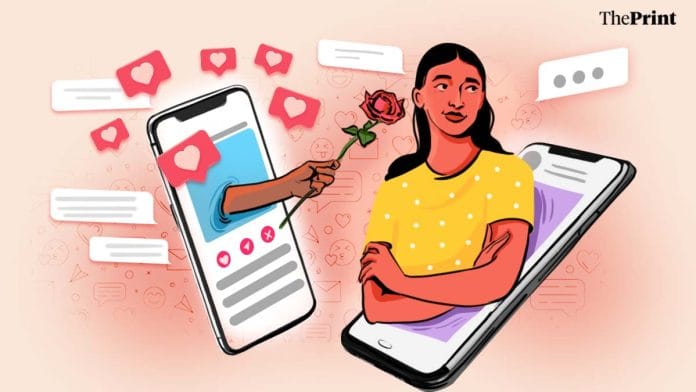


A man I once went on a date with dismissed exclusive dating apps such as Raya, The League, and Inner Circle as “elitist”. Unlike Tinder, Bumble, and Hinge, which anyone can join, these apps are invite-only. They require applicants to be screened on factors such as profession, social networks, and profile quality.
Over the next hour, however, he went on to explain why he would never date a woman who is taller than 5’5”. Or a woman who smokes. Or one with too many male friends.
It struck me that he wasn’t really opposed to selectivity. He practised it all the time. What bothered him was that on apps such as Raya or The League, he might not be the one deciding who got in.
This is why I’ve always found the backlash against exclusive dating apps so fascinating. They’re routinely dismissed as elitist and exclusionary. The criticism feels morally obvious: if everyone can’t get in, something must be unfair. It’s a principle worth defending in public life. Universities must be fair. Elections must be fair. But public institutions exist to distribute opportunity.
Dating apps serve a different purpose. They aren’t designed to maximise access but to discover compatibility. We’ve started judging romance by the standards of democracy, as though your heart? be open to everyone before it can belong to anyone. I’m not convinced it ever worked that way.
Nobody dates democratically. We like pretending that we do. But we are filtering, sorting, selecting all the time when we date or marry.
Fairness asks that everyone get a chance, but intimacy doesn’t work that way. These are different arenas, and dating has always belonged to the latter. We reject people every day for reasons we’d never defend anywhere else: height, politics, religion, humour, the desire for children, smoking. Every lasting relationship is built on an astonishing number of people who weren’t chosen.
Perhaps that is what makes exclusive dating apps so uncomfortable. The apps have the audacity to build an entire system around something we usually prefer to leave unspoken. They move that instinct from the end of the process to the beginning.
Is that why their appeal is so often misunderstood? The point is not simply who gets in. It is what people no longer have to sift through.
The charge that exclusive dating apps are classist is worth taking seriously. But it also rests on a romantic fiction that dating has ever been equal. Most of us meet partners through universities, workplaces, mutual friends, and communities that sort us long before an app ever does. Exclusive dating apps did not invent those filters. They simply stopped pretending they weren’t there.
Also read: BJP’s Gen Z Instagram outreach has flopped. Friends are cringing
Why I choose a curated platform
The internet sold us the grand illusion that more dating options would somehow translate into a relationship. Instead, it turned the dating pool into a flood.
Women, especially, are told we have endless options. What we actually have are endless decisions. Every profile is a judgement call. Every conversation is a calculation. LinkedIn searches, Instagram cross-checks, and the detective work of figuring out whether “entrepreneur” means startup founder or simply unemployed.
I once reopened a dating app after a week away, stared at dozens of likes, and closed it again. That is the strange paradox of modern dating. The more possibilities we are given, the harder it becomes to recognise the one that matters. We’re told to kiss enough frogs and trust probability to deliver a prince. I don’t buy it.
We don’t attend every dinner in the city because statistically our future spouse might be holding a drink in the corner. I have limited time, and I would rather enter a room that has already been thoughtfully curated than spend my evenings doing the filtering myself. That isn’t elitism; it’s intention.
Not that a curated room guarantees compatibility—it simply recognises that meaningful connection requires more than endless options. Plus, we are fooling ourselves if we think there is no curation in other, non-exclusive dating apps or matrimonial sites. Algorithm is the new Seema Aunty.
Curated communities don’t magically produce better people, either. They do, however, change the incentives. Good behaviour is no longer just courteous. It becomes the price of staying in the room. A referral, a waiting list, or simply knowing that access is not guaranteed introduces something anonymous platforms had abandoned: consequences.
As a woman, I’d rather spend my time deciding whether someone is interesting than wondering whether they’re real. My time is limited, and my attention is valuable. My dating life is not a public service. In a world drowning in options, choosing carefully is merely self–respect.
Views are personal.
(Edited by Prasanna Bachchhav)