





There is a popular social media joke that Delhiites are identifiable by a single question: Tu jaanta hai mera baap kaun hai—do you know who my father is? Then there is the undying love for momo and their frequent, indiscriminate use of cuss words. Their temper is infamous. It is the perfect distillation of the Delhi personality: swagger first, reason later; volume before argument; insult before conversation.
We call it confidence. We call it being seedha. We just say ‘Dilli hai bhai‘ and move on. But the recent attack on the Manipuri musician proves that Delhiites’ temper is no longer a joke, but a grim reality.
Road rage is old news; apparently, basic manners no longer exist in Delhi. The city that boasts it rivals the no-nonsense, fast-paced culture of New York can now add “reckless murder” to its disreputation.
As someone born and brought up in Delhi, I was disillusioned by the city a long time ago. But now, I am embarrassed.
Our temper and ability to “give it back” are a problem that must be nipped in the bud, not a personality trait to commend.
A dormant cancer
But Delhi’s rage has been bubbling for years. Like a volcano, it erupts now and then and demands public reflection. The 2012 Nirbhaya gangrape case is one of the first examples of the city’s aggression that comes to mind.
The city hemmed and hawed over the barbarity of the incident for weeks and then moved on. So numb are we to violence that it has become a part of our everyday life.
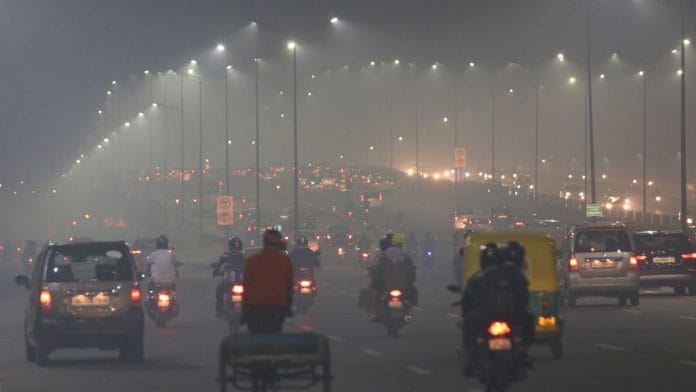
From attacking another for our less-than-legal driving to the lack of shock over CCTV footage of a man repeatedly stabbing a woman in broad daylight. Delhi’s aggression is like its pollution, a constant layer of doom that presides over the city. And it is time we act on it.
In a city where the world is at our fingertips, Delhiites remain angry. Gone are the days of Dilwalon ki Dilli (Delhi—City of Big-Hearted People); now are the days of Dil ko dehladene wali Dilli (spine-chilling Delhi).
Also read: The new masculine upgrade is vulnerability. Women are signing up
The stereotype is real
The Delhi temper is not class-conscious. It crosses colonies, cars and bank balances. What changes is only the target. Our anger is aimless, mindless and reflexive. It’s a privilege, perhaps; that is why so many Delhiites treat each other and those ‘not of the same class’ poorly. It is impatience mixed with a demand for the world to be like you. And like the pollution crisis, it is time the politicians and the public act on it.
A city, let alone the capital of a country, cannot function properly while wearing its aggressive, bullying attitude on its sleeve. It is a typical Delhiite trait to believe that there is always a way to skirt the rules. The stereotype is real. We must acknowledge it.
No, we are not direct; we are rude. No, it is not the overcrowding; Mumbai has that problem, too.
The mindless murder of Vikram Singh Chongtham earlier this month must be a wake-up call for Delhi and a hit to Delhiites egos.
But pride is as essential as air for survival for Delhiites. As smooth as water. However, there are rough seas ahead. And one can only hope that this is the sea pulling back before a tsunami descends.
Views are personal.
(Edited by Ratan Priya)