








Navratri has always been about new clothes, dazzling jewellery, fasting, garba nights and, of course, looking your absolute best. But the pre-festival beauty ritual is getting a very 2026 makeover.
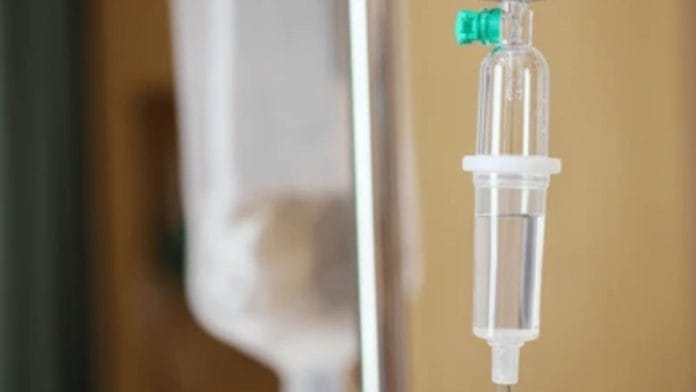
Earlier, getting “Navratri ready” meant a facial, a haircut, perhaps a manicure and a new outfit. Today, some people are going one step further: putting wellness directly into their veins. Yes, IV drips have entered the conversation.
With nine nights of dancing, travel, fasting, late dinners and back-to-back social commitments, the promise sounds tempting: hydrate faster, beat fatigue, boost energy and perhaps even get that elusive “glow”
But before we all roll up our sleeves, it is worth asking: is this science—or simply very expensive festive FOMO?
What exactly is a “glow drip”?
The idea is straightforward. Instead of taking nutrients orally, selected substances are delivered directly into the bloodstream through an intravenous infusion.
IV therapy certainly has legitimate medical uses. Someone who is significantly dehydrated, has a diagnosed deficiency or needs medication or fluids intravenously may genuinely benefit from it.
But that does not mean every healthy person needs an IV drip. And there is no magic “Navratri drip”.
Depending on the clinic and the individual’s requirements, wellness cocktails may contain fluids, vitamin C, B vitamins, magnesium, glutathione or increasingly fashionable ingredients such as NAD. The important word here is individual.
You should not get a drip because your friend had one, your favourite influencer posted one or because a clinic has given it an irresistibly glamorous name.
The glutathione glow—and the fairness trap
Glutathione has become one of the biggest stars of the beauty-wellness world.
It is a naturally occurring antioxidant in the body and has gained enormous popularity in aesthetic medicine, particularly for skin brightening. But the leap from “antioxidant” to “instant skin lightening through an IV” is much bigger than Instagram would have us believe.
The evidence for intravenous glutathione as a safe, reliable skin-lightening treatment is limited, There are concerns about adverse effects of using injectables.
More importantly, healthy skin should never be equated with fairer skin.
The goal of dermatology is not to erase someone’s natural skin colour. It is to treat pigmentation disorders, control inflammation, protect the skin from UV damage, strengthen the skin barrier and restore healthy luminosity.
So if someone promises to make you several shades lighter before the first garba night, my medical advice is simple: don’t fall for it.
NAD, vitamin C and the wellness alphabet soup
Nicotinamide adenine dinucleotide skincare or NAD has recently become the darling of the longevity industry, while vitamin C, B vitamins, and magnesium have long enjoyed their own celebrity status in the wellness world.
But an ingredient being popular does not automatically mean that we must all put in into our veins.
For people who are otherwise healthy and eat a reasonably balanced diet, there is no need for that routine IV vitamin therapy. The dramatic benefits often promised for “energy”, “immunity” or anti-ageing are a hoax.
And another detail sometimes gets lost beneath those beautiful photographs of elegant IV lounges: an IV is an invasive medical procedure.
There can be bruising, vein irritation, phlebitis, infection, allergic reactions and, depending on what is administered, fluid or electrolyte disturbances.
The more fashionable the treatment becomes, the more important it is to remember that the “wellness” tag does not make a medical procedure risk-free.
Also read: More is not better in skin care. Protect your skin barrier
What about fasting?
This is where Navratri gets particularly interesting.
Fasting practices vary enormously. Some people eat fruits, dairy and permitted grains; others eat just one substantial meal; some significantly restrict their calorie and protein intake.
Add dancing, sweating, travel and late nights, and dehydration and fatigue can creep in.
And guess what the skin notices first?
Dehydration, inadequate nutrition and poor sleep can leave the skin looking dull, dry and tired. You could spend thousands on a glamorous glow drip and still wake up the next morning looking exhausted because you slept for four hours and drank two glasses of water.
That is not a skincare problem. That is a lifestyle problem. If you want your skin to really look its best during the festive season, start several weeks before the first dandiya night—not the night before.
Think consistency, not crisis management. Wear sunscreen regularly. Keep your cleanser gentle. Moisturise appropriately for your skin type. Eat enough protein and micronutrients. Stay hydrated. Sleep properly. And please don’t begin experimenting with aggressive peels, bleaching products or a cupboard full of new skincare products just days before an important celebration.
If you have acne, pigmentation, melasma, hair fall or another ongoing skin concern, see a dermatologist early.
And if you are considering an IV wellness drip, ask yourself one simple question:
“Do I actually medically need this?”
If the answer is no, you may be better off spending that money on something considerably less glamorous—but far more effective: good food, adequate sleep, sunscreen and perhaps a really good pair of dandiya shoes. You don’t have to chase every wellness fad.
Dr Deepali Bhardwaj is a Consultant Dermatologist, Max Hospital, Saket. She is also an anti-allergy specialist, laser surgeon and internationally trained aesthetician. She tweets @dermatdoc. Views are personal.
(Edited by Ratan Priya)