





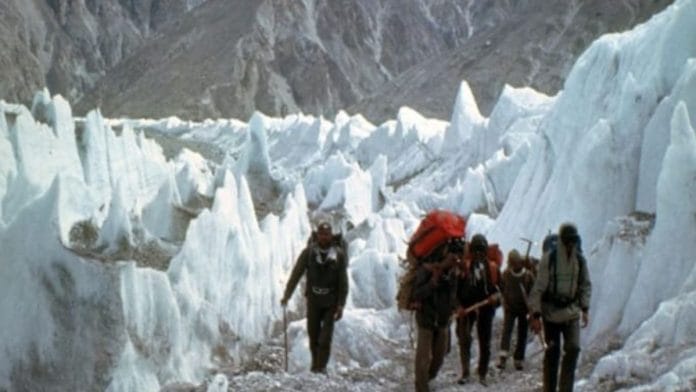


Siachen caught the attention of the Indian military establishment in 1978, when Colonel Narinder Kumar dug out and analysed details of all mountaineering expeditions in its vicinity. Kumar came across reports of expeditions entering the region after securing permits from Pakistan and maps in which the Line of Control was extended from NJ 9842 to the Karakoram Pass, and he presented all these facts before Major General M L Chhibber, the Director Military Operations.
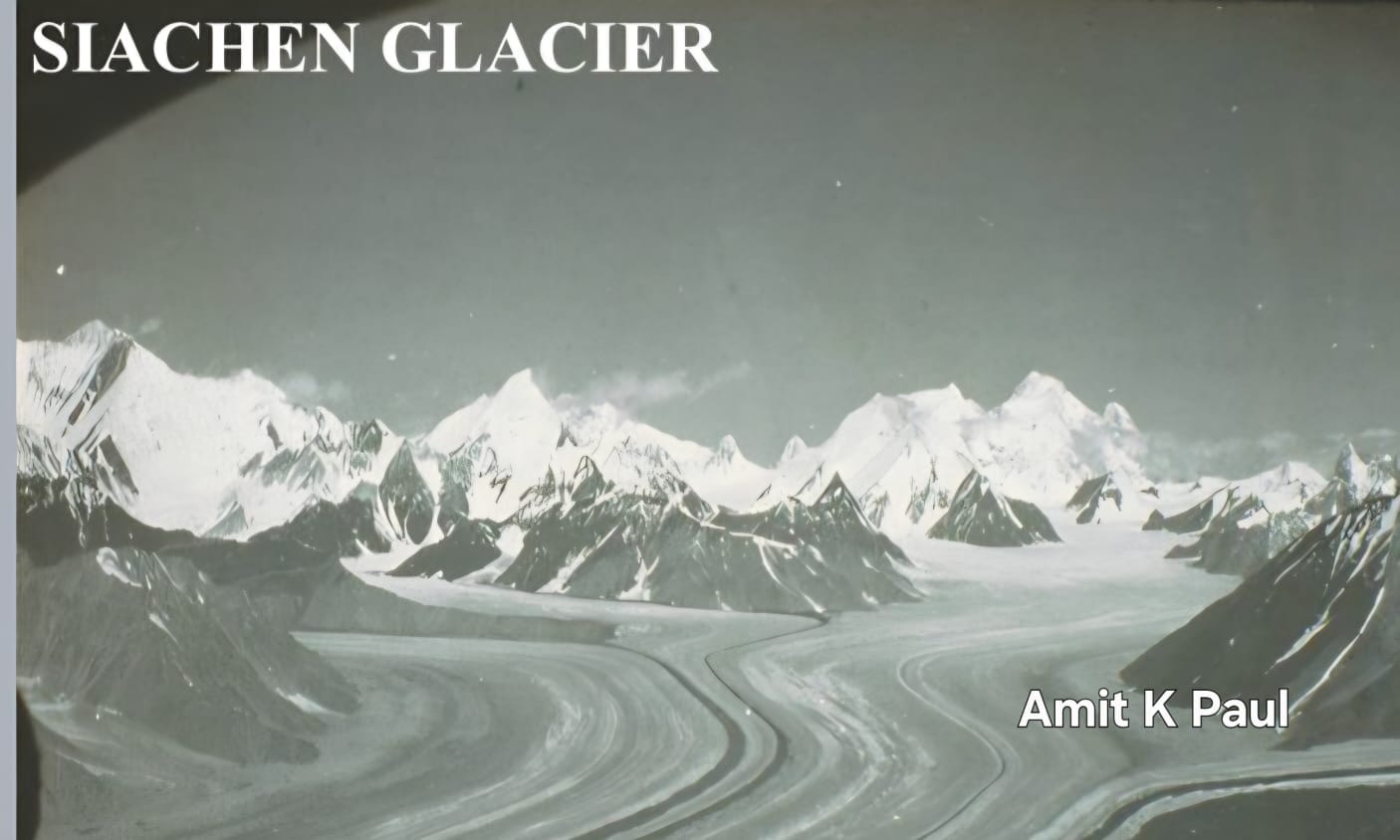
It was apparent that despite the express mandate of the Karachi Ceasefire Agreement (CFA) of 1949, which required maintaining the status quo in the region, Pakistan was proactively encouraging mountaineering expeditions. If Pakistan could do so in an undemarcated and demilitarised region and these expeditions accompanied by its military liaison officers did not violate the CFA or the Simla Agreement, then there was no reason why India could also not do the same. Once this was understood, an Indian reaction was naturally imminent. The DMO approached the Army Chief General TN Raina to convince him to sanction a reconnaissance mission to ascertain the ground position. Since a mountaineering expedition without any official backing would have cost anything between Rs 8-10 lakh, it was decided to designate it as an official Operational Patrol.
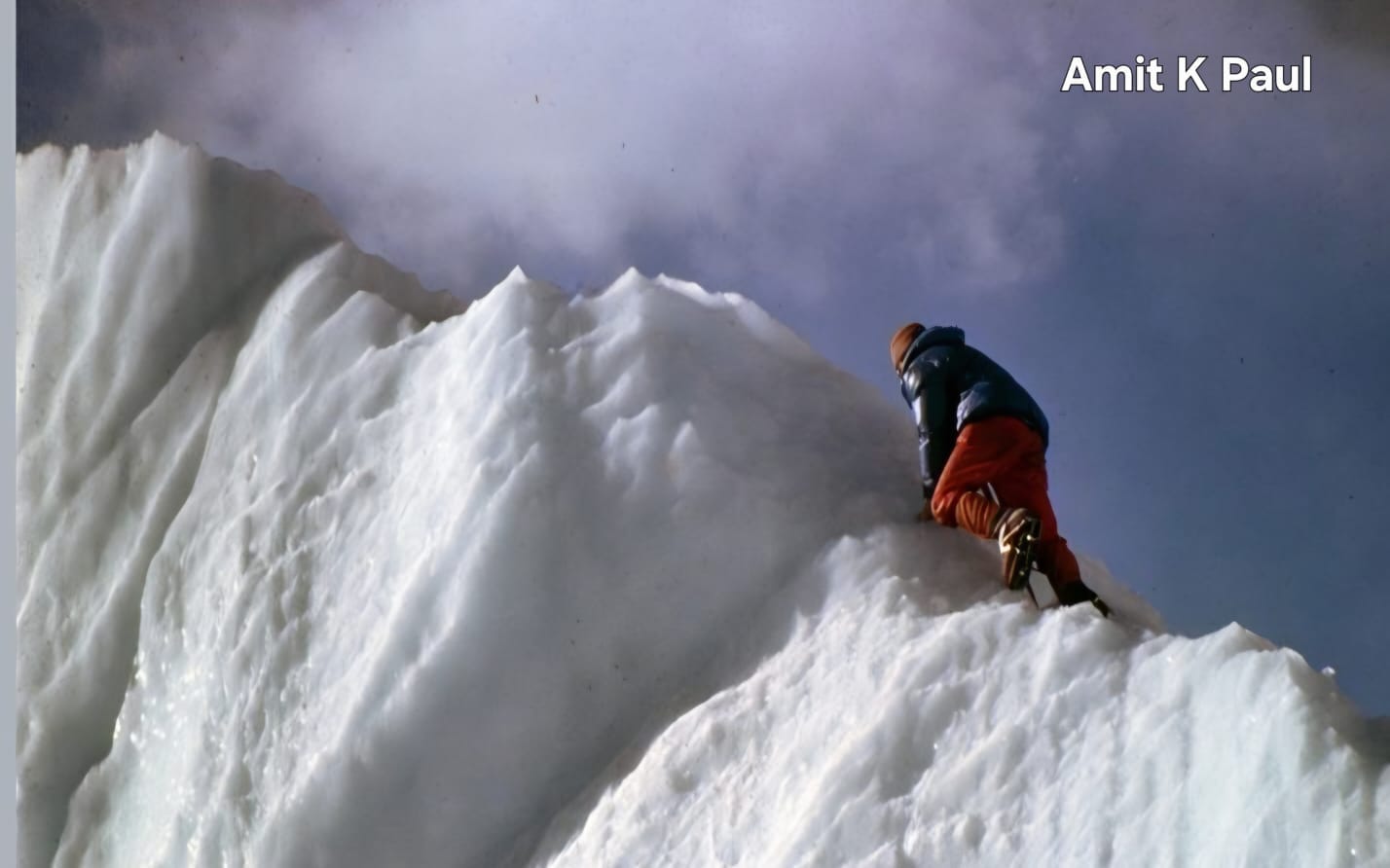
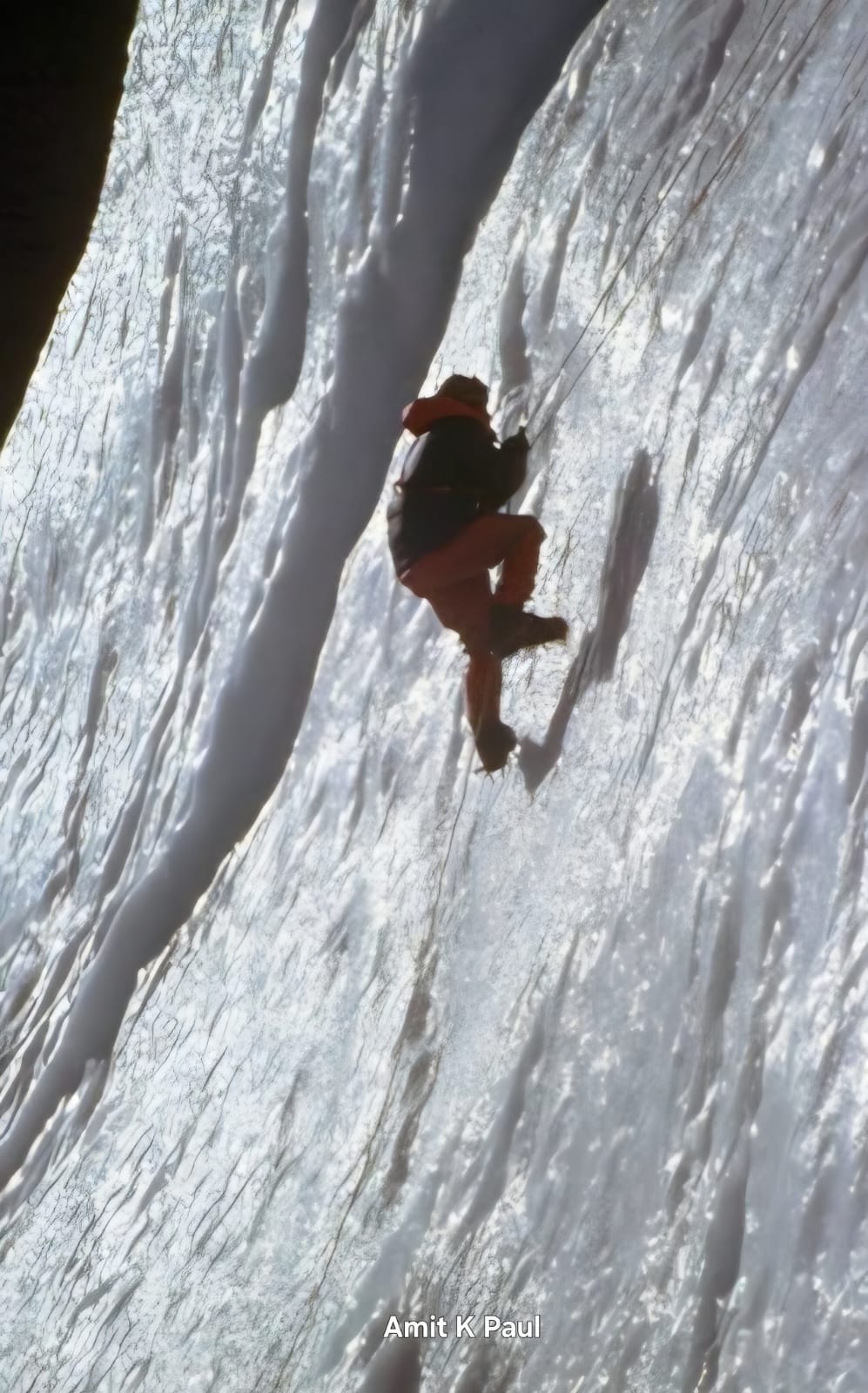
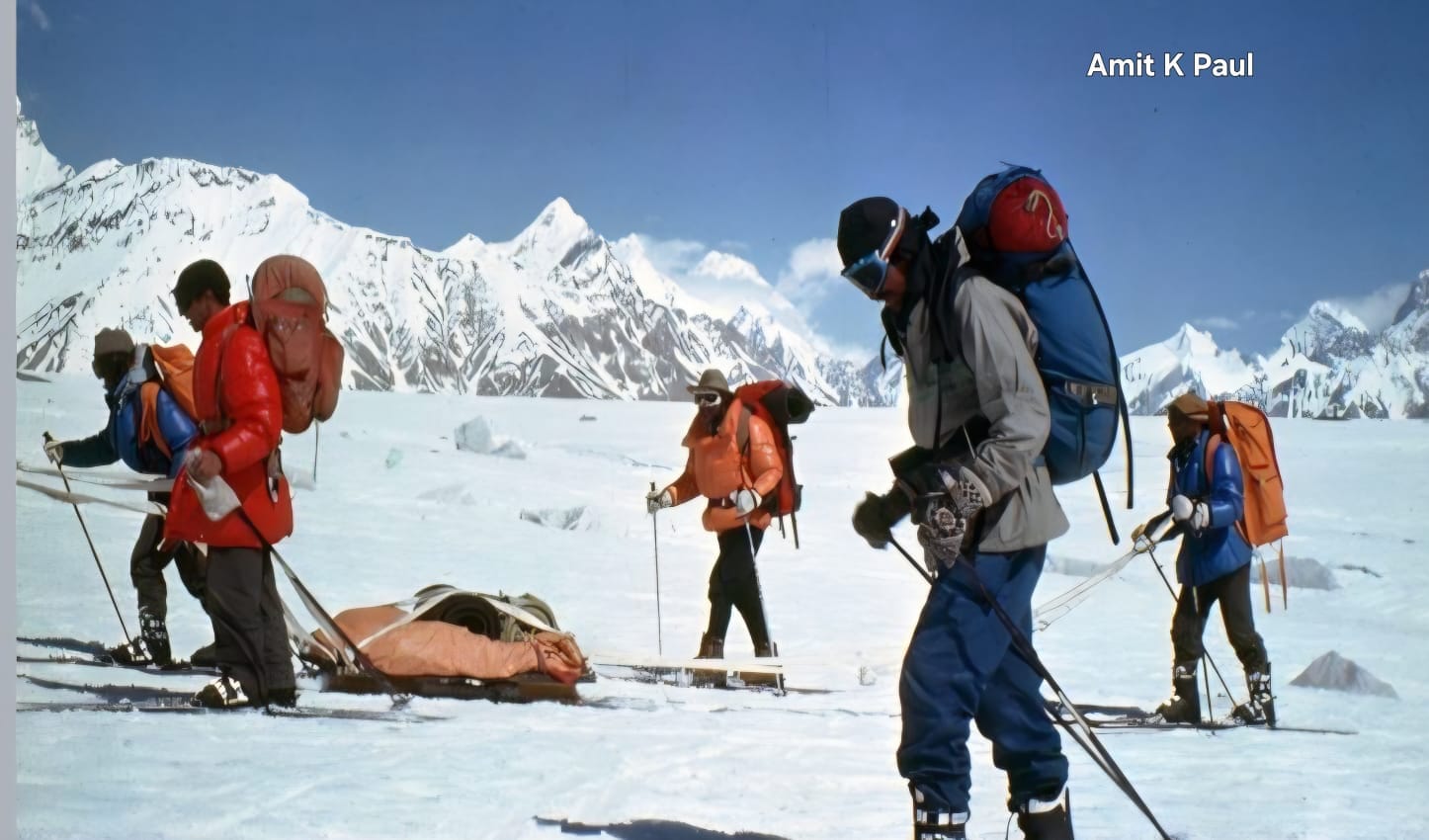
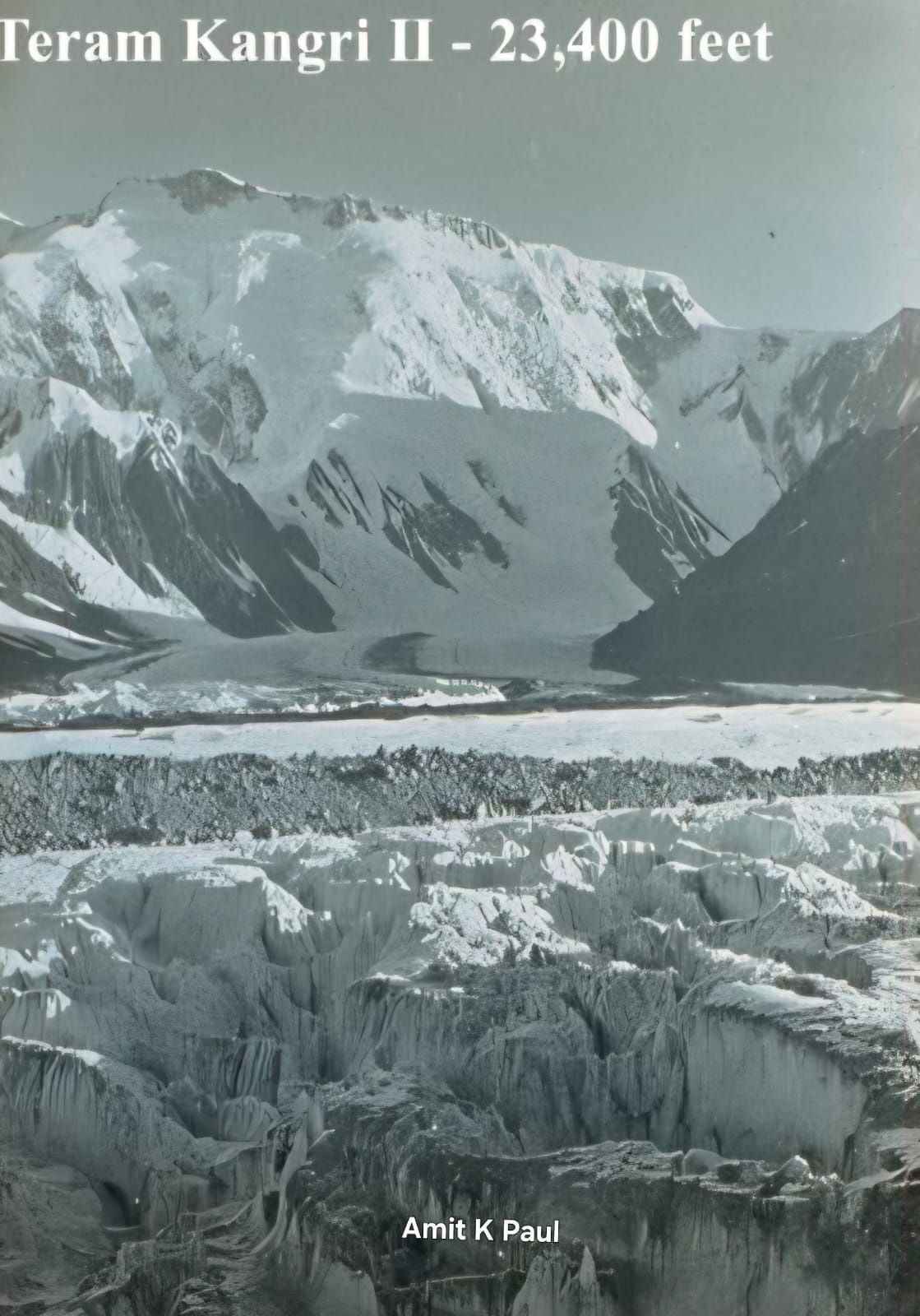
The stage was now set for India’s Teram Kangri Expedition also referred to as OP Chhajao. After an initial reconnaissance in the summer by Major Tsering Stobdan Kalon, a team led by Colonel Kumar and Deputy Leader Kalon reached Khalsar on 2 September 1978. Thereafter they took the Khalsar-Sumur-Tegar-Panamik-Sasoma-Togstead-Warshi route to reach Siachen. At Panamik, they were joined by Captain Rupinder Jit Singh Dhillon, who was commanding a Company of the Ladakh Scouts at Chungtash in Sub Sector North. Dhillon was detailed as the Liaison Officer for OP Chhajao by his Commandant Lieutenant Colonel Sarabjit Singh Grewal, on orders from 3 Infantry Division and Major Tikko, Brigade Major (BM) 26 Sector Headquarters. Dhillon accompanied the expedition to the base of Teram Kangri, sending daily progress on the wireless handset. This expedition lasted nearly three months. They summited the Teram Kangri II on 13 October 1978. “We were overflown by the Pakistani Air Force several times and returned with tell-tale signs of some other expeditions which had visited the region,” recalls Dhillon.
Kumar reported his findings to the DMO around December 1978 and suggested that: (a) In order to counter the cartographic error in various publications, India should extend the LoC in all its maps from NJ 9842 till the Indira Col (West) being the northernmost tip of the Saltoro range lying on the crest of the Karakorams, (b) India should start permitting international mountaineering expeditions in the region to dispel all doubts about Pakistan being the legitimate authority to give permissions for expeditions in the region, (c) India should establish a permanent post on the glacier which could be manned during the summers, (d) he should be permitted to take another expedition to Sia Kangri, Indira Col and Saltoro Kangri.
All these suggestions were examined in depth by the Indian military establishment at the highest levels. It was felt that due to the severe weather, inhospitable conditions and altitude it would be impractical to establish a permanent post on the glacier or the Saltoro ridge. Furthermore, since status quo was required in the region, no foreign expeditions could be permitted. Therefore it was decided to regularly patrol the glacial region during the summer months with wide publicity being given to it.
Also read: The forgotten Lt Col who did the first recce of Siachen. He used his family’s camels
Missions to the top
Accordingly in 1979, a Ladakh Scouts expedition to Siachen and Indira Col was led by Lt. Col. SS Grewal. It included, among others, Captain Rupinder Jit Singh Dhillon, Major Prem Chand and Major PM Singh. While describing this expedition, Dhillon recalls, “We were tasked to go right up to Indira Col and explore the possibility of any threat from that side or the Karakoram Highway and recce a suitable artillery OP site to be able to interdict the highway if possible. Prem went to Indira Col and Turkestan La, while I explored Bilafond La. Thereafter Maj. Gen. Somanna, CO 3Div flew over the region in a chopper and the expedition coiled back.”
Elaborating further Grewal explains, “We apprised 3Div that there was neither a possibility of India being able to interdict KK Highway from Indira Col nor was any threat posed to India from that side. We made it clear that while men could be got across by the other side, heavy equipment, guns, ammunitions and stores did not permit a viable force to be brought to bear and recommended that if required then we should cross the LoC by launching down the Shyok from G Ridge, take Prahnu and seal the area by blocking the ingress to the Saltoro from the Pakistani controlled side.”

Dhillon, perhaps is the only officer who has the unique distinction of having explored the glacier consecutively, three times in three years starting from 1978. “The 1979 expedition was followed by an expedition to Apsarasas I led by Brigadier K N Thadani in 1980. At that time I was posted at 6 PARA but due to my past experience in the region was called back for it. In that expedition, we first set up the base camp at the snout of Siachen. Later we moved up and established the advanced camp at the confluence of Siachen, Teram Shehr and Lolofond. During 1979 and 1980 we did not notice any unusual activity or encounter any other expedition,” remembers Dhillon.

Meanwhile, not having heard back regarding any of his proposals, Kumar decided to move on and resigned from service. Though his resignation had been accepted, during his last six month leave pending retirement, approval came for the Indira Col expedition and Kumar once again saw himself heading towards the glacier in 1981. Around 29 June 1981, he summited Indira Col and undertook a complete recce of the region, climbing Saltoro Kangri I and Sia Kangri (first ascent from the Siachen glacier) and exploring Bilafond La, Turkestan La as well as Sia La before returning in August 1981. This expedition was followed by Operational Patrol IBEX Hunt to Bilafond La and Sia La by Major MS Thapa, Ladakh Scouts (1982) and Operational Patrol Polar Bear I led by Captain Sanjay Kulkarni due to the indisposition of Major Thapa (June 1983).

In 1979, three important expeditions crossed the Saltoro ridge and ventured east from the Pakistani side. These were (a) Japanese Expedition to Teram Kangri III led by S Hanada which came in from the Bilafond La in June, crossed the Siachen with 150 porters and established camp on the Teram Shehr glacier before finally climbing out on 29 July 1979, (b) Japanese Expedition to Sia Kangri led by R Hayashibara. This expedition approached the summit from Conway Saddle and on its return came down the Siachen glacier before moving out from the Bilafond La to Khapalu and (c) Chilean Karakoram expedition to Gasherbrum II-south east of K 2, Teram Kangri II and Siachen. These were followed by Galen Rowell’s ski traverse across Siachen taking the Khapalu-Bilafond La-Lolofond route in 1980 accompanied by Captain Masood Khan of Pakistan as Liaison Officer.

Also read: Operation Meghdoot—How Indian artillery repelled Pakistan at Bilafond La in 1984
Spotting each other
With so much crisscross happening on the glacier, it was not long before visual contact was made by expeditions on the glacier from both sides. To confirm news about the Indian ‘incursions’, Pakistan sent an SSG patrol to the glacier in August 1983. Among others, it reportedly included Brigadier Tariq Mahmud (Commandant SSG), Abdul Qayyum (later Lt. Gen.) and Brigadier Ghulam Muhammad Malik. They established a camp on the glacier by early September. On 21 August 1983, Pakistan sent a protest note to India unilaterally extending the Line of Control (LoC) from NJ 9842 to the Karakoram Pass and claiming the entire region to its west as its own. This caused alarm bells to ring in India.

Therefore, in September 1983, India authorised a Long Range Patrol (LRP) called ‘Polar Bear II’ to ascertain the factual position on the ground. Led by Captain Ravindran, it consisted of a mix of men from the Ladakh Scouts and 4Kumaon and was given the responsibility of assembling a small hut to store supplies and provide protection to the men on patrol from the cold and winds. The necessary components for the shelter were heli-dropped on the glacier and despite the parts being scattered over a large area due to the strong winds, the team managed to make a shelter of sorts on the glacier. As confirmed by General Pervez Musharraf, Lt.Gen. Jahan Dad Khan and in several other accounts, it was this Polar Bear II team trying to assemble a makeshift shelter on the glacier which was spotted by the Pakistani Helicopter/SSG Patrol. There is no report or evidence of the Polar Bear II team engaging with the Pakistani SSG patrol on the glacier. Therefore all contentions to the effect that it had been challenged by the Pakistani patrol and therefore retreated are ill founded. While the Indian Patrol returned back, the SSG team camped on the glacier for about 10 days before it had to be recalled as it was not adequately prepared for the inclement weather. Had this team been adequately provisioned and managed to consolidate its position the story of Siachen would have been different.

When India learnt of Pakistani permits and explorations in the region its reaction was limited to sending in expeditions of its own to show the flag and return to the base. Most Indian Operational Patrols undertook survey, patrol and recce operations before being deinducted from the glacier. That is why even through this cat and mouse game being played on the glacier, things were peaceful with no military intervention, leave alone occupation or territorial claim being envisaged, atleast on the Indian side.

In contrast, Pakistan’s response upon detecting the Indian patrols was entirely different. Not only did it stake claim to the region and ask India to ‘vacate it’, it also started planning to occupy it. In December 1983, a meeting was held in the General Head Quarters (GHQ) Operation Room in Rawalpindi under the Chairmanship of President Zia-ul Haq, Chief of Army Staff (COAS). Among others, it was attended by Force Commander Northern Areas, Maj Gen Pir Dad Khan and Corps Commander X Corps, Lt. Gen Jahan Dad Khan. After listening to the X Corps Plan, the COAS thought that the operation on both sides would be on a limited scale, involving no more than a brigade on the Indian side and a battalion on Pakistan’s side. The COAS had obviously underestimated the quantum of force required by both sides. He had also underestimated the logistic problem of this operation as presented to him by the logistic staff of the GHQ. In this meeting it was decided to incorporate the Pakistan Air Force in this Operation and Major General Pir Dad Khan was given the task of preempting occupation of the passes of the Saltoro ridge by reaching there not before May 1984 as weather conditions before that period would not allow the use of helicopters and the PAF. This decision was to be approved by the Defence Coordination Committee (DCC) attended by the Chairman, Joint Staffs Committee and all service chiefs. So preparatory work was started on the procurement of high altitude equipment and clothing, improvement of roads and tracks, recruitment of porters etc. and all these preparations were to be completed by April 1984.

With intelligence reports indicating Pakistan’s intent of occupying the passes and news coming in of another permit being given by it for a Japanese expedition to Rimo, Pakistan’s belligerence left India with limited choice. It is fortuitous that despite Pakistan’s planning for occupation of the Saltoro passes (in what later came to be known as Operation Ababeel) commencing earlier and despite the fact that its approach to the passes is faster and shorter, India successfully preempted it by establishing control over the Saltoro heights thereby preventing it from altering the status quo in the region to its advantage.

The writer is an independent researcher and author of the book ‘Meghdoot: The Beginning of the Coldest War’. Views are personal.
(Edited by Theres Sudeep)