






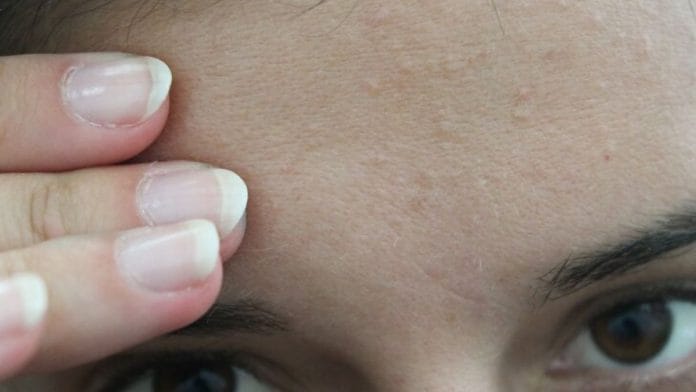

One of the most common concerns I’ve seen in twenty years of practice is stubborn breakouts that refuse to clear despite trying every anti-acne product on the market—salicylic acid, benzoyl peroxide, facials, and even courses of oral antibiotics. What my patients often don’t realise is that their acne may not be “acne” at all. In a significant number of such cases, the real culprit is Malassezia folliculitis, commonly known as fungal acne. This common yet frequently misdiagnosed condition is caused by an overgrowth of Malassezia yeast, a fungus that naturally resides on our skin.
Recognising fungal acne early can save time, money, and emotional distress, leading to clearer skin much faster.
A patient’s story
Last summer, I treated Arjun Kapoor, a 27-year-old fitness trainer and gym owner in Delhi. He came to me after battling what he thought was severe acne for over a year. Despite multiple consultations and prescriptions—including strong oral antibiotics—the small, uniform bumps on his forehead, upper back, and shoulders kept worsening. The itching was particularly intense after workouts and in Delhi’s humid weather.
“I feel embarrassed removing my shirt at the gym,” he confided. On examination, the lesions were classic Malassezia folliculitis: Monomorphic (uniform-sized) itchy papules without the blackheads or deep cysts typical of regular acne. We immediately stopped the unnecessary antibiotics, which were likely fuelling the yeast overgrowth, and started targeted antifungal therapy along with gentle skincare changes and post-workout hygiene protocols.
Within six weeks, the itching vanished, and his skin cleared remarkably. Arjun regained confidence and could focus on his clients without self-consciousness.
Also read: How to protect your skin from brutal summer heat rash
Why fungal acne is often misdiagnosed
Fungal acne closely mimics acne vulgaris which leads to frequent confusion. The bumps are usually small, uniform in size, and appear in clusters on the forehead, jawline, chest, back, and shoulders. Intense itching—especially after sweating —is a key differentiator that is far less common in bacterial acne.
Unlike traditional acne, fungal acne rarely features blackheads or whiteheads. Standard acne treatments can sometimes worsen it by disrupting the skin’s microbial balance, allowing Malassezia yeast to proliferate unchecked. Hot, humid climates like Delhi’s, combined with pollution and sweat, make this condition particularly common in our city.
What causes fungal acne?
Malassezia yeast thrives under specific conditions:
* Excessive sweating and humidity: Warm, moist environments (common after workouts or in tropical weather) promote rapid yeast growth.
* Oily skin: The yeast feeds on sebum, putting those with naturally oily or combination skin at higher risk.
* Prolonged antibiotic use: These medications reduce beneficial bacteria, tilting the balance toward yeast overgrowth.
* Occlusive products: Heavy oils, rich creams, or comedogenic hair products (pomades, oils) can exacerbate the issue, especially when they transfer to the forehead.
* Compromised immunity or stress: These factors can further encourage flare-ups.
Understanding the distinction between fungal acne and regular acne is crucial.
Fungal acne is marked by—
* Small, uniform red or skin-coloured bumps
* Often intensely itchy
* Predominantly on forehead, chest, back, and shoulders
* Worsens with heat, sweat, and humidity
* Poor response to conventional acne treatments
Acne vulgaris is—
* Varied lesion sizes (papules, pustules, cysts)
* Blackheads and whiteheads common
* May be painful but less itchy
* Responds to benzoyl peroxide, retinoids, etc.
Both conditions can coexist, which is why professional evaluation by a dermatologist is essential for accurate diagnosis, often supported by clinical examination or, in doubtful cases, skin scrapings.
Also read: More men want anti-ageing tips now. Start with sunscreen
The role of skincare and lifestyle
Many popular skincare and haircare products can unknowingly feed the problem. Patients prone to fungal acne should opt for lightweight, non-comedogenic, gel-based formulations and fungal-acne-safe products. Avoid heavy oils and ensure thorough cleansing after sweating.
Lifestyle plays a major role in humid environments. Shower immediately after exercise, wear breathable fabrics, change out of sweaty clothes promptly, and maintain good scalp hygiene to prevent yeast transfer.
Treatment differs markedly from regular acne management and focuses on reducing yeast overgrowth.
- Topical antifungals: Ketoconazole shampoo (used as a body wash), creams, or medicated wipes are highly effective for mild cases.
- Oral antifungals: For moderate to severe or recurrent cases, short courses of medications like fluconazole or itraconazole under supervision yield excellent results.
- Gentle skincare: Mild cleansers, lightweight moisturisers, and sunscreen (non-greasy formulas) help restore balance without feeding the yeast.
- Address underlying factors: Treat associated conditions like seborrheic dermatitis or manage sweat effectively.
Most patients see significant improvement within four to eight weeks when the right approach is followed.
Fungal acne is one of the most misdiagnosed conditions in dermatology. Because it so closely resembles ordinary acne, many people endure prolonged frustration with the wrong treatments. The tell-tale signs—uniform itchy bumps, location on upper body, worsening with sweat, and resistance to standard acne therapy—should prompt a visit to a dermatologist.
With targeted antifungal care, appropriate skincare, and simple lifestyle adjustments, clear and healthy skin is absolutely achievable.
Dr Deepali Bhardwaj is a Consultant Dermatologist, Max Hospital, Saket. She is also an anti-allergy specialist, laser surgeon and internationally trained aesthetician. She tweets @dermatdoc. Views are personal.
(Edited by Theres Sudeep)