







“I don’t understand what’s happening, doctor,” said a 38-year-old patient as she settled into my clinic. “I never step out without sunscreen. I use retinol, vitamin C and expensive moisturisers, yet my skin looks dull, I’ve started getting fine lines, and my hair is shedding.”
As we spoke, one detail stood out. Her breakfast was a sugary latte and a muffin. Lunch was often skipped because she was taking a GLP-1 medication for weight loss. Dinner usually came from a food delivery app — pizza, burgers or fried chicken. She was doing almost everything right for her skin on the outside, but unknowingly accelerating ageing from the inside.
After practicing dermatology for over 15 years, I’ve learned that the skin is an honest mirror of our internal health. We often blame pollution, stress or the sun for premature ageing — and rightly so, because ultraviolet radiation remains the single biggest external cause of skin ageing. But increasingly, I find myself discussing another culprit with my patients: their diet.
The foods we eat every day can either protect our collagen or quietly destroy it.
Sugar: The silent saboteur of collagen
One of the least understood processes in skin ageing is glycation.
When we consume excess sugar or rapidly absorbed refined carbohydrates, glucose molecules attach themselves to proteins such as collagen and elastin. This forms harmful compounds called advanced glycation end products (AGEs).
Collagen is the scaffold that gives youthful skin its firmness, elasticity, and resilience. Glycation makes these collagen fibres stiff, brittle, and far less functional. Imagine replacing a fresh elastic band with one that has become dry and cracked — that is essentially what happens to glycated collagen.
Unlike normal wear and tear, damaged collagen caused by glycation is difficult for the body to repair. The result is exactly what many patients begin to notice in their 30s and 40s: wrinkles appearing earlier than expected, sagging skin, uneven texture, and slower healing after procedures.
The irony is striking. Many people spend thousands on collagen supplements, serums, and anti-ageing treatments while unknowingly damaging their own collagen with every sugar-laden snack or sweetened beverage.
How you cook matters too
Many assume AGEs come only from desserts. They don’t.
These compounds are also produced when food is cooked at very high temperatures, especially by frying, grilling, roasting or charring. Deep-fried snacks, processed meats, barbecued foods, burnt toast, and crispy fast food contain significantly higher levels of dietary AGEs than foods prepared by steaming, boiling or pressure cooking.
This doesn’t mean you should never enjoy grilled food again. It simply reminds us that our overall eating pattern matters far more than an occasional indulgence.
Ultra-processed foods: Fuel for inflammation
Over the last decade, the Indian diet has changed dramatically. Packaged snacks, sugary beverages, instant noodles, processed meats, frozen meals, and highly refined bakery products have shifted from occasional treats to everyday staples.
These ultra-processed foods are typically rich in refined carbohydrates, unhealthy fats, excess salt, and additives while being poor in fibre, vitamins, minerals, and antioxidants.
For the skin, this creates the perfect environment for chronic low-grade inflammation — sometimes referred to as “inflammaging”. This persistent inflammation accelerates collagen breakdown and may worsen acne, rosacea, pigmentation, and even certain forms of hair loss.
Inflammation doesn’t always appear dramatically. Often it quietly shows up as tired-looking skin, delayed healing after cosmetic procedures or a complexion that simply loses its natural glow.
The GLP-1 revolution
Another discussion that has become increasingly common in my clinic revolves around GLP-1 medications, such as semaglutide and tirzepatide.
These medicines have transformed the treatment of obesity and diabetes and, for appropriately selected patients, can be life-changing. Better metabolic health ultimately benefits the skin too.
However, rapid weight loss also presents new dermatological challenges. Patients frequently notice facial volume loss, increased skin laxity, dry skin or temporary hair shedding. Social media has popularised terms such as “Ozempic face”, but the explanation is often less dramatic than the headlines suggest.
In many cases, the issue isn’t the medication itself — it’s inadequate nutrition.
Reduced appetite may lead to insufficient protein intake and deficiencies of iron, zinc, vitamin B12, folate, vitamin D. and essential fatty acids. All of these nutrients are vital for maintaining healthy skin, hair, and nails.
As dermatologists, we increasingly work alongside physicians and nutritionists to ensure patients lose weight without compromising skin health. Weight loss should improve health — not come at the cost of it.
Your skin is built one meal at a time
There is no single “superfood” that erases wrinkles.
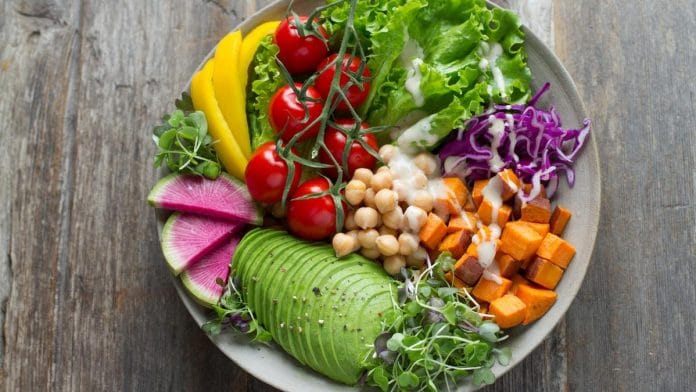
Healthy skin is the cumulative result of consistent dietary choices. A colourful plate filled with fruits and vegetables provides antioxidants that help combat oxidative stress. Vitamin C supports collagen production. Nuts and seeds provide healthy fats and vitamin E, while fatty fish contribute omega-3 fatty acids that strengthen the skin barrier. Fermented foods may also support the gut microbiome, which, emerging research suggests, plays a role in inflammatory skin disorders.
Equally important is adequate protein. Collagen cannot be built without amino acids. During intentional weight loss, prioritising protein becomes essential for preserving both muscle mass and skin quality.
Also read: More is not better in skin care. Protect your skin barrier
What I tell my patients
After treating thousands of patients, my advice has become surprisingly simple.
Wear sunscreen every day. Don’t smoke. Sleep well. Exercise regularly. Eat adequate protein. Limit — not necessarily eliminate — added sugars. Choose whole foods over ultra-processed ones most of the time. Cook more meals at home. Stay well hydrated. And if you’re taking GLP-1 medications, don’t focus only on the number on the weighing scale; focus equally on nourishing your body.
There is no cream, serum or procedure that can completely compensate for a diet that consistently damages collagen.
The best skincare routine begins long before you open your bathroom cabinet. It begins in your kitchen.
As dermatologists, we often say that skin never lies. Long before blood tests become abnormal, your skin may already be revealing the consequences of what you’ve been feeding your body.
Perhaps it’s time we paid as much attention to what’s on our plate as we do to what we put on our face.
Dr Deepali Bhardwaj is a Consultant Dermatologist, Max Hospital, Saket. She is also an anti-allergy specialist, laser surgeon and internationally trained aesthetician. She tweets @dermatdoc. Views are personal.
(Edited by Aamaan Alam Khan)