





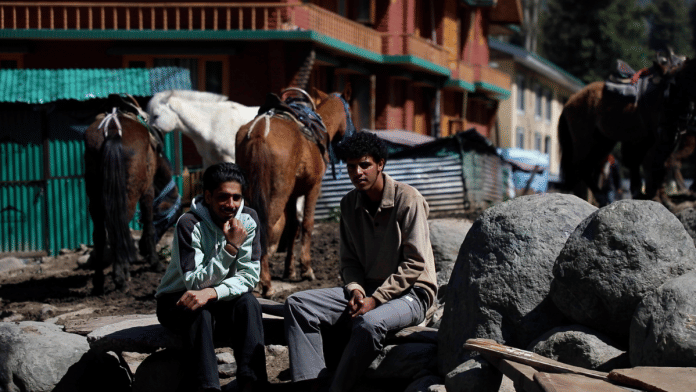


Pahalgam: It’s afternoon on a bright summer day in Pahalgam, and a bunch of young men – ponywallahs all – are sitting idly near the main pony stand of the town. The drooped shoulders, vacant stares and complete lack of enthusiasm have replaced the usually buzzing atmosphere of this place.
This bunch awaits tourists at this launchpad for starting pony rides to at least a dozen sightseeing locations in and around town, including the Baisaran meadows, commonly called the ‘mini Switzerland of India’.
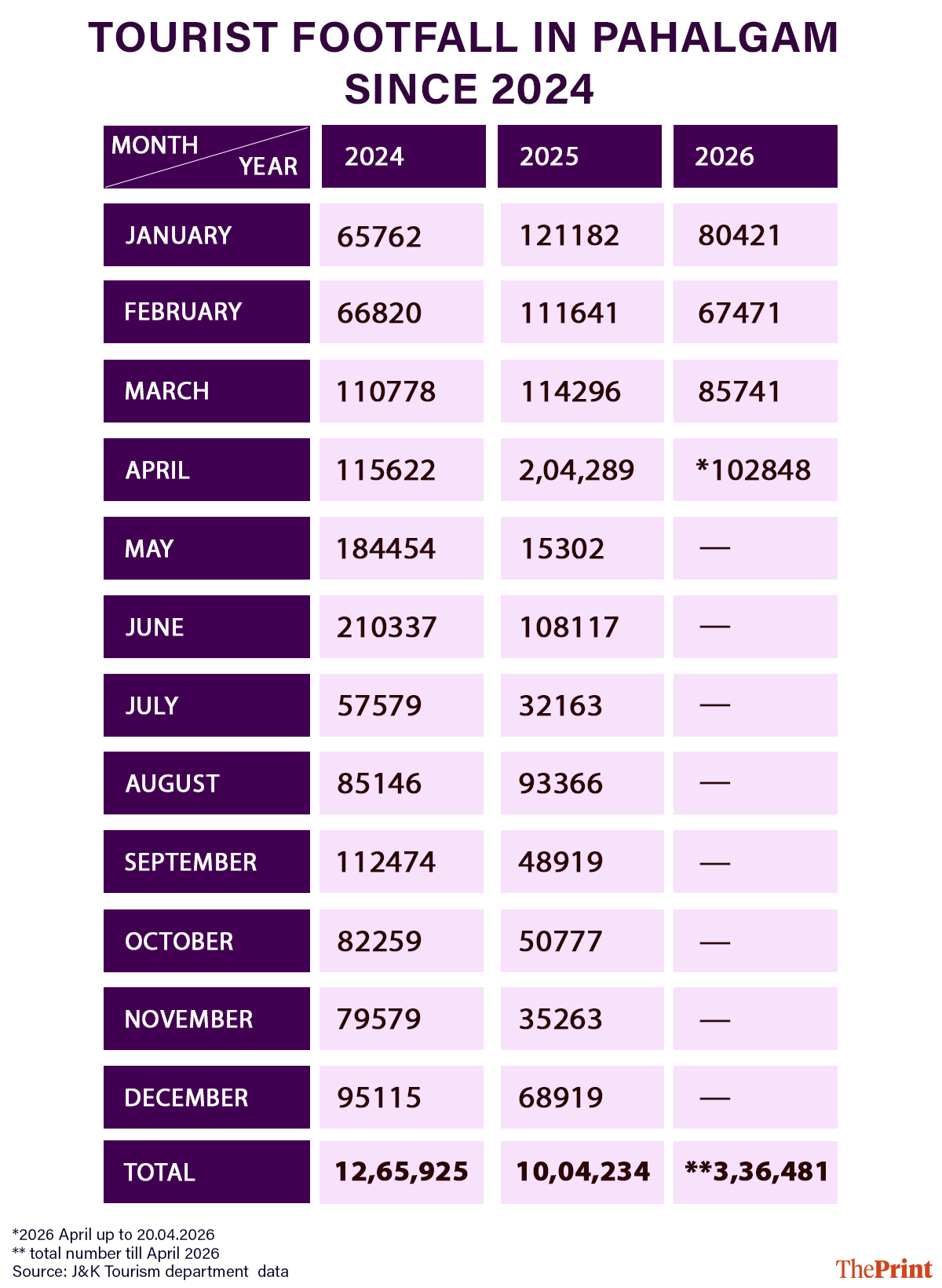
It’s not as if tourist inflow has dried up completely; they do continue to troop in, but not at the scale before the attack. Compared to 2,04,289 tourists, including local tourists, who reached the town in April last year, the footfall so far this month has barely crossed the 1 lakh mark.
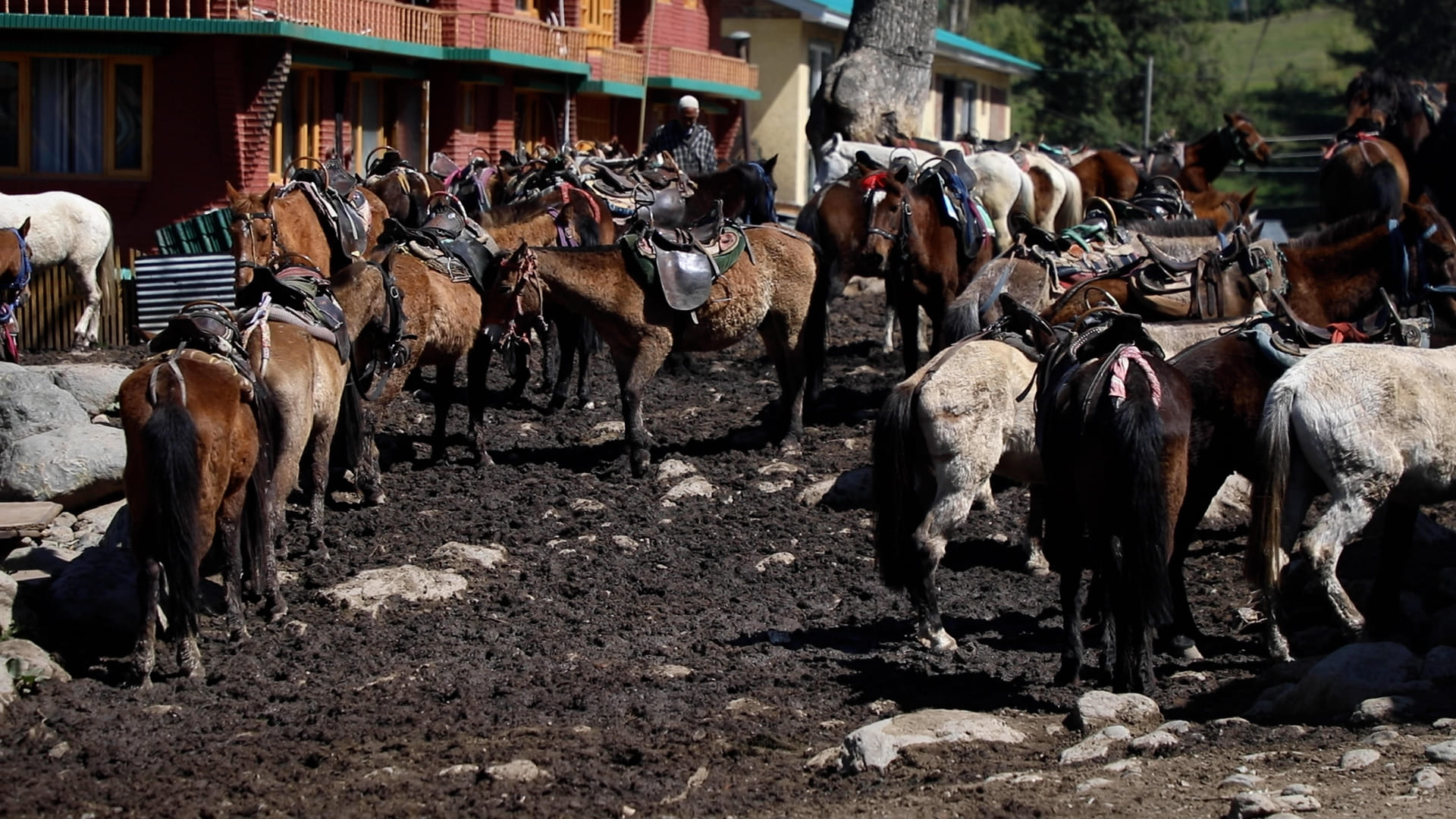
Sources in the tourism department said that the number of tourists coming to Pahalgam is expected to rise over the next few weeks.
Historically, April to June is the busiest season in Pahalgam, but even the summer vacations across the country have not boosted prospects so far this year.
“Tourism has gone to the drain here, and there are only a few places still open where we can take them to,” one ponywallah explained why he was looking so dejected.
Exactly a year ago, at about the same time in the afternoon, at least three terrorists had opened fire from close range at tourists at Baisaran, leaving 25 of them dead. A local ponywallah had also died during the attack.
From the number of ponies in town, it’s quite obvious they are a key part of the town’s overall economy. What they don’t have is a matching number of tourists, a figure they say has plummeted in the last year.
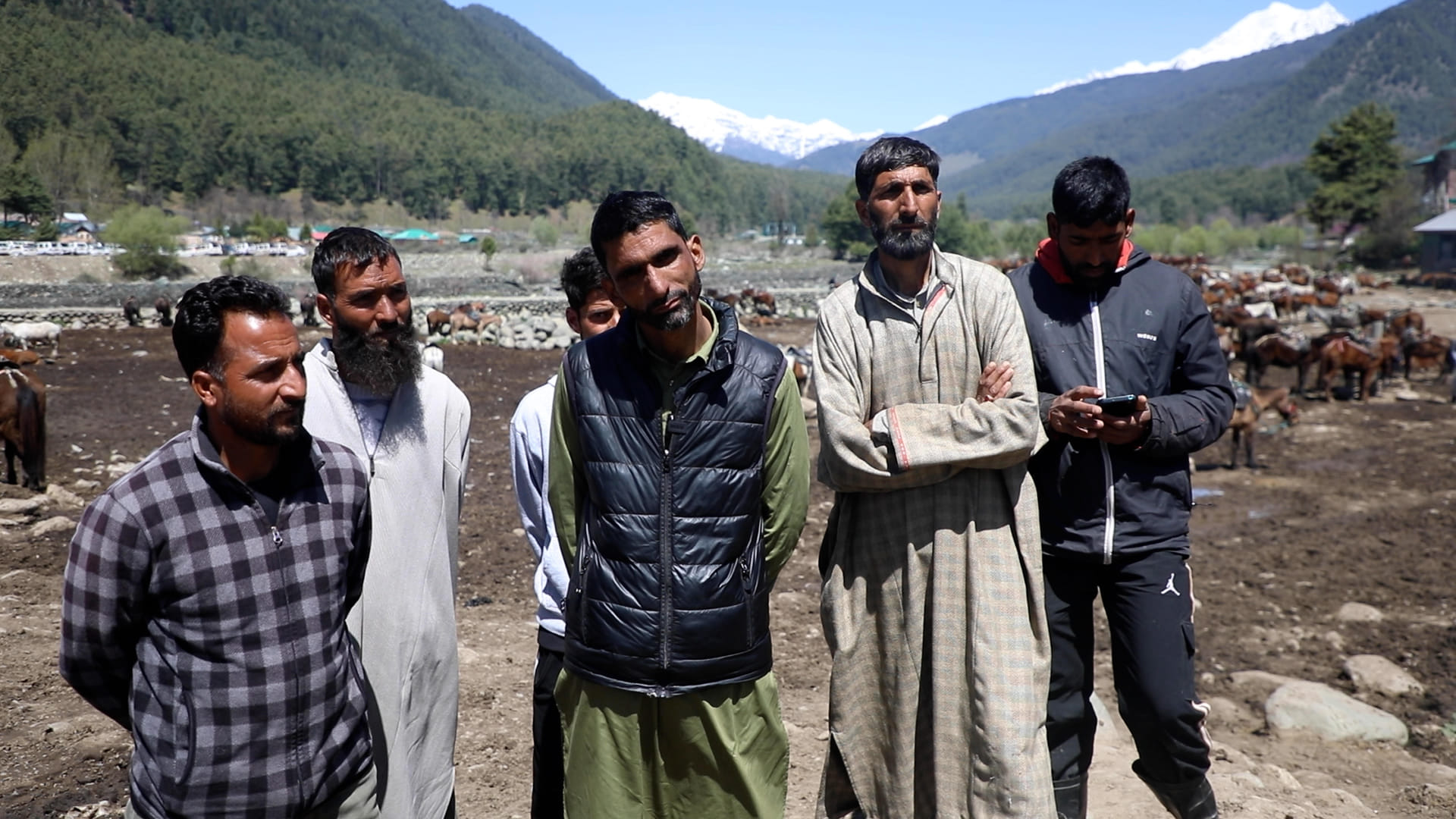
For the longest time, Pahalgam was considered an outlier town in the strife-torn Kashmir Valley, with streets and markets bustling with tourists, including international ones, and business communities reaping the rewards of booming local tourism. Last year, it all came to nought with the realisation that security must take precedence because Pahalgam is not beyond the reach of Pakistan-sponsored terrorism.
A dream undone
It had dawned clear and sunny on 22 April last year after two days of rain that left hordes of tourists stranded in town. According to the estimates of the local ponywallahs, there were more than a thousand tourists in Pahalgam that fateful day; all seemed fine.
Around 2 pm that day, a couple of ponywallahs descended from the Baisaran meadows with an emergency message to the handful of security personnel present in the town. The trekking route to Baisaran begins and ends adjacent to the CRPF camp in the town, and the information was relayed without delay. “They told us that there was an incident of firing up on the hill. There was confusion at the beginning, but even the first piece of information was sketchy and unclear,” said a source in the security establishment.
A team of around two dozen personnel from the Valley Quick Action Team (QAT), deployed with the local battalion of the Central Reserve Police Force, responded quickly to the situation, but the track was not straightforward. Meanwhile, the president of the local ponywallah association, Abdul Waheed Wani, received a call from a local policeman, asking him what had happened at the meadows.
“I was at a nearby village and rushed with one of my friends, who is also a member of the ponywallah association, from a shortcut route and reached the meadows,” Wani told ThePrint at the taxi stand in Pahalgam town.
When Wani and his colleague arrived at the scene, what they saw was right out of a nightmare. “Neither had I seen such scenes before nor heard about such a moment. This town and the locations here have been like scenes from heaven. It was horrifying,” Wani said.
While forces also reached around half-an-hour after the attack, the rescue was not a straightforward task.
“The tourists had all panicked and run in all possible directions. The trekking track was all muddy and had been ploughed into a morass by the ponies. Their rescue was a big task, and we had to do it before evening,” a source said, adding that recovery of bodies horribly mangled by pointblank shots was a monumental challenge too.
At the time of the attack, there were around 300 tourists in the meadows, according to official estimates compiled from the ponywallahs and the tourism department. By 6 pm, all tourists as well as the bodies of victims had been recovered from the meadows.
‘Kashmir is burning, Pahalgam is flourishing’
Surrounded by Himalayan mountain ranges, Pahalgam has always been touted as an outlier, the “safest” and most scenic tourist destination in the Kashmir Valley.
Such was Pahalgam’s popularity, officials in the tourism department said, that hotels in the town were sold out from late April to June. The refund amount to tourists who cancelled their trips after the terror attack exceeded Rs 20 lakh, they recalled.
“In other tourist destinations there are some places that attract tourists, but Pahalgam as a whole is more beautiful and calmer than all tourist destinations,” a couple from Delhi said a moment after concluding their nearly 90-minute-long pony ride. While the couple claimed a lack of time before departing in a cab rented from Srinagar, the ponywallah explained that their ride was limited to four locations, mostly in the town, largely for the riding experience.
During his trip to Pahalgam in the immediate aftermath of the terrorist attack, Union Home Minister Amit Shah had ordered the complete closure of sites not covered by security forces. Baisaran had to be one of them, and the administration closed it to tourists afterwards, a practice that continues even now, limiting the scope of tourism for both locals and tourists.
Before the attack, these tourist destinations, devoid of permanent deployment of forces, had come under the scrutiny of the CRPF and the security agencies for the unregulated movement of people. “There were communications from Pahalgam about a need to regulate the operations of all these tourist destinations, considering their remote locations and difficult terrains to respond in case of exigencies,” a source in the security establishment said.
However, none of those materialised, as they would have affected the town’s overall economy. “Pahalgam was an outlier in an otherwise Kashmir valley marred with conflicts. There was a narrative that Kashmir jal raha hai, par Pahalgam chal raha hai (Kashmir is burning, but Pahalgam is buzzing), and it was true to a great extent till 22 April last year,” another official in the security establishment told ThePrint.
According to officials in Pahalgam, the tourist locations here are broadly classified into two categories: those well connected by road and accessible by cabs, and those with trekking trails, accessible only on foot or by pony.
There are three prominent locations near Pahalgam, such as Aaru Valley, Betab Valley and Chandanwari, accessible by cabs. However, only Betab Valley, named after the Bollywood hit Betaab starring Sunny Deol and Amrita Singh, and Aaru Valley are open to tourists at full capacity.
Chandanwari has not been open since its closure last year, officials said.
‘It is better to err on the side of caution than on the side of relaxation,’ security official on some tourism sites closed in Pahalgam.
They said that only 10 of the 19 tourism sites are open in Pahalgam and those have been opened at different times in the last six months based on assessment.
“All of the tourism sites, especially the ones not covered with the road connectivity can’t be opened en masse. More so as we know that tourists have also come under attack from terrorists, in departure from earlier practice when tourists were not targeted,” an official in the security establishment told ThePrint.
“It’s better to err on the side of caution than on the side of relaxation,” the officer said.
But that has left ponywallahs like 32-year-old Umar Bashir Wani struggling to make enough to take home and pay his pony riders.
“Earlier, we used to have two rounds per pony and used to earn Rs 1,200 per round. Now it has been reduced to Rs 500-Rs 700 as the number of tourists has dried up, and with the closure of all sightseeing locations, tourists are not coming to Pahalgam,” he told ThePrint outside the biggest pony stand right at the entry of the town.
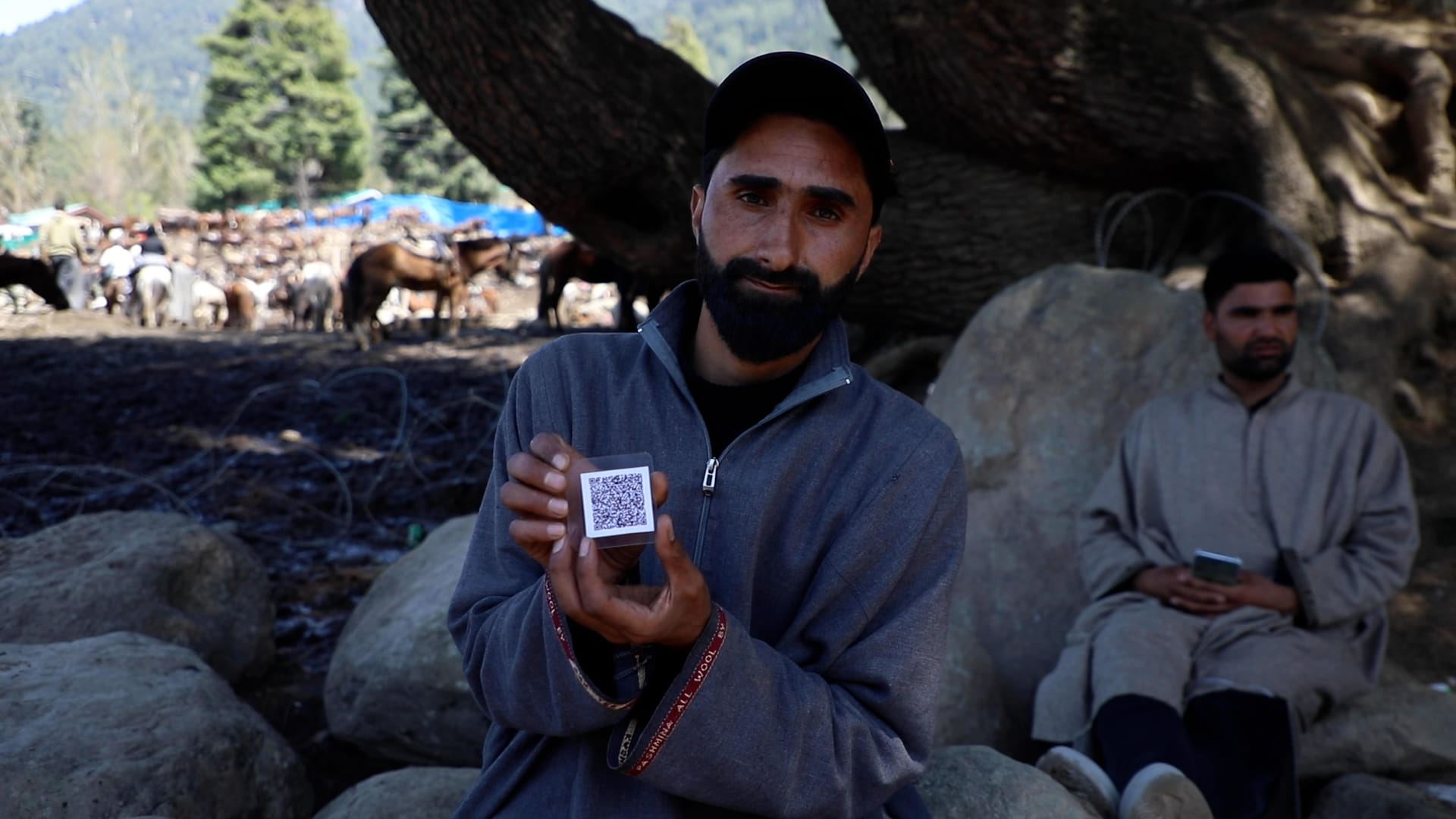
In the wake of the Pahalgam terror attack, the Jammu and Kashmir Police have also stepped up security and scrutiny of all stakeholders in Pahalgam, introducing a QR-code unique to every ponywallah. Every ponywallah thus has all key details, such as phone number, address and Aadhar number with the QR code printed on a card; a move that has found widespread local support.
‘We used to have 2 rounds per pony & make Rs 1,200 per round. Now, it has been reduced to Rs 500-700 as number of tourists has dried up,’ local ponywallahs Umar Bashir Wani.
“This is a good move by the administration to bring in verified cards. It gives tourists the option to verify and get assurances that the person they are going with is a genuine individual with good and verified character,” Umar said.
For the association president, though, the terror attack has dealt a fatal blow to the lives of the local community. “Earlier, the pony was a source of transportation to the inaccessible sites where tourists wanted to go. Ponies are now a tool of entertainment and a fun ride for tourists who pay some money to take a round of the town,” the association president said.
‘Would’ve loved to visit Baisaran’
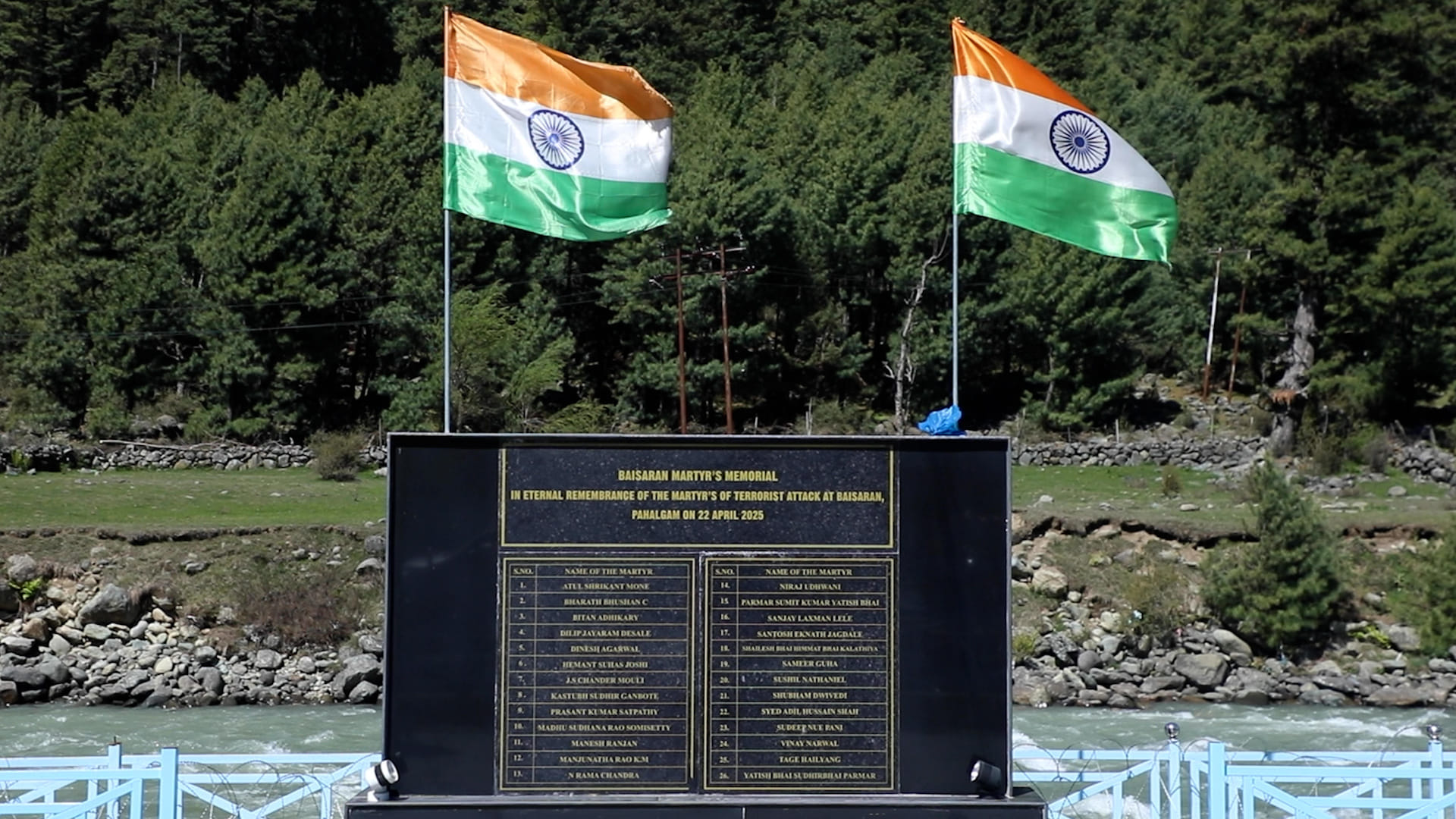
Right at the entrance to Pahalgam, a memorial awaits tourists. Made in black granite with a pair of tricolours fluttering atop, the structure bears names of the 26 people who were gunned down by terrorists this day last year. It serves as a dark reminder of reality in contrast to the excitement and enthusiasm of tourists.
Not all are burdened by the trauma and fear of the attack though. A group of nearly 30 people, mostly senior citizens from Nagpur, has descended on the memorial, with a crowd of media and security personnel scanning a few metres around to detect any explosives.
“Someone had to make a start, and people of the country have to make a point that we are not afraid of the terrorists and their actions,” Dr Murli Dhar Lambat told ThePrint at the Pahalgam entrance point. His daughter, Namisha Lambat, who runs an IT firm in Nagpur, said that the group of 30, including her, had some scepticism about coming to Pahalgam to begin with, but they took a call.
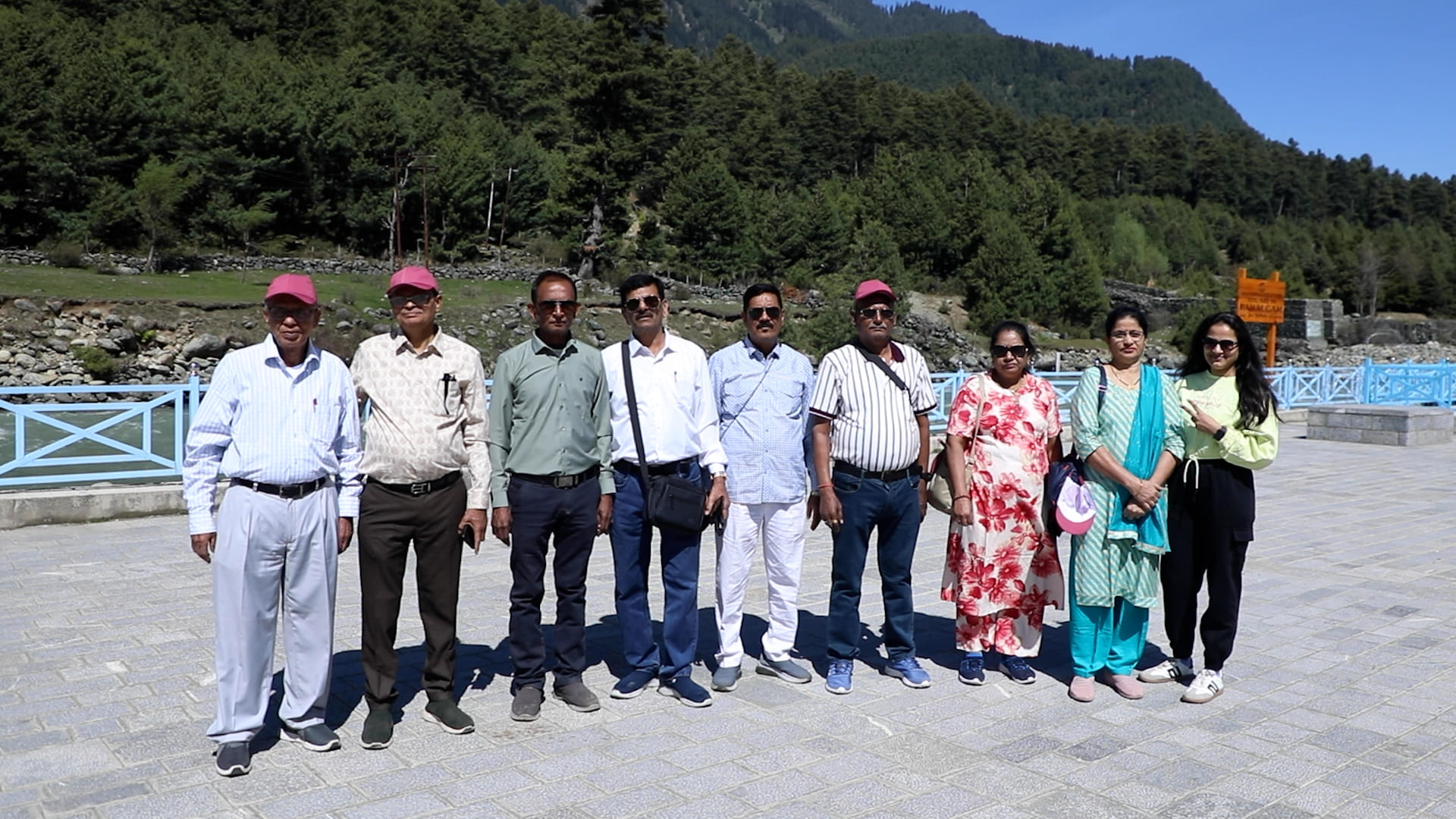
“People will need time to move on, to be honest, because what happened was unforgettable but they will start things all over again,” Namisha said, exuding confidence and no apparent signs of discomfort from the recent history of the place. “We’ll first visit sites in Pahalgam and then head to Gulmarg and Sonmarg, and maybe also to Vaishno Devi,” she said. “If Baisaran were open, we would have visited the site,” her father added with confidence.
‘Someone had to make a start & people of the country have to make a point that we aren’t afraid of terrorists,’ Dr Murli Dhar Lambat, tourist from Nagpur.
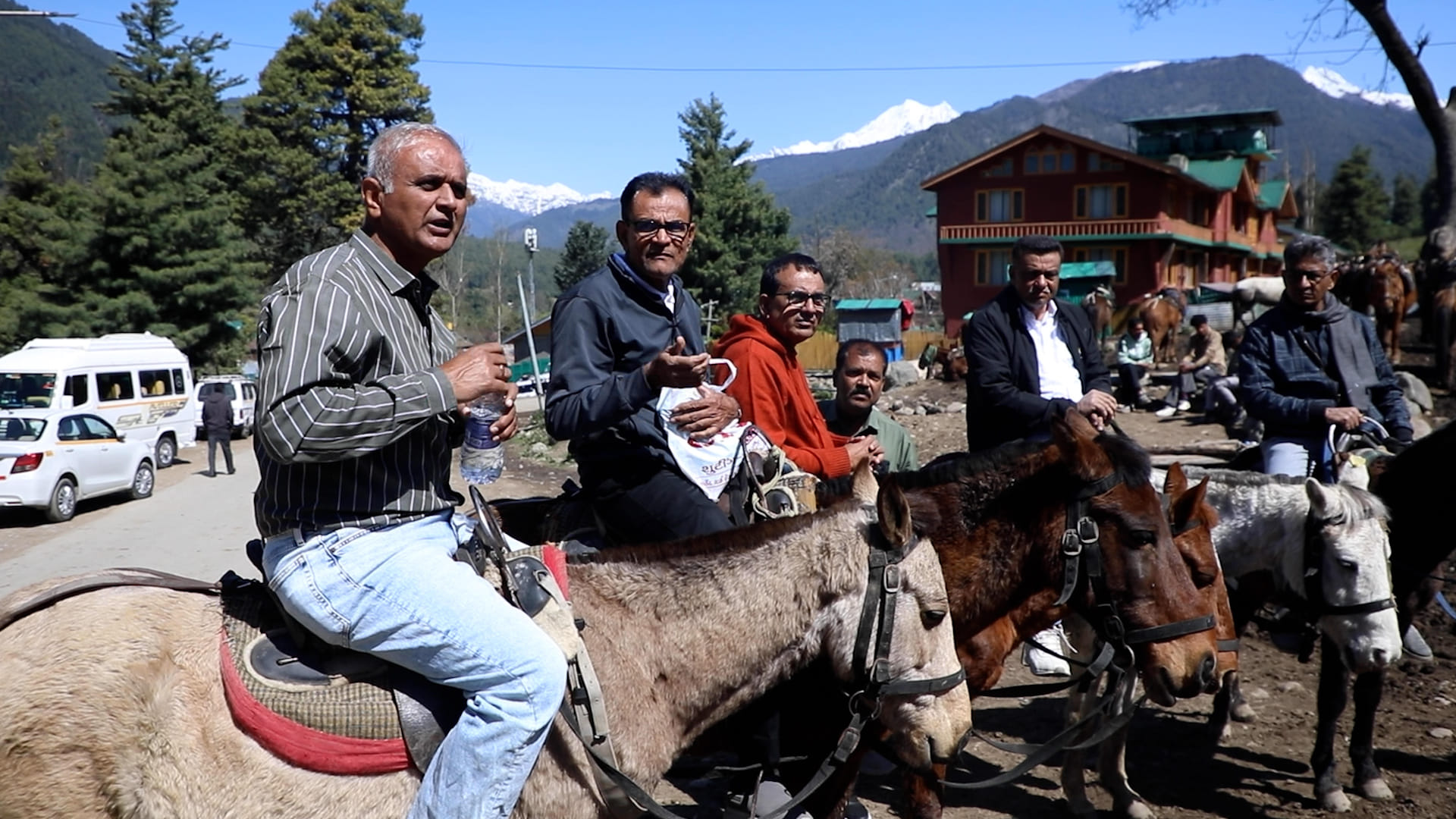
Sachin Dongre has already been to Gulmarg and Sonmarg before landing in Pahalgam on a solo trip, leaving his wife and child back home. Sitting atop a pony and making a tour across the town, Dongre said that he had timed his Kashmir trip with the purpose of showing the world that things are safe in Pahalgam. “I wanted to come here around this time, marking one year of the terror attack to show that things have improved here,” Dongre said confidently. He is all for the opening of closed tourist sites.
Dongre invokes Mumbai 26/11 attack of November 2008 when terrorists aligned with the Pakistan-based Lashkar-e-Taiba (LeT) attacked several key sites in the city, including the famous Taj hotel overlooking the Arabian Sea. “Even the Taj Hotel was attacked by terrorists, but was it closed permanently afterwards? It was opened after some time. The tourism sites in Pahalgam should also open. How will the local people survive here without tourism?” he said.
On the other hand, security officials highlighted the challenges of reopening all the closed tourist spots, adding that these places are already flagged as inaccessible and difficult to reach in case of emergencies. “The condition and sentiments of local business communities used to take precedence in decision-making in the past, sometimes sidelining the highlighted concerns around the security situation at these sites,” a source in the security establishment told ThePrint.
Now that the terror attack has more or less confirmed apprehensions about the vulnerabilities of these sites, officials said security parameters have taken precedence over all others.
At the moment, the entire stretch, starting from the CRPF base camp, has been closed to all, and the town has security personnel at every corner, as well as constant patrolling and monitoring.
‘If Baisaran were open, we would have visited the site,’ Namisha Lambat, a tourist from Nagpur.
A bunch of eight schoolmates from Gujarat in the 1980s have not let the security apparatus and last year’s terror attack come in their way to experience their maiden Kashmir trip. “We had some apprehensions about coming to Pahalgam, but looking at the security situation here, we are not at all afraid, and I am delighted to have come here,” said R.N. Choudhary, a secretary in the Agricultural Produce Market Committee in Gujarat’s Mehsana.
The group had no doubt that Baisaran would be first on their list if it were open now. “It would have been an even greater experience if Baisaran had been opened,” Rahmatullah Khan, a Gujarat policeman on vacation said.
(Edited by Nardeep Singh Dahiya)
Also Read: ‘Why go to Switzerland when we have our own’—Pahalgam victim’s words ring in Bengaluru family’s ears