





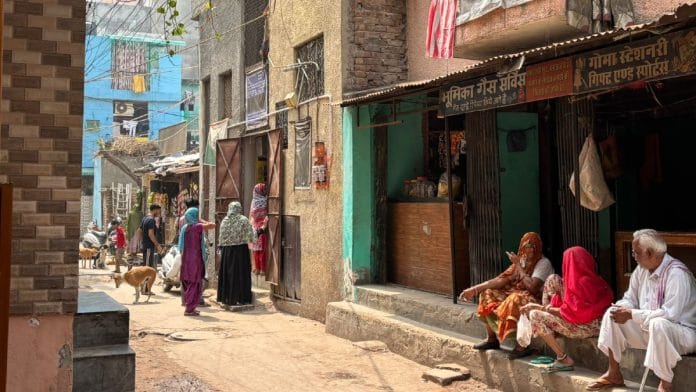



New Delhi: As Eid approaches, the air in Uttam Nagar’s JJ Colony is thick with apprehension. The threats have been loud and clear. Hindutva groups have called for “Khoon Ki Holi” on Eid—retaliation against the killing of 26-year-old Tarun Kumar Butolia.
Tarun was attacked with cricket bats, iron rods, and stones after a dispute between a Hindu and a Muslim family in the area escalated during Holi celebrations on 4 March.
Two weeks later, with threats of violence flowing through the streets, the JJ Colony is uncharacteristically quiet. Talk is limited to whispers among residents, many of whom sit huddled together, watching reels on social media amid the stench of open drains and shuttered meat shops. The narrow lanes are broken, cluttered with hanging power cables.
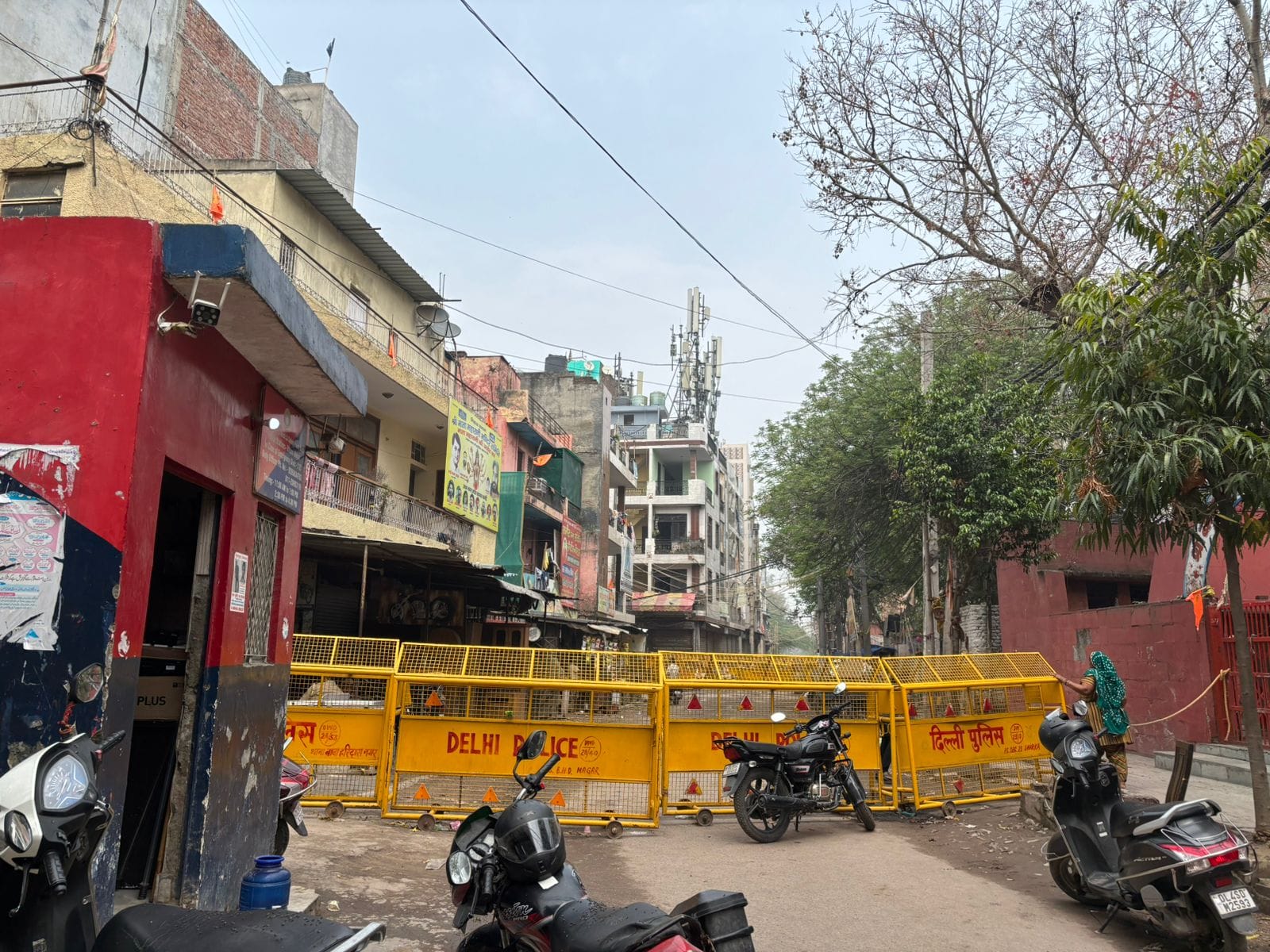
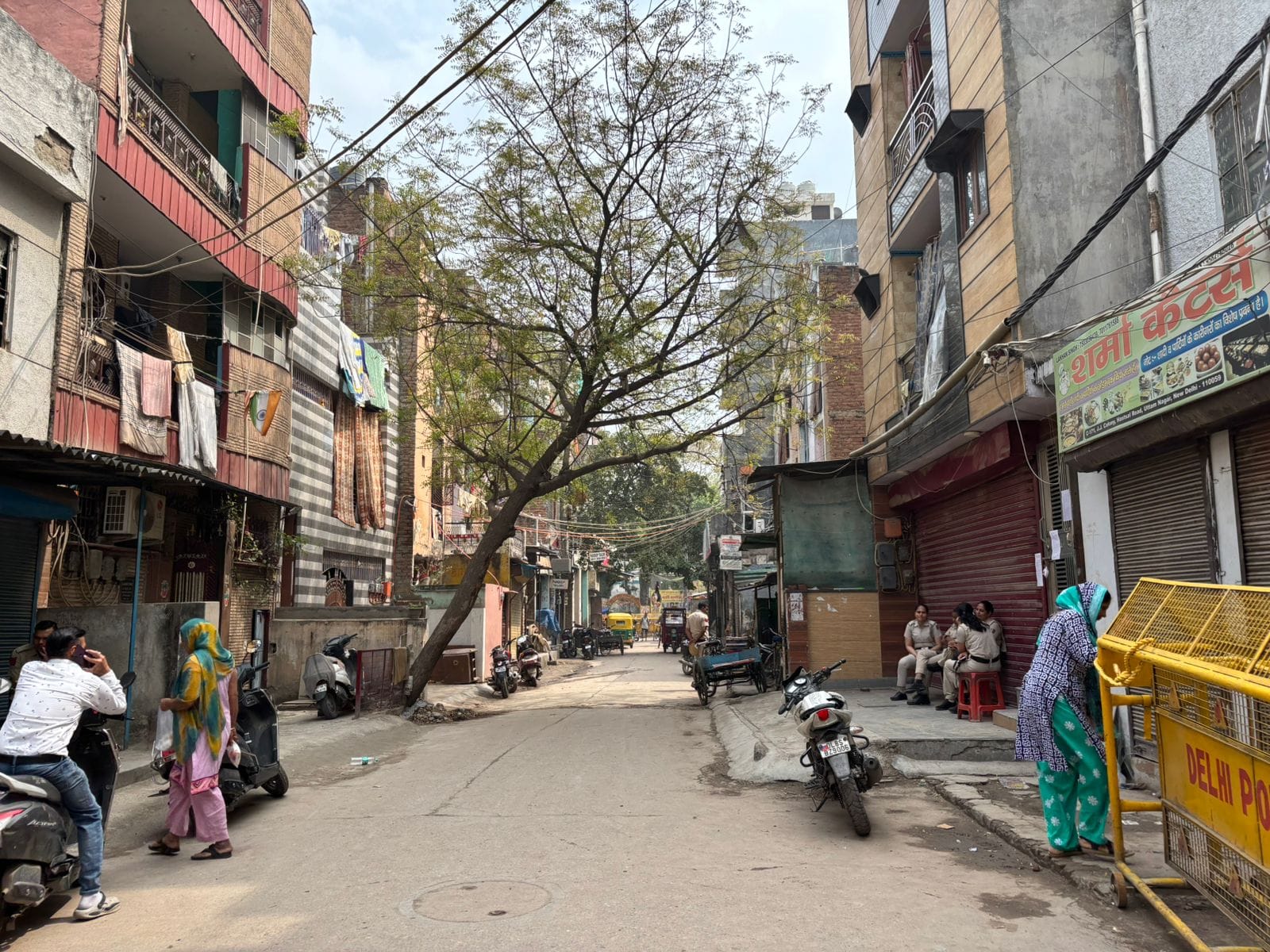
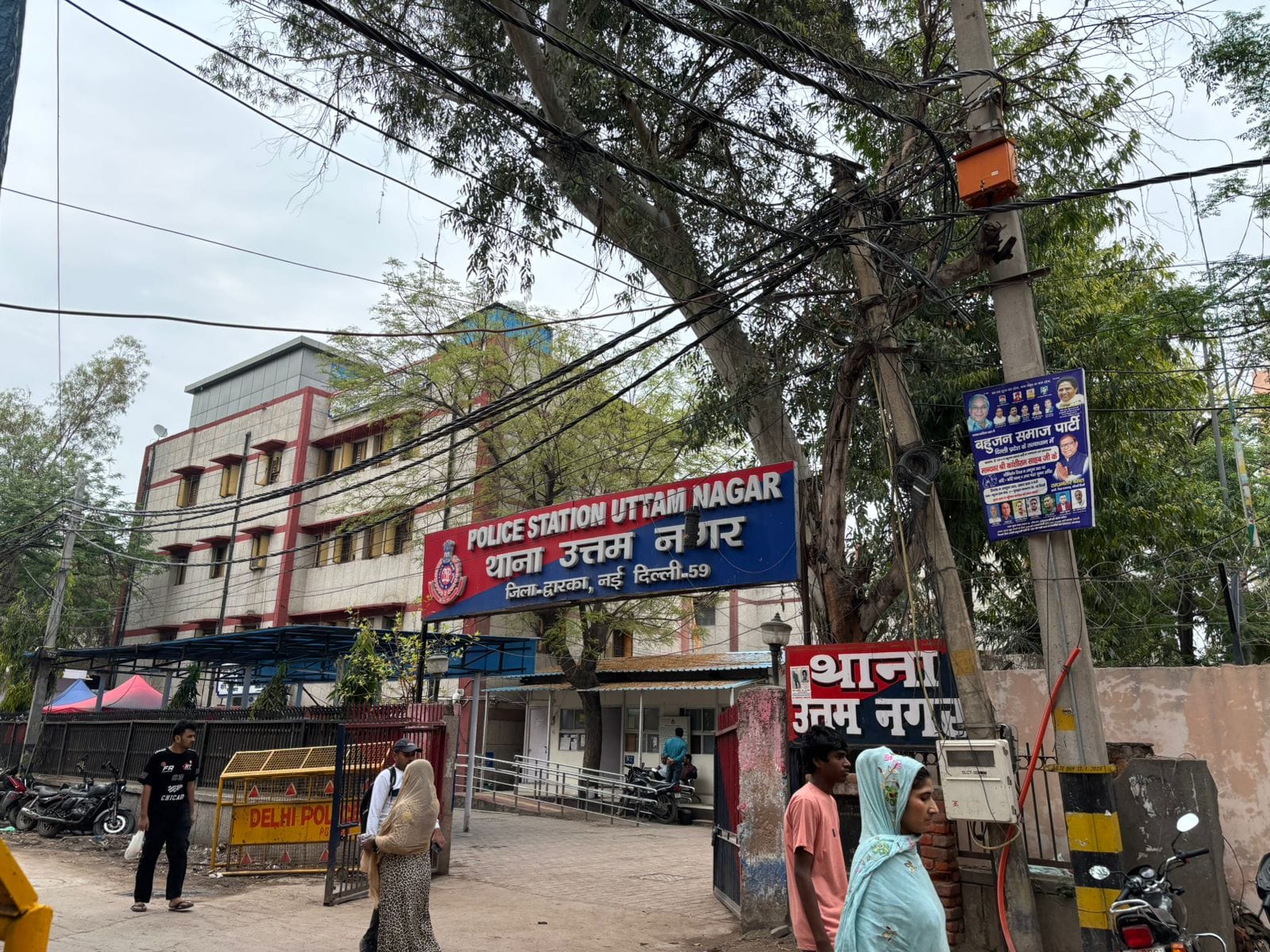
Many Muslim residents of JJ Colony have abandoned their shops and homes in the middle of Ramzan. Families who chose to stay back hope to celebrate Eid behind locked doors, and under the gaze of Delhi Police. The densely populated colony in West Delhi resembles a restricted area, barricades at every corner, riot control vehicles on standby; even cameras are not permitted. Five to six police personnel stand guard at designated corners.
Over 50 police personnel are stationed across JJ Colony, to ensure peace.
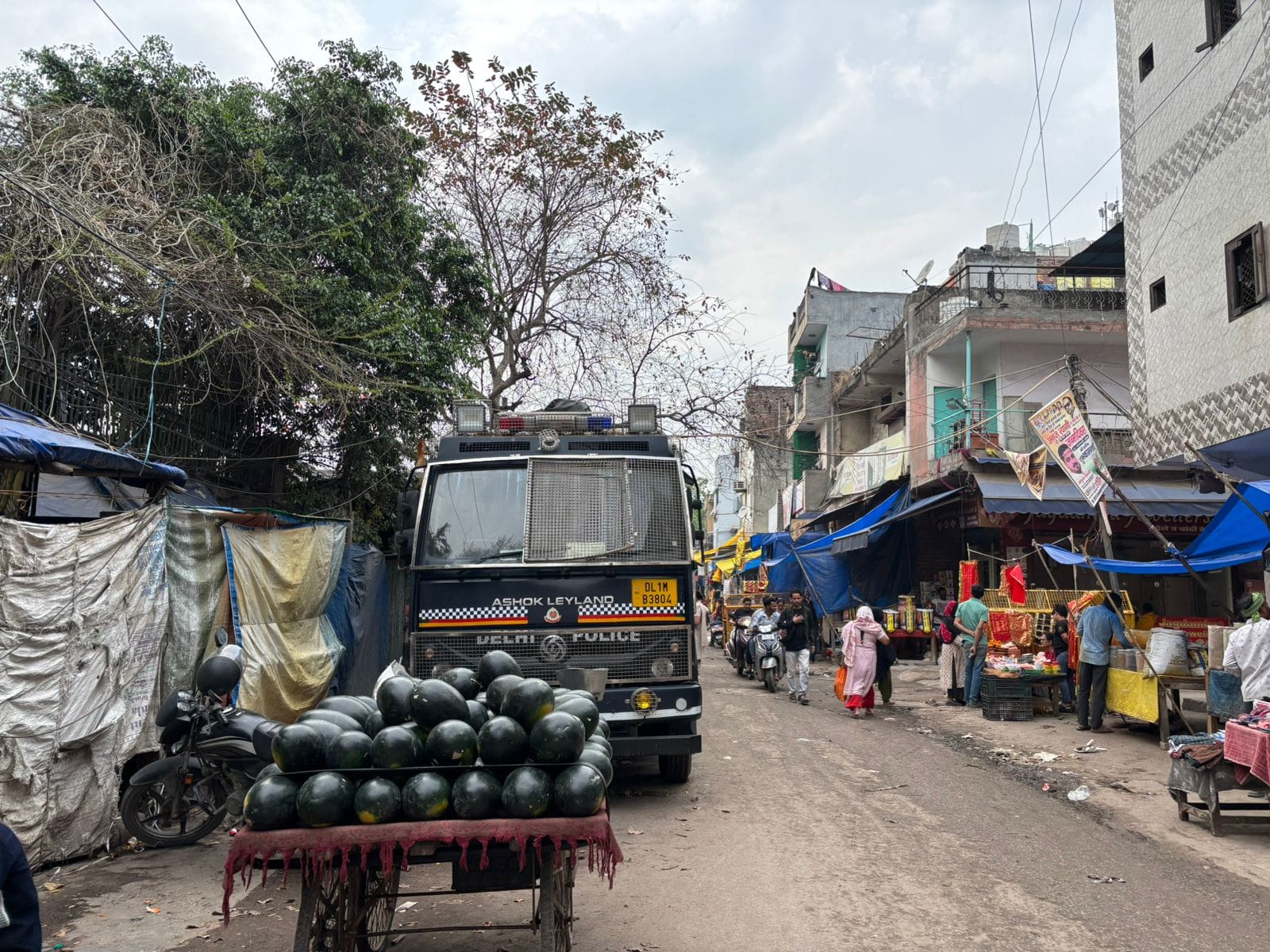
“Police have been deployed at all points in the area. Nobody will be allowed to take law in their hands. Eid will be conducted peacefully,” assures DCP (Dwarka) Kushal Pal Singh.
The Delhi High Court Thursday ordered police to take necessary action to ensure no untoward incident is allowed to take place during Eid.
The previous day, civil rights advocacy group Association of Protection of Civil Rights had filed an urgent representation to the Delhi Police and moved the high court, warning of “imminent communal violence” on Eid.
It flagged multiple social media posts openly calling for “Khoon Ki Holi” in JJ Colony. “The Eidgah in JJ Colony is used every year by thousands of people from the surrounding neighbourhoods to offer Eid prayers. Local residents are now anxious about their safety, particularly regarding the ability to gather peacefully for prayers and celebrations,” Mohammed Wasiq Nadeem Khan, national secretary of APCR, said in the petition.
On 15 March, Hindutva groups had taken out a protest march under the banner of ‘Sarv Hindu Samaj’ to demand a CBI probe into Tarun’s killing. In videos of the protest, some can be seen making direct threats—calling for “badla” (revenge) and “Khoon Ki Holi”. The language they use is raw, abusive, specifically targeting the Muslim community.
Bajrang Dal’s Delhi state coordinator Jagjit Singh “Goldy”, however, tells ThePrint that the group did not call for a “Khoon Ki Holi” in Uttam Nagar and maintains that “no protest will be carried out (there) on Eid”. He adds, “Our work is to get Tarun justice, and we will fight the matter legally, not by disrupting the peace in the area.”
But despite the assurances and heavy police presence, tensions remain.
Also Read: Unending nightmares, bitterness—how Delhi riots changed a Muslim & a Hindu forever
Holi scuffle, ‘aakrosh sabhas’ & bulldozer action
For five decades, the families of JJ Colony lived as one. These households celebrated festivals and even survived a global pandemic, together.
But nothing prepared them for what happened this Holi. “The incident on Holi was a stain on Uttam Nagar, but the roots of the neighbourhood are older than a 30-second clip that went viral on social media,” says Ghulfam Saifi, who owns a welding shop here.
As ThePrint reported earlier, an 11-year-old girl was playing with water balloons on her terrace in JJ Colony on 4 March when she accidentally dropped one on her neighbour, a Muslim woman, standing below. This led to arguments between the two families, and escalated into a scuffle with injuries on both sides. A case was registered and four arrests made but by evening the situation took a turn for the worse when Tarun, a resident of JJ Colony, was attacked. His uncle Tek Chand tells ThePrint, “Tarun had gone to celebrate Holi with his friends. When he was returning home, some eight to ten people thrashed him with cricket bats, iron rods, and stones…”
“Tarun did not do anything…These boys never liked him, and this is why they killed him,” says Tek Chand.
Fourteen people have been arrested and two minors apprehended in connection with two FIRs registered by the police. The first was over the scuffle between the two families, and the second, over the attack on Tarun.
The fallout over Tarun’s killing was swift. Scuffles broke out across the neighbourhood, Hindutva groups organised “aakrosh sabhas” and bulldozers moved in to tear down parts of the homes of the accused.
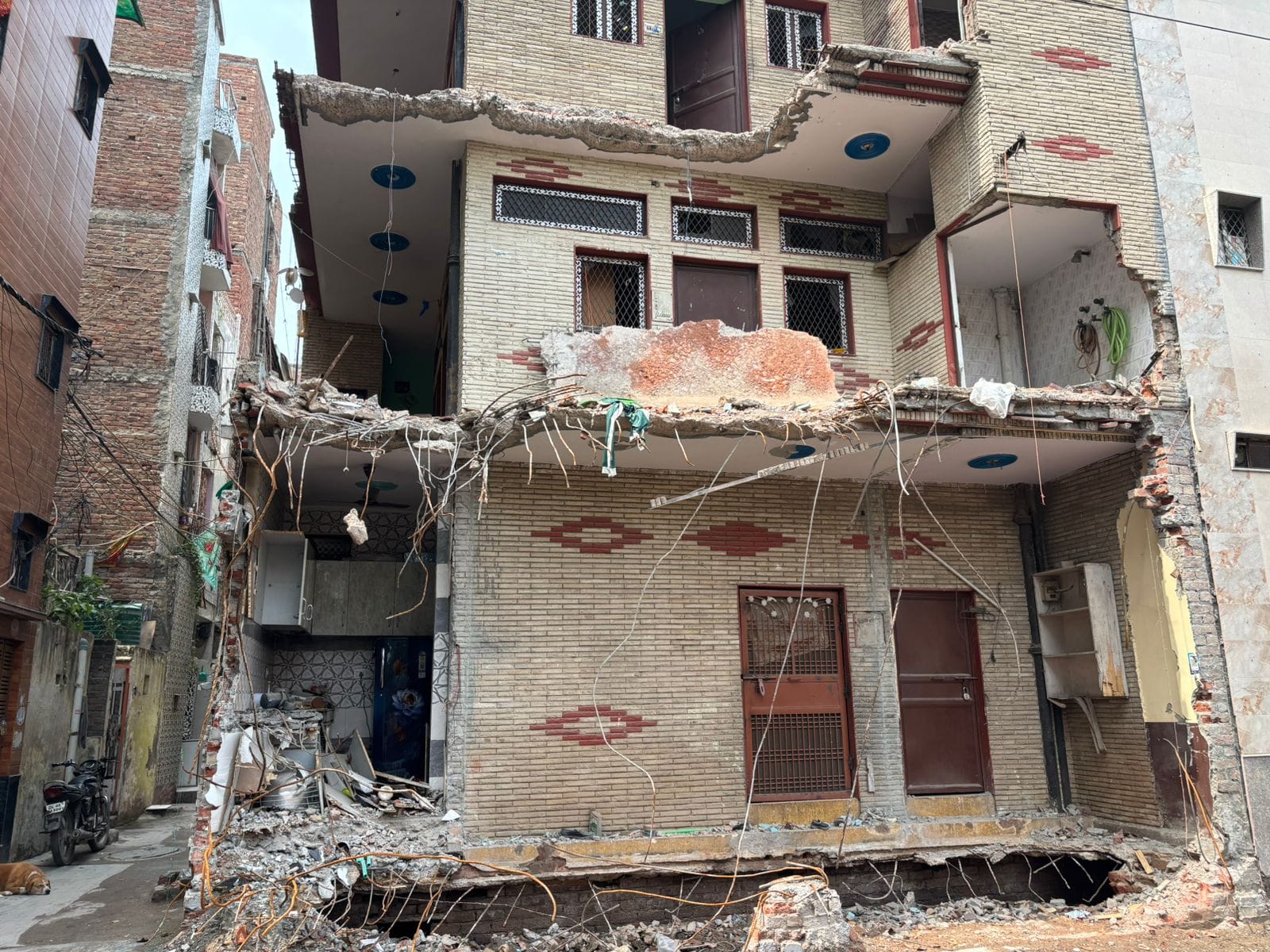
When ThePrint visited, many of these homes stood abandoned and partially demolished. The lights were still on, the water cooler full and the blanked still laid out on the bed—but no occupants inside.
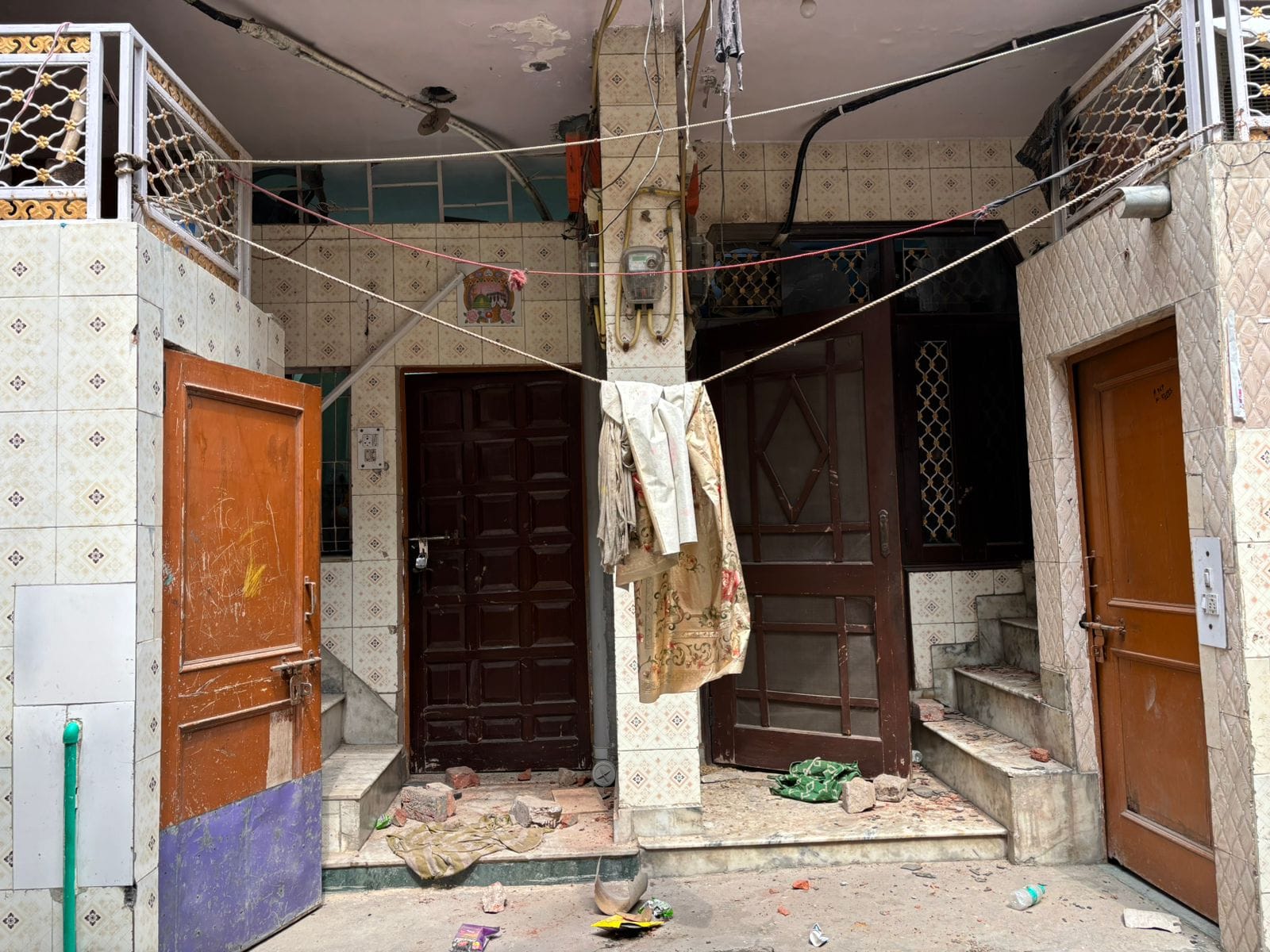
To Saifi, the scuffle on Holi was a “gharelu jhadga” that became a political issue. “Bajrang Dal politicised the matter. We have all lived peacefully here. This is our home. We will celebrate Eid. We will not go anywhere,” he says.
Atta chakki shop owner Rajeev agrees. “Social media amplified the issue.”
“The fight escalated here,” he says, pointing to his phone. “Speeches and videos went viral. Residents didn’t start the protest, it was people from outside.”
‘Our life has become hell’
In the narrow lanes, and outside Tarun Kumar’s house, the air is heavy. The smell of incense and the presence of khaki remains prominent. More than a dozen police officials circle the family, as they remain seated, hands folded, staring into the void.
“Our life has become hell,” Tarun’s father Memraj says, his head and left arm wrapped in bandages. “Our son is gone. And our world is finished.”
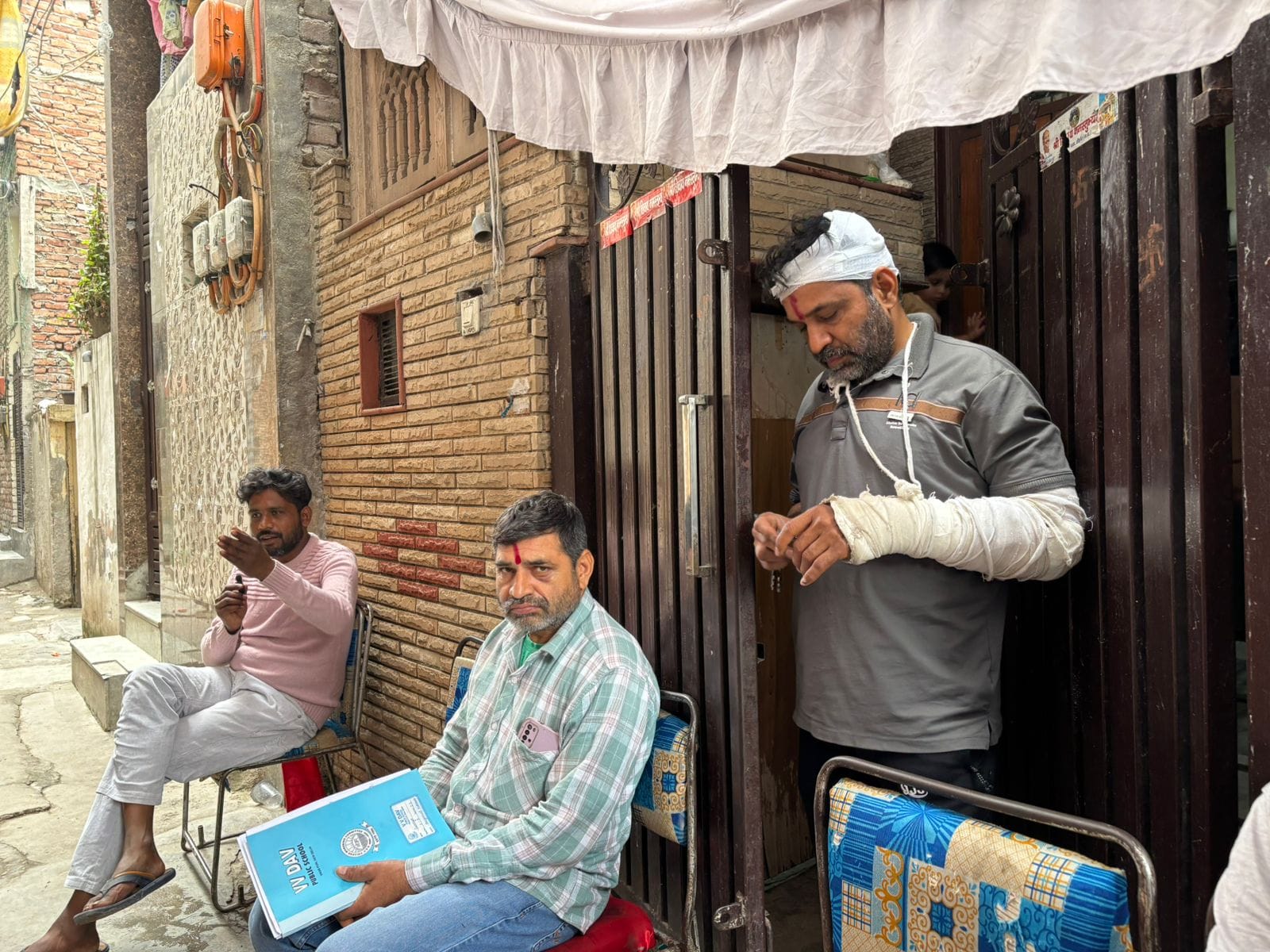
The family has one demand: Tarun’s attackers should be punished by “hanging” or “encounter”. “There must be fear in criminals,” says Memraj.
He steers clear from giving in to the communal narrative. “We never made this issue about Hindus and Muslims. A crime should be seen as a crime.”
Memraj adds in no uncertain terms: “All we wanted to do was seek justice. We’re not escalating this into a Hindu vs Muslim fight. We want peace.”
Even as he is talking about the case, a local priest from a Sonepat-based group, claiming to fight for Hindus, interrupts him. “Hindus are being erased by Muslims. We have to fight for justice for our brother Tarun,” the priest says. As he starts recording a video of himself, the police step in. “You can’t record. Or we will ask you to leave,” an officer warns the priest.
Delhi Police say they are taking steps to keep the peace, both online and offline. DCP Singh tells ThePrint that the cyber police station has been monitoring content doing the rounds online. “We’ve kept a watch list of accounts on X and Instagram,” he says. So far, takedown requests have been sent for 37 accounts. AI-generated videos, too, have been taken down.
Though few political leaders were seen in Uttam Nagar since Tarun’s killing, BJP MP Kamaljeet Sehrawat reached the spot days after the incident to offer her support to the family. Others have voiced concern over the situation on social media. “A hate campaign is unfolding in Uttam Nagar right under @DelhiPolice’s nose, yet no visible action is being taken to prevent it,” AIMIM chief Asaduddin Owaisi wrote on X.
On Thursday, Leader of the Opposition in Lok Sabha Rahul Gandhi, waded in: “The people of Uttam Nagar have paid a heavy price for the violence—on one side, a young man, Tarun, lost his life, and on the other, an entire family is facing persecution.” He appealed to the people of Delhi not to fall for any provocation, adding that the strength of India lies in unity.
उत्तम नगर के लोगों ने हिंसा की भारी कीमत चुकाई है – एक तरफ एक जवान लड़के, तरुण, की जान चली गई, दूसरी तरफ एक पूरा परिवार उत्पीड़न का सामना कर रहा है।
उन्हें और खून-खराबा नहीं चाहिए।
खून-खराबा केवल BJP और उसका इकोसिस्टम चाहता है, जो नफ़रत के तवे पर हिंसा की रोटी सेंकने के हर मौके…
— Rahul Gandhi (@RahulGandhi) March 19, 2026
‘Uttam Nagar barely made it to the news’
Unlike many other parts of JJ Colony, Dr Masood Rasheed’s clinic is busy as usual. Patients sit in the waiting area, scrolling through their phones.
Dr Rasheed has lived and worked here since the 1980s. “I remember when I came here from Saharanpur. This was a complete jungle, with a single road, where Delhi Transport Corporation buses ran,” he tells ThePrint.
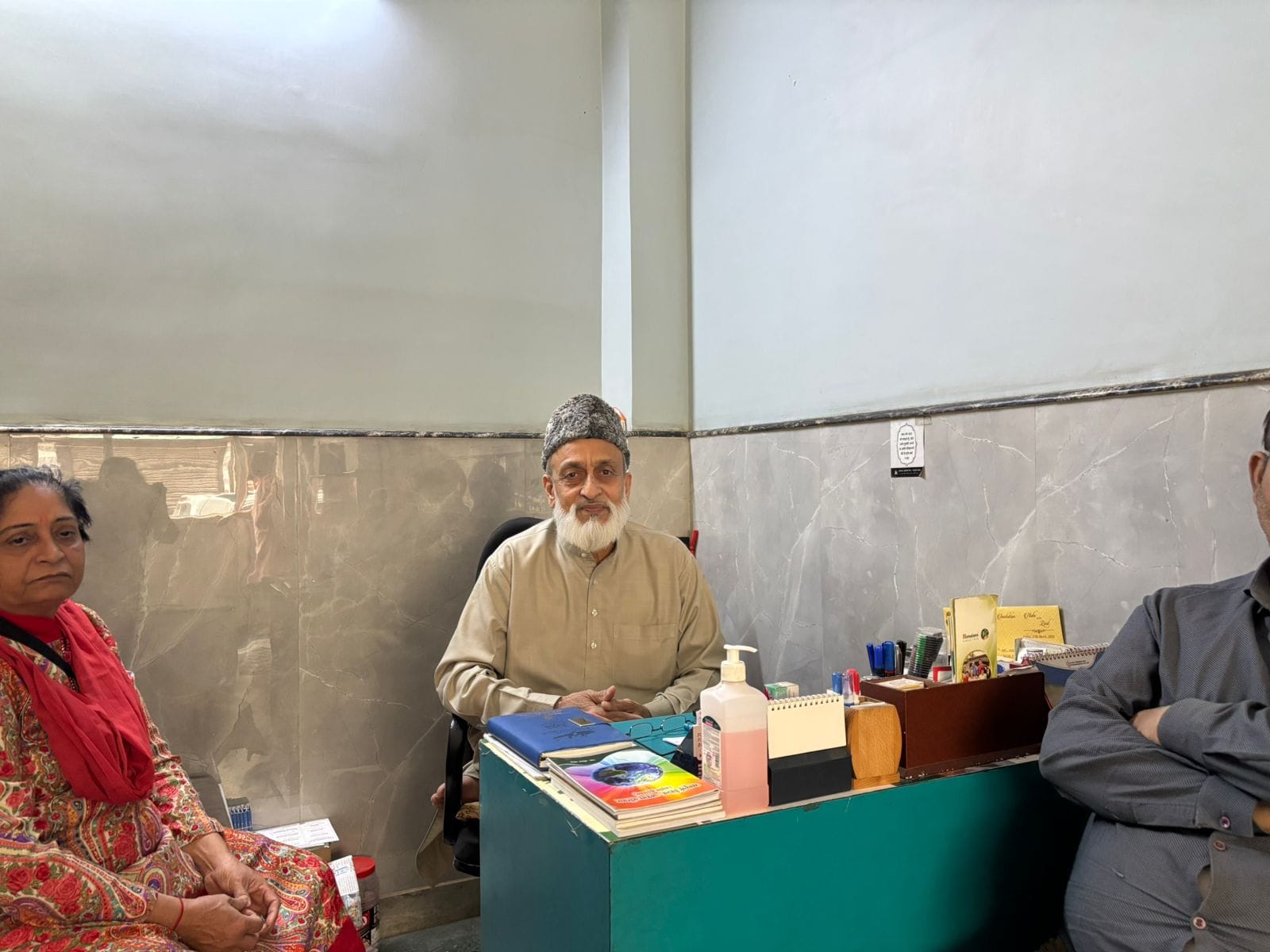
He has seen the neighbourhood grow, from single-room houses to four-storey buildings, and the Delhi Metro that came later. With it, came new residents and businesses. “Uttam Nagar had never seen such hate. Uttam Nagar barely made it to the news,” Dr Rasheed says. He adds that after Holi, Muslim residents were advised not to leave home after dark. “Many stopped visiting my clinic, fearing ‘something’ might happen.”
But blocks A, B, and C of JJ Colony are slowly returning to normalcy.
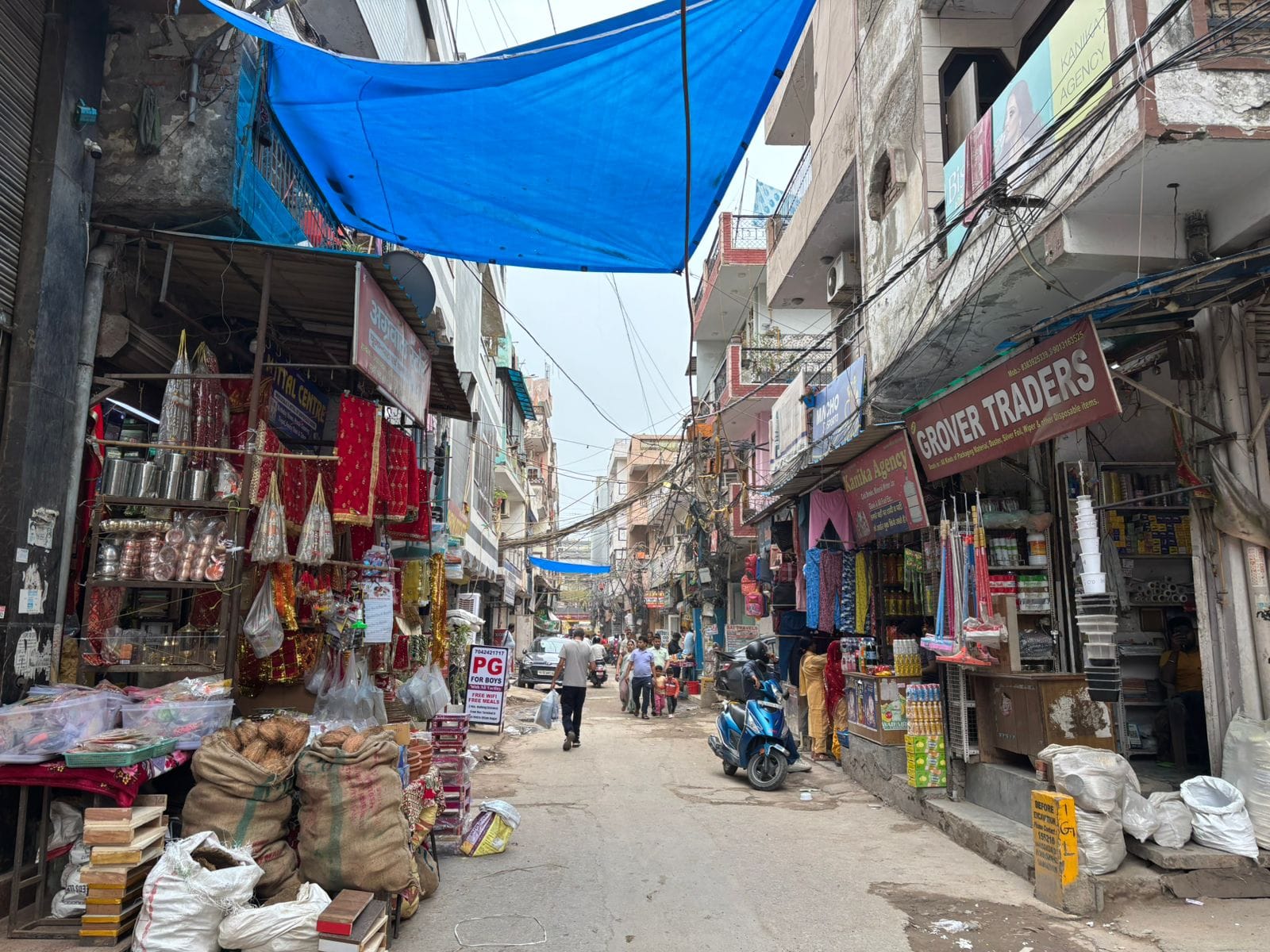
Ghulfam Saifi, who has lived here for more than a decade, finally opened his workshop this week after days of closure. “The government told us to open. We Muslims and Hindus will live together,” he tells ThePrint.
At a ration shop nearby, the tension seems to fade into the background, as Hindu and Muslim residents stand in queue, waiting to get their ration. As Dr Rasheed puts it: “Life will continue in Uttam Nagar. Even if it is under heavy police presence.”
(Edited by Amrtansh Arora)
Kudos to the administration for not letting sentiments spiral into further violence and destruction. However to lend credence to the fact that it was not communal incident, members of both communities should have protested together for obtaining justice and shunned the murderers from society. Instead it was left to only one community to demand justice and ironically it is being reported as if the other community is being victimized by just demands for action and attempts to instill respect for law and order & basic humanity. There is no doubt that the murderers didn’t have any fear of consequences or for the long arm of law and inflicted barbaric grievous losses on a flimsy whim.
Stupid title. Why not call it Khoon ki Eid? Scared of them? Every Hindu festival in the recent oqst has been harangued by Muh-lecch-as
They spilled the blood of an innocent man. And now they are blaming ‘outsiders’ and ‘social media’ as the aggressors? What is shameful is that liberal media organisations like ThePrint is buying into their version of events and helping them project themselves as ‘peaceful, law abiding’ people.