





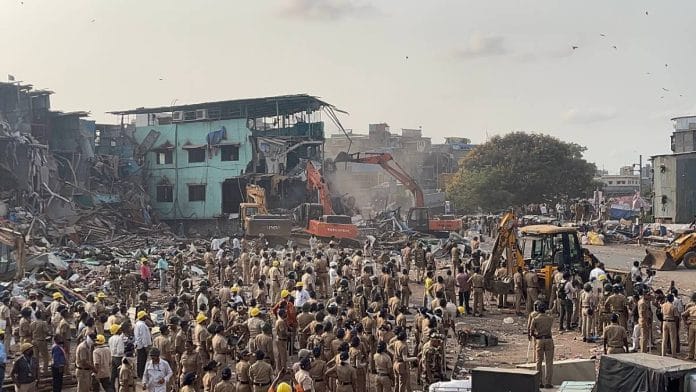


Mumbai: A large-scale demolition drive by Western Railway at Garib Nagar, a dense slum settlement adjoining Bandra East railway station in Mumbai, sparked clashes, stone-pelting and allegations of police excess, after two decades-old mosques were brought down as part of an anti-encroachment operation.
The demolition at Garib Nagar, one of Mumbai’s oldest and most prominent slum sprawls that stands on prime land, is the culmination of a nearly decade-long legal and administrative battle over railway land adjoining Bandra East station, tied to infrastructure expansion plans including Mumbai’s proposed sixth suburban railway line.
The five-day demolition operation, started Tuesday and backed by over 1,200 personnel on the second day, follows a 29 April Bombay High Court order permitting the demolition of hutments on railway land, excluding 100 protected structures identified in a 2021 survey.
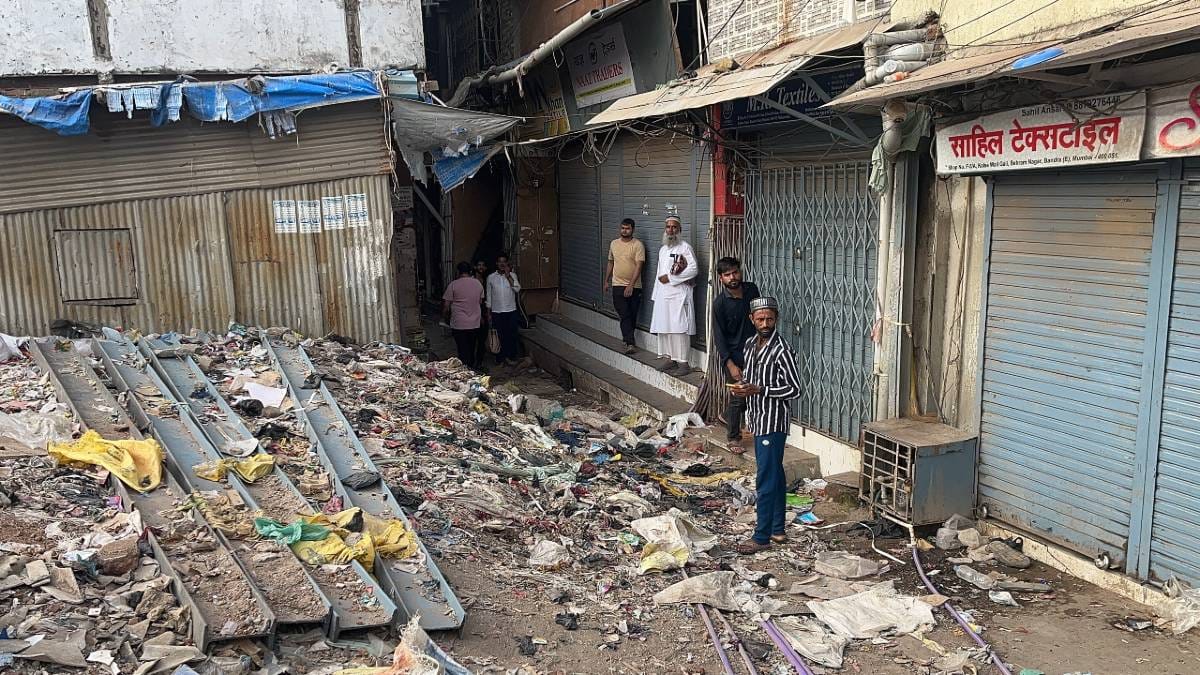
While railway authorities maintain the action is being carried out under court orders and in the interest of rail safety, residents argue that hundreds of low-income families, many of whom have lived in the settlement for decades, are being uprooted with inadequate rehabilitation and little time to relocate.
Vineet Abhishek, Chief Public Relations Officer for the Western Railways, told ThePrint: “We are ensuring that the humanitarian angle is strong in our proceedings. We are ensuring that no person comes in harm’s way. There has not been even one incident where someone was hurt during the demolitions.”
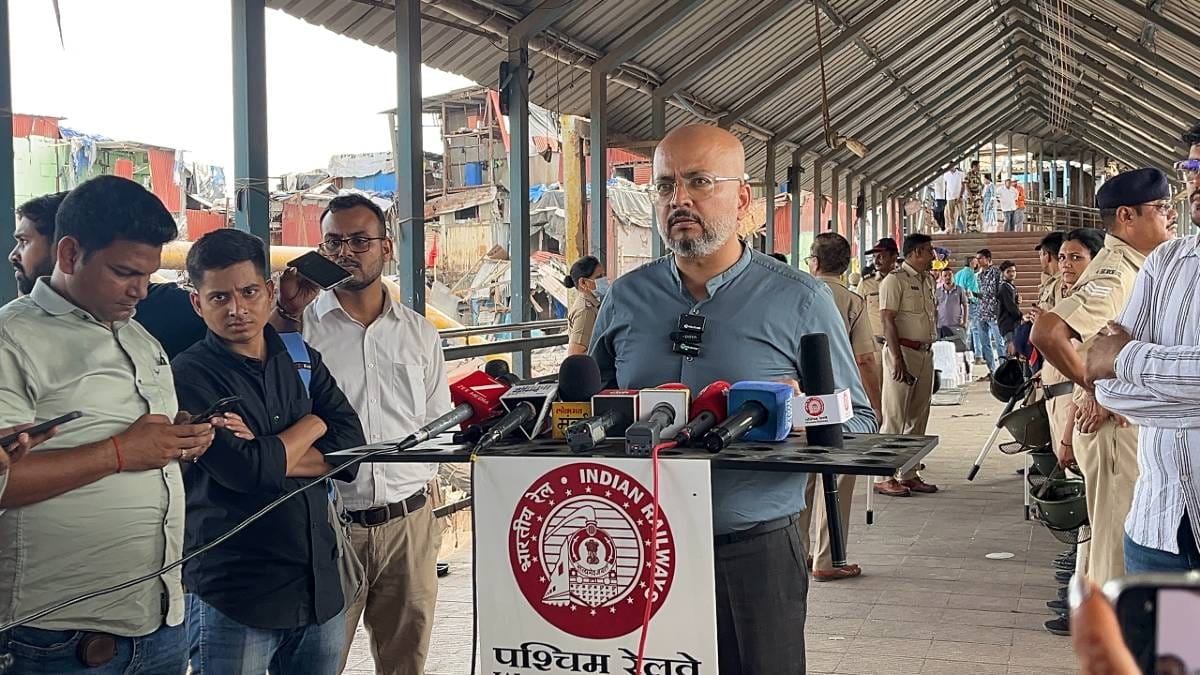
“This area and this issue is very sensitive, which is why the high court took nine years to come to a conclusion, after hearing all sides. Its 29 April judgment has clear instructions for us. Except 100 hutments, we are to dismantle all other structures. On the first day (Tuesday), we completed 20% of the work while today (Wednesday), we completed 60% of the work. The judgment stated that seven days from the ruling, we were to take appropriate action.”
“The demolished land will be part of the Bandra Integrated Railway Complex. This newly cleared land will help expand the Bandra Railway Station, allowing 12 additional trains to run on the new tracks,” Abhishek added.
“These maximum encroachments cannot hold the city hostage.”
Also Read: More and more Muslims from UP, Bihar, Bengal migrating to Punjab. New mosques dot the skyline
Court-backed demolition
The demolition drive traces back to eviction proceedings initiated by the Railways in 2017 against the Garib Nagar Rahavashi Sangh and Ekta Welfare Society, an organisation representing residents of the settlement.
An eviction order was passed on 27 November, 2017, and challenged in the Bombay High Court through a writ petition. The court granted a stay on 15 December, 2017, after which the matter saw little movement for several years.
The issue resurfaced in August 2021, when a joint survey conducted by SPARC (Society for the Promotion of Area Resource Centres), MMRDA (Mumbai Metropolitan Region Development Authority), MRVC (Mumbai Railway Vikas Corporation) and railway officials for the proposed sixth railway line identified 140 hutments within the “safety zone” of the Railways and 58 outside it.
The Railways resumed action this year on 17 March by fencing off the safety zone and demolishing 35 soft encroachments. Fresh petitions were filed by residents’ groups, but on 29 April, the HC allowed demolition of structures belonging to both organisations (Garib Nagar Rahavashi Sangh and Ekta Welfare Society), while granting protection to 100 hutments.
A re-petition by Garib Nagar Rahavashi Sangh seeking a fresh survey of all 359 hutments was rejected by the Bombay High Court on 15 May. Separately, the Supreme Court upheld the 29 April HC order in a petition filed by Ekta Welfare Society on 6 May.
Subsequently, the authorities began the five-day demolition drive on 19 May.
On the first day of demolition, around 1,000 personnel were deployed, including 400 city police personnel, 200 Railway Protection Force (RPF) personnel, 200 Government Railway Police (GRP) personnel and railway staff. Machinery included four bulldozers, a poclain machine and dumpers.
The second day saw the deployment expand to over 1,200 personnel, comprising 500 city police, 250 RPF personnel, 200 GRP personnel and additional railway staff. Seven bulldozers, six poclains and five dumpers were pressed into service.
Day 2 escalations
The demolition escalated Wednesday afternoon after authorities razed ‘Faisane Mustafa Garib Nawas’ Masjid, estimated by residents to be 70-80 years old, and ‘Masjid-e-Inaam’, triggering protests from locals. Officials said the structures stood on railway land and were also allegedly illegal.
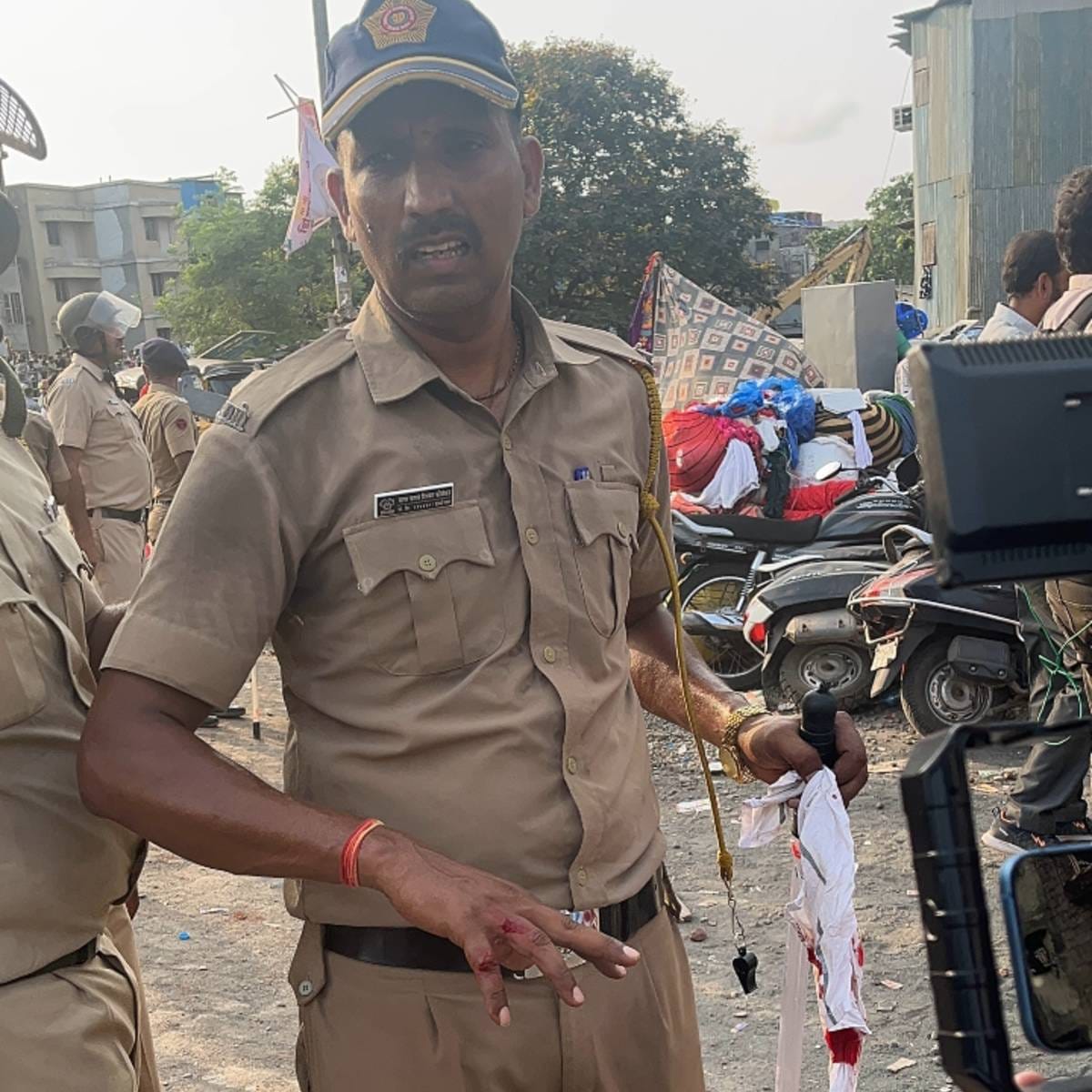
According to civic hospital records made public by the Brihanmumbai Municipal Corporation (BMC), at least 10 people, including police personnel and protesters, were injured during stone-pelting as Garib Nawas Masjid was being demolished. Earlier in the day, the residents protested against the demolition of Masjid-e-Inaam, which resulted in a lathi-charge by the police.
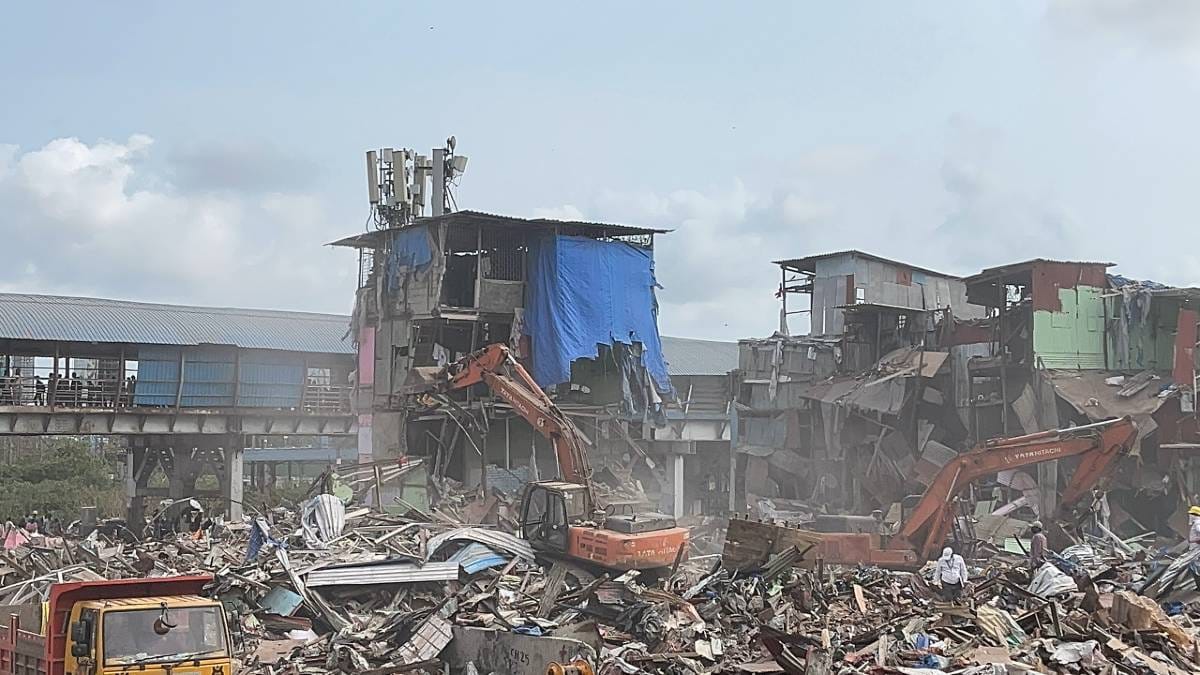
According to a report from Bandra’s Bhabha Hospital, “three protesters and three police personnel sustained injuries during stone-pelting by the mob” amid Western Railway’s encroachment removal exercise. Four additional injured police personnel were treated at V.N. Desai Hospital.
The injured included protesters Fizan Anwaj Khan (22), A. Rashid Khan (17) and Ansar Ali Baig (49), who remained admitted in stable condition, hospital records made public by the BMC stated.
The stone-pelting originated from neighbouring Behram Pada where some of the Garib Nagar residents had shifted during the unrest. Residents, however, alleged retaliatory stone-pelting and excessive force by police personnel.
Abhinav Deshmukh, Additional Police Commissioner (West Region), told the media Tuesday evening: “An anti-encroachment drive is being carried out in Garib Nagar, Bandra East, under the jurisdiction of Nirmal Nagar police station, according to the high court’s orders. During the operation, some anti-social elements attempted to obstruct the demolition work by pelting stones at the demolition squad.”
“The Mumbai Police used appropriate force to disperse the miscreants. Seven accused have been taken into custody and the process of registering an FIR is under way. Strict legal action will be taken against those involved. Three persons sustained minor injuries, including two RPF personnel and one Mumbai Police constable.”
‘We built our lives here’
For many residents, the demolition has meant the sudden unravelling of lives built over decades.
Aasiya Bano, 45, who moved to Mumbai from Bengaluru in 1990, watched as authorities demolished the three-storey hut she shared with her husband and four children. She had lived with her family in the hutment next to Masjid-e-Inaam, the first mosque that was demolished Tuesday.
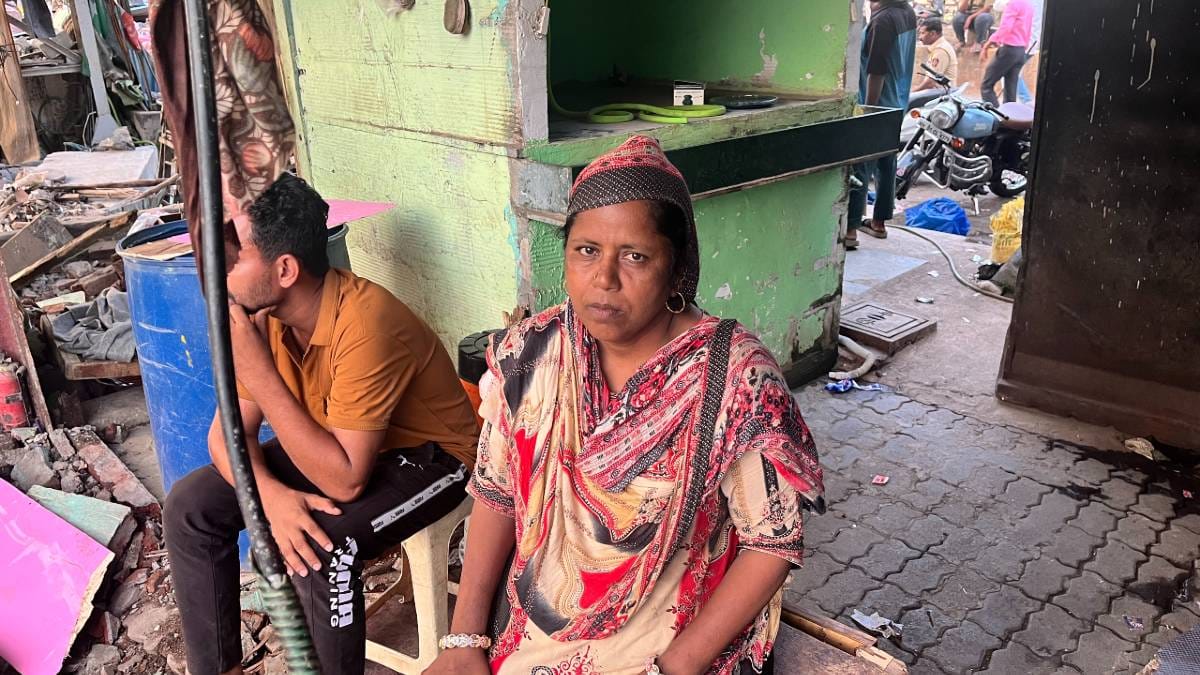
“I moved here with my parents when I was very young. I have lived here for almost 40 years. This was the only home I knew. We built everything floor by floor over the years,” she told ThePrint, sitting under one of the railway bridges amid broken concrete and twisted metal.
Nazneen Ansari, 35, whose husband Waseem works as a furniture labourer, said families had little clarity about rehabilitation or where they would go after eviction.
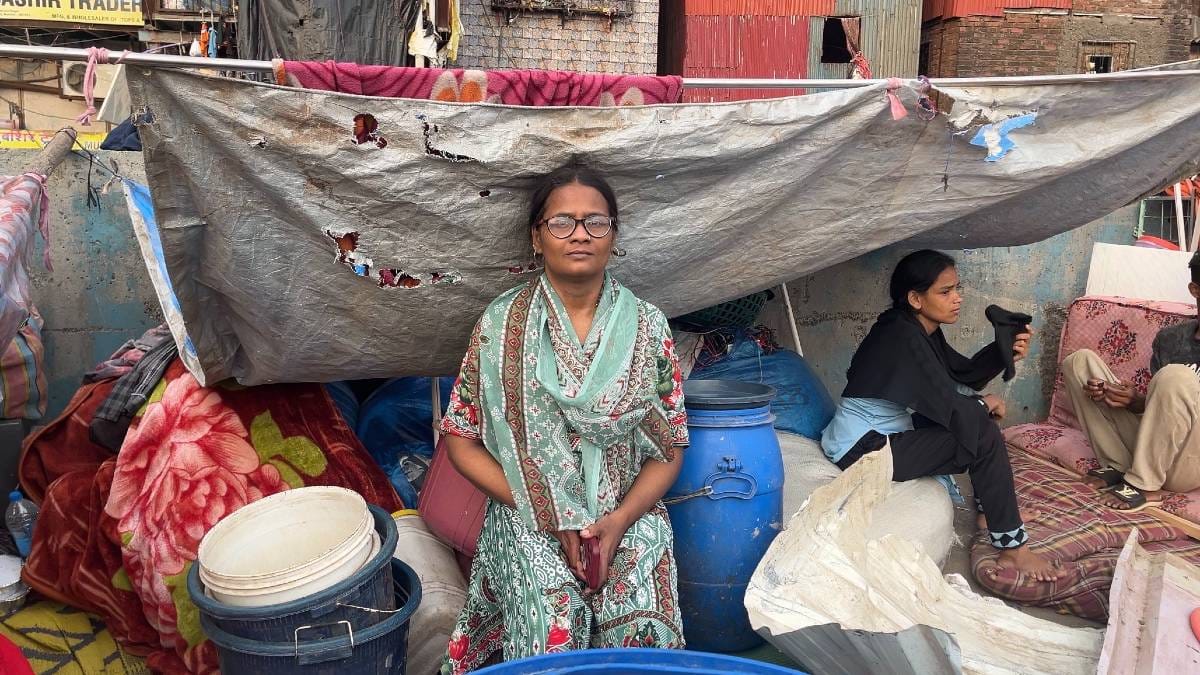
Nazneen, who is differently-abled, added that her husband had to manage the shifting all by himself. “We don’t have anywhere else to go. No family in the city. We ended up leaving our house and setting up on the opposite street. We don’t know where to go from here,” she said.
For 28-year-old Aaftab Rafiq Shaikh, a courier delivery worker, the violence compounded the displacement. He alleged that his sister Rafiya was injured during retaliatory police action against the stone-pelting done by former residents. His family, including his father, two other sisters Anam and Saba and mother Yasmin, are among those affected by the drive.
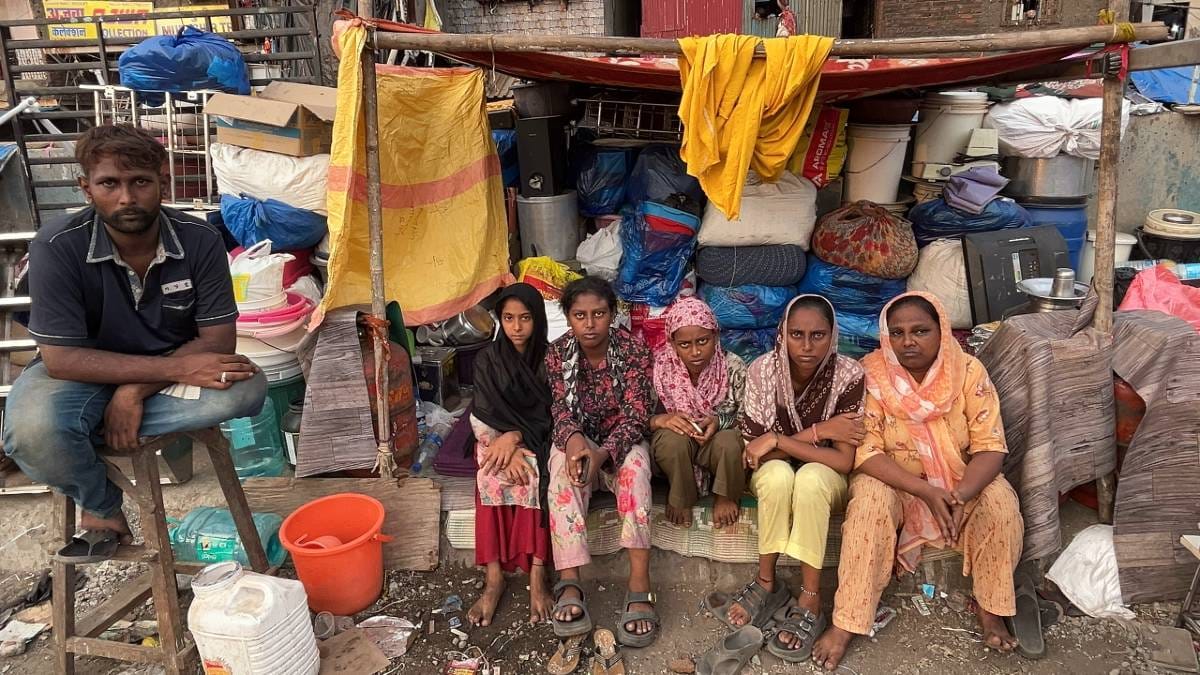
“They never told us about the masjids. We were asked to vacate our homes but were told that the masjids would stand. That is what led to the uproar. Although we were not part of the stone-pelting, my sister Rafiya was hurt when the police decided to throw those stones back. She was hit on the head. They have given some pain relief but it’s not okay to just start flinging stones,” he said.
(Edited by Nida Fatima Siddiqui)
Also Read: India’s urbanisation policy now centres on demolition and displacement, says Aravind Unni