





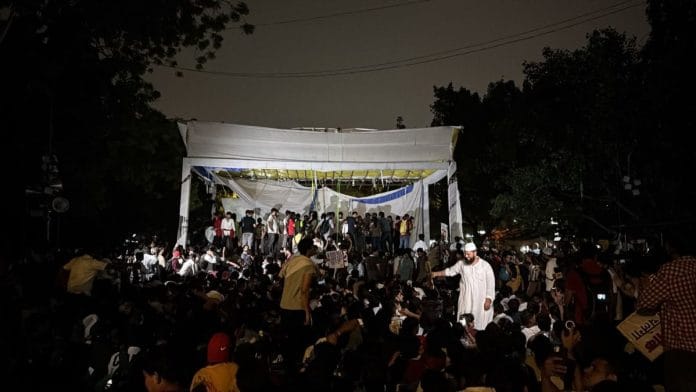


New Delhi: The sun has set, but the protest that gripped central Delhi through the day has refused to die down.
Hours after thousands marched towards Parliament, clashing with police, facing lathicharge and tear gas, and being pushed back by a wall of security personnel, the crowd has regrouped at Jantar Mantar.
Women, men and children of all ages are back, chanting, “Ladenge, Jeetenge”.
It is 8.30 pm.
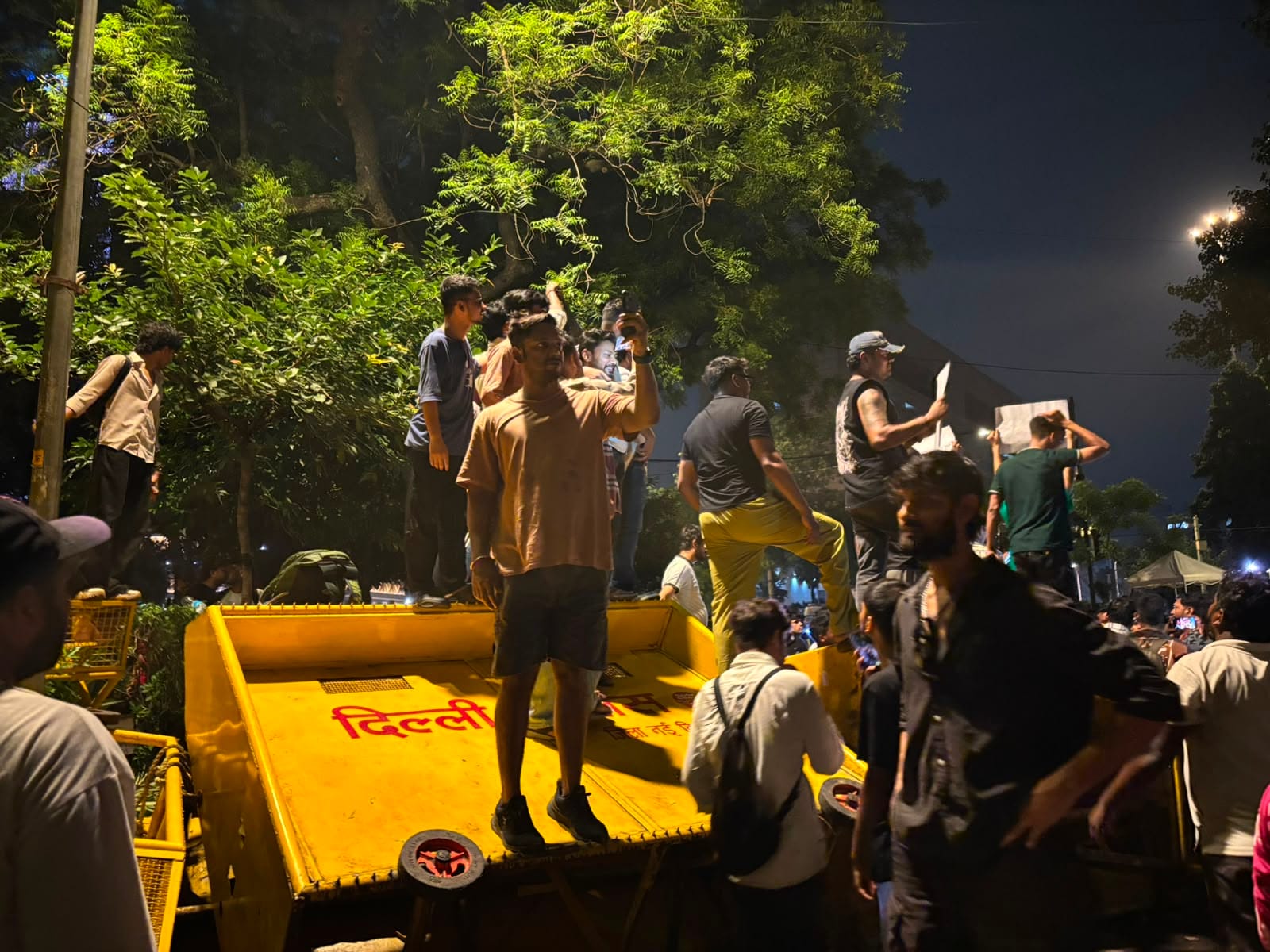
Around 10 to 15 young men climb atop a stack of toppled Delhi Police barricades on Janpath Road and scream, “Inquilab Zindabad”.
Their cries are met with loud cheers, whistles and applause from nearly a thousand protesters gathered below.
The scene is a stark contrast to what unfolded barely 12 hours earlier, when the same protesters were trying to march towards Parliament and were met with police action.
Amid the noise, one protester shouts, “Kitno ko maaroge? Hum ghar nahi jaayenge (How many will you beat up? We will not go home).”
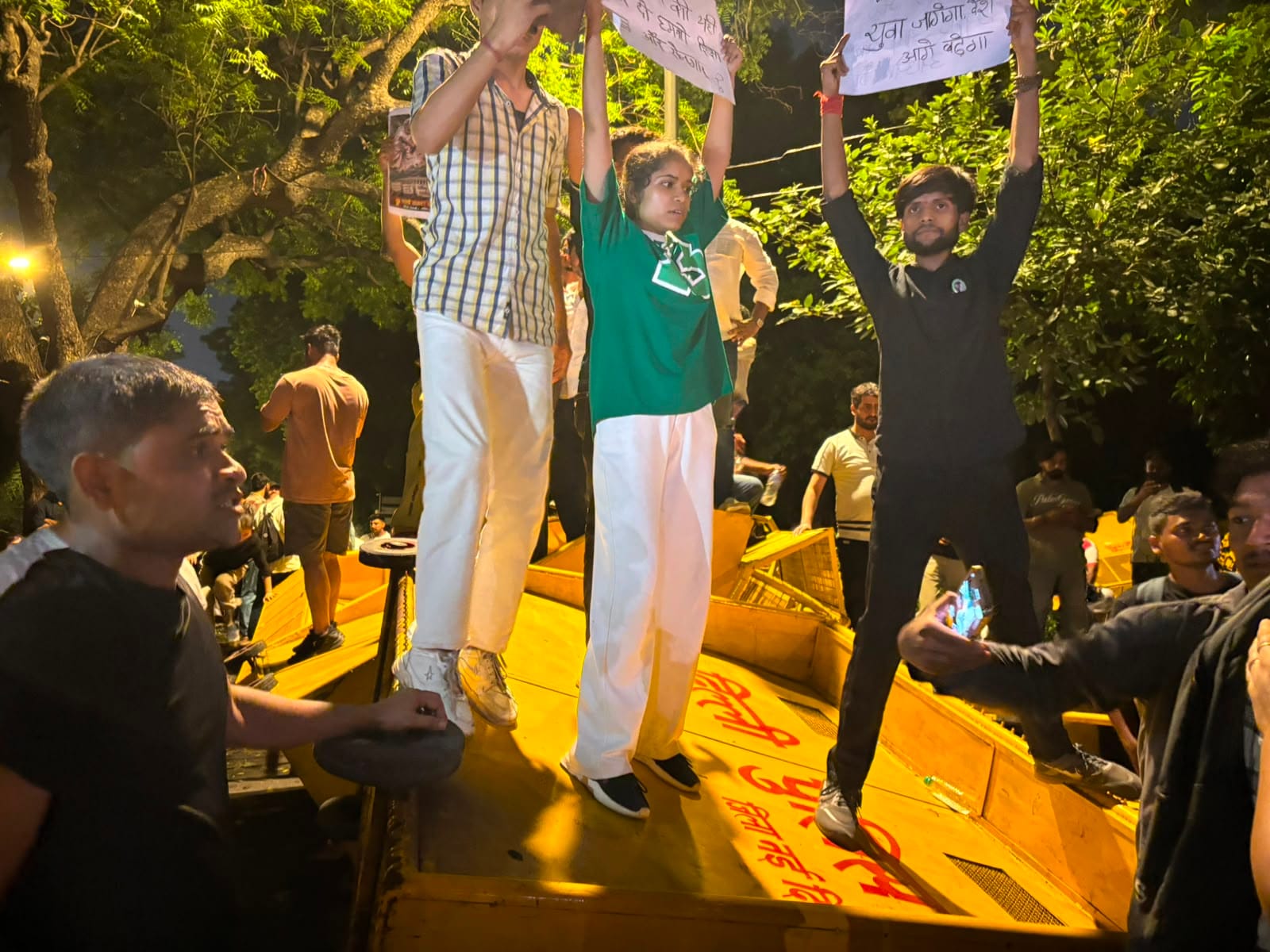
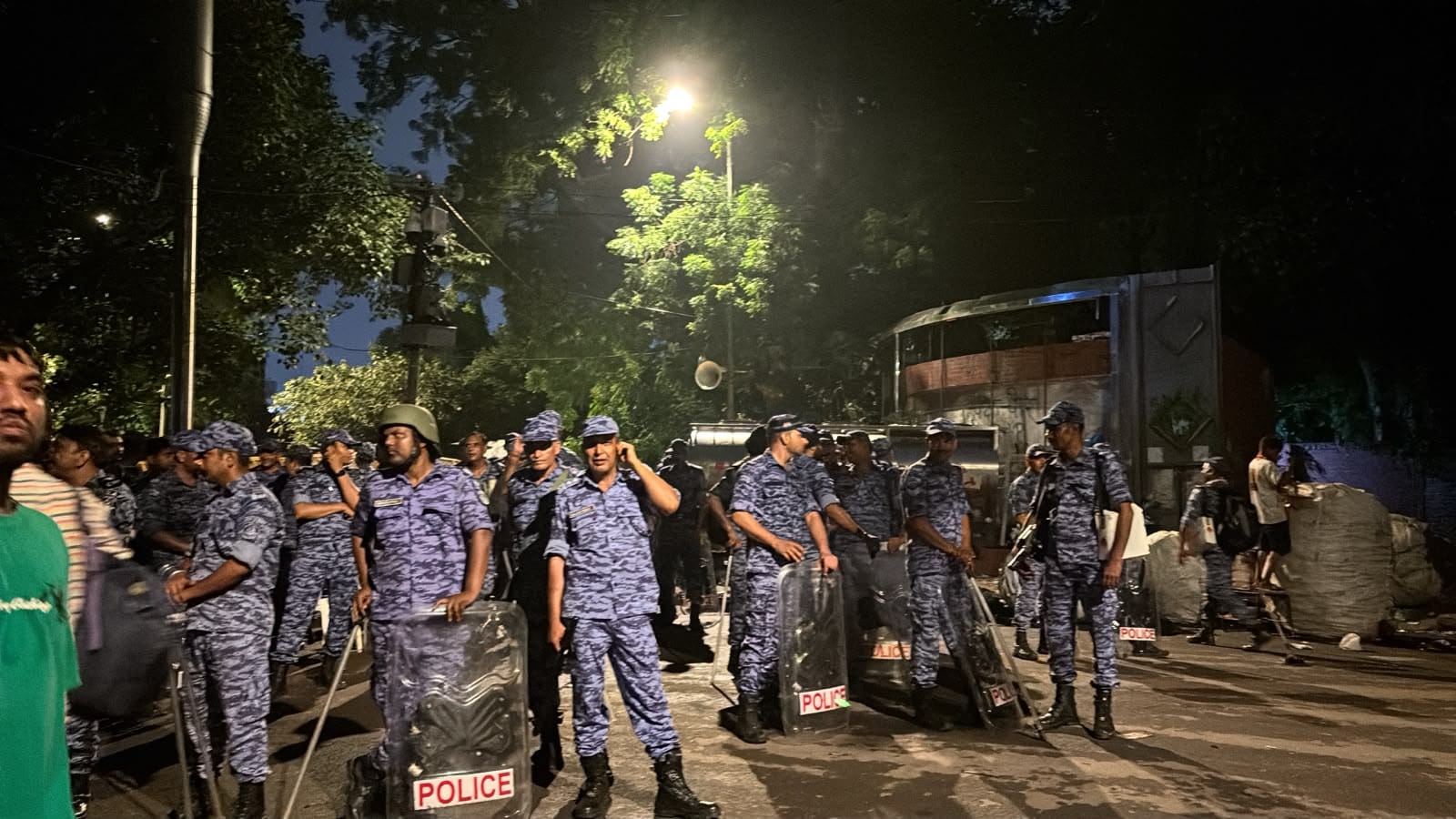
Police have now barricaded the entire Jantar Mantar protest site. Only members of the Cockroach Janata Party (CJP) are being allowed to remain inside the designated protest area near Kerala Bhavan, while entry for others has been restricted.
Yet, the crowd outside continues to swell.
‘I’m not going back home’
Amid chants of “Zindabad” and “Nahi Chalegi, Nahi Chalegi” protesters wave the Indian tricolour and hold up portraits of BR Ambedkar.
Among them is Mohammad Ayan, 20, lying on a bench with a bandage on his head.
A video editor, Ayan had joined the march near India Gate. He says he’d barely walked a short distance before police charged at the crowd. “I ran, but I was injured. A tear gas shell hit my head. I couldn’t breathe. I saw people my father’s age being beaten and injured.”
After receiving medical treatment, Ayan returned straight to Jantar Mantar.
He has no plans of leaving. “If I do not stand up for my people today, who will? I want the government to know that people like me will camp here. We are not going back.”
‘The fear is over now’
For many protesters, Monday’s police action has had the opposite effect of what authorities may have intended.
Shreyans Chandra Bhaskar, a 25-year-old Delhi University student from Mau, Uttar Pradesh, says this was the seventh time he had joined the protest.
He knew he had to be there on Monday.
“Do you know why so many people have come back?” he asks, pointing towards the sea of people holding up phone flashlights and posters. “It is because we are no longer scared. We are not afraid of people who punish us for demanding accountability. We will continue to stand here.”
“The fear ended the moment the police lathi-charged us and fired tear gas shells,” he adds.
Shreyans pauses before pointing towards the crowd again. “Do you know what these people were doing? We were trying to protect those who had been injured.”
‘Why won’t they hear us?’
The anger among protesters is unmistakable. The slogans do not stop. The hands holding placards are visibly tired.
Phone flashlights illuminate the gathering as people continue to livestream events, even as Delhi Police maintains heavy deployment around the protest site.
For Dibakar Lihaaz, 24, a poet and writer, the violence has only strengthened the movement.
“You know what my motivation is? Why I am back despite what happened today? It is because every limit has been crossed. Young people today want accountability. You cannot force them to leave. They will return—and this time, stronger,” he says.
Lihaaz says the movement will continue until those in power answer for what happened.
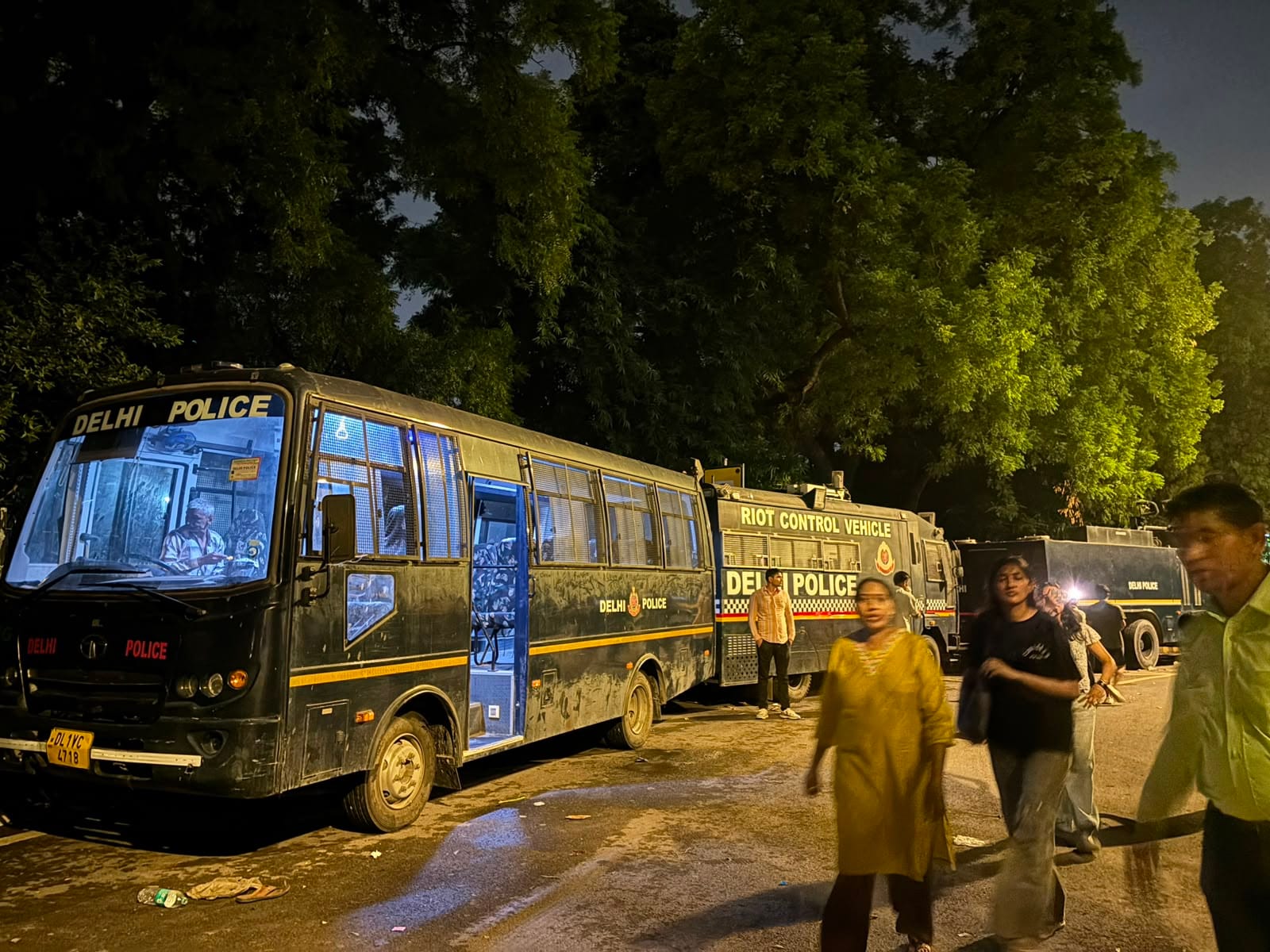
Yet, beneath the defiance lies disappointment.
“We are scared. What happened today should never have happened,” he says. “The government is supposed to be for us. Then why is there so much distance between us and them? Imagine having to protest like this just to get the government to talk to us.”
(Edited by Gitanjali Das)
Also Read: ‘Most anti-youth PM in India’s history’: Rahul says Modi govt has turned against country’s youth