




New Delhi: The conversation around protein is often focusing on grams and labels but the Physicians Association for Nutrition India has released a report saying that the “grams of protein” alone are not the indication of a healthy diet.
The paper, titled “Rethinking Protein in Plant-Based Diets” was published as India concludes its National Nutrition Week from 1 to 7 September. It describes protein as “one of the most talked-about and most misunderstood topics in nutrition”.
“People often ask whether a food is a complete protein or whether it provides enough grams. Protein should be viewed as part of a wider nutritional package. What matters is whether the overall dietary pattern provides adequate usable protein—together with fibre, micronutrients and other beneficial food components—in a form suited to the person’s life stage, health status and needs,” said Dr Rajeena Shahin, medical Director, PAN India, in a press release.
The paper argues that protein adequacy must be judged on five levels — the protein itself, the food it comes in, the meal it is a part of, the overall eating pattern of the person, and the needs of the person consuming it.
Also read: Two keys, one dilemma—the story of Modi’s slum neighbours evicted to new homes 50 km away
A varied diet
According to the paper, nearly all types of plant food, pulses, grains, nuts, and seeds, contain the nine essential amino acids that the body needs. What varies is the amount, protein density, and digestibility. If a person has a varied, calorie-adequate diet, then it is unnecessary to combine any specific foods together for meals.
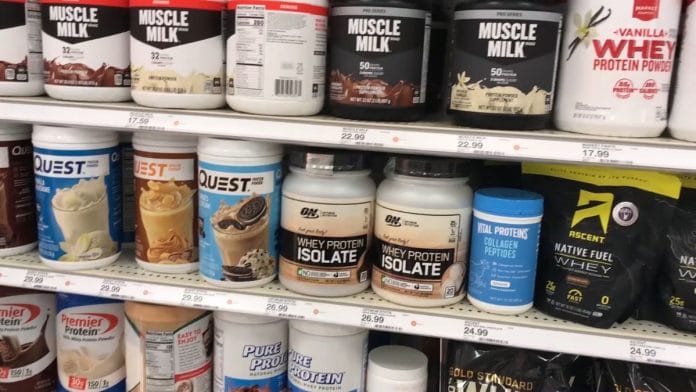
PAN India highlights that a “high protein” label is not a guarantee of nutritional quality. Some of the “protein” products sold in markets are high in sodium, saturated fats, added sugars, and low in fibre. Adding such a product to a meal does not necessarily make it healthier.
The paper says that when protein is misunderstood, the people at risk are growing children, pregnant and breastfeeding women, older adults, and those who are unwell. Such people need well-rounded diets and not “high-protein” products that cannot replace a healthy plate. The paper also cites a study that followed over 715,000 people where higher plant protein intake was linked to lower risk of death.
“Protein anxiety is being manufactured faster than protein literacy. Our goal with this paper is not to tell people to eat more or less protein. It’s to shift the conversation from counting grams to looking at overall patterns of eating and whether that meets the needs of the person. That question should guide decisions by families, but also by institutions and policymakers shaping nutrition at scale,” added Shahin.