







The 21 students who died by suicide in the aftermath of NEET paper leak were young people with ambitious dreams, extraordinary determination and families invested in their futures. ThePrint travelled across the country to meet the families of 16 of these students, documenting how they are living with memory, loss, anger, guilt and unanswered questions.
Jatin Kumar, 22, Uttar Pradesh
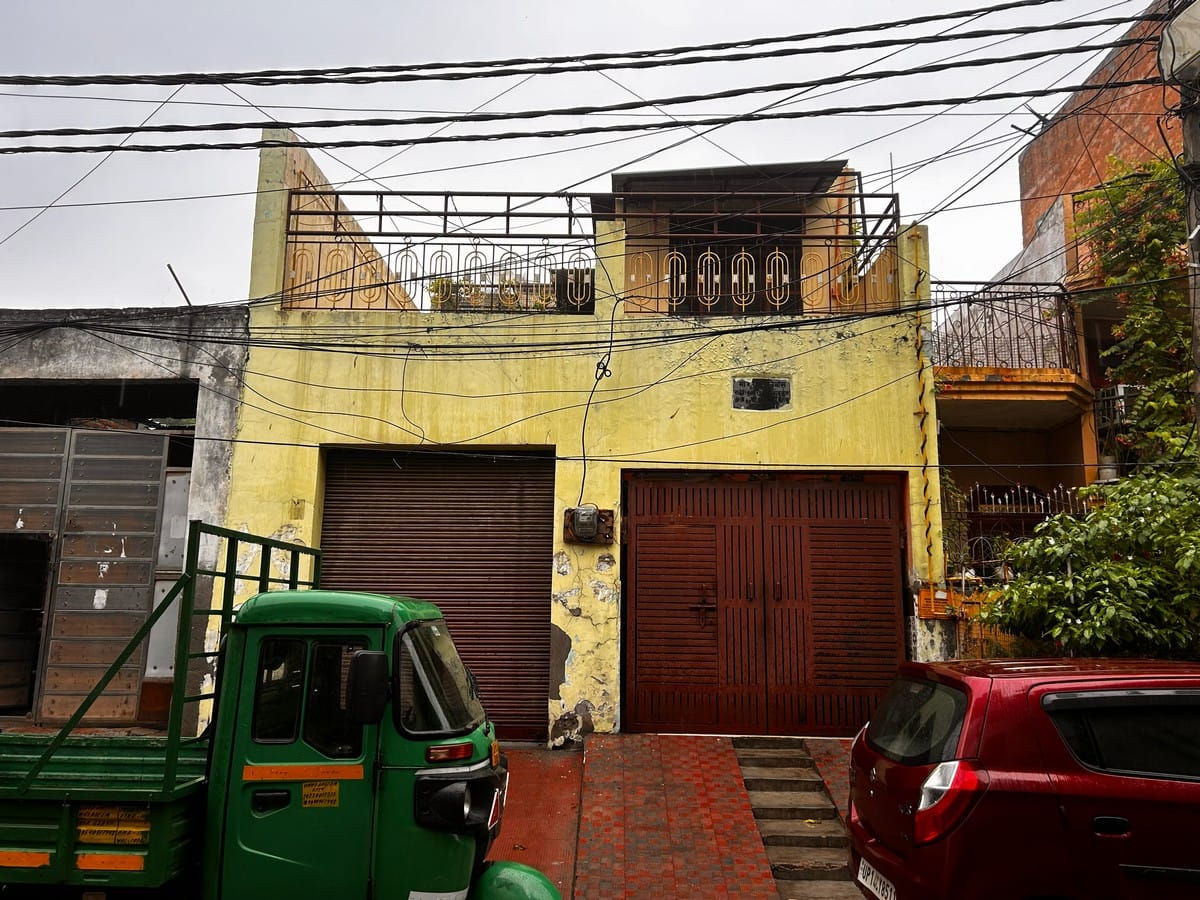
Ghaziabad: Last year, Rajesh Kumar visited the Ghaziabad Municipal Corporation to transfer ownership of his one-storey house and rooftop room to his son, Jatin. This year, he returned to the same office to collect his son’s death certificate.
Two days before the re-NEET exam on 21 June, Jatin left a video message for his family. In it, he said neither his father nor anyone in the family had ever pressured him. Rajesh and the rest of the family hadn’t seen the video themselves; the police told them about its content.
“I was left with a question — what pain was he carrying all alone?” Rajesh told ThePrint on a call from Saharanpur, where he works as a government employee. Jatin lived with his mother and younger sister in Ghaziabad’s Vijay Nagar. After his death, the family packed up and left for Saharanpur too.
“It was difficult for my wife and daughter to stay in that house,” Rajesh said.
This was Jatin’s fifth NEET attempt since 2022. The 2024 cancellation had already shaken his confidence; this year’s cancellation landed on top of that.
Both Jatin and his sister were sitting the test this year. Rajesh had planned to take them to the exam centre. In his last conversation with him, on 18 June, Jatin told him he will go to the centre with his friend.
Rajesh remembers a responsible elder son who listened to his parents, and whose two interests outside of MBBS were the gym and a good meal with family. Jatin was ready to take an education loan to fund his own studies, so his father could use the family’s savings for his sister’s medical education instead.
On the night of 18 June, before heading to their rooms, the siblings sat in the drawing room deciding what to order for a late-night snack. It was too late, his sister said. They agreed the meal was pending — for after the NEET re-exam, once their father was home.
Jatin’s sister couldn’t sit the exam either. Rajesh said she was traumatised; she is expected to attempt it again next year, likely the family’s last try.
“I don’t believe this system gives children enough chances. One exam decides everything. If a child has one bad day, a year is lost. There should be multiple opportunities throughout the year to prove themselves — that’s how talent survives. One exam cannot decide a young person’s entire future,” Rajesh said.
In his final video, made with a faint smile, Jatin said: “Ab man nahi hai, ab kuch naya karte hai (I don’t feel like it anymore, let’s do something new now).”
S Gopika, 19, Tamil Nadu
Salem: In the days after Gopika’s death, her family found her diary filled with pages that just said “Sorry.” On one page, she had drawn a table: Why die versus why live. Under reasons to die, she had written: You cannot crack NEET. Fourth attempt. You cannot score 630 marks, so why live. Under reasons to live: Watch anime, go out with family, drawing, stitching.
“We realised only after her death that she had been fighting these thoughts since the cancellation, and that everything she did in her last weeks was a bucket list,” her sister Narmadha said.
Gopika died on 19 June, three days after turning 19 — a birthday celebrated with a brownie cake and a trip to the mall. Her family believes the re-NEET announcement broke something in a girl who had spent over two years preparing alone, and who had finally believed she had done enough.
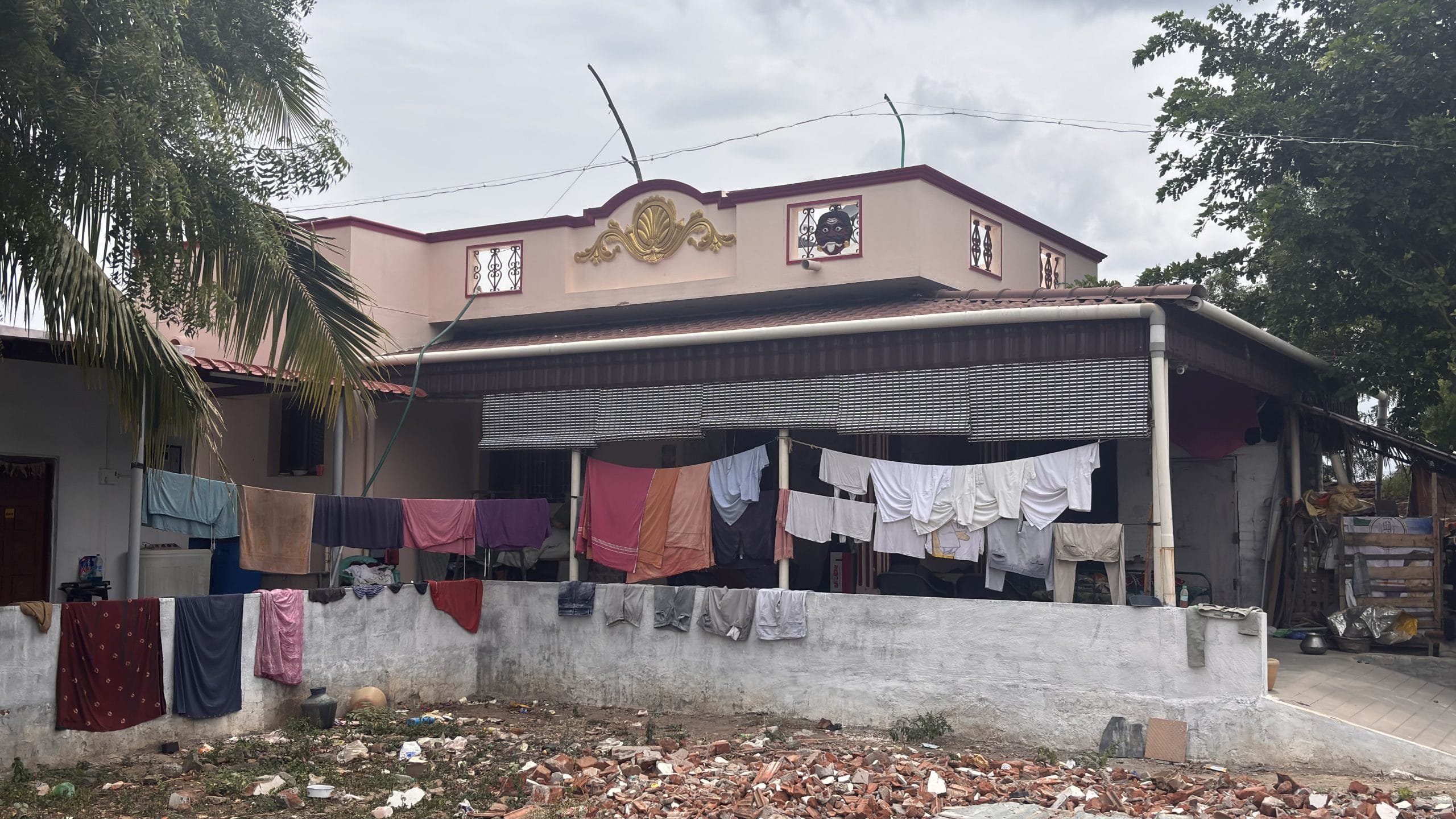
“My daughter wanted to become a doctor from Class 8,” Bhuvaneshwari said. “I studied only till Class 7, her father till Class 8. We don’t have graduates in our family. We wanted our daughters to achieve what we never could.”
Her mother earns about Rs 450 a day as a temporary corporation worker; her father runs a small salon. They moved Gopika to a government school after Class 5 when they could no longer afford private fees. They then mortgaged their house to buy her guidebooks, a laptop, and pay for her NEET years.
Coaching institutes quoted nearly Rs 1.5 lakh; Gopika chose to study from home instead, finding hostel schedules too rigid. Her parents would have paid for coaching, but they let her choose.
“She was bold and determined. If she decided to do something, she would achieve it,” her father Shekar said. “She was class leader, always stood first.”
This was her third NEET attempt. Afterward, she was finally relieved — she estimated she would scored between 580 and 610, enough for a real shot at medicine, or at least BDS or another allied course.
The days that followed were among the happiest the family could remember.
“She celebrated with ice cream and sweets. She finally started using Instagram, learned stitching, went out with us. Before the exam, her life was only studying,” her mother said. Her sister says it felt like Gopika had gotten her life back.
Then came the re-NEET announcement.
“She had already endured three years of pressure. She told us she didn’t know if she could go through it all again. We kept telling her not to worry — that we would support her, whatever happened,” Bhuvaneshwari said.
Her sister says Gopika didn’t show distress after those first few days.
“We thought she had started preparing for counselling. She was researching college fees, sending us the details over WhatsApp,” Narmadha said.
The day before her birthday, she insisted on visiting a zoo, and stayed all day, reluctant to leave. The next day: a brownie cake, a new dress, the mall.
“We thought she was just excited — college would start soon, and she would miss being with us,” her mother said.
She had also started sleeping beside her parents instead of her sister, and spent more time with relatives — which the family read, at the time, as a daughter growing sentimental about leaving home.
On 19 June, her parents were at a funeral, her grandfather at a hospital for an eye check-up, her grandmother at a government office about daily-wage work. Gopika spoke to her grandfather on the phone for nearly 21 minutes.
“She asked me to wait patiently for the doctor, to take care of myself,” he recalled. “There wasn’t the smallest hint anything was wrong. She used to put my eye drops in for me. After her, I stopped using them.”
When her parents got home, they assumed she was inside studying.
“I called out through the window, asked her to bring me water. I asked why she was standing there, not moving. Then I saw the rope, and I fainted,” Bhuvaneshwari said.
They broke the door down and rushed her to the hospital. She couldn’t be saved.
“She kept saying, ‘Miss you Daddy, miss you Mummy, come back soon,’ before we left that morning,” her mother said. “I even brought her food. I had packed her lunch for when I got back.”
Her family had been alone with her that day for only 45 minutes.
“She was waiting for a chance to be alone — but we are a joint family, so she never had the opportunity. On the 19th, she finally had 45 minutes,” Narmadha said. “The fear of appearing for the exam again had settled so deep that she decided she’d rather die.”
For the family, it has stopped being about one exam.
“We don’t need any other child to lose their life for NEET. Students shouldn’t feel one exam decides whether they deserve to live.”
Shruti Sahu, 18, Uttar Pradesh
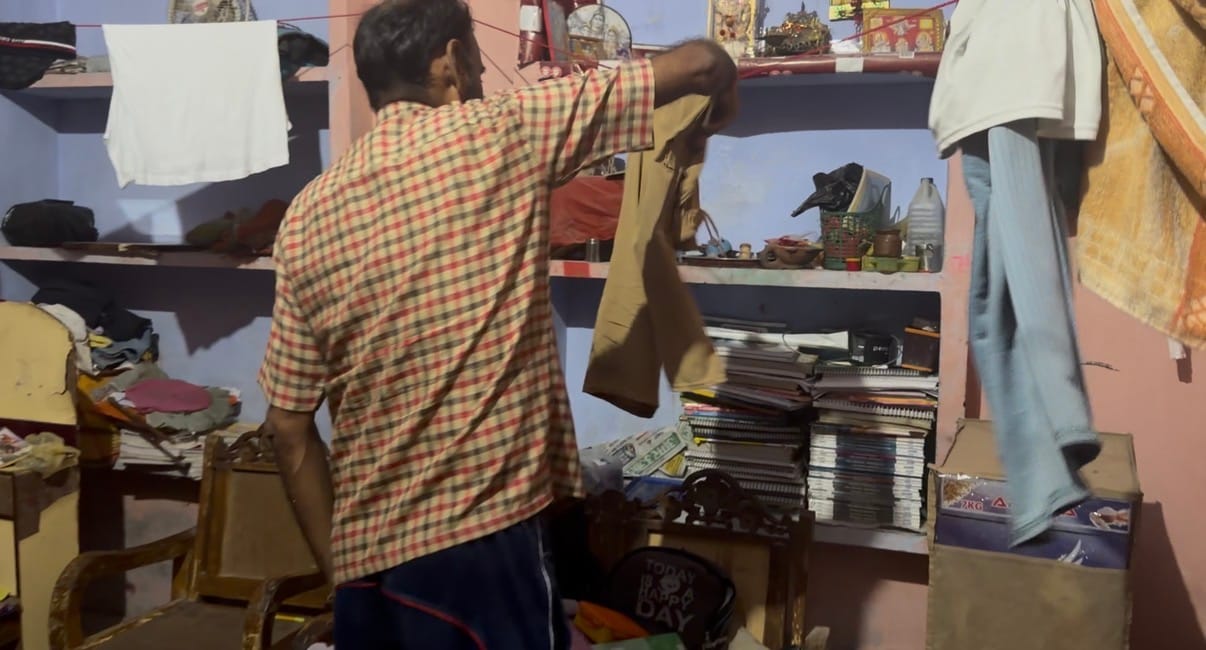
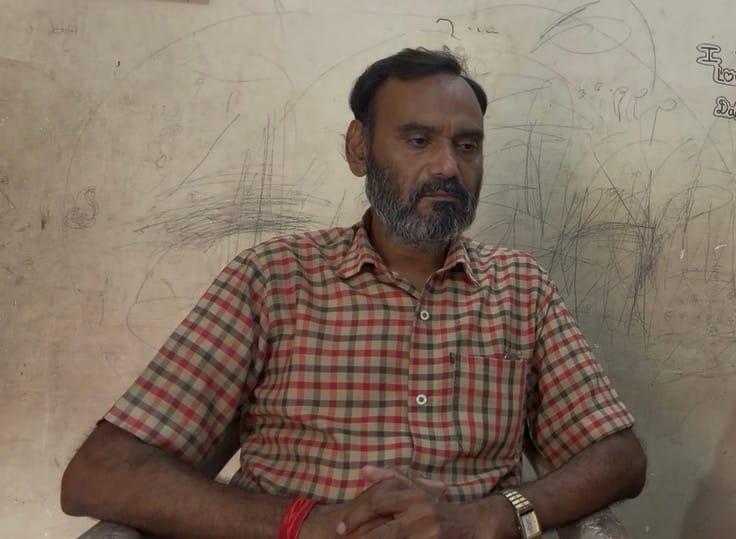
Hamirpur: The ants keep returning no matter how many times Jyotsna, a student of Class 11, mops them away. Her room is at the entrance of the house and has a few plastic chairs and a wooden takhat. This is where Mahendra Pal, a mathematics teacher at a private school in Rath, 160 km from Kanpur, has sat down to talk about his eldest daughter, Shruti.
Pal was stretching his income as far as he could to educate his three daughters and a son. He was certain that whatever it cost him, Shruti’s success would eventually hold the rest of the family up.
“She was preparing for NEET in Kota for the last two years. I sent her there, spending everything I had. Even if I had a single roti to eat and remained half hungry, I never neglected my children’s education,” Pal says. “I always thought if she does something good with her life, she will be a support for my other children.”
For a while, it looked as though that expectation was about to be met. Shruti sat her first NEET exam and called Pal, certain in a way that made him certain too. Two days later, that certainty collapsed — not because of anything she had done, but because of a paper leak that cancelled the exam. Pal went to Kota himself, brought her home, found her a library near the house so the momentum of two years of work wouldn’t be lost, and told her, as fathers do, that this was survivable.
“She told me she would get 600 plus marks. When it became clear the exam was being cancelled, she started getting very nervous,” he says. “I told her not to worry, and that she can give the test again.”
The exam was rescheduled to a centre closer to home, DBC College. When Shruti came out, Pal asked her the only question that mattered to him. She told him it had gone well — tougher than before, but well. In the days after, checking her answers against the key, she settled on a number she believed would clear the cutoff, a number that let both of them exhale.
“Was the paper okay?,” he recalls asking her. She told him it was good, that the paper was tough, but her marks should be around 550 plus. That figure was comfortably above what she believed she needed — the previous year’s cutoff had been roughly 524.
The results came on 16 July. Shruti checked them the next day, and the number she had allowed herself to believe she would score did not hold.
“Her marks came down to less than 500,” Pal said. “So she got a little nervous. She said, ‘Dad, my marks have gone down’. I told her, ‘No problem, give it again next year. It will be done next year. You have worked hard, you do not have to worry. But don’t take the pressure’.”
He believed he had said the right thing that evening.
The night of 18 July, Shruti cooked rotis for her father and younger brother. The three sisters went to the terrace later, the way they often did, close in a particular way siblings raised together tend to be — until Shruti asked them to go back down, telling them she needed to get back to her books. Pal, worn out, fell asleep on the floor mat with Tarun beside him. An hour later, around 9.30, Shruti came and lay down next to them and told her father she was not going to survive.
He woke to find her throat already swollen. He asked her what she had done. Through the swelling, she told him: pesticide, the one kept in the house for ants.
An ambulance arrived quickly. He carried her first to the community health centre, then to the Urai Medical College, where doctors worked through the night before telling him, at 1 am, that she was gone.
“The doctors tried a lot,” he says. “But the poison had gone deep.”
What remains for Pal is not just grief. He feels that his daughter did not fail an exam so much as she was failed by everything surrounding it.
“There are some policies of the government because of which the children are in this situation,” he says.
He points to the gap between what schools are permitted to teach and what competitive exams actually demand.
“There are a lot of topics I teach that are not even in the syllabus of inter and high school — and they are in the competition. Those who have money will get education. Those who don’t have money will remain uneducated. The syllabus is only preparing them for unemployment.”
He is left now with three children and hopes for compensation that might go toward their schooling. He does not know yet whether he can bring himself to point any of them back toward the exam that took his eldest daughter’s last two years, and then took her.
Chanchal Bharti, 22, Uttar Pradesh
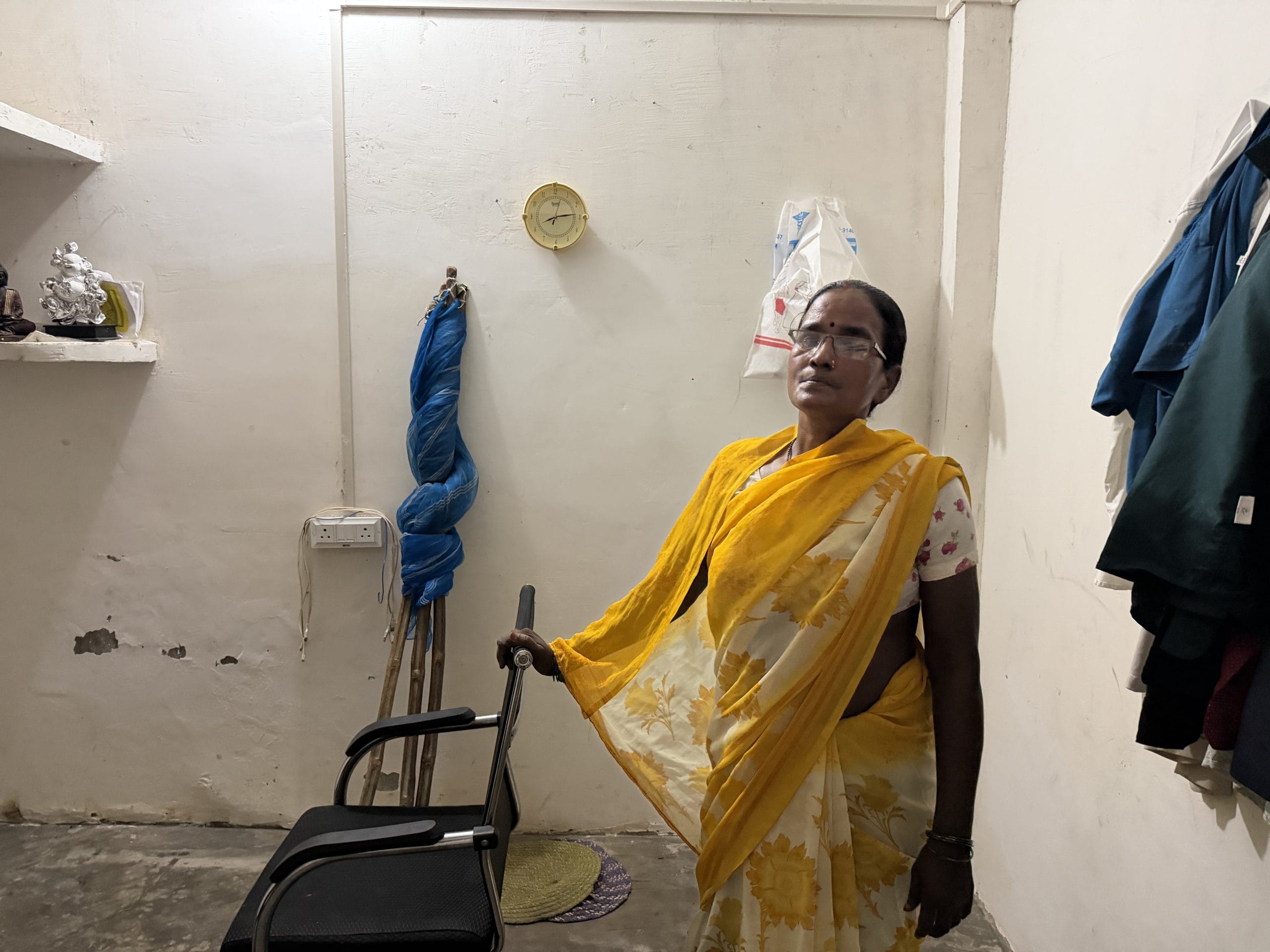
Maharajganj: There is one chair in the two-room house in Kanchanpura village, Maharajganj — a swivel office chair her brother Ravi Pratap Gautam bought her. Chanchal spent 15 to 16 hours a day in it, studying for NEET. Nobody sits in it now.
The entire predominantly Dalit village was rooting hard for Chanchal. Hers was the only household with one child already in medical college and a second following behind.
Her older brother Abhinav, in his final year of MBBS at a government medical college in Deoria, was the family’s benchmark.
“She used to say, ‘I will also become a doctor, and I won’t let my father work as a labourer anymore,'” Ravi recalled.
Chanchal had been preparing for three years, barely pausing even to eat. She was relieved after the first exam in May; when the paper leak forced a re-test, it undid something in her — though she tried not to let it show.
On 26 May, the family celebrated Abhinav’s engagement. Chanchal danced with Ravi to the DJ, grinning in a powder-blue gown — dancing together was always their thing.
She sat the re-NEET on 21 June and came home upbeat.
“She came back very happy from the exam hall,” Ravi said. He called Abhinav and joked that Chanchal had “become a doctor,” the paper had gone so well. The family celebrated with her favourite meal and kulfi.
The next day, she calculated her score.
“There were a lot of cross marks against her answers. She hanged herself from the ceiling fan, thinking she hadn’t done well,” Ravi said.
She left a note for Abhinav, her idol, written across the top of her question paper: Mere se kuch nahi ho sakta bhaiya ji — I can’t do anything, brother.
“I spent 24 hours outside the post-mortem room. I wasn’t ready to let her go. She used to serve me food, and we would eat together. Every day I think about how I couldn’t do anything for her,” Ravi said.
He scrolls through old WhatsApp chats now, with the sister he calls his best friend.
“I would tease her by clicking bad pictures of her and sharing them on WhatsApp. There is a void now. Re-NEET is responsible for my sister’s death.”
Her mother, Geeta, keeps replaying the years leading up to it.
“Whenever I woke in the night, I would find her studying. It wasn’t easy, what she was putting herself through. Had I known what she was carrying, I would have asked her to stop.” Chanchal used to tell her mother main himmat nahi harungi — I won’t lose courage. “In the end, she lost himmat,” Geeta said.
Her books are wrapped in a gunny sack, on a high ledge now. The chair is still there.
“We used to call it a VIP chair in our house,” Ravi said. “But we lost the VIP.”
S Anukeerthana, 19, Tamil Nadu
Coimbatore: Whenever Anukeerthana heard about a NEET student’s suicide, she used to ask why. Why hadn’t they worked harder, or just moved on? Her mother, Sakthi, never imagined her own daughter would become one of them.
“We did not imagine that she herself would do something like this,” Sakthi said.
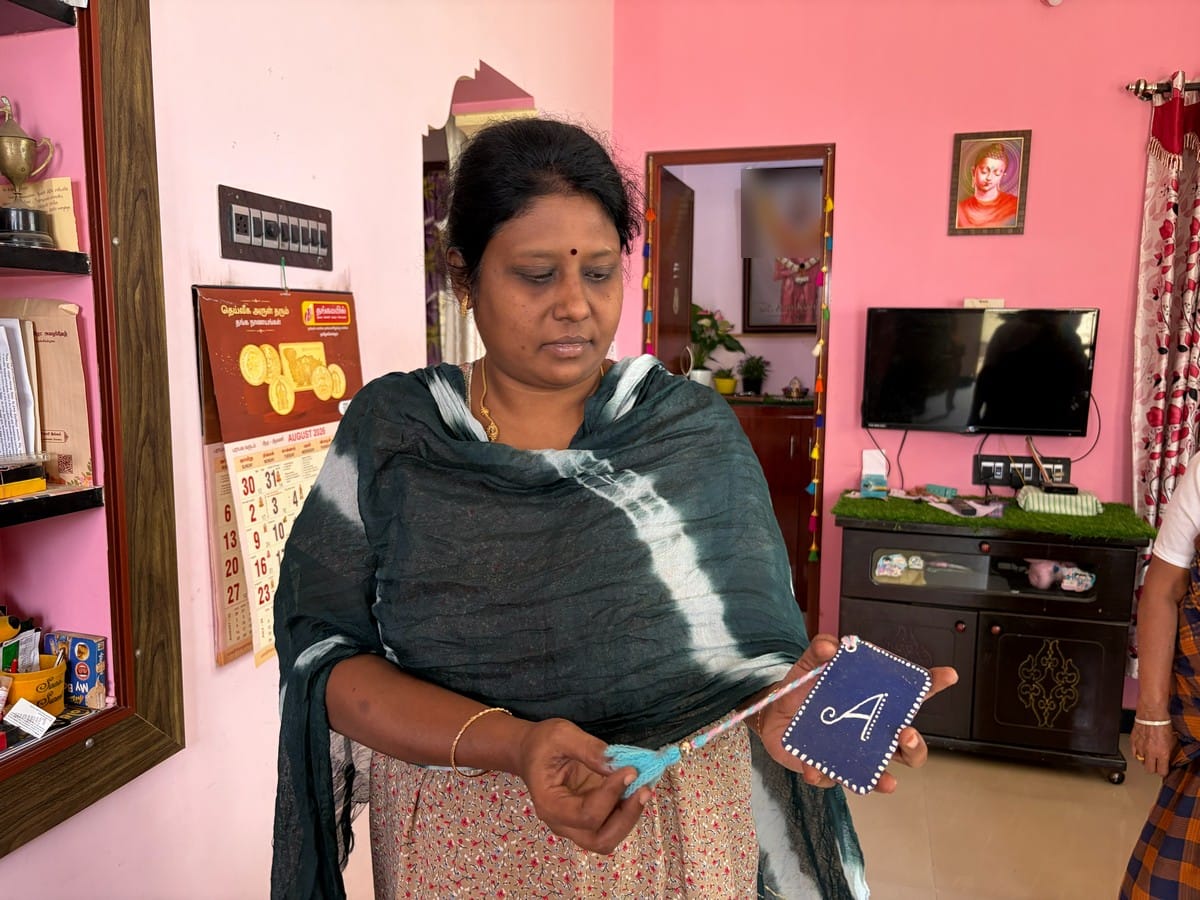
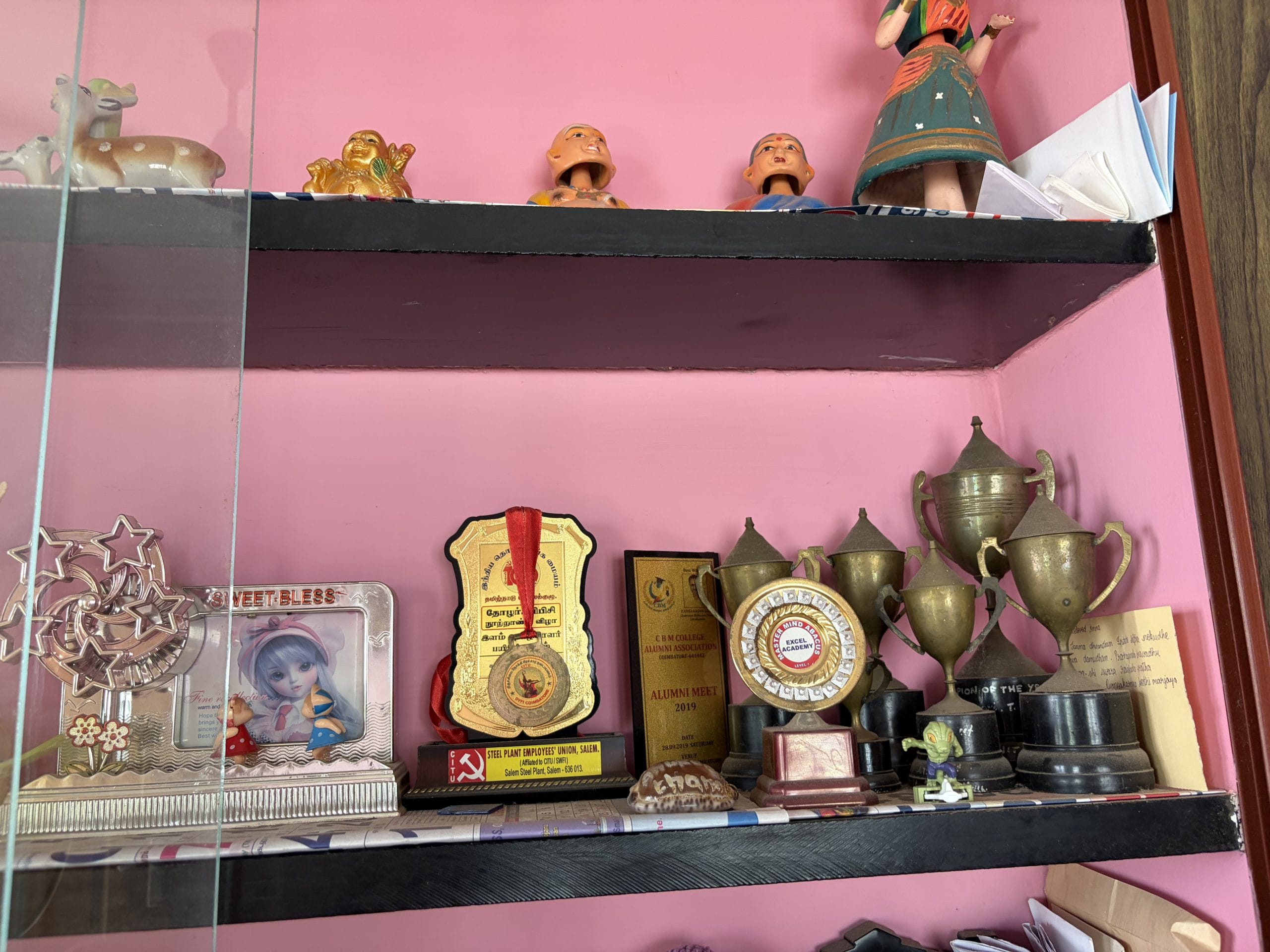
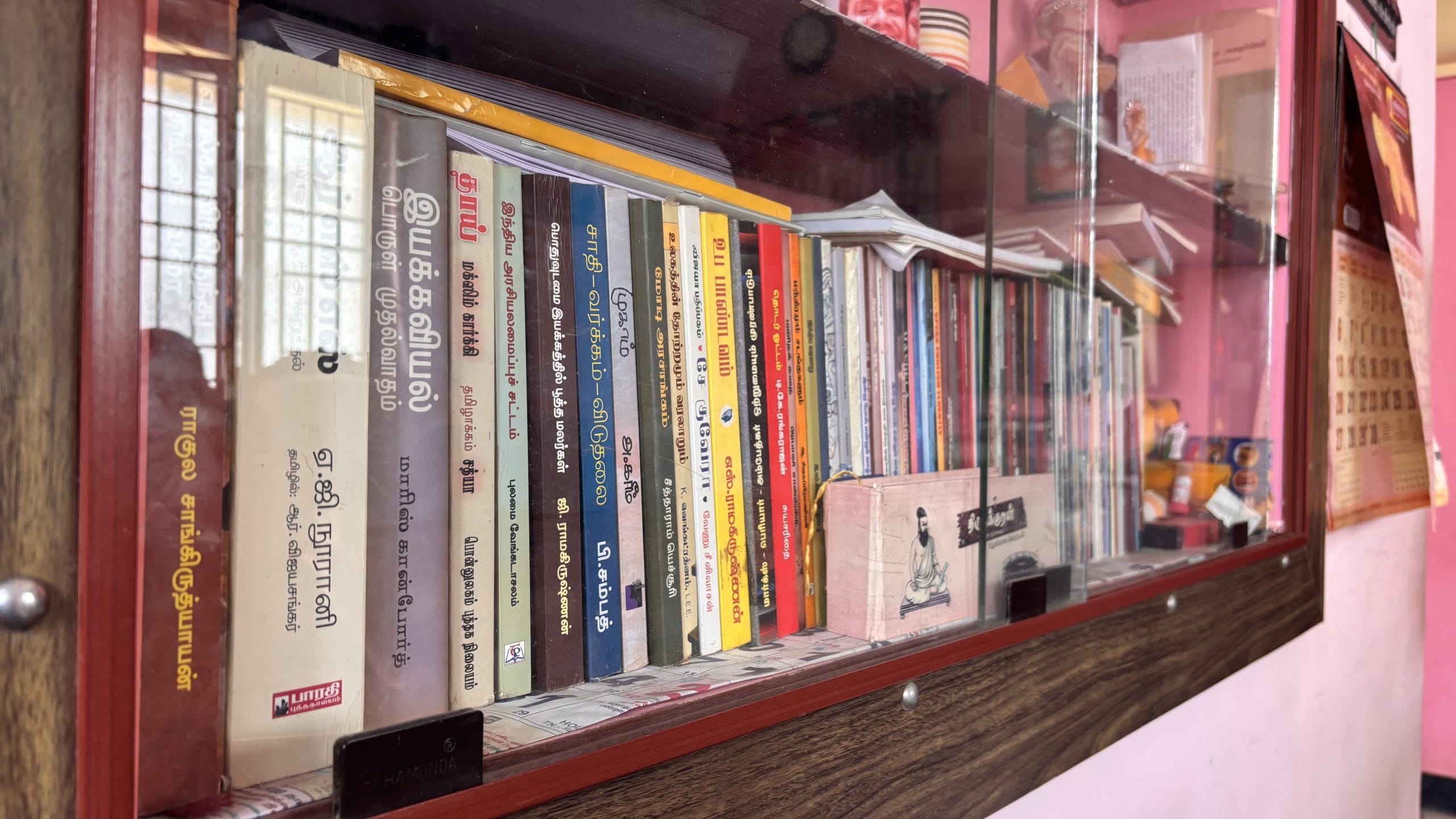
Anukeerthana, called Anu at home, had wanted to be a doctor since Class 10. She threw herself into NEET preparation, making careful, lucid notes that she shared with her cousins and younger sister Pavithra. Her beloved arts and crafts gradually fell by the wayside. She scored 84 per cent in Class 12 and first attempted NEET in 2024. The following year she moved to a coaching institute in Salem, living in a PG hostel. The coaching cost Rs 4 lakh a year, a considerable expense for the middle-class family, but they wanted to fulfil her dream.

After the 3 May exam, she checked her answers against the key and was pleased.
“A private agency assured us she would get a BDS [Bachelor of Dental Surgery] seat under the government quota, possibly Nilgiris or Pudukkottai, with a shot at MBBS in the stray vacancy round. She said even if she gets a BDS seat, she would take it,” said her father, Senthil Prabhu.
The relief lasted a few days. Then the paper leak allegations surfaced, the exam was cancelled, and a re-test was set for 21 June. Coaching centres and YouTube channels began warning the new paper would be brutally hard.
“We told her she had a good chance, that she could always choose something else. But the institutes kept saying: don’t expect it to be moderate,” Senthil said.
Anukeerthana took the warnings as a verdict on two years of work. She worried about the money her father had spent, and wouldn’t consider other fields.
“If I join this year, the students who studied with me will already be in their third year. How will that be right?” she had said.
She didn’t show the extent of her distress. On 16 June she cooked dinner, talked with her cousins and mother late into the night, and was still studying at 1 am.
An hour later, her father got a call from her cousin Kavishree, alarmed by a text: Love you Kavi, thanks for everything.
Anukeerthana had consumed poison. She died in hospital the next day.
Sakthi keeps returning to the same question — why didn’t her daughter say anything? She says she watched her closely and saw no change, even the night before. But Kavishree, in hindsight, says Anukeerthana had built her entire identity around becoming a doctor, and the re-exam had cut deeper than anyone realised.
“If there had been no re-NEET, she would be alive today. A month before, she had joked that this exam would take my life,” Kavishree said.
Senthil calls the system a “tiger’s cage” — one that traps students even when they want to walk away.
“The children feel they will be mocked if they leave. They don’t say it out loud. They just keep it in their minds,” he said.
Anukeerthana’s death has changed her sister too. Pavithra, in Class 11, still wants to be an engineer, but no longer wants to leave home for it.
The six cousins who used to gather so happily now carry a silence that won’t lift.
Riya Kumari Thapa, 23, Uttarakhand
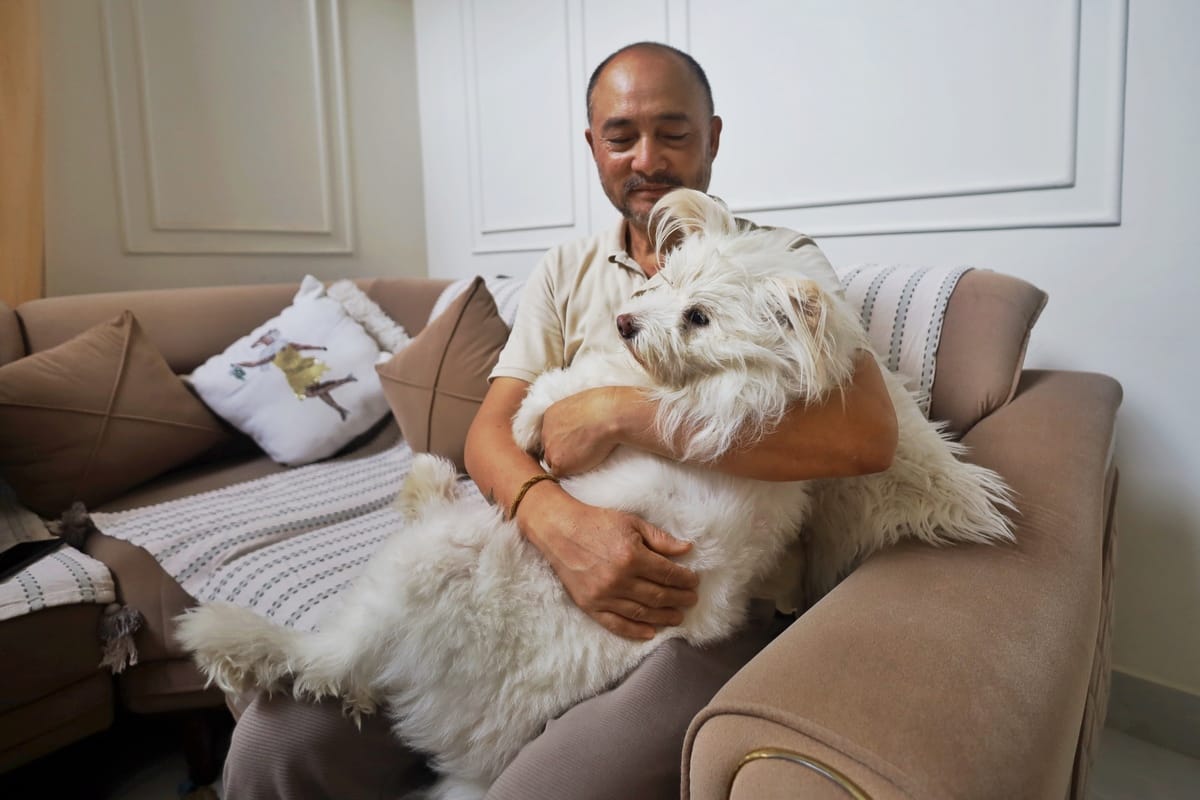
Dehradun: In front of a tree not far from their house, the Thapa family laid out a spread: Korean kimbap, KFC, rice, and dal. They were among 23-year-old Riya’s favourite foods, offered as part of a Hindu ritual 45 days after her death.
The NEET aspirant from Dehradun died by suicide on 16 June, more than a month after the exam was cancelled. She had wanted to be a doctor since school, and not just any doctor.
“My daughter had only one dream, to become a doctor in the Armed Forces Medical Services. That dream will now remain unfinished,” said her father, Rajesh Mall Thapa, a retired Army serviceman.
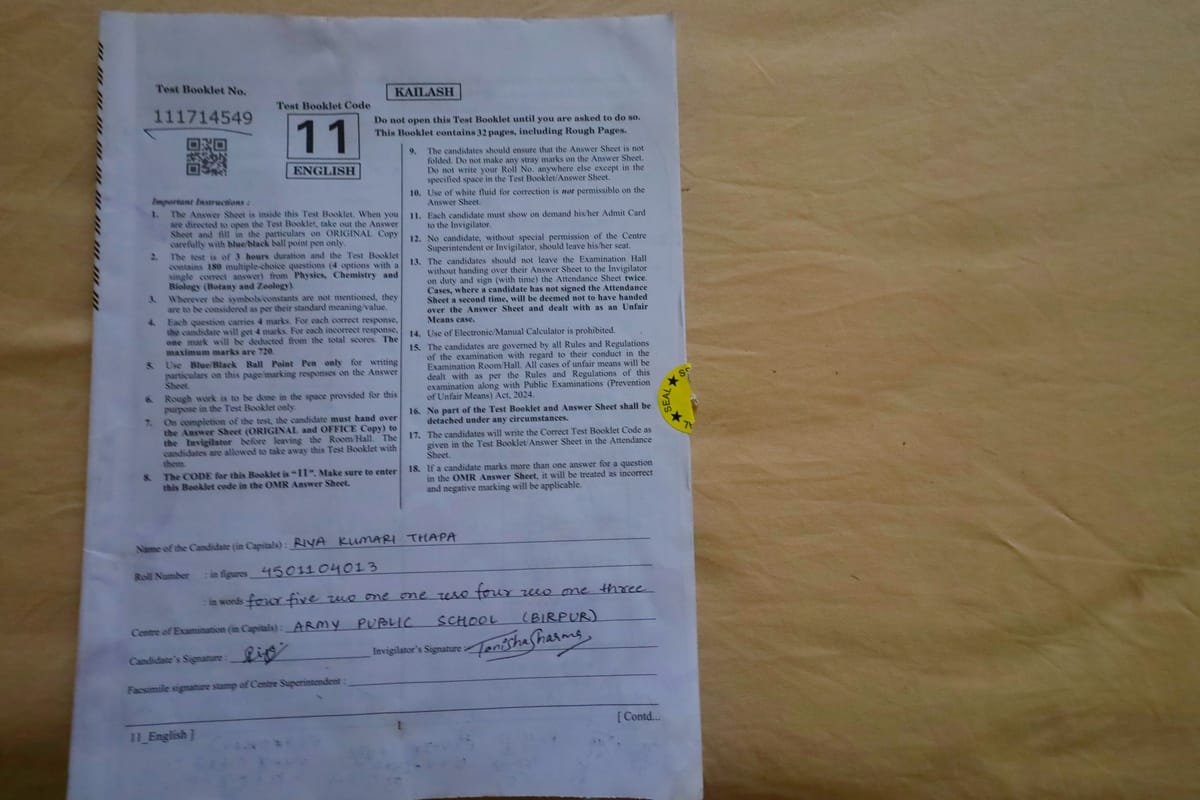
Riya’s father had fought in Kargil, her grandfather in the wars of 1965 and 1971, and her great-grandfather in WW-II. And so, she had set her heart on joining the Armed Forces Medical Services (AFMS). She scored 400 when she took NEET for the first time in 2023, but despite offers of scholarships from private colleges, she wanted a higher score to get into the AFMS.
The next try didn’t work out, despite 19 hours of study a day and coaching at a premier institute. She couldn’t finish the NEET 2024 paper—she was unwell that day. And so she took a gap year and tried again. She saw it as her last chance.
“She had a good exam,” said Thapa. She returned home in the evening, ordered her favourite food online, and slept for the next 24 hours. Her plan was to catch up on Korean shows, learn to ride a scooty, and play with her dogs. Those were happy days, till the news flashed: “NEET paper leak”.
She rushed to tell her father.
“It happened because of NTA,” she said. She was already disillusioned with the national testing agency, according to Thapa. She had often complained to him about the agency, about how it kept leaking papers despite all its rigid rules.
“My daughter wanted a ban on the NTA,” he added.
Riya returned to her routine—19-hour study days, buried in books once again. But this time, something had changed. She withdrew into herself, spending more and more time alone in her room.
She started saying, “I had made a schedule, designed my syllabus for a year, now I have to do it again.”
On 15 June, she played with her pet dogs, rescued a lizard, clicked pictures of it, and sent them to her mother.
Rajesh Thapa was at a temple when the call came. He ran home.
“She left us a note,” he said. “It read– I didn’t want to be a burden. I love you.”
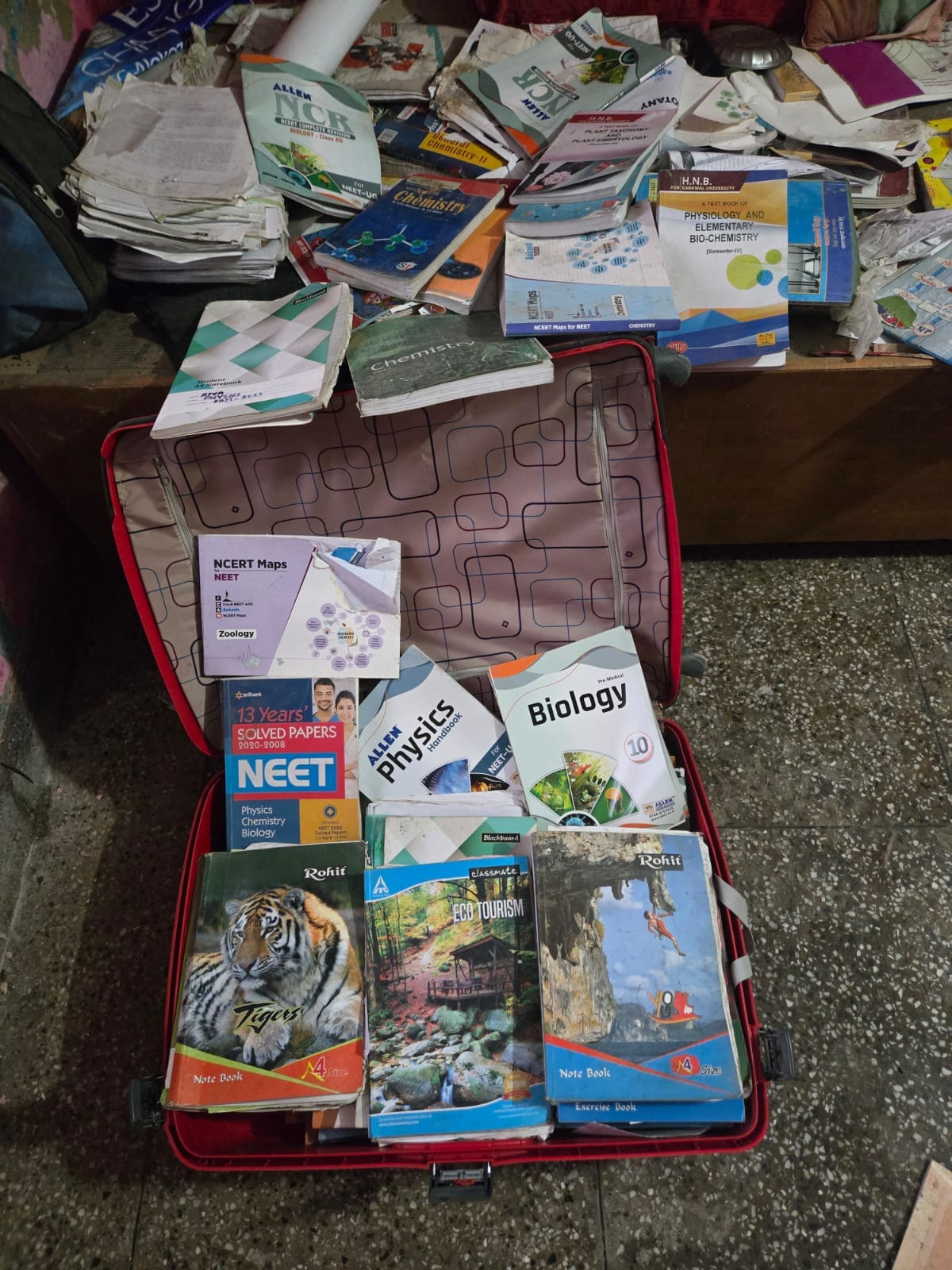
Today, Riya’s room is much as she left it. Her bed, water bottle, bag, and a miniature of her favourite anime character, Naruto, are untouched. But the books have been stuffed into a large suitcase and stored away. What once symbolised Riya’s dream of becoming a doctor now stands as a reminder of her family’s lifelong grief.
“I could not see those books anymore,” said Thapa.
Angry and distraught, Thapa and a few others from the neighbourhood joined the CJP protest on 20 July, holding “Ban NTA” posters. Riya’s siblings did their bit too.
“My kids sent food at the protest site through Zomato,” said Thapa.
While he is glad that Dharmendra Pradhan resigned, he wants bigger changes so that students like his daughter can have a fair chance.
“NEET’s failure took my daughter away,” he said. “She would have become a doctor, it’s the nation’s loss.”
Anshika Pandey, 21, New Delhi
New Delhi: On 11 November last year, Anshika ‘manifested’ a goal for a year later: 11|11|2026.
“I will already be pursuing MBBS, I will had already cleared NEET. I am medical student [sic],” she wrote in her journal.
This year was her third NEET attempt, and she was convinced that this time was the charm. Two days after the paper cancellation was announced, she took her own life.
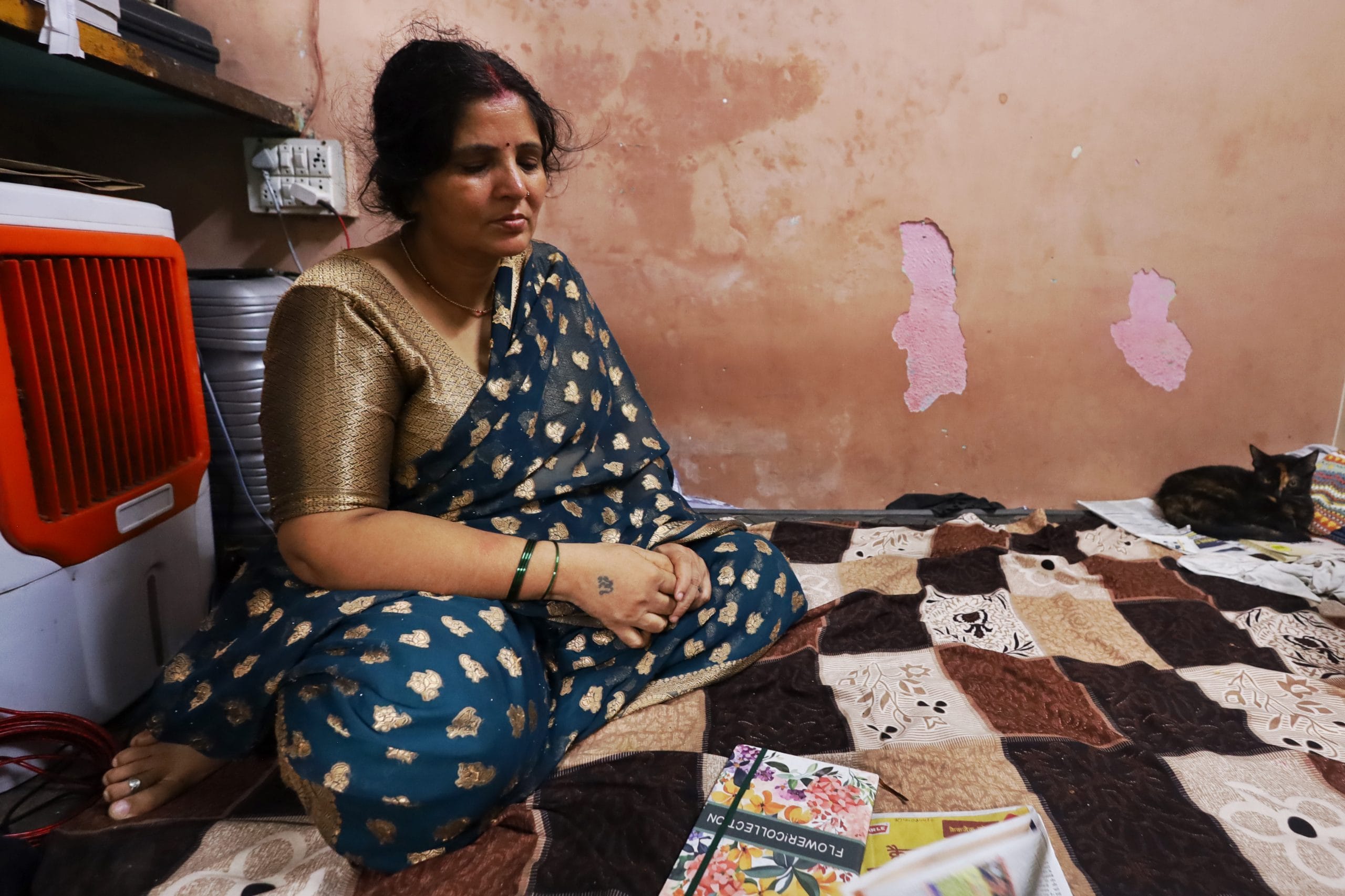
The Pandey family has lived in Delhi’s Lal Bagh JJ Cluster in Azadpur since 2009. Their home — three rooms stacked one above the other — is tucked deep inside a maze of narrow lanes, hemmed in by rows of tightly packed houses.
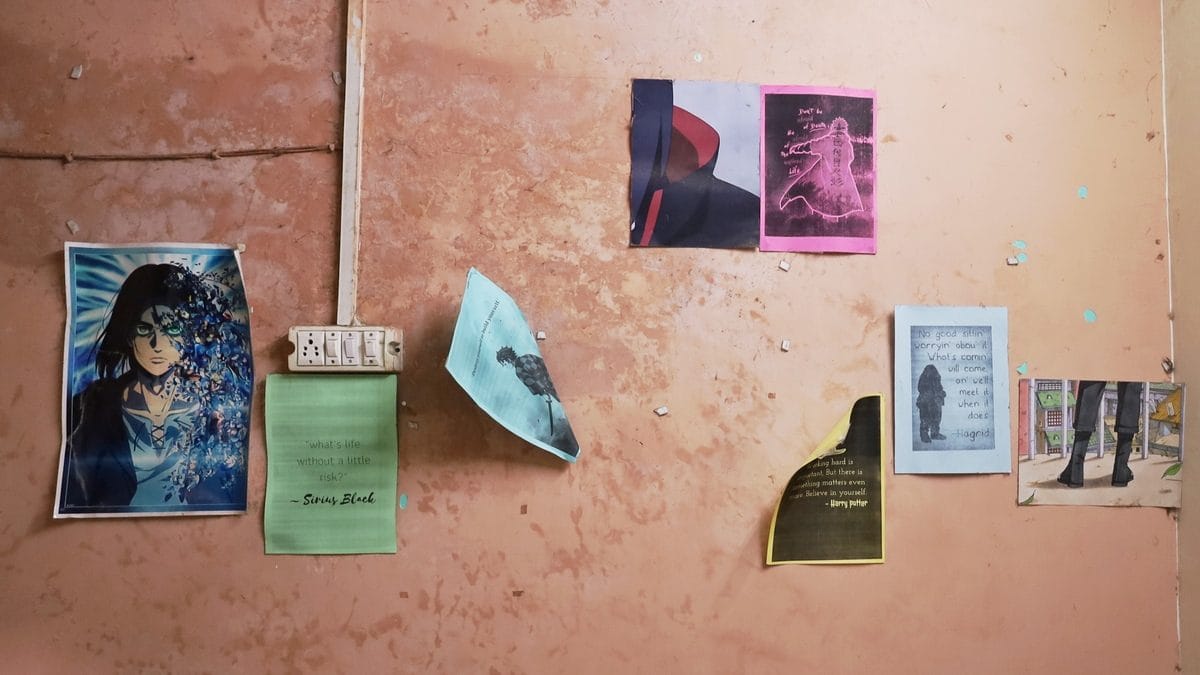
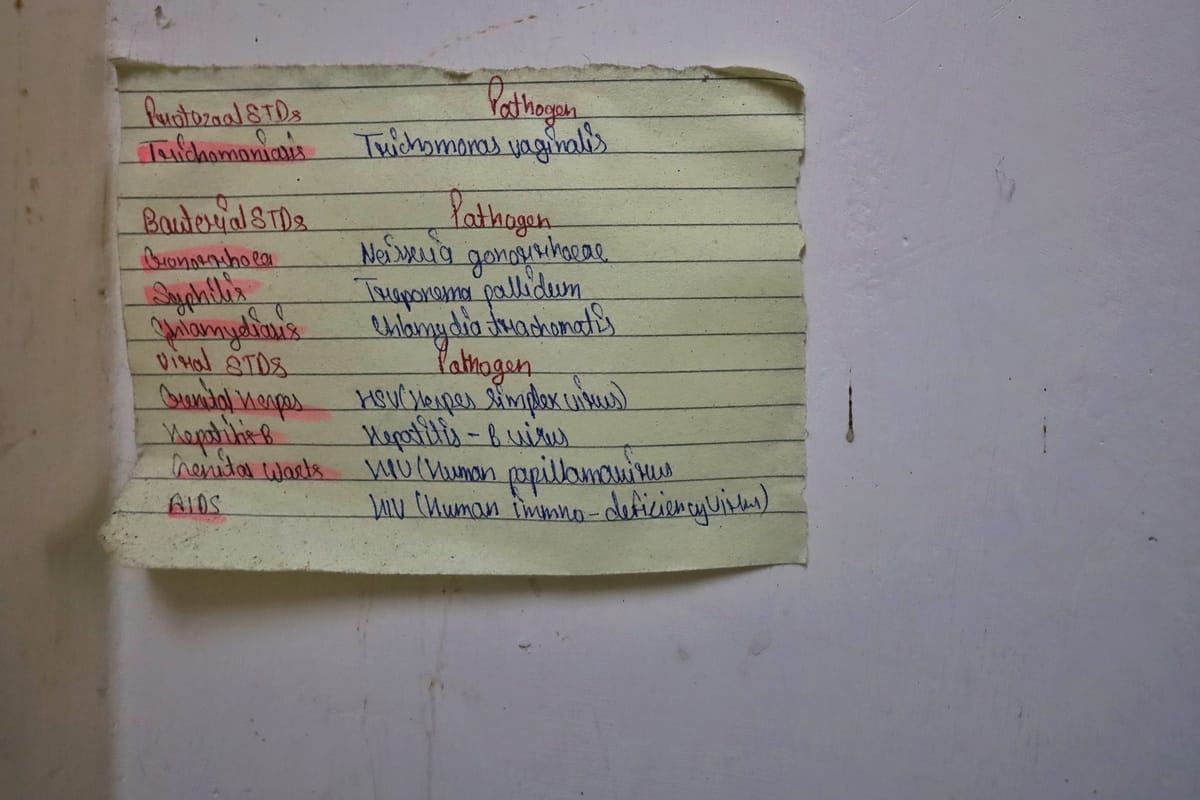
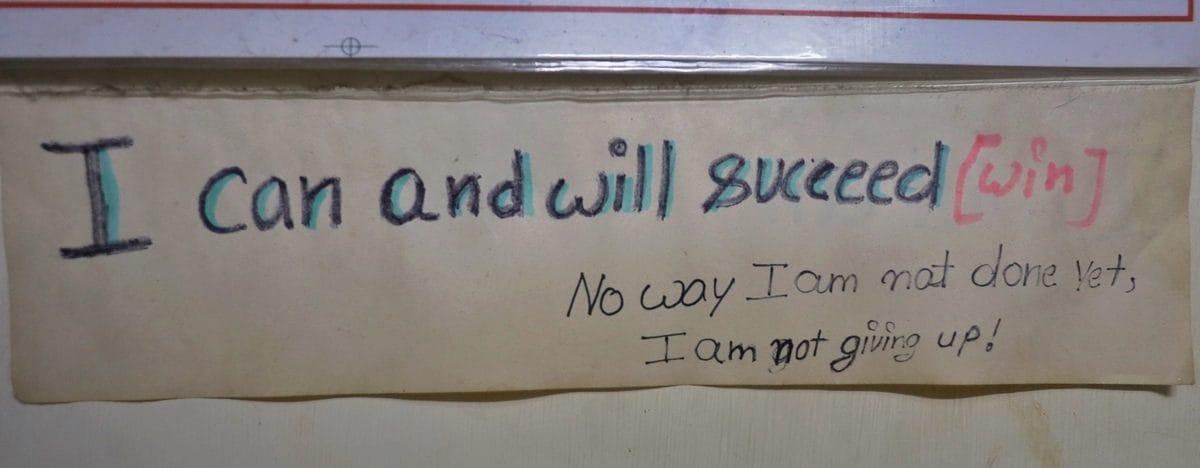
Anshika shared a matchbox-sized room with her three siblings, studying 12 to 13 hours a day, mostly at night under a tubelight. Her family got used to it. Her pink-painted walls were decorated with anime sketches, biology notes, and an inspirational quote: “I can and will succeed (win).. No way, I am not done yet, I am not giving up!” A pile of NEET preparation books—Physics, Chemistry, question banks—gathers dust in one corner of Anshika’s room.
Her desire to become a doctor began to crystallise during the pandemic in 2020, when her father, Indradhar Pandey, was diagnosed with a liver abscess. Though she was a twin, Anshika was considered the eldest child and took on the responsibility of running from pillar to post at the hospital with her mother.
“This experience changed her. She told us she wanted to become a doctor and help people in times like these,” Indradhar said.
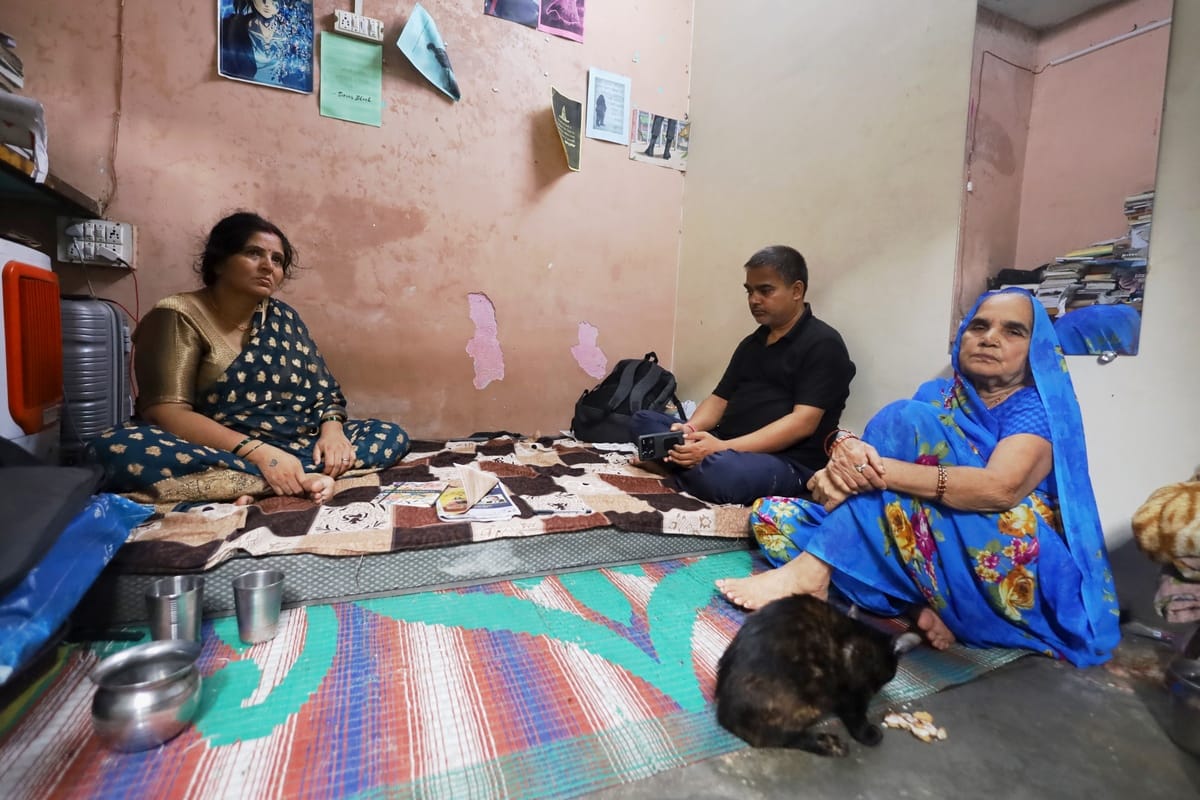
Three years later, she began preparing in earnest. Anshika was one of the brightest students in her class. Her potential was spotted by Teach For India fellows at her school, who gave her extra classes to help lay the groundwork for NEET.
To support her studies and lighten the load on her family, Anshika worked a four-hour daily shift at a Zudio store in Kamla Nagar.
When news of the exam cancellation broke, she ran to her father in distress.
“She said in 2024 the paper leaked, in 2025 the paper was difficult, and now when the paper was easy and she could finally get a good college, the test was cancelled,” Indradhar recalled.
The next day, on 13th, Anshika threw a playful tantrum when her father came home from work empty-handed.
“You did not get watermelon,” she complained.
“Tomorrow I will get it for you,” he promised.
The next day, she spoke to her mother, who asked her to cook something for her siblings, and then left home as though she were heading to work at Zudio.
Instead, she climbed the external stairs to the rooftop room, locked herself inside and never came back.
“I touched my daughter. Her body had already turned cold,” said her mother, Gunja Pandey, breaking down.
The parents now spend their evenings in her room. Among the textbooks on pathogens and thermodynamics is a five-year-old sketchbook filled with drawings of Bhagat Singh, MK Gandhi, Naruto and Elsa. On the back of one sketch of an anime girl, Anshika had written in neat cursive: “I had drawn this because I was feeling lonely.”
Her journal also contains pages about finding peace through spiritual means. “Our daughter read the Gita. She was a follower of Lord Krishna,” Gunja said.
On 19 July, Anshika’s father went to the CJP protest at Jantar Mantar, but returned home unconvinced that political demonstrations would change anything.
“This will not bring my daughter back, nor Dharmendra Pradhan’s resignation,” he said. But for both parents, Abhijeet Dipke is at least someone who cares.
“Dipke tried. He sat there for so many days,” said Gunja.
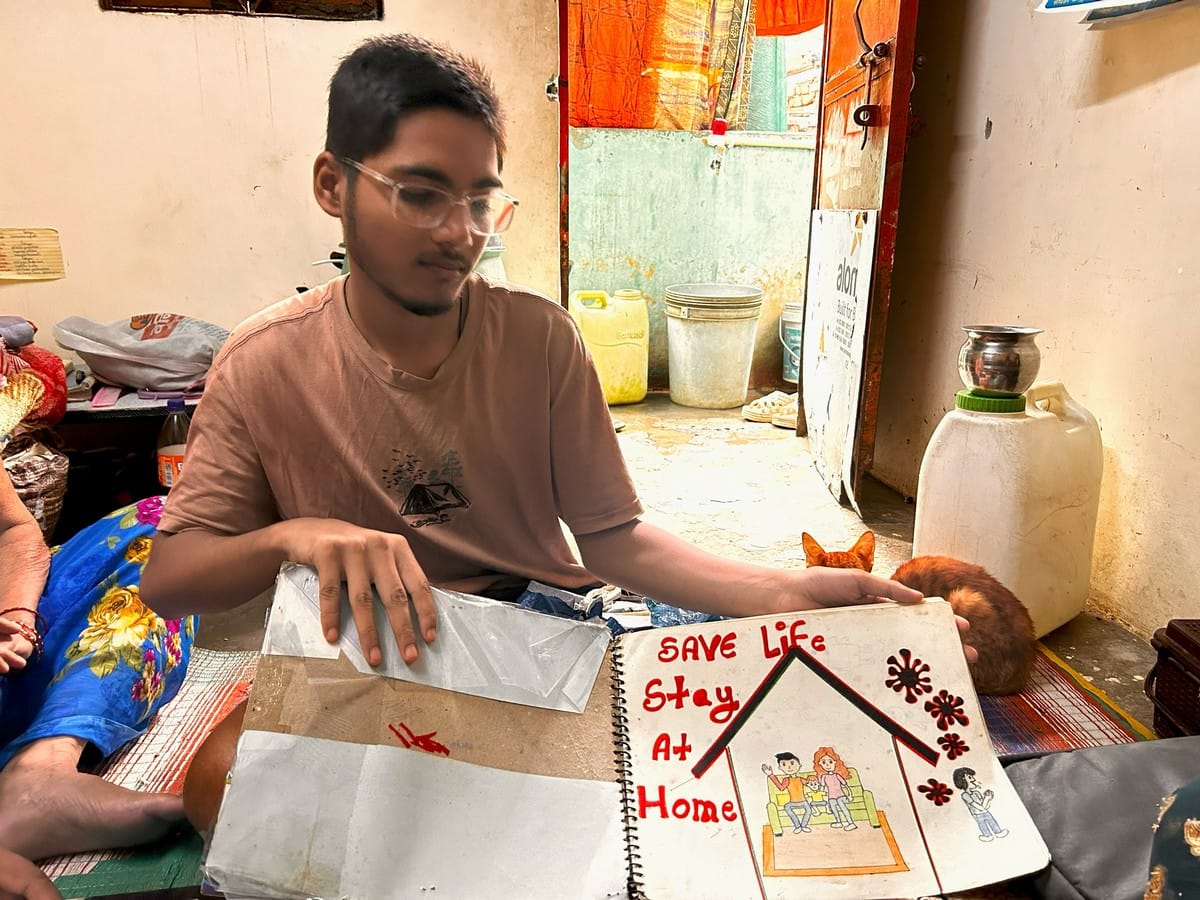
The loss has altered the family’s aspirations. Her brother, Pragyansh, who once wanted to become a doctor, has given up the idea.
“We do not want to lose another child,” Gunja said.
In the final pages of Anshika’s journal, her twin Ananya wrote the last entry: “I will try to do everything that you ever wanted my dear sister (my other half).”
Ankita Sangle, 19, Maharashtra
Jalalpur: Ankita Sangle left behind a note, written in Marathi, apologising to her parents and older brother for not clearing NEET. She was found hanging in her room on 25 July — a week after the retest results showed she had missed the cutoff by 11 marks.
According to the police, the note read, roughly translated: “I am sorry for not performing well. You supported me when I was studying for NEET — you helped me not just like parents, but like my friends. You sacrificed so much for me, and I failed. Dada, please take care of ma and baba for me.”
In Jalalpur, rain hangs over Ankita’s home. The blue shutters of the clothing shop, where she used to help her mother with customers, have stayed closed for ten days now. Her father, Suresh Sangle, a farmer who also drives part-time, sits inside their two-bedroom house.
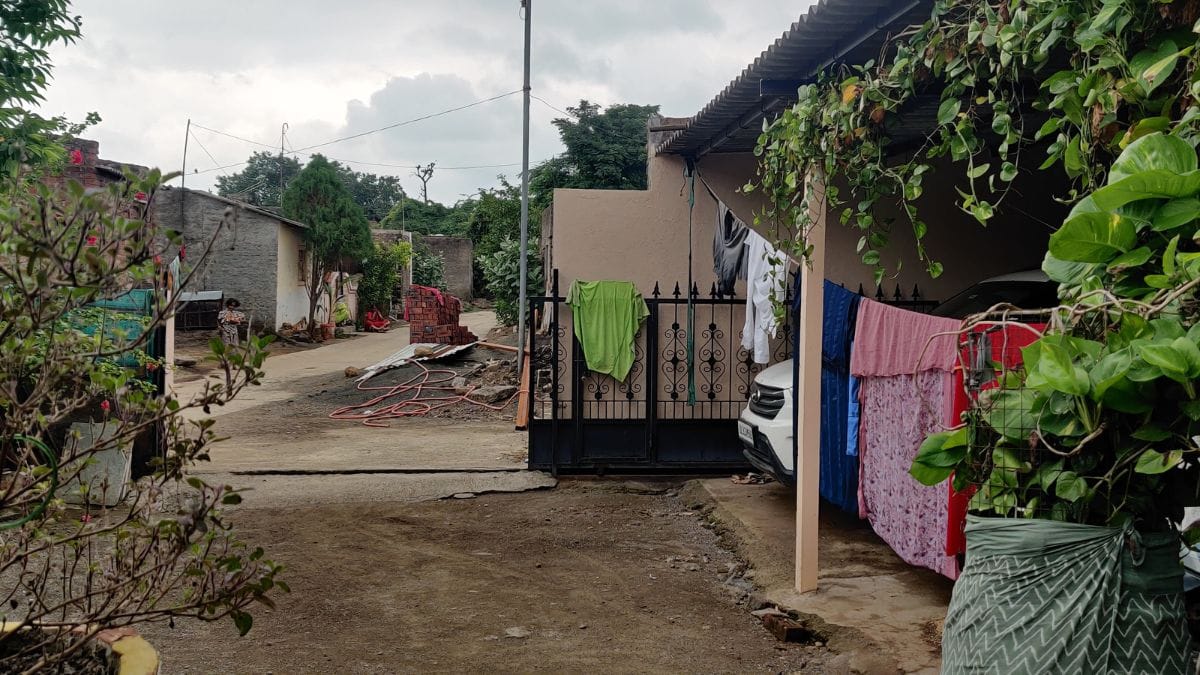
“After the exam, we told her it’s okay, she can try next year. But kids put too much pressure on themselves,” said her mother, Vimla.
Both her children had wanted to be doctors. “When Ankita’s brother cleared NEET in 2024 and got into a veterinary science college, she would sneak away his white lab coat and try it on. ‘How does it look on me?’ she would ask me,” Vimla recalled.
Once she began preparing for NEET, Ankita gave up nearly everything else for two years — no phone, no TV, no going out. Her parents wanted her to attend coaching in a nearby city; she chose to study from home instead, the way her brother had.
“When she was younger, she had so many friends, always out playing — a happy child,” her mother said. “It was only after she began preparing for NEET that she became closed off. Very introverted.”
Her school teacher, Hanumant Jadhav, remembers a bright student who topped her class — and, before that, a girl who ran around the schoolyard in an oversized uniform.
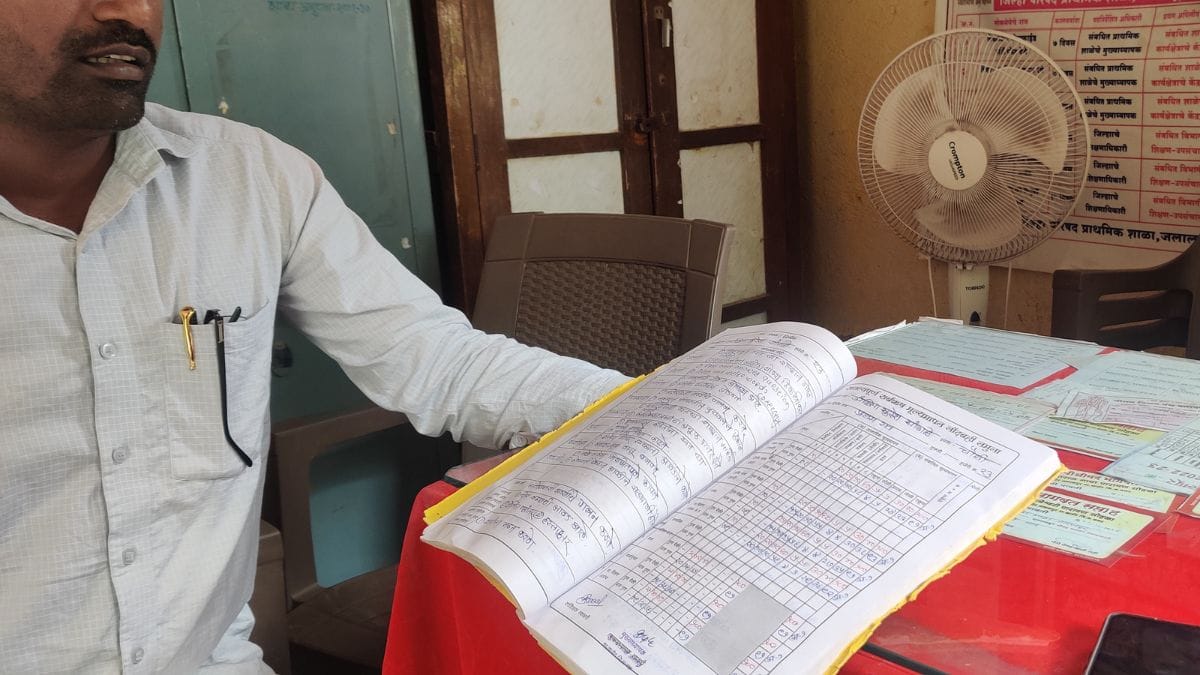
“As a child, she played very good cricket. We called her David Warner, she was so fast,” Jadhav said.
Jalalpur has one primary school and one secondary school. Everyone here watched Ankita grow up.
“Very few children dare to dream as big as she did. It hurts to see that dream crushed,” Jadhav said. “It becomes easier to handle stress when you share it. I wish she had — with her teachers, her friends. Anyone.”
Ankita painted, too. Her half-finished canvases are still bundled in her room, waiting to be hung. In another corner sits a carrom board, a gift from her brother, gathering dust.
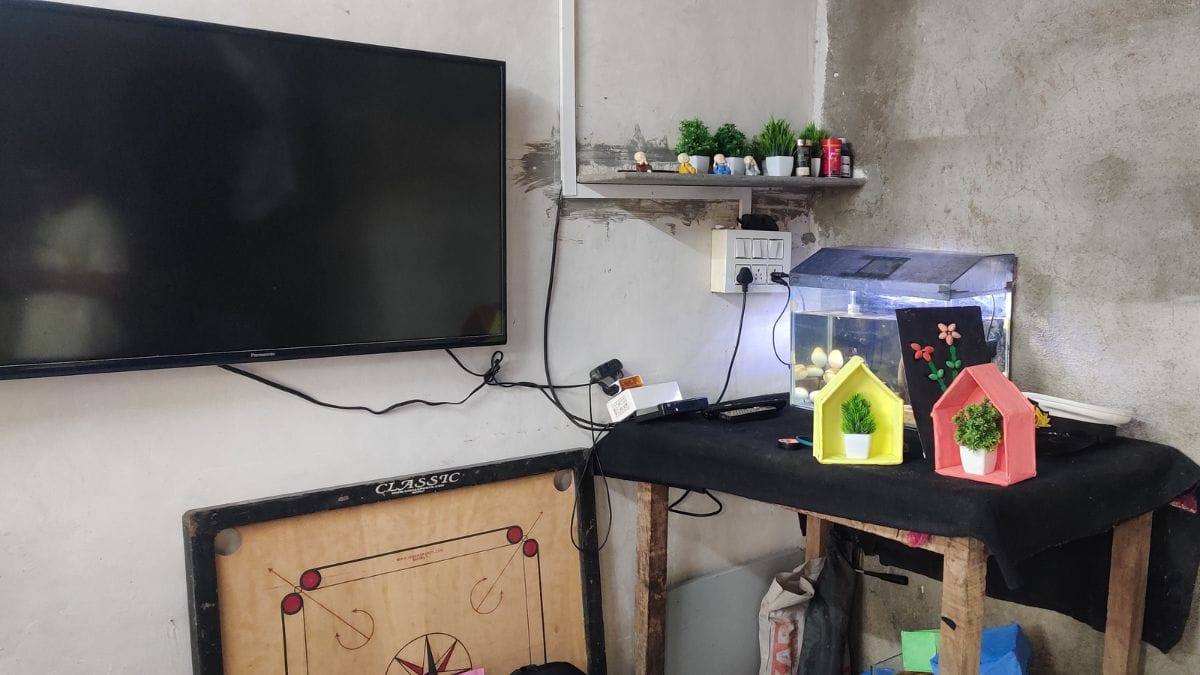
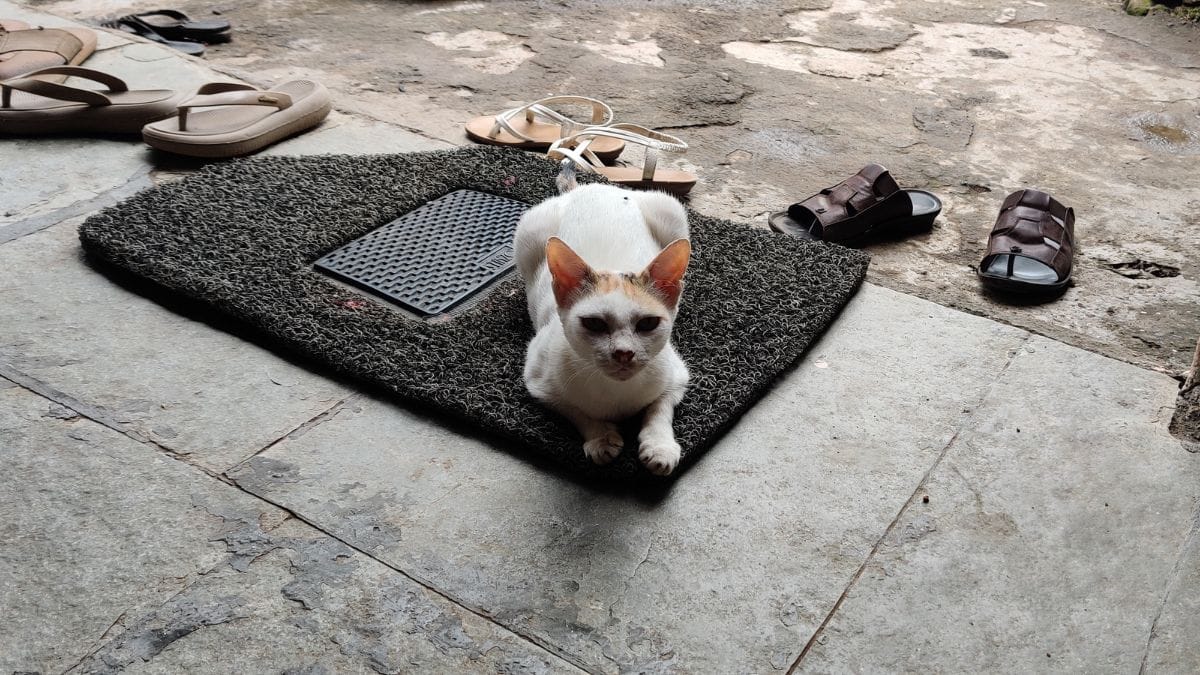
As her room stands empty, bedding rolled into one corner, a brown cat wanders in from the yard. It sniffs around, meows, looks at Ankita’s parents, then back at the room.
“She used to feed it every day. It’s still coming, looking for her,” Vimla said, breaking down. “How do I tell it she’s gone?”
Pradeep Meghwal, 22, Rajasthan
Jhunjhunu: Babita, the elder sister of Pradeep Meghwal, keeps returning to one moment in time that she cannot undo.
“If I hadn’t gone to bathe, maybe I could have saved him. If I had known what he was about to do, I would have stayed with him until the moment passed,” she said. “If only I had known, I would have brought him home.”
Pradeep died by suicide on 15 May, a week before the scheduled NEET re-exam.
Guilt has settled into the empty spaces of Babita’s days. At night, she still stretched out her hand beside her pillow, remembering how her younger brother would rest his head on her palm until he fell asleep.
In the mornings, the 23-year-old catches herself speaking to him as though he is still there. “Go, it’s time for you to wake up and go to the classes,” she whispers into the air. But no one responds.
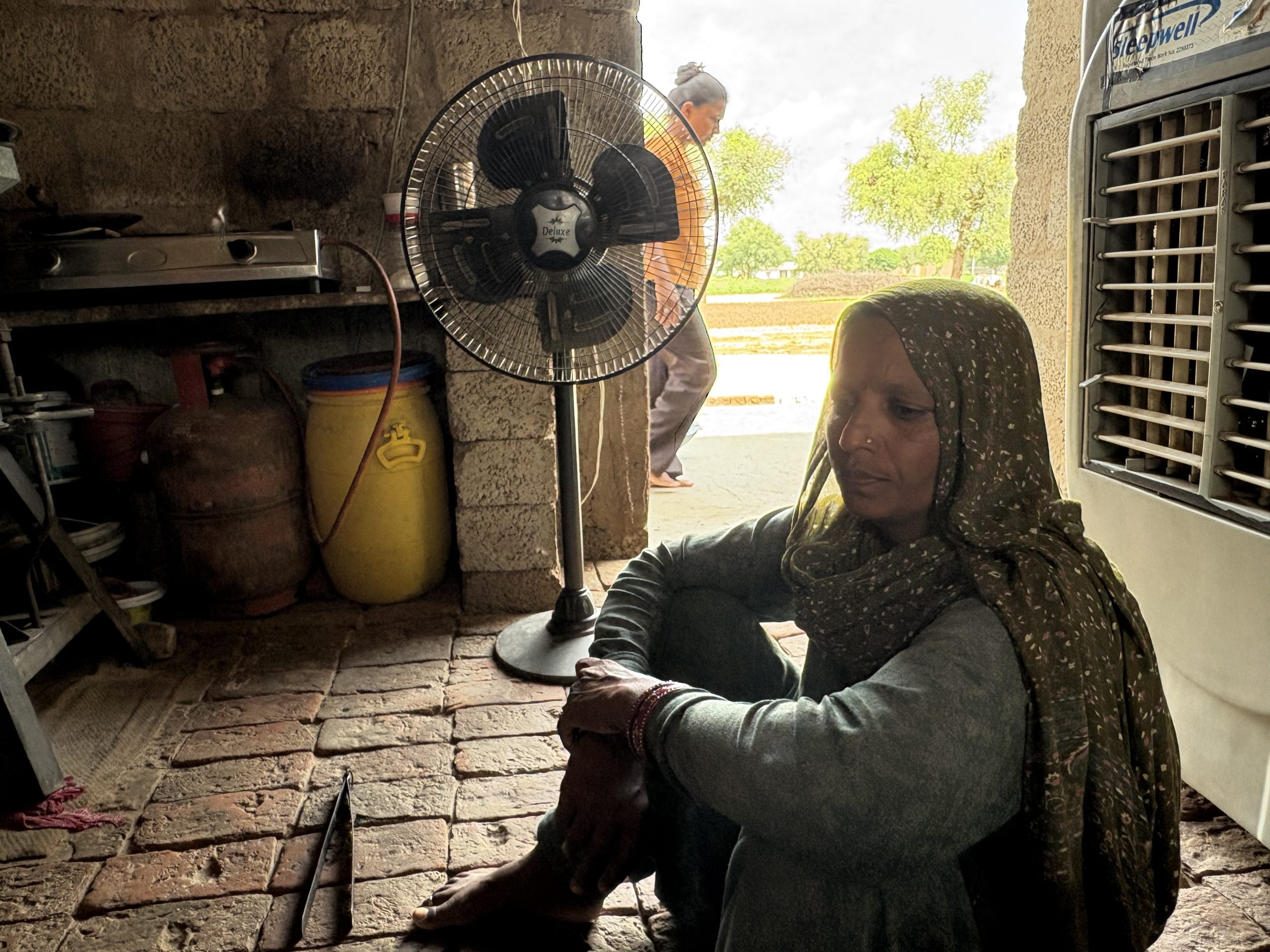
For the last three years, Pradeep and Babita put up in a single rented room in Rajasthan’s coaching hub of Sikar. While he prepared for NEET, Babita studied for the Staff Selection Commission (SSC) examinations. The siblings’ lives revolved around competitive exam preparation.
Back home in Guddha Gorji village, Pradeep’s family practices farming. They belong to the Dalit community. Whatever they earned went towards keeping Pradeep’s dream of becoming a doctor alive. His father Rajesh Meghwal had taken a loan of Rs 11 lakh, sold his land and spent nearly four years paying for coaching, hostel fees and living expenses.
Pradeep would wake up at 4 AM, attend coaching classes through the day and return to his room late at night. His mother said he rarely stepped out, except to study, and hardly met friends. “He didn’t have time for anything else,” she said. “His whole life was his books.”
The evening after writing his NEET exam on 3 May, Pradeep called home sounding happier than he had in years. “Mother, I have good news. My exam went really well. I’ll get into a very good medical college,” he had said.
Every morning, Rajesh sent milk and lassi to Sikar on a bus that passed through their village. Pradeep would collect it from the bus stand and head back to the rented room.
Nothing about the morning of 15 May seemed unusual. After picking up the milk and lassi, Pradeep stopped at the market to buy bhindi (okra) and went back to the room. As Pradeep prepared breakfast, Babita went for a shower.
“When I came back, I knocked on his door a few times. I thought he must have fallen asleep,” Babita recalled, her eyes fixed in the distance. “When he still didn’t answer, I went around and looked through the window. He wasn’t on the bed. I saw his legs hanging.”
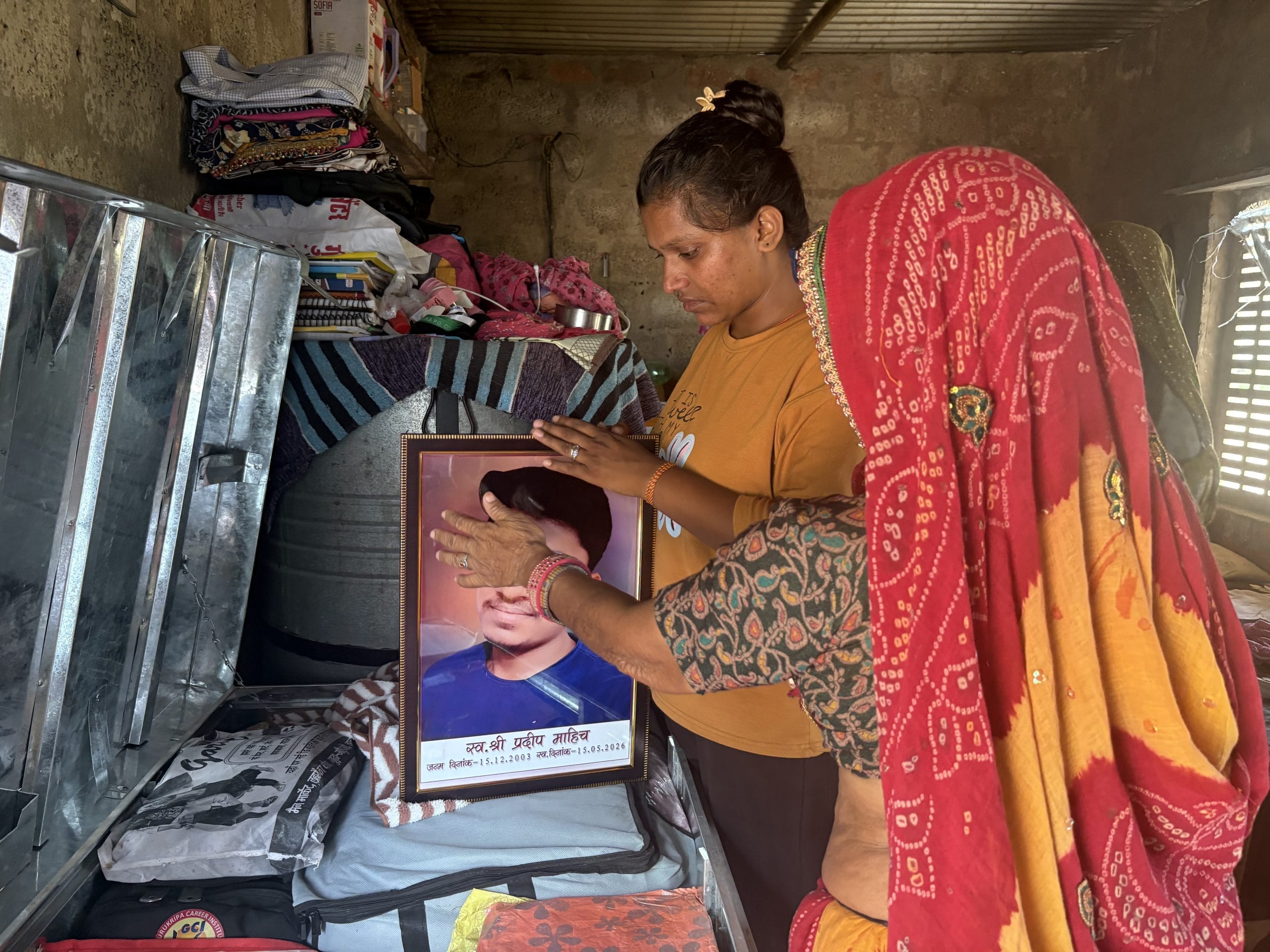
After his death, the family brought all of Pradeep’s belongings back from Sikar. They now lie inside a large metal trunk. His NEET books, test series, notebooks and handwritten notes are stacked one over the other. Lying on top of everything else in one corner of the trunk, carefully wrapped in a towel, is a framed photograph of Pradeep.
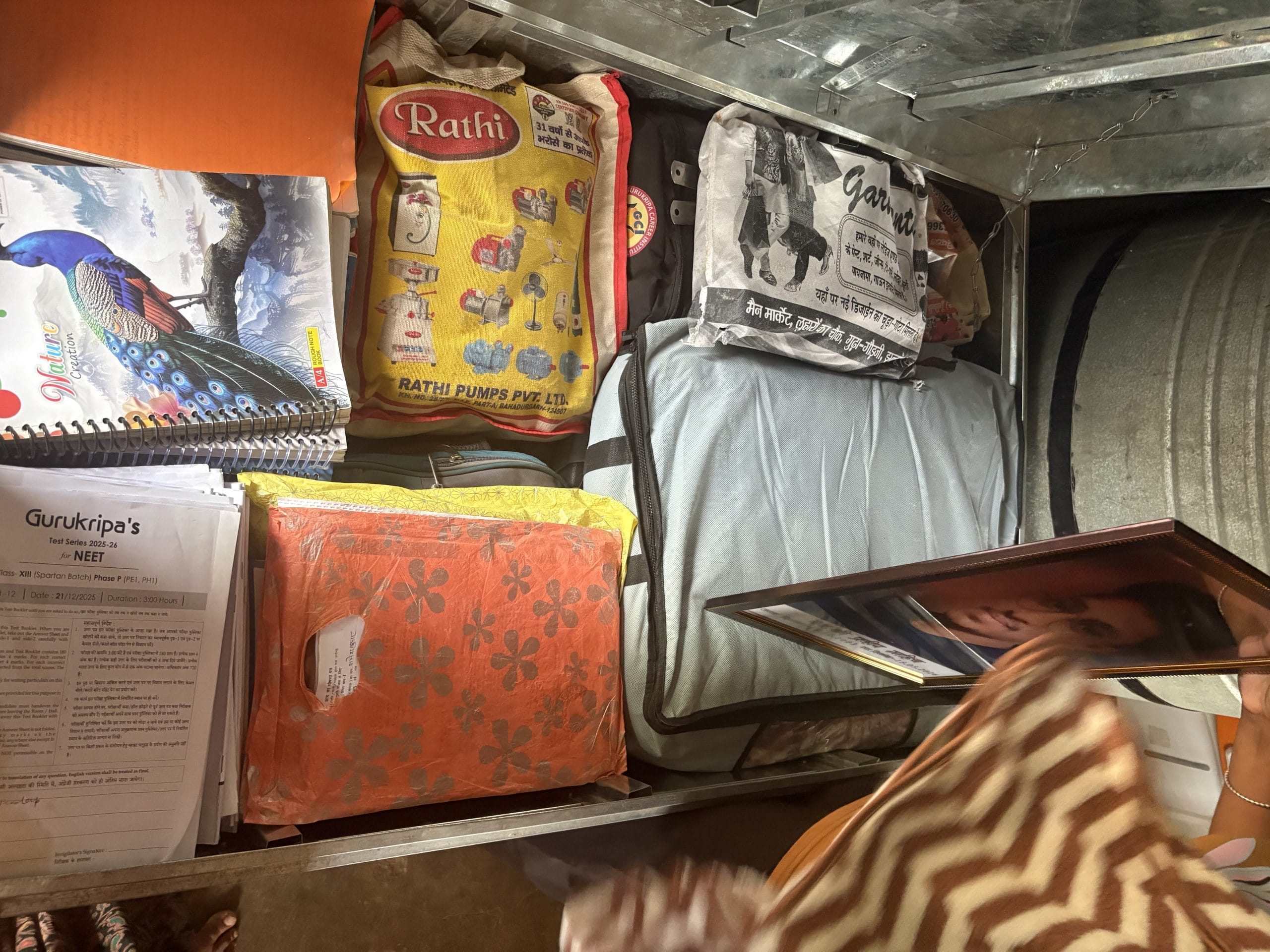
The family rarely opens it. When they do, only muffled sobs fill the room as Kasturi Devi stretches out a trembling hand towards the photograph, trying to touch her grandson one last time.
Grief brought Rajesh Meghwal to the protest at Jantar Mantar, where he demanded accountability for the paper leak that, he said, had failed not only his son but an entire generation of students.
Avantika Maurya, 23, Madhya Pradesh
New Delhi: It is an aspiration that has travelled down this Madhya Pradesh family like an heirloom. Bansingh Maurya, the son of a farmer, was the first in his family to become a doctor. His eldest daughter, Sapna, followed suit and is now training towards a postgraduate medical degree. A cousin is in pharmacology, another in nursing. But for his second daughter, 23-year-old Avantika Maurya, the NEET paper leak ended the road.
“It was her only dream, the only thing she wanted,” Sapna said. “There were no mentions of any plan Bs.”
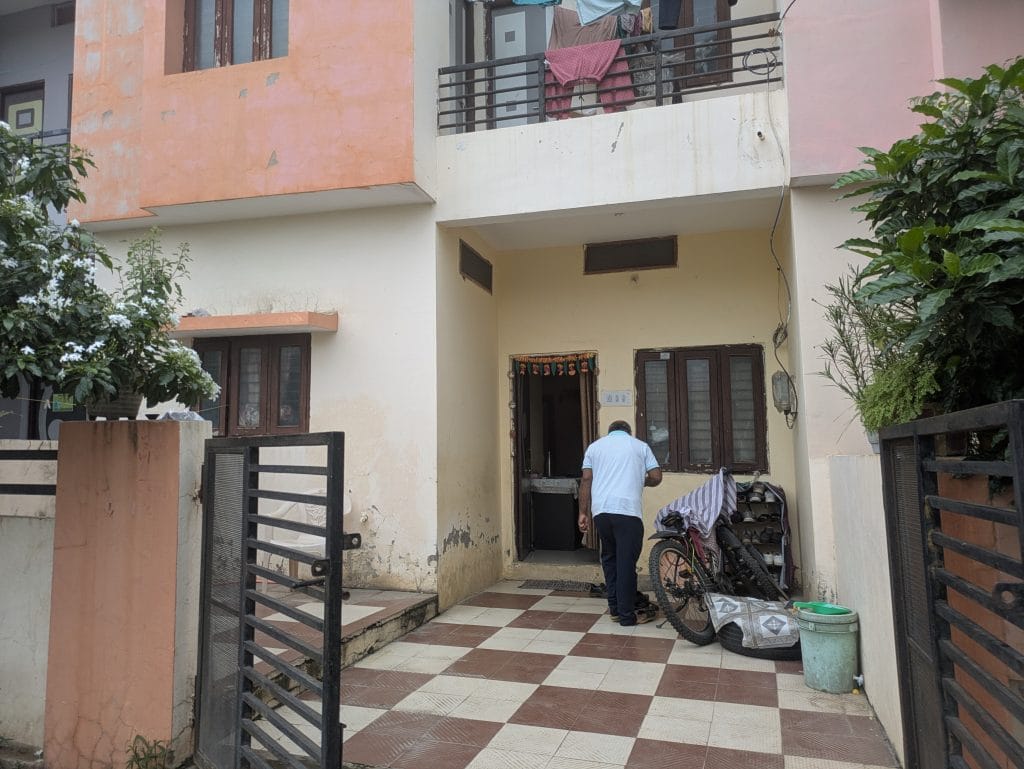
The family lives in Khargone, but for three years, Avantika prepared for the entrance exam through online coaching in Indore, about 120 km away. She stayed in a single-room flat with Sapna.
“We became closer when she was living with me. We did everything together from studying to cooking,” Sapna recalled. In the middle of all the studying, Avantika still found room to doodle in the margins of Sapna’s notes. To relieve the grind of exam preparation, she’d dance or draw.
This was 23-year-old Avantika’s third attempt and she came back in high spirits from the exam.
“She was very happy. She had declared that the exam was easy and went very well,” Sapna said.
When the results were abruptly thrown into question and a re-test was ordered, Sapna remembers her sister’s reaction as pure disbelief.
“She refused to believe it. She thought it was rumoured, and might hold true for the accused students but wasn’t the case for everyone who appeared,” Sapna recalled. “My father also called and tried to tell her, but she couldn’t believe it.”
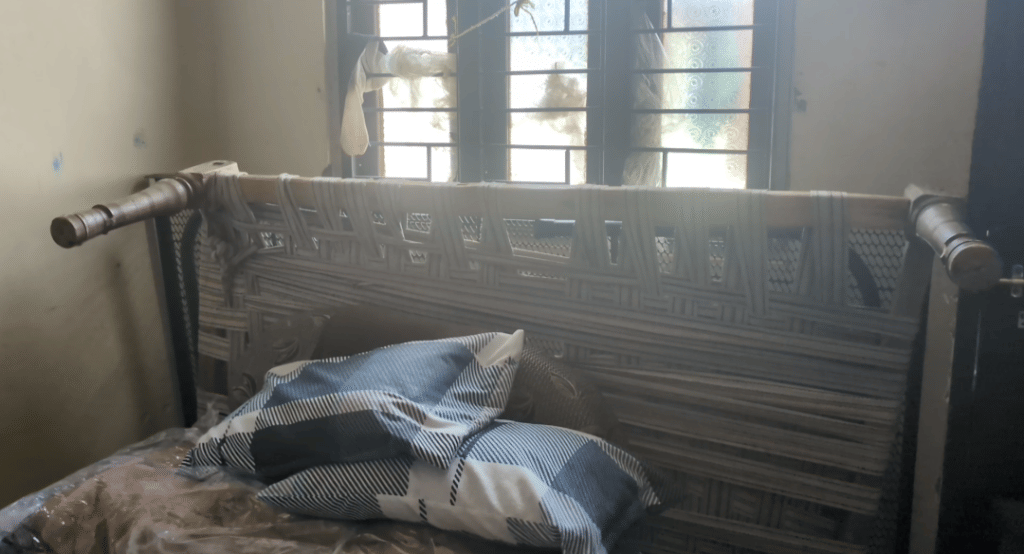
It eventually sank in and Avantika became visibly withdrawn.
“She became quieter and ate less, but we thought it was the exam stress,” said Sapna.
Shortly before the Re-NEET, Bansingh and the family traveled from their home in Khargone to visit the sisters in Indore. On 18 June, around 11:30 pm while her family slept inside the flat, Avantika locked them inside, went up to the roof, and jumped.
“I took her to the hospital but she didn’t make it,” said Bansingh Maurya in a quiet monotone. She did not leave a note.
Back home in Khargone, the family has rearranged the physical space in an attempt to make the void in their lives less conspicuous. In Avantika’s small room on the first floor, the cot is now propped against the wall, bereft of its mattress and sheets.
“The empty bed was a painful reminder of what has happened, and it isn’t something we can bear anymore,” her father said.
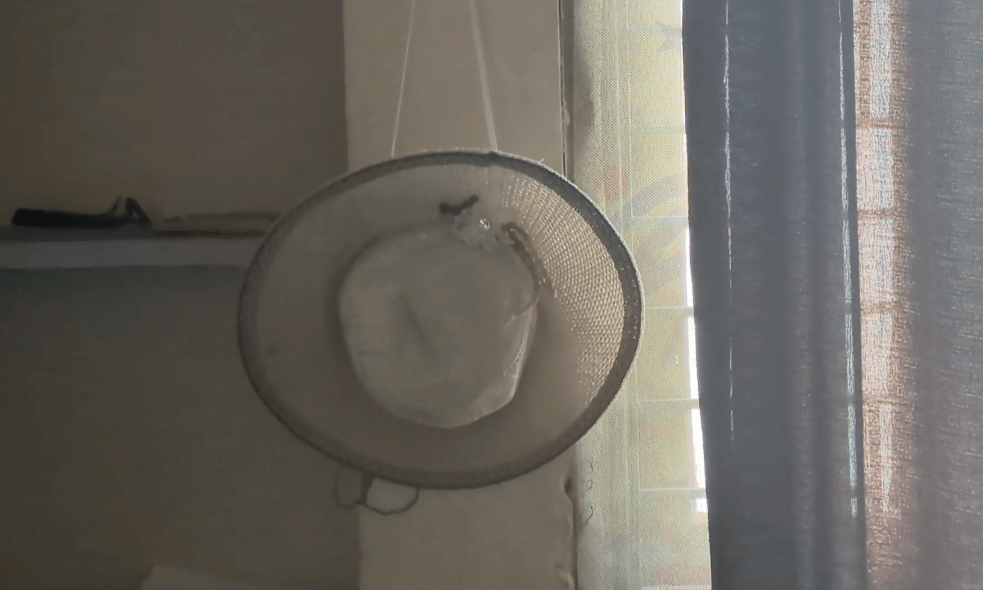
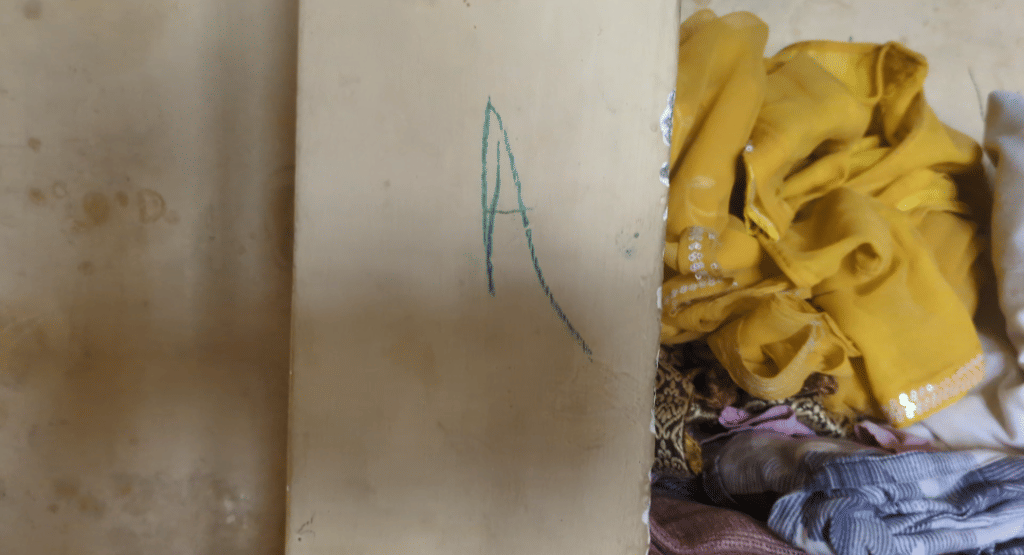
The shelves are empty and most of the clothes have been given away. But there are still reminders everywhere, including a soft, wide-brimmed hat Avantika bought on a family trip. Bansingh pulled up a photo from that day.
“We kept joking that she looks like a foreigner in the city,” he recalled, allowing himself to smile briefly.
There are doodles on a wall and an old bicycle on the rooftop.
“We taught each other how to ride. We took turns holding the seat steady while the other one tried to pedal,” Sapna said.
While Sapna has moved out of their shared flat and discarded the clothes Avantika frequently borrowed, lest memories creep up unannounced, the doodles remain tucked in the notebooks.
“I sometimes still feel her presence lingering. It feels like she has gone out temporarily, or is visiting home, and will come back,” Sapna said. “It hurts when I remember she won’t.”
The family followed the student protests over NEET from a distance, without much appetite for it.
Bansingh says, more than once, that he wants to move on, for the sake of the family that is still here.
“No point in dwelling on what can’t be changed,” he said with practiced objectivity. But sometimes, when he remembers something specific, his face gives way.
“When I was pursuing my MBBS, she used to live with me. I remember that time often. She used to follow me around everywhere,” he said. He dreams about her sometimes, though he does not say what happens in them. Only that waking up from them is its own kind of loss, every time.
The silence at home now falls heavily on her 13-year-old brother, Himanshu, who misses playing cricket with her.
“I used to call her choti sometimes because she was just as tall as me,” he said.
Yet, the family heirloom has a claimant even now. Himanshu still wants to be a doctor too.
“I have known since I was in the fourth grade,” he added.
Ritik Mishra, 21, Uttar Pradesh
Lakhimpur: Anup Mishra drove from his village to Lakhimpur because his son wasn’t answering his phone. The tenants downstairs told him the same thing: Ritik had come home the day before, gone straight up to his room, and never come back down. They had assumed he had slipped out again without anyone noticing. When they knocked, nobody answered. Every door was locked from inside. Anup went around to the window and looked in.
“When I reached there I saw him hanging through the window, then we broke the doors,” he said.
Ritik had used his mother’s dupatta to hang himself.
“Mere pairon tale zameen khisak gayi (the ground slipped from beneath my feet),” Anup said. “I cannot remember much of what had happened before that. I have been subconsciously trying to forget those memories.”
Ritik, of Hassanpur Katoli village 55 km away, was on his third attempt at NEET. He had sat for it hoping to finally clear it — and then it was cancelled.
The two of them had last spoken by phone on a Tuesday. Ritik told his father that he would start studying again. It was an ordinary conversation.
Anup insists there was no pressure on his son — even as he describes, in the same breath, the exact pressure Ritik may have been carrying.
“Third attempts are tricky,” Anup said. “He must have thought that if he doesn’t clear the exam this time, his friends will laugh at him.”
Ritik had wanted to become a doctor for as long as his father can remember — not as an abstraction, but as a promise tied to someone close. His mother has been diabetic for a decade, and as a boy, he would accompany her to buy her medicines.
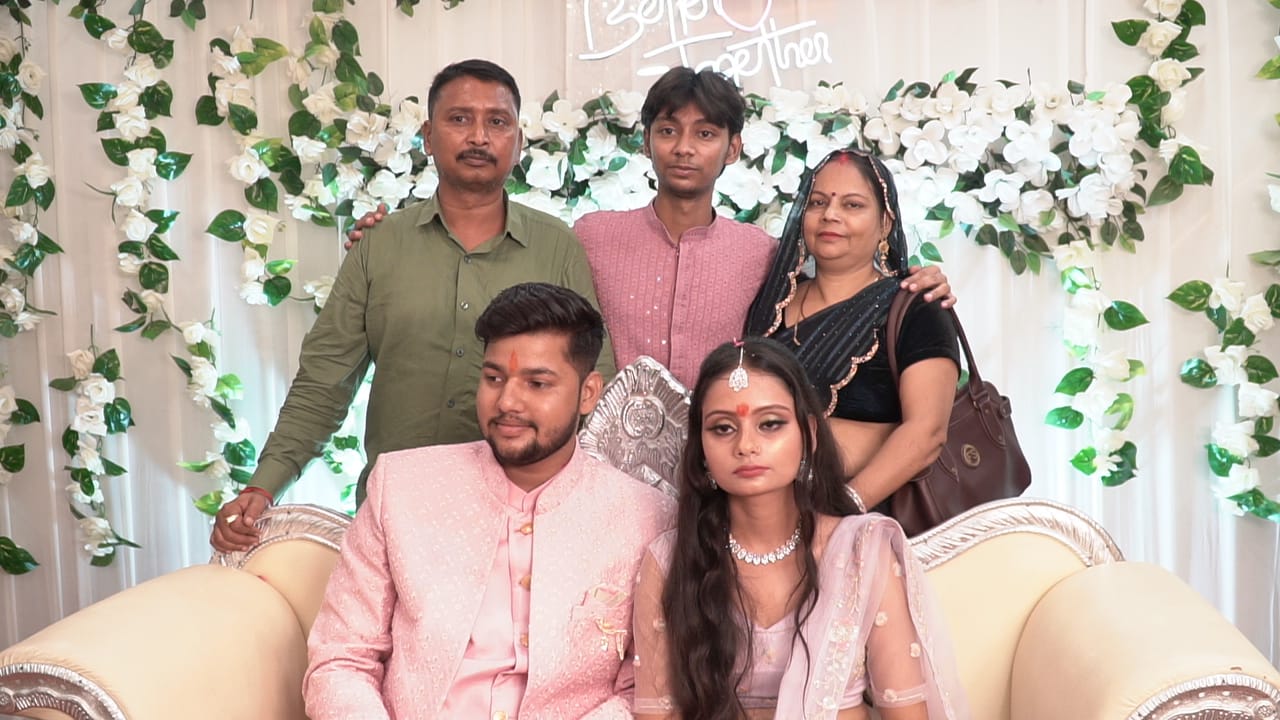
“After buying the medicines, he would always say that if I become a doctor, then I can take care of your health and buy your medicines alone,” Anup recalled.
His father says he’d left the rest — which college, which path — for Ritik to figure out himself.
“Children have their own aspirations. My job as a parent was to invest money in his dreams. If he had said he does not want to become a doctor anymore, we would have been in full support of that as well,” he said.
A week after his death, Ritik’s mother fell ill and was hospitalised in Lucknow for nine days.
Anup says there is a part of her that might never recover.
“She doesn’t laugh, doesn’t talk much, and mostly sits still, like a statue,” he said. “Sometimes, I go out, sit with friends, which makes me feel lighter. But she has to stay at home.”
Kahaan Patel, 17, Gujarat
Veena Patel usually stepped out around 5.30 every morning to collect the milk left outside her sixth-floor apartment in Ahmedabad. On 18 June, the doorbell rang more than an hour early. A watchman stood outside with a photograph on his phone. A teenage boy had been found lying on the ground floor of the apartment complex with a pool of blood. Was he her son?
Veena rushed to the bedroom of her 17-year-old son, Kahaan. The door was unlocked and the pigeon net across the balcony had been cut. She ran downstairs, where the police had arrived and Kahaan was being lifted into an ambulance.
Kahaan had jumped from the sixth-floor balcony; the family was told he had remained alive for some time after the fall.
In Surat, his father, criminal lawyer Prashant Patel, woke up at 5 am to repeated calls. He rushed to the hospital in Ahmedabad.
“It was very difficult to see him like that,” he said. “I kissed him on his forehead one last time.”
Three days later, on 21 June, students across India sat for the rescheduled NEET-UG exam. Kahaan was supposed to be among them.
He was an outstanding student who had chosen the gruelling path to medicine despite no one in his family having ever studied science. Biology was his favourite subject. When his father warned him, it would be difficult, Kahaan looked at him confidently: “Papa, I’ll manage it.”
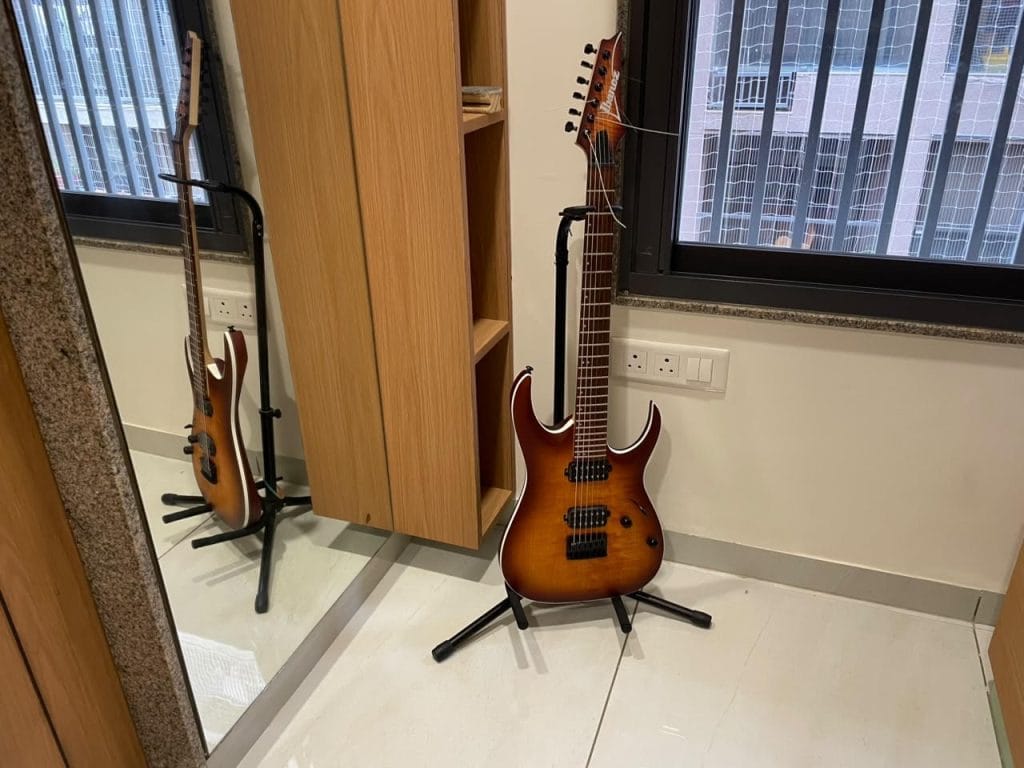
From Standard 11, NEET preparation began to take over his life. Football gradually disappeared from it. Music, however, stayed. He still played the ukulele and wanted to graduate to an electric guitar.
To his best friend, Dhruvi Shah, Kahaan was someone who loved talking.
“He would speak so much that he wouldn’t let you talk,” she said. He sent her music by bands such as Deafheaven, Necrophagist and Vektor, and then explained the ideas behind their songs. “I never understood it, but he would tell me with such passion that I just listened.”
On 3 May, Kahaan took the NEET exam and came home elated, calculating a score of 640—more than enough to secure a medical seat. The relief was immense. Then came the paper leak and the cancellation. He was devastated, according to his father, friends and teacher.
At the coaching centre, Kahaan said he could no longer get himself to study. His teacher said many students felt the same. “They felt like they were finally done on 3 May, but when they were asked to sit for the exam again, each student was disturbed in their own way. Kahaan said a few times that he was just not able to study anymore.”
Around 19 May, Kahaan handed his phone to his teacher to avoid social-media distractions. But he still struggled to return to his books.
While talking to Dhruvi, he complained about the education system and expressed anger against then Union Education Minister Dharmendra Pradhan. On one occasion, she recalled, he told her: “What is the point of living? It is better to die instead.”
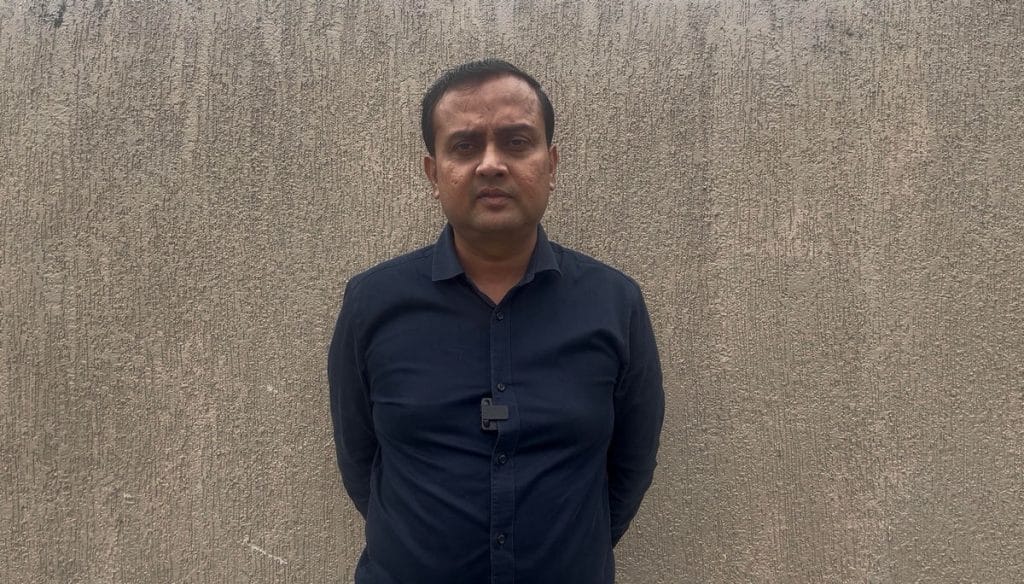
On the evening of 17 June, Kahaan spoke to his grandfather in Australia and then called his father in Surat. “He apologised for not being able to answer my call earlier,” Prashant said. “I went off to sleep after the call.”
Hours later, Kahaan was dead. He left no suicide note.
Later, Prashant carried his son’s photograph to student protests at Jantar Mantar in Delhi. Standing before cameras with the photograph against his chest, he asked: “Mera 17 saal ka beta, topper in the class, terrorist kaise ho sakta hai?” (How could my 17-year-old son, a class topper, be a terrorist?)
During the protests, he went on a hunger strike but didn’t announce it to anyone.
“I did not tell Veena. I wanted to do something for my son. This felt right.” When Pradhan resigned, it brought some relief: “It felt like I had finally been able to pay tribute to Kahaan,” he said.
Back in Ahmedabad, his mother is not yet ready to speak, and his 13-year-old brother, Rihaan, has grown quiet. Dhruvi, who organised a candle march for Kahaan on 27 June, is still haunted by his final days.
“A boy who liked talking so much, said nothing in the end. That is what hurts the most. In the two days before his death, he sent a ‘hi’ to every friend. He just asked us how we were. It felt like small talk at the time. Maybe he was trying to reach out, or maybe, he wanted one last conversation with all his friends.”
Akanksha Chaturvedi, 18, Maharashtra
Nagpur: “Practice makes women perfect.” The words, handwritten on a sheet of paper, remain stuck to a wall in Akanksha Chaturvedi’s bedroom in Nagpur. Above them, in larger letters, is a date — 3 May. To the right corner of the paper, inside a hand-drawn box, is one word: DOCTOR.
Akanksha died by suicide on 20 May, a week after the NEET exam was cancelled. But her family remembers her through smaller, more ordinary details.
“She was bubbly right from the start,” said her father, Krishna Kumar Chaturvedi. “As a kid living in a big city, she was growing up to be vibrant and outspoken. But as a little girl, she loved to dance, play dress-up and watch cartoons. It made us feel she would have a better life here in Nagpur than she would have had in our village in Mauganj,” he said.
Akanksha was a foodie. Maggi noodles were her favourite, as were pizza, burgers, biryani and Chinese food. But one home-cooked dish beat them all — bhindi.
“Each time I would go to the vegetable market, she would say, ‘Don’t forget to get bhindi for me’,” recalled her mother, Neelam Chaturvedi.
Akanksha was fond of dressing up, and not for posting on social media. Her cousin Radha, who lives in Jabalpur, remembered Akanksha raiding her wardrobe whenever she visited.
“She would try all my clothes,” Radha said. “I am 10 years older, but she loved them because she liked the slightly loose fit. She said that was ‘her style’.”
Akanksha’s hair fell almost to her thighs. Her family often found her sitting in her room, combing and braiding it. Her other indulgence was skincare. She massaged ice on her face, sprayed rose water and persuaded her mother to follow the routine too.
Akanksha was equally particular about her room. She hated clutter and would clean it again after her mother had finished, rearranging things until they were just right.
On 3 May, after returning home from the exam with her father, Akanksha found a red blouse in her mother’s cupboard and paired it with a green saree lying outside.
“I had stepped out for some work,” Neelam said. “She draped herself in it and paraded around the house. When I came back, all I saw was the outfit thrown on her bed and a bunch of photos on my phone of my girl in a saree she had draped herself.”
Neelam smiled as she spoke. Her eyes filled with tears.
Her father Krishna Kumar, remembered how elated Akanksha was after her NEET exam on 3 May. She was confident that she would score more than 650 marks. “Her mood dropped when she heard the news about the paper leak.”
On the afternoon of 20 May, the family was planning to have lunch together. “After we returned home from a grocery run, I asked her to join us for lunch. But she refused, saying she wasn’t hungry,” said Kumar.
After lunch, Akanksha’s mother stepped out for a stroll, while her father took a nap. When he woke up, he couldn’t find Akanksha. Her bedroom door was locked.
10 days after Akanksha died by suicide, her parents found a suicide note written inside one of her notebooks. It read, “Mummy, Papa .. you had trust in me that I would study and become a doctor. But I do not have the courage to appear for a retest. In the first test, I was about to score good marks. But there is no guarantee that I will score good marks again. Sorry, Mummy, Papa, I have ruined everything for both of you.”
Kamakshee, 19, Rajasthan
Jaipur: On 13 July, Kamakshee told her father it was finally time to stop worrying about her studies.
She had appeared for both the 3 May NEET examination and the re-exam on 21 June.
“Now you should worry about my food,” she told her father. “Bring pomegranates if you can.” She never liked bananas or mangoes. That evening, her father, Jagdish Prasad, returned to their home in Behror, Rajasthan, carrying pomegranates and pears. He prepared the home-cooked meals she had missed while preparing for NEET in Jaipur.
Less than 24 hours later, 19-year-old Kamakshee was gone.
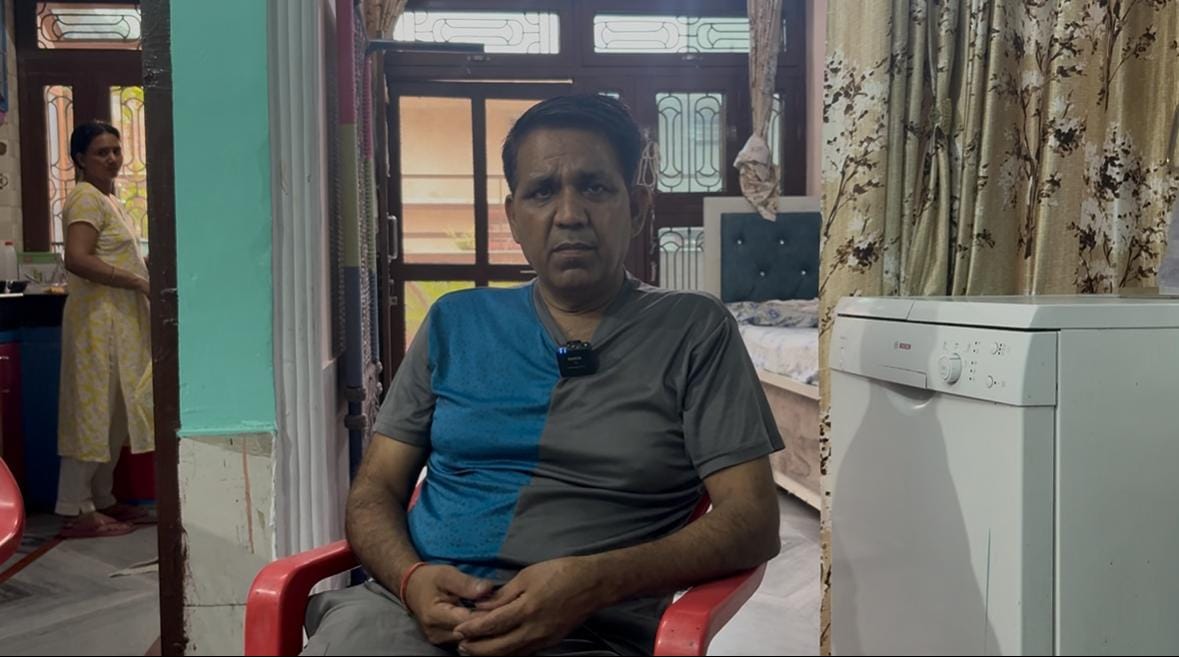
For years, Prasad taught science to other people’s children at school while dreaming that his own daughter would one day wear a doctor’s coat. Kamakshee shared that dream. She spent two years in Jaipur preparing for NEET, studying late into the night, and believing that this would be the year she made it.
The re-examination on 21 June, however, left Kamakshee unsettled. Prasad remembered the ordeal of simply appearing for the examination.
“Students are asked to report two hours early. Entry is between 11 am and 1.30 pm. Some are allotted centres 150 or even 200 kilometres away. Imagine the mental stress in that summer heat,” he said. “We came back after the exam thinking everything would be fine, but nothing felt normal after that.”
The morning of 14 July began like any other, except later that day the answer key was released. Her mother, Renu, returned home to find that Kamakshee had died by suicide.
“It feels as though someone has taken away 19 years of our lives,” she said. “For everyone else, time has moved on. For us, it has stopped,” said Renu.
Ruchi Kumari, 17, Jharkhand
Koderma: Doctors told the family it took sixteen seconds. That’s the number Sanjay Singh keeps returning to when he talks about his daughter — sixteen seconds between the moment they broke her door open and the moment she was gone. Even the doctors, he says, were startled by how fast it was.
Ruchi had turned 17 that January, and hadn’t wanted a birthday.
“She told me she would celebrate properly next year — she just wanted to focus on her studies this year,” Singh, an LIC agent who also runs a medical store in Chitragupta Nagar, said.
Ruchi had moved to Delhi for NEET coaching after Class 10, on her own insistence, and kept the same discipline even on visits home — studying past 3 am some nights. She wanted to become a doctor, and had told her grandmother as much: “You don’t worry anymore. I’m almost a doctor now. I’ll take care of you.”
She sat the exam on 3 May, confident. When it was cancelled, something in her shifted.
“After the exam, she was relieved — after two years, she could finally say she didn’t have to study for two months,” Singh said. “When it got cancelled, she stopped eating. We told her it was okay if this didn’t work out. She kept saying her exam had gone so well the first time — what if it doesn’t go that well again?”
She didn’t let the disappointment show for long. Within days she was back at her books, preparing for the re-exam. On 31 May, she had been in her room for hours when her family began knocking.
“She was studying that day too,” Singh said. “But she was in there too long, so we started knocking.”
When they broke the door open, she was hanging. She was rushed to the hospital, but it was already over.
“Sixteen seconds,” Singh said. “Can you even think about that? In sixteen seconds, she must have been in so much pain. Even the doctors were surprised it only took that long.”
Umesh Mali, 22, Rajasthan
Sikar: Laxman Singh was in Maharashtra for work when his family called and asked him to return immediately. His eldest son was unwell, they told him. He instantly booked a flight to Jaipur. The moment he landed on 15 May, a notification appeared on his phone from the Dainik Bhaskar app.
It carried Umesh’s name. When he opened it, he saw his son’s photograph, along with the family’s details and his own name. Umesh had died by suicide.
The family is from Kari village in Jhunjhunu district, but they had moved to Sikar so Umesh could prepare for NEET. This was his third attempt.
By then, the uncertainty around the examination had begun to weigh on him. His friend and coaching batchmate, Pradeep Meghwal, had also died by suicide after the paper leak.
His younger brother, Nitesh, was the first to find him in Sikar. Nitesh is now preparing to become a doctor too. Like his brother, he is also good at academics. Losing his brother has not made the dream smaller; if anything, it has become harder to separate from him.
“Whether I have to do it for my brother or for myself, there is no difference anymore. But I will do it,” Nitesh said.
Around him, his family keeps telling him to have a Plan B and not put his entire life on one examination, the way they believe Umesh did.
Then his younger sister, Anju, opened her Instagram account where she has posted Umesha’s Shayari and read one out aloud: “Apni safalta ki udaan kisi aur ke isharon pe mat udana (Don’t let someone else decide the direction of your flight towards success.)”
(Edited by Asavari Singh, Aakriti Handa, and Prashant Dixit)