



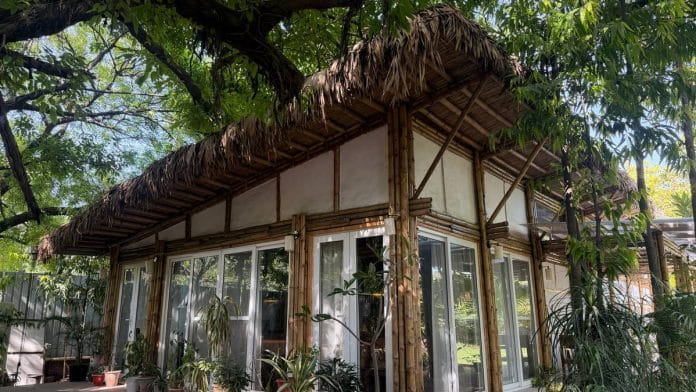

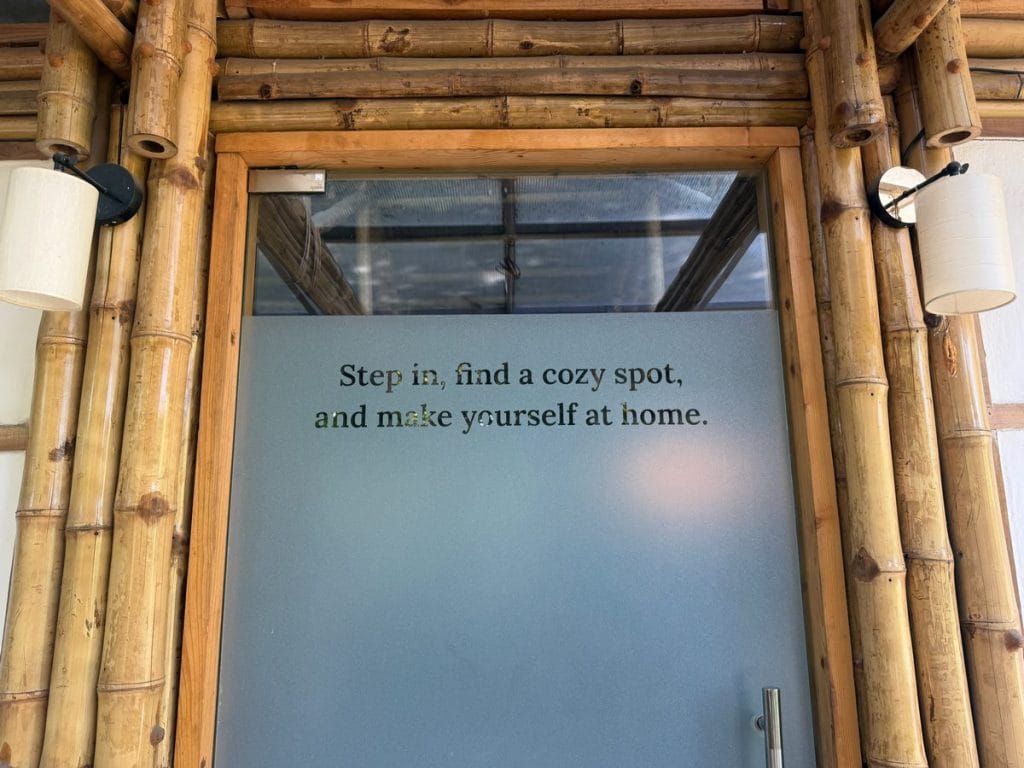
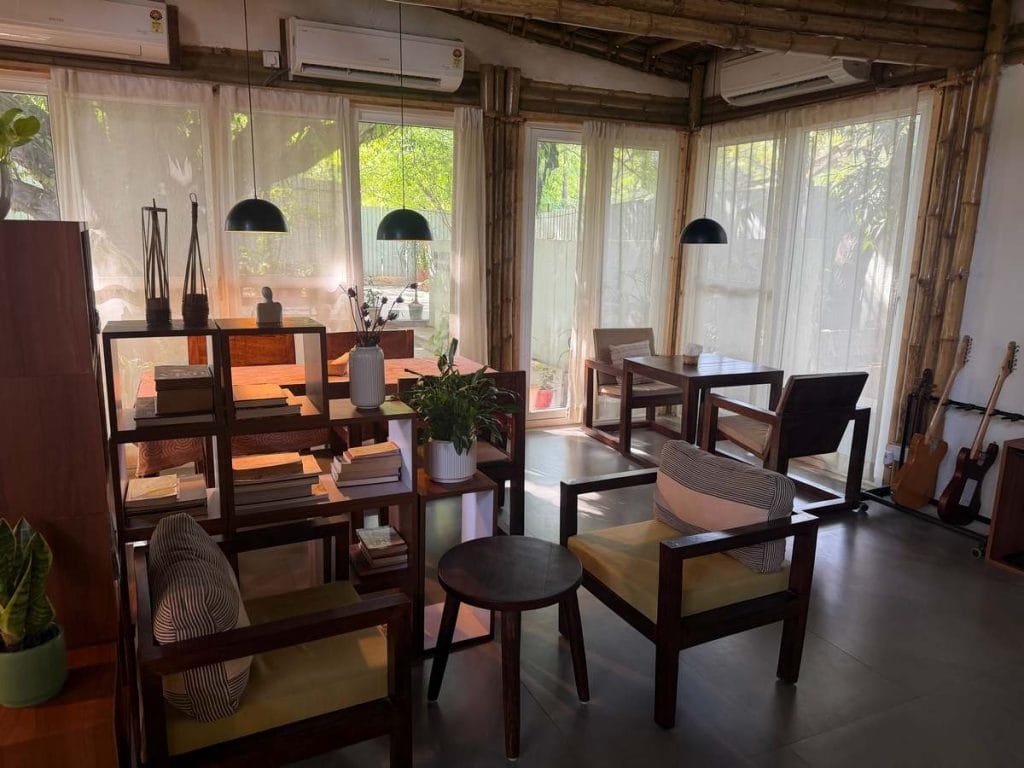
New Delhi: Project Otenga refuses to be classified as a restaurant. It is as concerned with mental health, community, and intellectual exchange as it is with the Northeast-inspired fine dining it serves. Under towering trees with birds chirping in the background, this six-month-old glass-and-bamboo venue at Shaheed Park is what founder Kabyashree Borgohain calls a ‘food studio’.
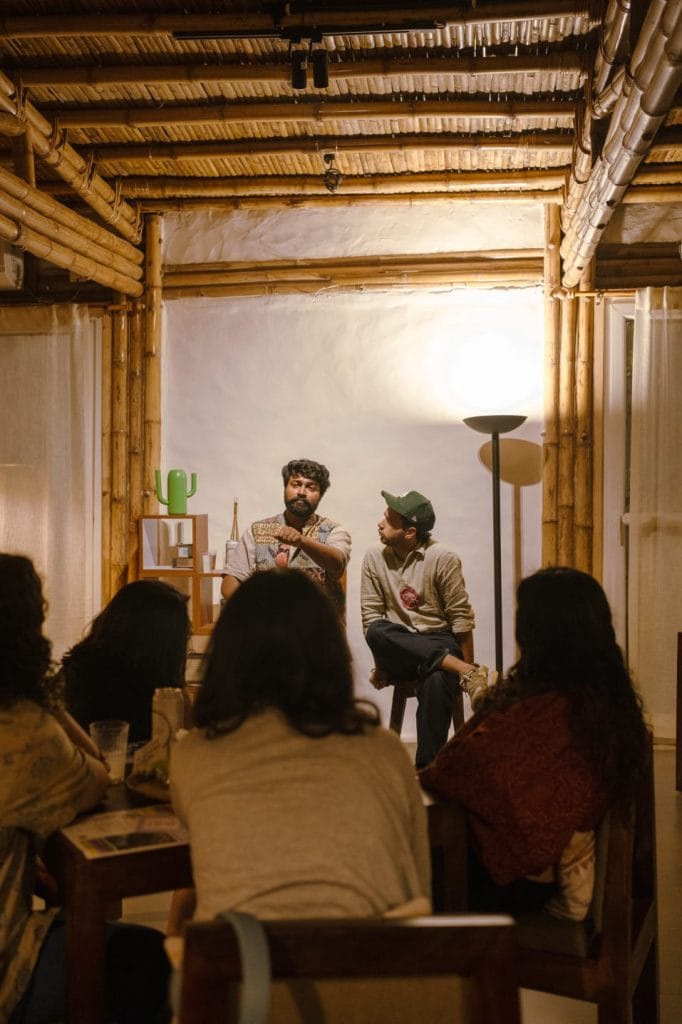
The experience changes by the day. In one of its recurring offerings, ‘Taste Nahi Aa Raha Hain’, a five-course meal is served while a live play unfolds around the table about a man searching for meaning and the literal taste of life.
“The word ‘experiential’ gets used very loosely today, but we genuinely try to do it justice,” said Borgohain. Originally from Assam, the chef-designer conceived Otenga as a project while studying Strategic Management Design at the National Institute of Design (NID) in Ahmedabad in 2016.
“The objective of the college project was to prevent early mental health issues among the floating urban population. How do we cultivate better mental hygiene in society?” Borgohain added, flipping through her old research documents, eager to explain what ‘food design’ really means.
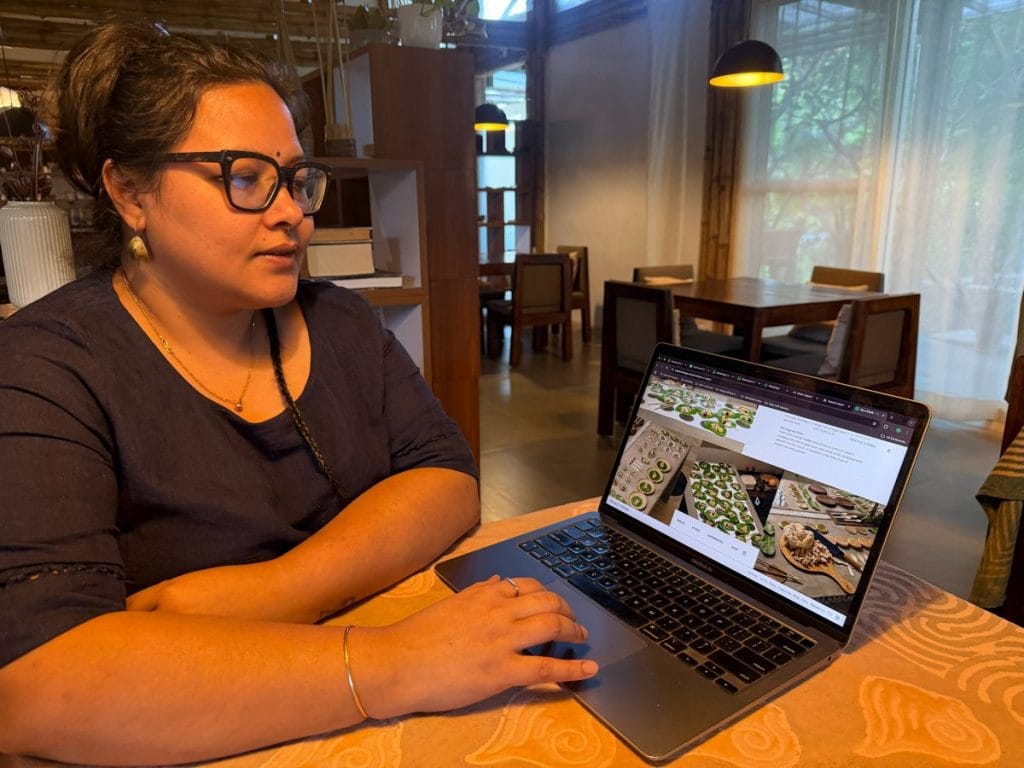
Back in college, her idea revolved around strangers dining together. Today, that has evolved into layering food with music, theatre, and creative formats. The project has now expanded into two food studios: the Delhi space, which opened in October 2025, and a newly launched venue in Ahmedabad.
“We were ahead of our time,” said Borgohain. “But we never stopped experimenting.”
Being ‘more than just a restaurant’ is catching on in Delhi, with several dining spaces positioning themselves as purveyors of experience and food for thought. At Dramique in Vasant Kunj, dancers and musicians move between tables during the meal. In Ghitorni, Indica hosts ancient-grain workshops and tasting events. Supper clubs across the city seat strangers together for story-led dinners. Project Otenga fits into this world, but gets more hands-on. It uses the meal to make diners talk, remember, play, and participate, whether through story-led courses or desserts sipped through straws from flower pots.
As urban diners increasingly seek “meaning alongside meals”, the entry of food studios suggests that the future of eating out may lie as much in the atmosphere and story as in the food itself.
But the line between gimmickry and ‘experiential’ can be thin. Chef Manish Mehrotra called Project Otenga a “great concept” with clear appeal, especially among Gen Z diners in Delhi. But he has some reservations.
“For it to truly scale and build a large community, food has to be at the centre,” he said. “The moment the story or the concept becomes the hero and food takes a back seat, people hesitate to spend money, at least in the Delhi market.”
Also Read: Naar is redefining destination dining in India. People plan Kasauli trips for Rs 14,000 meal
More than food
Borgohain can talk about Northeastern food and ingredients for hours, but she insists feeding people is only a small part of the larger idea. What she is actually building is a space where people slow down, introspect, and reconnect with themselves and with others.
Recently, the team hosted a five-course meal woven into a live storytelling session, with each dish representing a different phase of the narrator’s life. On other days, the space turns into a playground for sensory experiments.
In the workshop ‘Tasting Personalities’, for instance, diners get cards with traits such as balanced, fiery, mysterious, or caring, and pick the words that fit them. Each trait is secretly tied to an ingredient: cucumber for balance, papaya for femininity, pistachio for mystery, chilli and ginger for sharpness. It’s a conversation starter, literally — inviting diners to peek at each other’s plates and ask questions about what the ingredients say about the eaters.
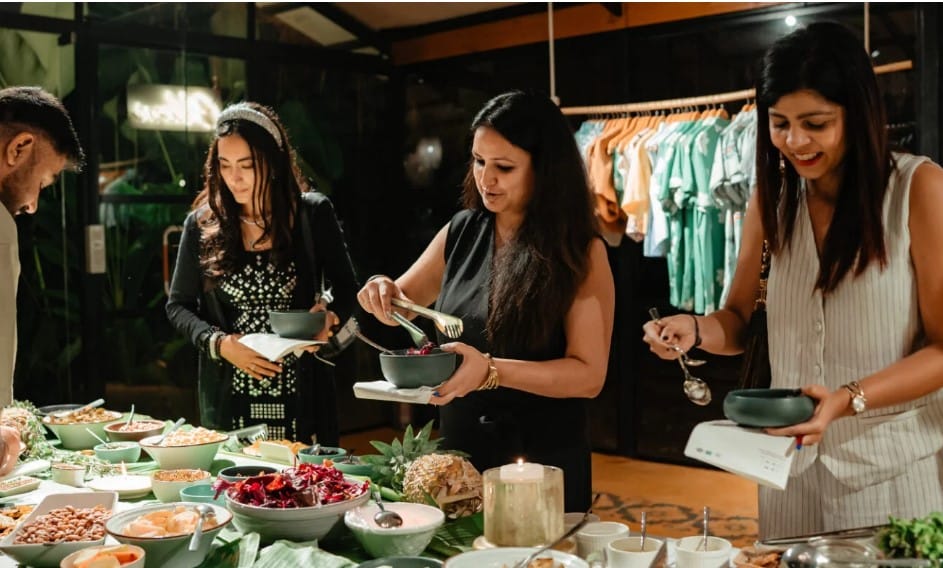
There have also been music-led dining nights, theatre-meets-food performances, fermentation workshops, and sessions that explore how memory and taste intersect.
“Food isn’t just about filling your stomach,” Borgohain said. “It is about designing the conditions of how you eat, eating design. When we design an immersive experience it’s about the synchronicity between every touchpoint that comes together to make a narrative feel.”
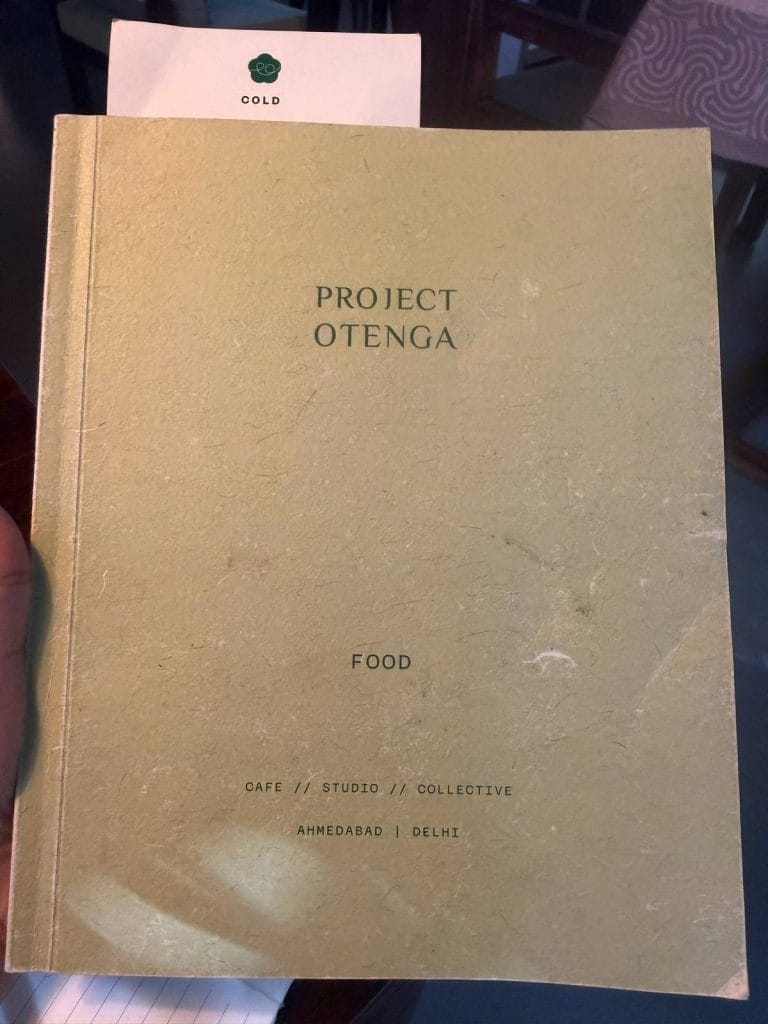
Paying Rs 3,000 for a ‘food studio’ experience might seem overpriced, but Borgohain isn’t playing blind. She ran Project Otenga on the Ahmedabad University campus profitably for eight years before the pandemic forced it to shut. That journey, meticulously documented on Otenga’s website — from seating strangers together to pairing five-course meals with live guitar synchronised to Romantic-era art —now serves as the blueprint for its Delhi chapter.
Celebrity chef Vicky Ratnani, founder of Omny Kitchen in Gurugram, sees these formats as clever “impulse-buy” experiences.
“Ultimately, it also brings more visibility to Project Otenga, which is a restaurant at the end of the day,” he said, though he stopped short of predicting whether the model will sustain or scale. “If the food is strong, or the concept is strong, and ideally both, people will come. The rest is positioning.”
Also Read: Indian chefs are inviting you home for food & stories. Pop ups are the newest dining trend
Northeast ingredients are the hero
Borgohain is a restless, curious force, always in conversation. Her colleagues describe her as instinctive and bold.
“She has radical thinking,” said head chef Divyansh. Chef Hokiye Diana Zhimomi describes her as someone with “big ideas” and a genuine desire to create a difference through food.
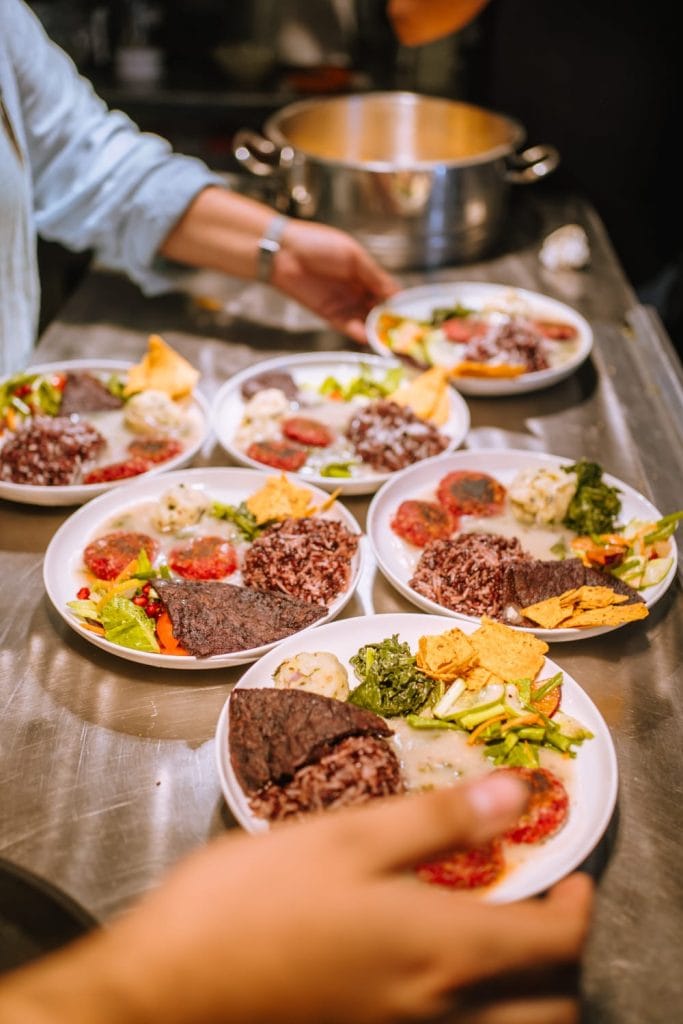
And then, mid-conversation, the food arrives, announced by the strong aroma of coconut. It’s Otenga’s signature “Sense of Home” meal: black rice, seasonal greens, a light, tangy curry with chicken or fish, and mashed potatoes laced with fermented mustard (panitenga). There’s axone salad on the side, along with condiments — kharoli (mustard chutney), dalle chilli, starfruit pickle, and Burmese coriander.
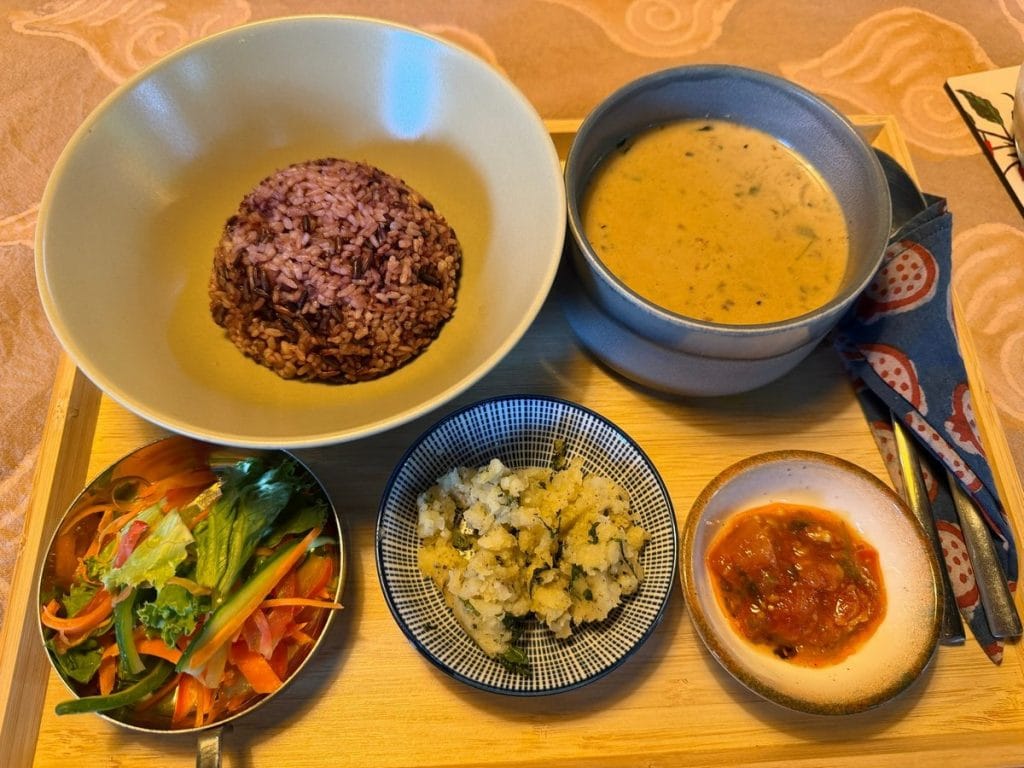
Named after ou tenga, the elephant apple that gives Assamese “tenga” dishes their signature tang, Project Otenga describes itself as “cuisine-agnostic, ingredients-forward, rooted in the rich culinary traditions of Northeast India.” In practice, that means a pantry stocked with bamboo shoot, bora saul (Assam’s sticky rice), chakhao (Manipur’s fragrant black rice), dalle chilli, mosdeng (chutney with dried fish) from Tripura, nappa basil (known as lomba in Manipur), usingja (mountain pepper), Himalayan silverberry, thoiding (perilla seeds), gundruk (fermented greens) from Sikkim, and roselle, among others.
“Ingredients are the heart and soul here. They are as intentional as the food itself,” said Divyansh. “We work directly with farmers in Ukhrul and Nongpok Sekmai in Manipur, Assam’s Dhemaji district, the Nocte Naga village, and even the Joypur rainforest, along with self-help groups. Unless it’s an emergency, we don’t source from Delhi markets.”
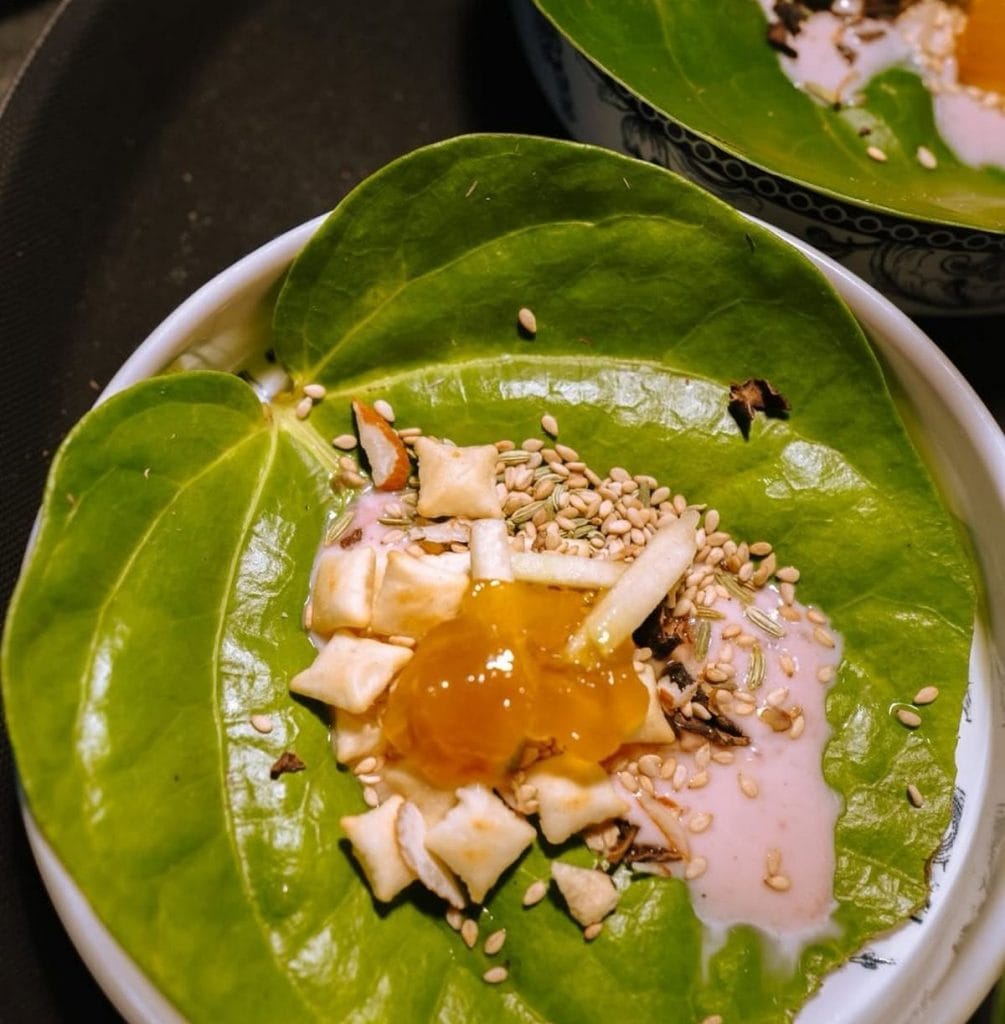
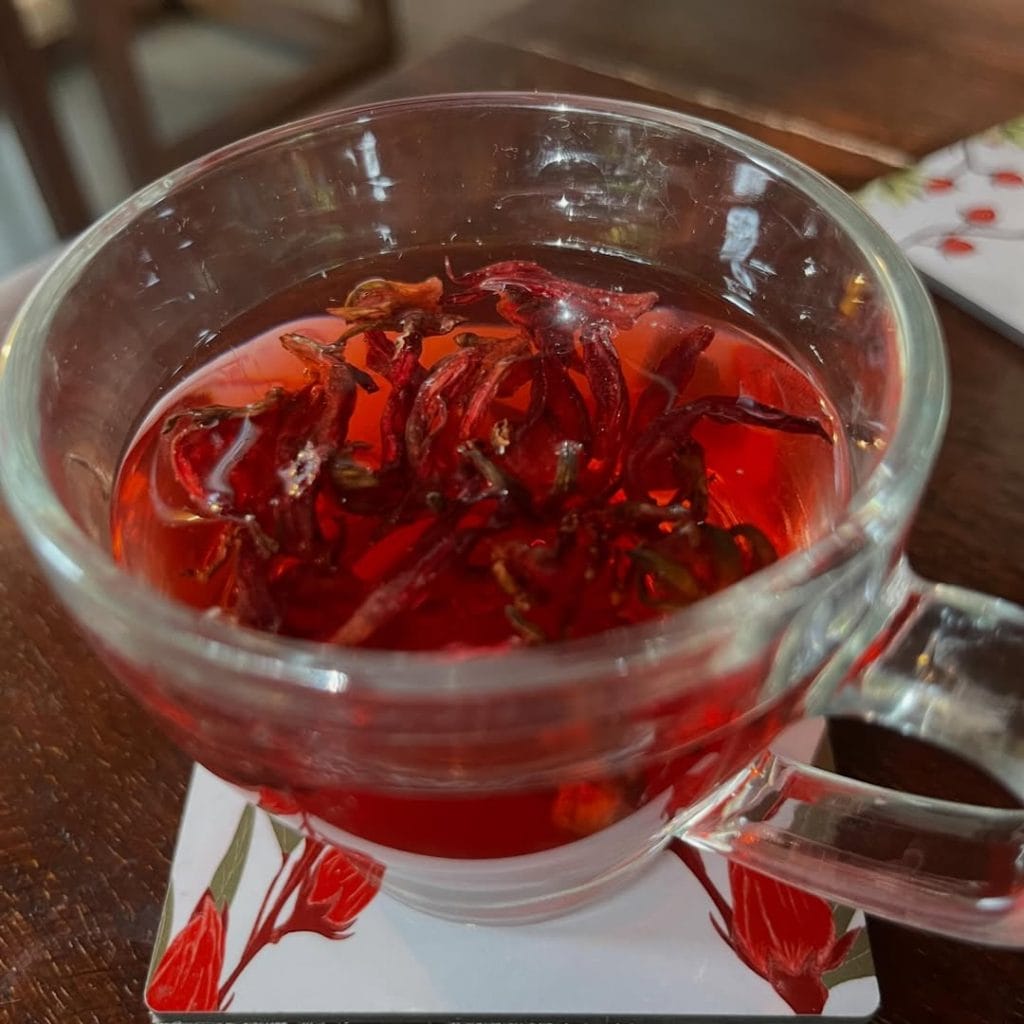
But authenticity here does not mean sticking to a rulebook. The kitchen treats these ingredients as a starting point for exploration. The result is a menu of familiar yet surprising fusion, such as panitenga pasta—where fermented mustard meets a classic Italian format—or bogori mas tenga, a tangy fish curry built around Indian jujube. There’s also fish with perilla, spinach pithaguri, and a refreshing heimang cold brew.
Despite the focus on Northeastern flavours, Project Otenga resists being boxed into a regional label, which is also why Borgohain chose not to set up in Safdarjung’s Humayunpur, Delhi’s go-to hub for Northeastern food.
“People visit Safdarjung for restaurant hopping. There is no brand loyalty among the customers. But we want to be a destination space. In order to build a strong community, we have to cancel the noise, which isn’t possible in Safdarjung. We want people in Gurugram to plan a trip just to Project Otenga. I don’t want it to be a backup option,” Borgohain said.
The clientele has grown organically, through social media and word of mouth, with little reliance on aggressive marketing.
“We are okay with not making profits for some months,” she said. “Slow, sustainable growth matters more than quick highs.”
(Edited by Asavari Singh)