



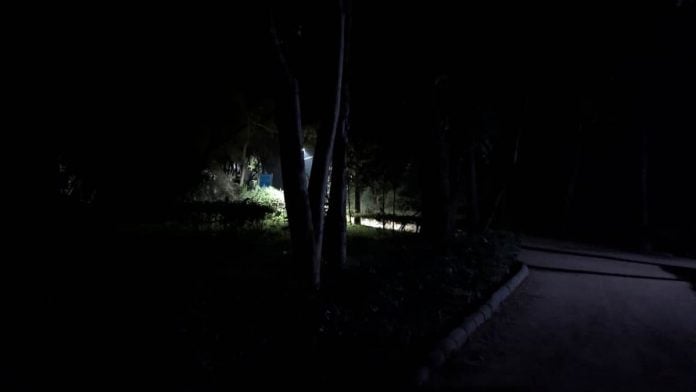
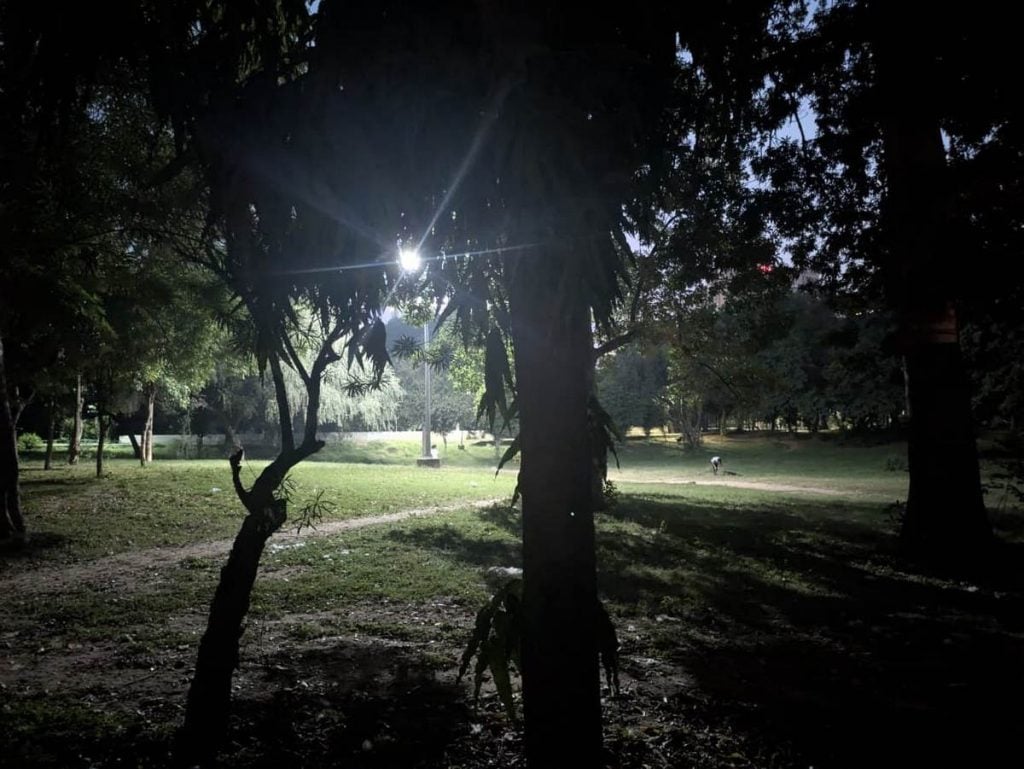
New Delhi: The DDA district park in Hauz Khas was shrouded in darkness by 7 pm last Friday. The lamps along the pathways were on but the gazebos and seating areas in the lawn were barely visible. Animals rustled in the undergrowth and insects droned in the grass. Some male runners did their rounds. But there wasn’t a single woman in sight.
“It’s safe till 7-8 pm,” said the guard at the main gate. “Later at night, people — mostly men — jump over the wall and come in. They don’t come through the gate.”
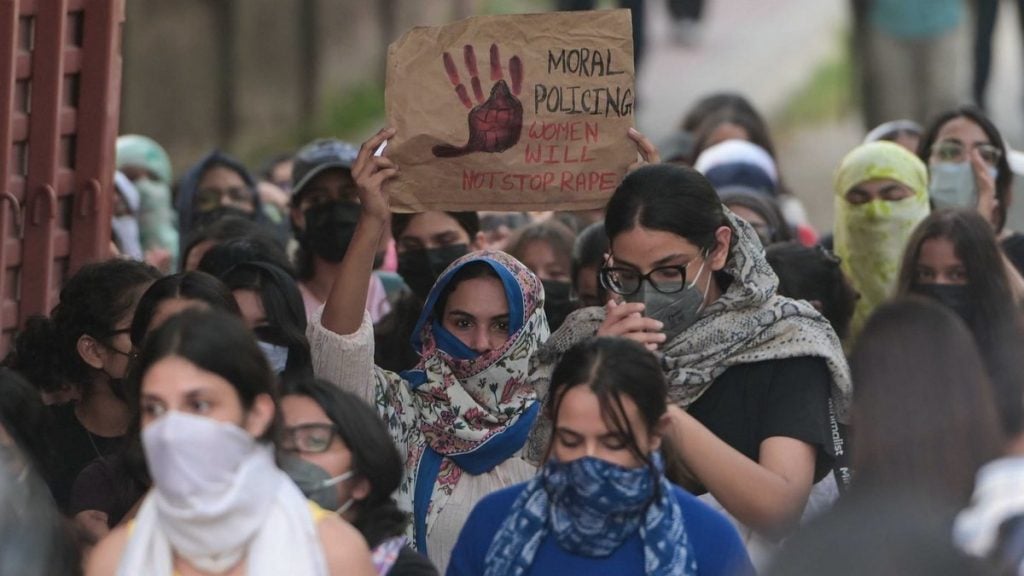
Hauz Khas is not an exception. As the sun sets, many of Delhi’s parks go black and become danger zones for women. At Astha Kunj Park, a 17-year-old girl was allegedly gang-raped on 21 September, leading to hundreds of women protesting about the lack of safety in public spaces.
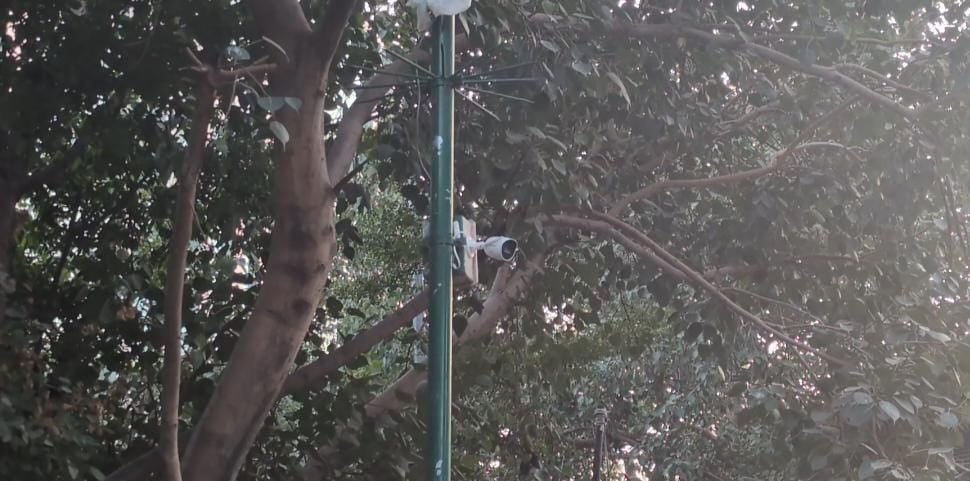
The assault and subsequent outcry have jolted authorities into action. On 13 October, the Municipal Corporation of Delhi (MCD) proposed designating one dedicated women-only park in each of the city’s 250 wards, staffed by female guards and fitted with CCTVs. Meanwhile, an internal audit ordered after the rape case by the Delhi Development Authority (DDA)—which manages the city’s larger green belts—found that only 16 of its 736 parks (about 2 per cent) have functional CCTV cameras.
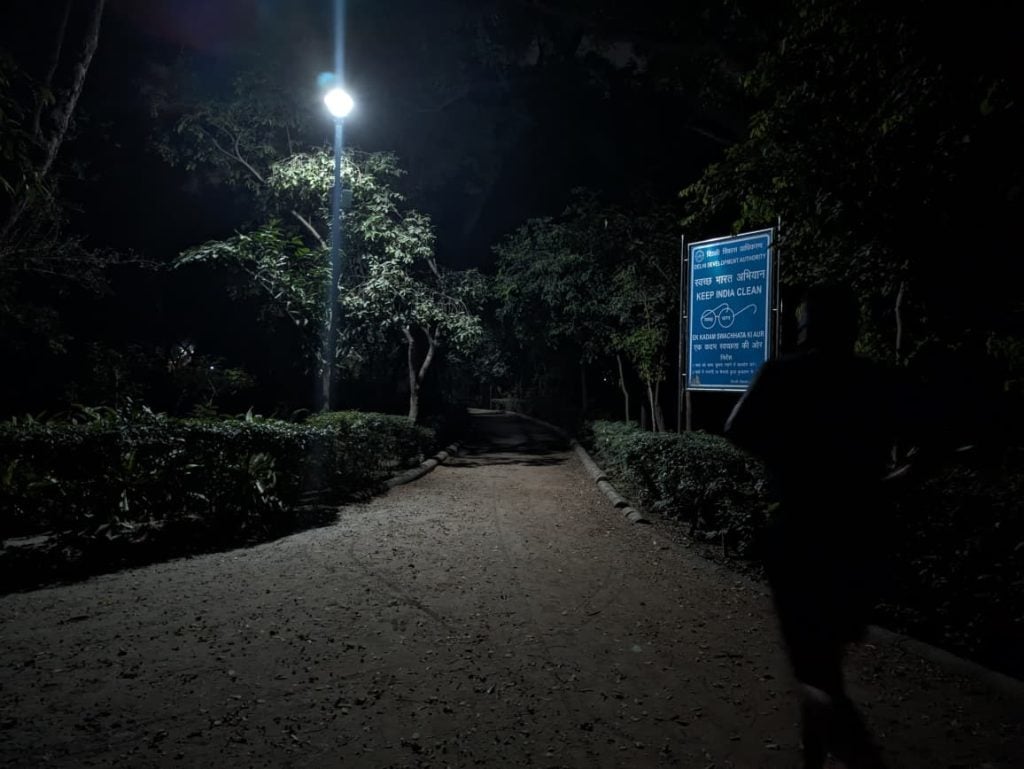
The DDA audit classified 190 parks as ‘high-risk’, including Astha Kunj, Hauz Khas District Park, Sanjay Lake, and Jahanpanah City Forest and biodiversity parks along the Yamuna floodplains. It also said that 520 parks need additional lighting, 323 need cameras, and 163 have gates that cannot be locked. Earlier this month, the DDA said lighting work had been completed in 106 of the 520 parks—about one in five.
Historically, some parks, such as Parda Bagh, in Delhi used to be exclusively for women. The standing committee chairperson has recently suggested identifying one park in each ward which can be designated as Mahila Park in a meeting held with officers of the horticulture department.”
– Sanjeev Mittal, MCD Additional Commissioner
But this is not the first time alarms have been raised about dark spots in Delhi’s public green spaces. A flurry of ‘safety’ measures has also been announced in the past. But crimes have still unfolded in the shadows and unlit corners. ‘Pink parks’ announced in 2023 never took off either.
In the months after the 2012 Nirbhaya gang-rape, Jagori, a women’s rights organisation, conducted safety audits across Delhi under the Safe Delhi Campaign, flagging poor lighting, absence of “eyes on the street,” inadequate last-mile connectivity and low female presence after dark. These findings fed into the Justice Verma Committee report, which noted “dark areas are more prone to facilitate crimes” and called for better street lighting. In 2014, the Delhi High Court also ordered Delhi Police to map areas with high rates of crime against women, with missing street lights subsequently identified as a safety problem.
Yet in 2016, a city-wide mapping by the personal safety app Safetipin identified 7,438 dark spots on Delhi’s streets. By 2019, the number had fallen to 2,768 after government intervention but new dark stretches kept appearing on the periphery.
On 28 September, the Supreme Court took suo motu cognisance of recent sexual assaults in Delhi-NCR, including the Astha Kunj case, and said there had been a “systemic failure on the part of law enforcement and civil administrative authorities to guarantee basic public safety.” It ordered a four-week audit of lighting, CCTV and vulnerable areas, including parks.
Despite successive rounds of street-light installation, the Safe City Project under the Nirbhaya Fund, and other policy interventions, women who use Delhi’s parks choose to leave before sunset. At Astha Kunj Park, lights and cameras have now been installed but it still hasn’t inspired confidence in women visitors.
“No amount of lights and cameras can get me to be in this park after dark,” said a 22-year-old student from Lady Shri Ram College, who was preparing to leave the park at around 5.30 pm. “It becomes eerily quiet. Multiple crimes have happened here. Why would I risk my safety?”
Also Read: Ramlila, CBD to Burari—Delhi’s new protest sites are preparing for weddings, not demonstrations
Lighting every corner ‘not possible’
Like the LSR student, Vibha, a 34-year-old homemaker, also packs up before dark. She often comes to Astha Kunj Park to catch a break after dropping her children off at tuition classes. Sometimes she comes alone, sometimes with her family.
But there’s one stretch of the park she wouldn’t walk through after 7 pm, even with her husband and friends. It’s a stretch adjacent to the mall near Nehru Place.
“It is only a one-minute walk, but you can’t cross it after 7 pm,” she said of the area. “On the road there are lights, vehicles, people. A few seconds away, you come to the park and it is pitch dark. It feels haunted.”
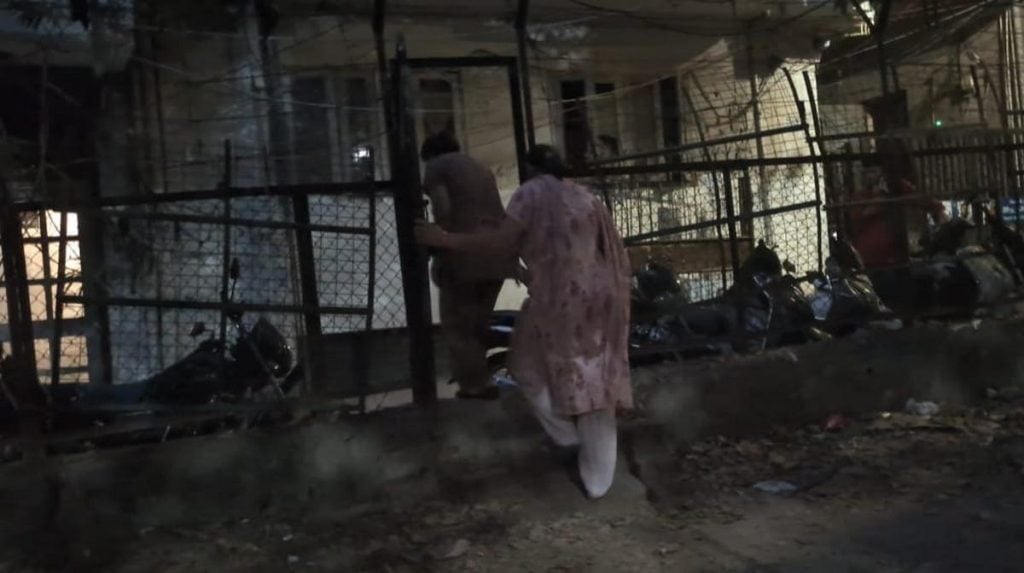
The assault last month took place in one of the park’s dark, secluded stretches. Three men posing as policemen allegedly separated the 17-year-old survivor from her male friend and sexually assaulted her. The CCTV cameras at the entrance were reportedly not working, and the spot had little or no lighting. The area around Astha Kunj had also been flagged in earlier Delhi Police surveys of dark spots.
Behind the bushes, it’s all dark. Only the walkway has light. You never know who is lurking in the bushes.
– Vibha, 34-year-old homemaker at Asastha Kunj park
Similar cases have occurred before in Delhi. In August 2024, a woman was allegedly gang-raped by two men at Buddha Jayanti Park in the evening. In 2016, two teenage girls were reportedly gang-raped in a park in Aman Vihar.
The authorities have tried to tackle some of the blind spots in Astha Kunj Park since the September crime. A guard at Astha Kunj said trees had been pruned to let light reach the paths and more CCTV cameras had been installed across the park. Around 10 guards are posted at the gates, and women police officers patrol on scooters. After 8 pm, guards walk through the park with torches, moving people away from secluded spots.
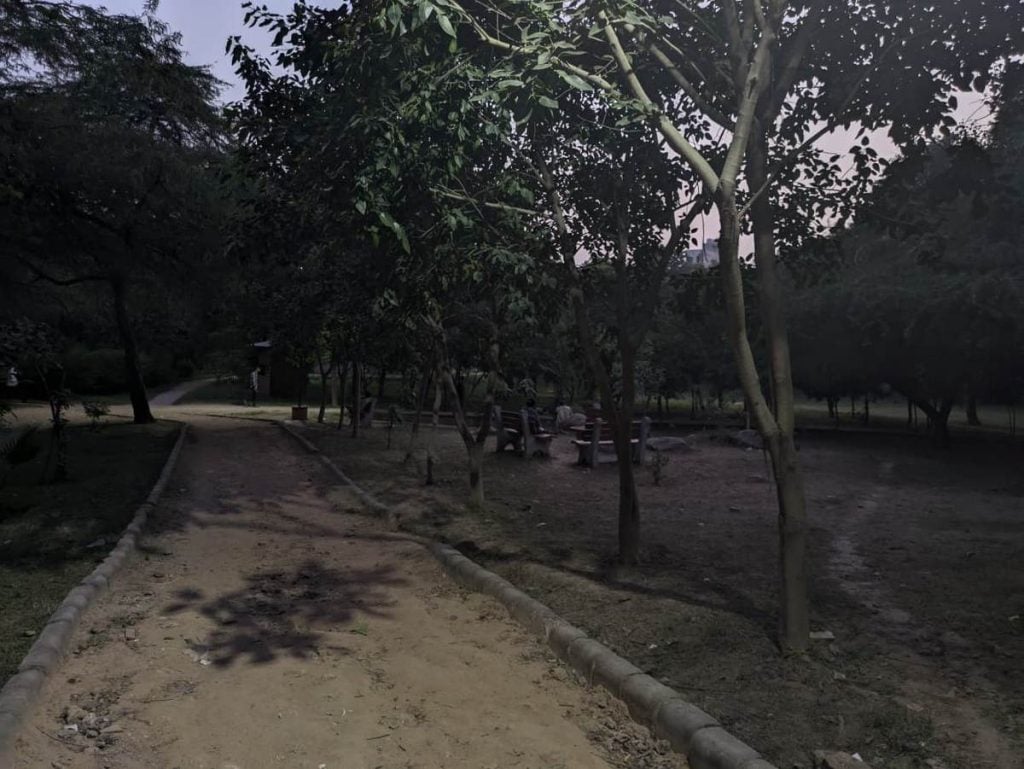
But the DDA park covers about 142 acres and has 29 gates, so securing every corner is a challenge. The walls are low enough to climb.
“The park is obviously huge and lighting every corner is not possible,” said the guard.
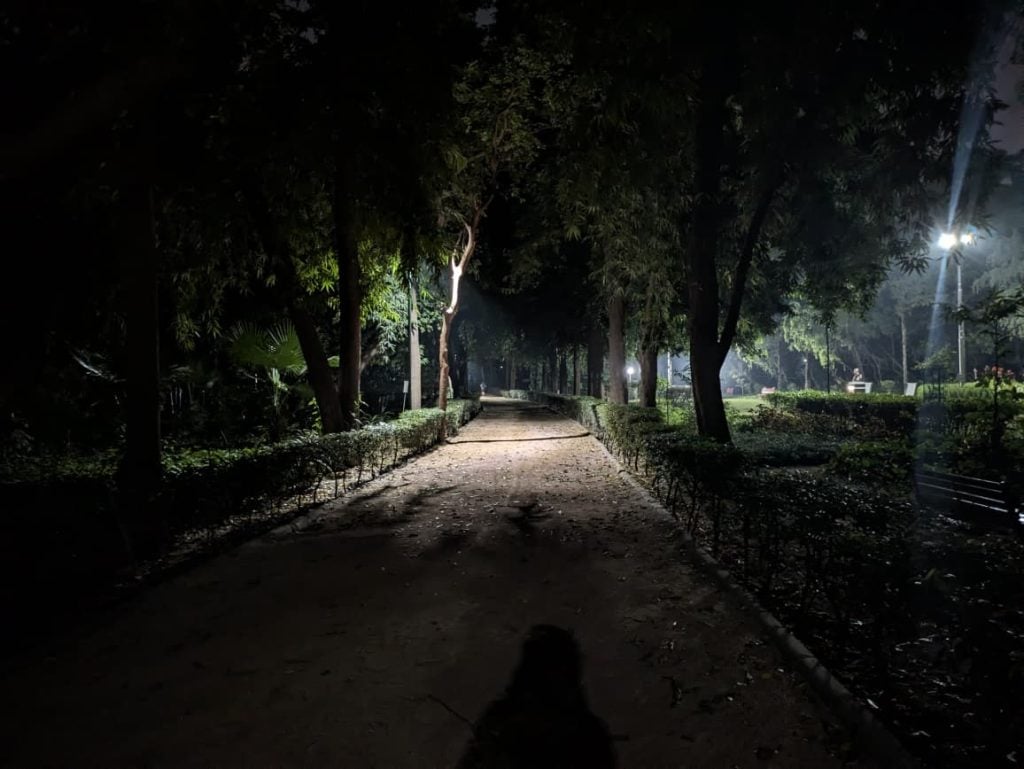
Vibha said the new lights do little to illuminate the dense bushes and tree cover.
“Behind the bushes, it’s all dark. Only the walkway has light. You never know who is lurking in the bushes,” she said. “It shouldn’t be that five places have cameras and ten are left out. Wherever it’s left out, that’s where they (criminals) might hide.”
Porous boundaries, dark spots
At Hauz Khas district park, the lights “have always been there”, according to the guard at the main gate, although repairs are under way. But this seems to apply only to the walkways of the roughly 100-acre park.
The main entry gate was prominently lit by a big white lamp but further in, little could be seen. The occasional stir on a bench suggested someone was sitting in the shadows.
A signboard outside gives the closing time as 9 pm, but the guard said the park shuts by 8 pm.
“Women do not come after dark,” he said. “Maybe one or two, coming for a run.”
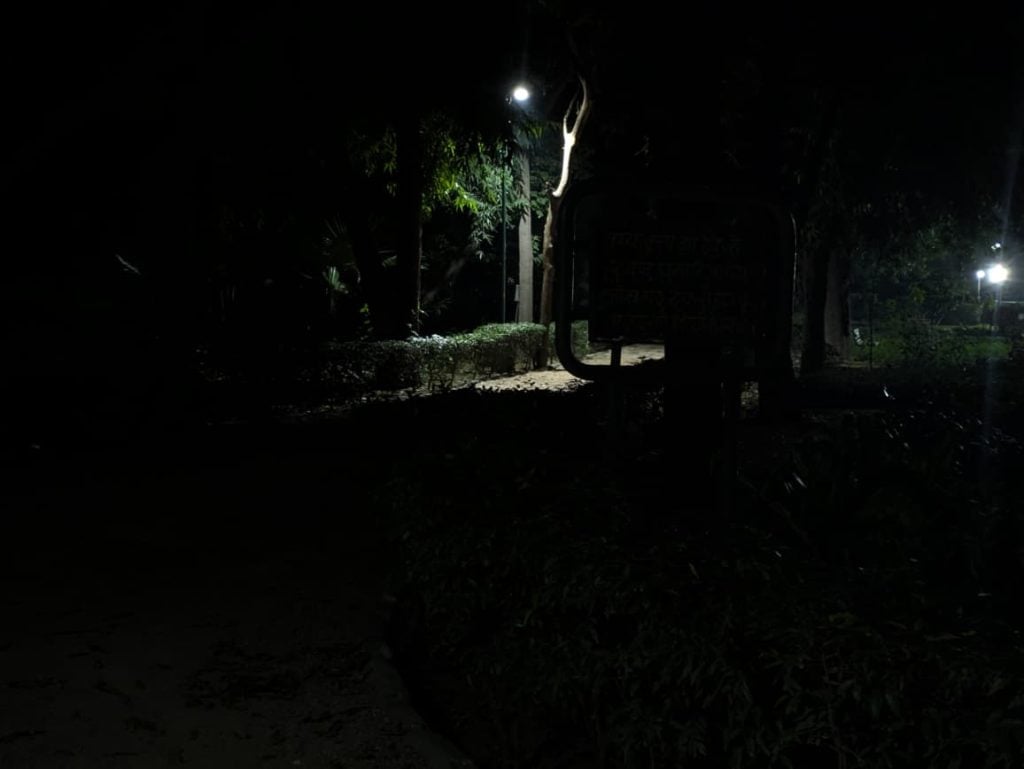
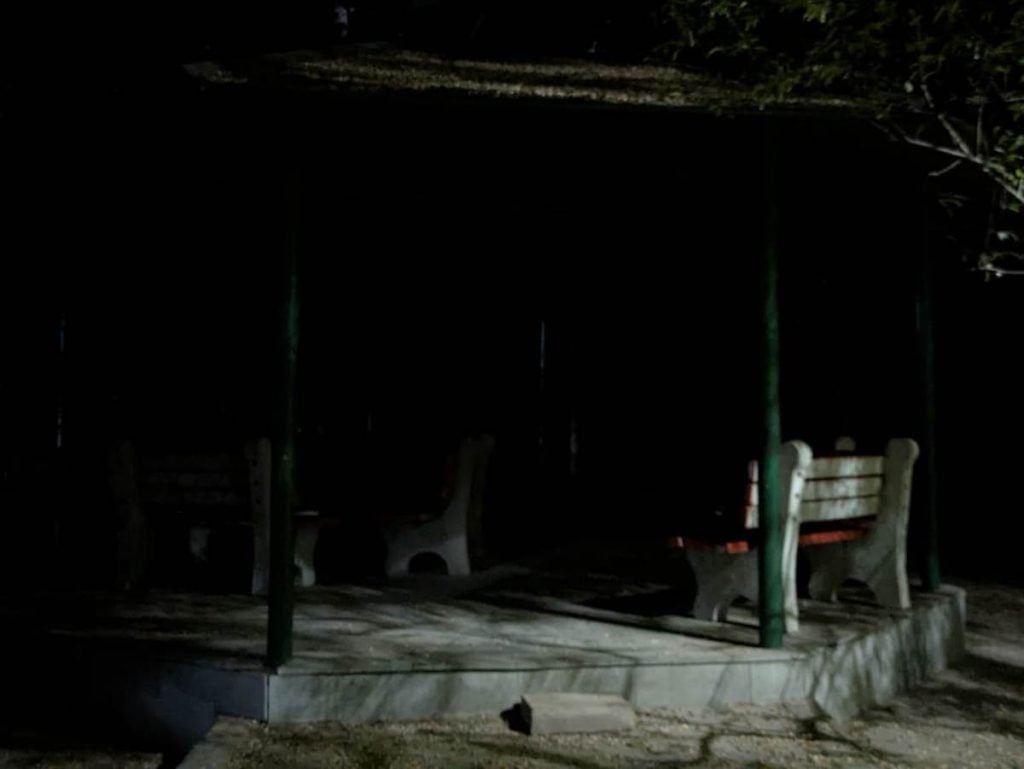
According to him, people enter after dark to smoke, drink and do drugs. Guards have been directed to call the police when they spot them, but often the intruders escape before the police arrive.
The park has several smaller gates, including two behind a statue, which cannot be locked.
“Even if this main gate is locked, that one stays open. Nobody dares to come from here [main gate], but they come from the back,” he said.
Just three or four guards patrol the entire park at night. The guard at the gate has never worked a night shift himself and said he had not seen any major incident during his duty, barring a chain-snatching.
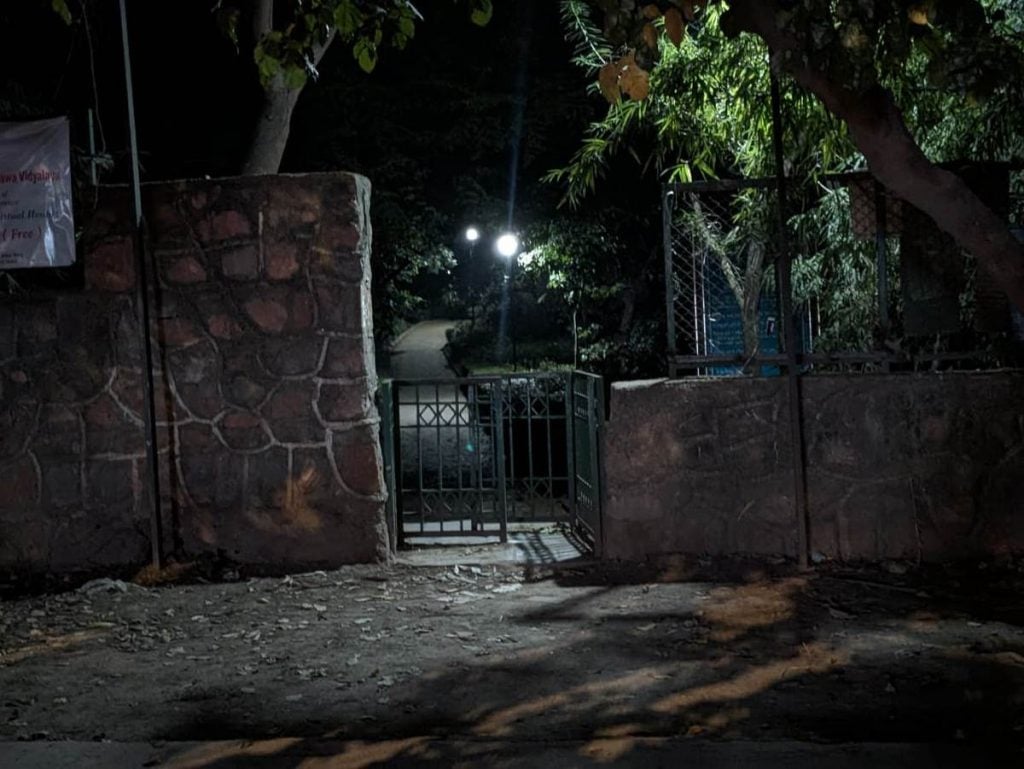
The DDA is now reportedly hiring 5,000 new security staff and plans to post armed personnel at 134 high-risk parks. Lighting work is under way in another 231 parks, night patrols have started in 245 major parks, and biometric attendance has been switched on for guards in 602 parks.
“The audit of all parks is done. We are taking measures on a priority basis, wherever it is required,” DDA Public Relations Officer Bijay Patel told ThePrint.
The Delhi Police is conducting another round of safety audits as well after the Supreme Court’s 28 September order to inspect vulnerable locations in the city. The court also sought an update on the central government’s Safe City Project, which was launched in 2018 to improve women’s safety in public spaces through CCTV surveillance and better police response.
Sub-Inspector Paramveer of Delhi Police’s South-West district said that the force “prioritises women’s safety, and patrolling is done in all parks.”
When high walls and bright lights don’t help
Installing more guards, lights and higher walls alone is not necessarily enough to make parks safer. It can even be counterproductive, according to Rithvika Rajiv, programme manager at Safetipin.
“What really is important are three main things: lighting is one of them, for sure. The other two are visibility and line of sight.”
She invoked urbanist Jane Jacobs’s idea of “eyes on the street” — the natural surveillance created by having people around. High walls and dense vegetation can create enclosed spaces, where both crime and the fear of crime flourish.
“If a young woman is caught in that area and you have high boundary walls, no one’s going to see her. No one’s going to hear cries for help.”
Instead, Rajiv advocates parks with clear sightlines, multiple escape routes, lower boundary walls so that what’s happening inside is visible from outside, and enough activity to keep people around at different times of day.
“Activity and bringing in more people are the best way to reduce all these sorts of unsafe factors,” she said.
What really is important are three main things: lighting is one of them, for sure. The other two are visibility and line of sight
– Rithvika Rajiv, programme manager, Safetipin
Lighting also needs to be incorporated more thoughtfully, she added. Lamps must be placed so that tree cover does not create dark pockets. An eye must also be kept on overgrown bushes that can hamper visibility.
A 2022 meta-analysis of studies from the US, UK, Brazil and South Korea found that improved street lighting was associated with a 14 per cent reduction in overall crime, but no major reduction in violent crime. A 2019 study by Monash University in Australia also found that brighter lighting did not necessarily make women feel safer. It could even make them perceive more danger—such as when bright paths were surrounded by darkness, making it harder to see who was approaching.
Khushboo, a 20-year-old college student from Bihar, was sitting with two friends by the lake in Astha Kunj Park. She recounted that her sister was once grabbed by men in the park and got away only because she screamed and it was still early.
“This is all for show,” she said of the new lights and cameras. “In India, change only comes after an incident has happened. One has to always be responsible for one’s own safety. If a criminal wants to commit a crime, he will.”
Mamta, a 36-year-old domestic worker, was playing in the park with her 14-year-old daughter. She lives nearby and works in the residential colonies adjoining the space. She has visited the park for eight to nine years for some respite from the rush.
“The park used to be good,” she said. “People from far away have come and made a mess in the city. Gamblers and drunkards come later after dark.”
She doesn’t expect the lights to make much difference.
“Men will rape even with the lights on,” she said. “Why come here at night at all?”
Also Read: Why Delhi’s pedestrianisation plans keep failing—CP, Karol Bagh, Chandni Chowk
Pink parks redux?
The MCD’s proposed solution is a step beyond ramping up safety measures. It’s to segregate women into ‘Mahila Parks’ of their own. The civic body plans to set aside one park exclusively for women in each of Delhi’s 250 wards, following a proposal discussed by its standing committee.
“Historically, some parks, such as Parda Bagh, in Delhi used to be exclusively for women. The standing committee chairperson has recently suggested identifying one park in each ward which can be designated as Mahila Park in a meeting held with officers of the horticulture department,” Sanjeev Mittal, MCD additional Commissioner, told ThePrint.
It echoes a similar ‘pink park’ initiative proposed by the AAP-led MCD for all of Delhi’s wards. But the plan went nowhere, reportedly because of a resource crunch. One pilot pink park did open near Mata Sundari Road, but it has reportedly fallen into disrepair. Delhi also has a handful of older women-only parks, such as Parda Bagh in Daryaganj and Mahila Parks near Jama Masjid and Turkman Gate.
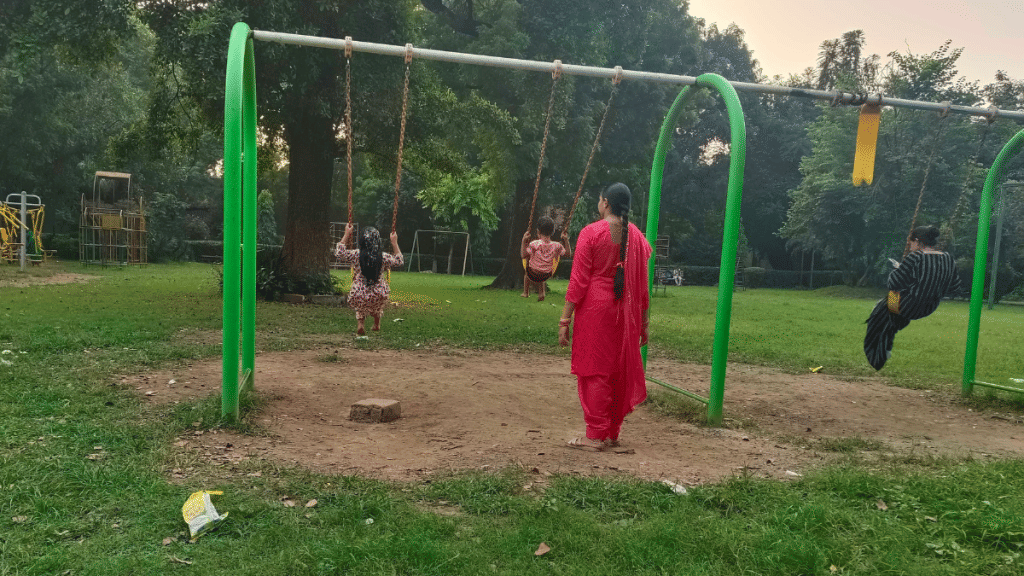
Mittal said the new proposal is still in the nascent stage. The Horticulture department will identify such parks in consultation with the concerned RWAs of different areas and then bring the matter for the consideration of the standing committee chairperson.
“We will discuss the requirement for such facilities with the RWAs. The proposal will be taken up accordingly,” he added.
He noted that most parks the MCD manages are smaller residential parks, barring a few exceptions such as Qudsia Bagh. The problem of lighting, he said, is not as grave in these parks.
“Still as per directions of Hon’ble Supreme Court, action for improvements—including boundary wall repair, fixing dark spots, better lighting, and security guard deployment, etc— is being taken. The audits are underway, and tenders are being processed,” he said.
However, Rajiv questioned the idea of creating silos for women rather than making public spaces safer.
“It’s really very worrying that the response is to create separate spaces for women, rather than address exactly why public spaces are unsafe in the first place,” she said. “This will just end up reinforcing existing inequalities in how women access and experience public spaces.”
She warned that such a move could end up giving women less freedom than before.
“This could lead to a situation where women are questioned why they are using general public spaces at all when there are designated parks for them,” she said. “We will end up normalising the idea that women’s safety is only ensured by separating them from the rest of the public.”
(Edited by Asavari Singh)