


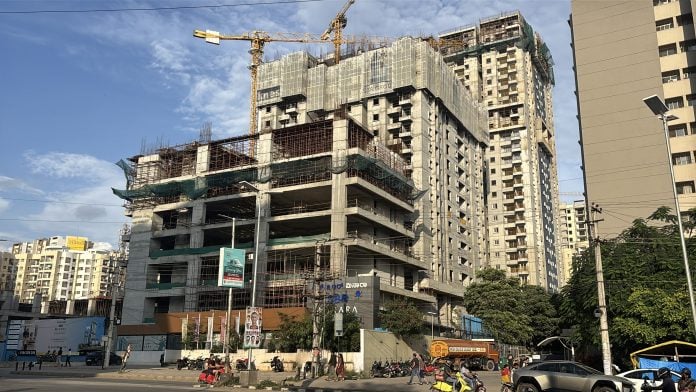
Bengaluru: Arunima Singh and her husband have been grinding away for years with one common goal: buying their own house. They wanted some permanence in a city where their careers had taken root. Both techies, with a combined income of Rs 5-6 lakh per month, decided that the time was ripe to take the leap.
They also wanted to reclaim something Bengaluru had been steadily taking from them: time. Singh’s daily commute from her home in the affluent HSR Layout neighbourhood to her office on Outer Ring Road — about five kilometers within eastern Bengaluru — takes roughly an hour each way. Sometimes, it even drags to two hours, no thanks to the city’s notorious traffic snarls.
The couple found an apartment that was five minutes from Singh’s office on the Outer Ring Road, one of the city’s busiest technology corridors. But they hadn’t factored in the unexpected.
India’s tech sector was jolted by mass layoffs earlier this year. Thousands of mid-level tech employees at some of the biggest IT firms, including Oracle, TCS, Infosys, Cognizant, and HCLTech, lost their jobs owing to rapid adoption of artificial intelligence (AI) and a shift towards higher productivity and profitability. Though Singh skirted the crisis, the anxiety over her job security lingered. “When you hear stories of a 6am email telling someone that they have lost their job, you start questioning how secure your own job is,” 32-year-old Singh said.
Singh’s experience captures the peculiarities of Bengaluru’s housing market. More than finances, proximity to the workplace decides whether or not one should purchase a house. While technology is a driver of the city’s expansion, rapid transformations in the sector are dampening the demand for home ownership. The AI boom has had a direct impact on Bengaluru’s real estate market. First-time buyers, dependent on salaries and home loans, are increasingly wary of committing to large EMIs amid impending job losses. Meanwhile, affordability has moved to the city’s fringes, far from Bengaluru’s tech hubs that employ most of its workforce. This has left buyers in a dilemma—either pay a premium to live close to the workplace or spend hours navigating Bengaluru’s traffic, pay in time and transport costs, to reach a home they can afford.
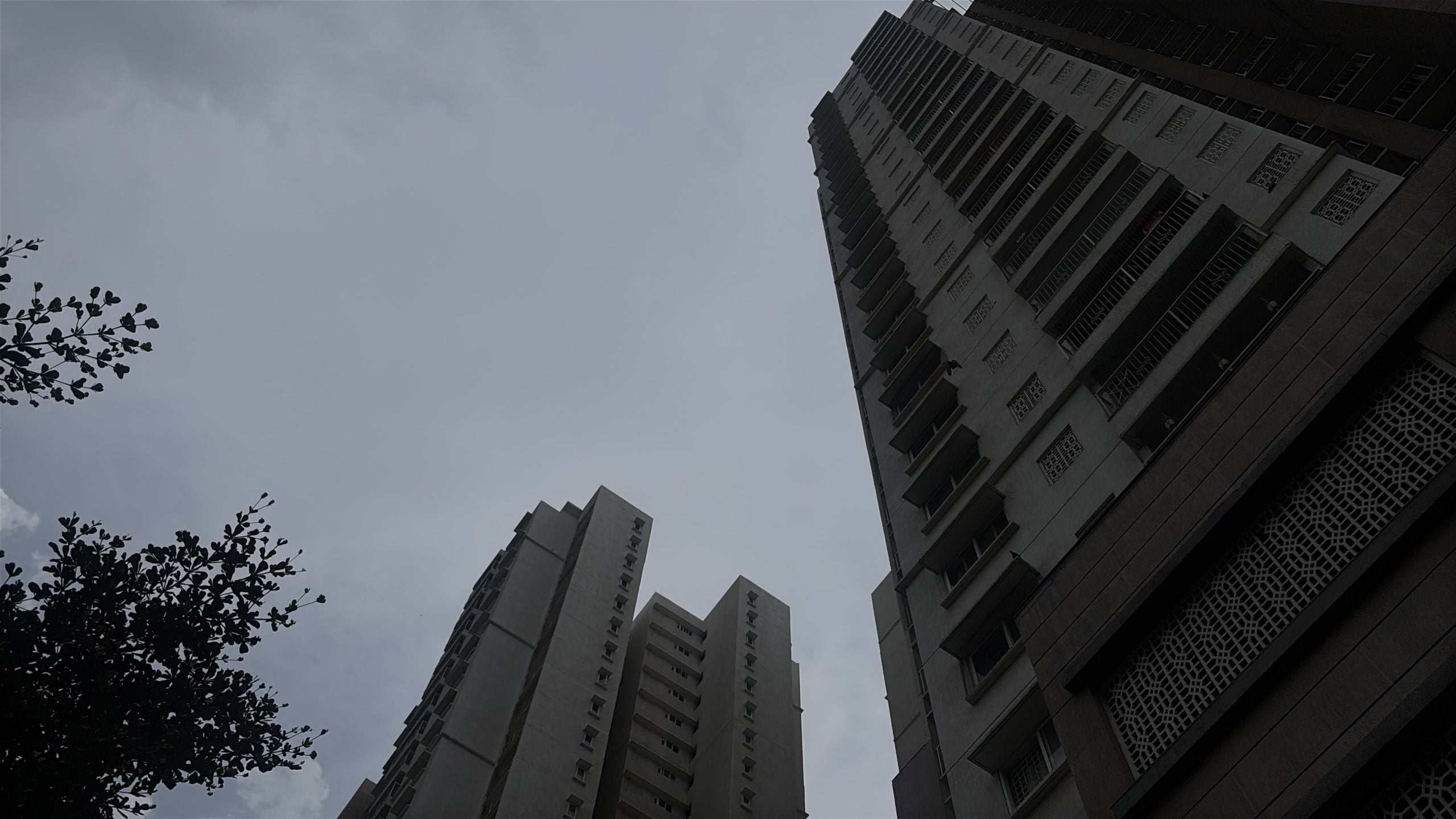
The subdued demand, though substantiated by data, has neither unsettled developers nor affected property prices. According to a PropTiger report, Bengaluru recorded a 26 per cent increase in property prices year-on-year — the highest among the eight cities tracked by the real estate advisory firm. Despite housing sales falling 9.2 per cent year-on-year, developers launched 16,827 new units, 36.7 per cent more than the previous year.
“If you look across the country, major cities usually decrease their property prices, even marginally, if no one is buying. But not in Bengaluru,” said Krishna Singh of Alpine Builders.
According to Singh, the city’s property market works differently. Prices may rise slowly at one point and sharply at another, but developers do not necessarily expect to cut prices when sales soften.
“When housing is pushed outward and infrastructure does not keep pace, developers continue to build where land is available,” said Anirudh, an urban planner with Beyond Urban. “But buyers are increasingly unwilling to pay a premium for a home that does not solve the basic problem of access to work and transport.”
The homebuyer’s hesitation
Singh recalled that the apartment the couple had their heart set on cost them approximately RS 2.3 crore. They could take a home loan of about Rs 1.7 crore, and the rest paid in equal monthly installments.
“But, if we did that, almost all our liquid savings will go towards the down payment. We want to invest and save too. We are not ready to lose that safety net — because what happens if something goes wrong?”
“Buyers are growing reluctant to lock themselves into EMIs for 25 or 30 years when they are uncertain about how their jobs may change,” said Ajish Simon of Loyalty Realtors. He added that his clients were now showing interest in land and plots. Around 30 per cent of recent enquiries he received were for land or plots, while the remaining was for apartments.
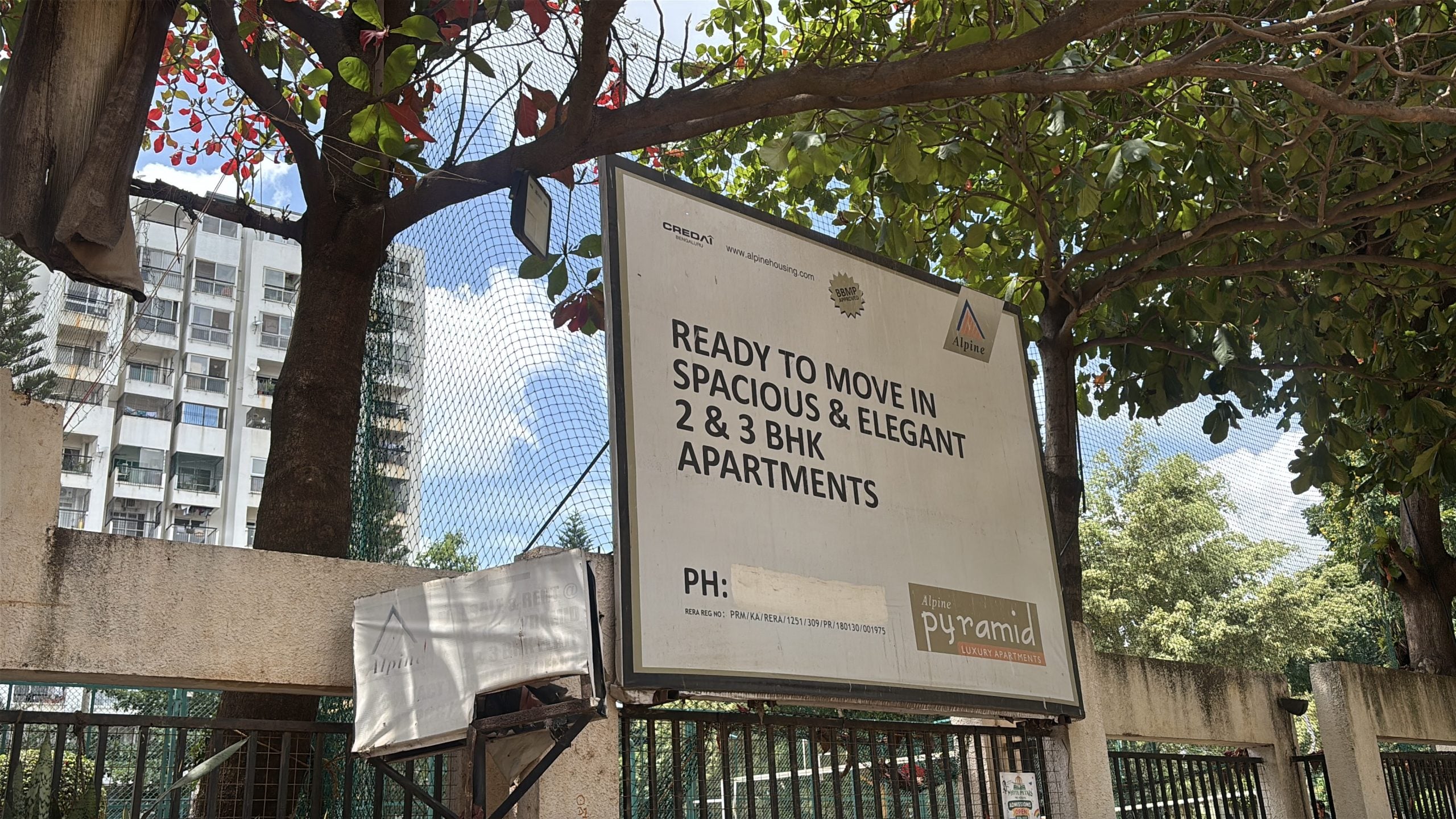
Singh and her husband eventually walked away from the apartment; and continued to rent in HSR Layout for Rs 47,000 a month.
Developers say first-time homebuyers are largely looking at 2-2.5 BHKs, which were typically priced between Rs 80 lakh and Rs 1.5 crore. Projects in this segment are emerging along Bengaluru’s periphery, where land is more readily available and developers can offer homes at lower prices.
Delvi of Concord Group described this price range as “the sweet spot”. “Buyers purchasing their first homes prioritise the basics: a practical layout, sufficient space for a family, connectivity to workplaces and access to everyday services,” said Delvi. He added that unlike buyers in the luxury segment, they are less likely to make clubhouses, swimming pools or expansive private amenities the deciding factor.
Demand is growing outside Bengaluru
The Rs 80 lakh to Rs 1.5 crore segment is increasingly being built along the city’s periphery because the land is relatively inexpensive and construction is not constrained.
Anirudh Badarinath, an urban planner at Beyond Urban, said a factor shaping this is the floor space index (FSI), which determines how much construction is permitted on a plot of land. For instance, an FSI of 1.5 allows a developer to build a total of 1,500 sq ft across all floors on a 1,000 sq ft plot. A higher FSI allows more construction on the same parcel, distributing the cost of land across more homes.
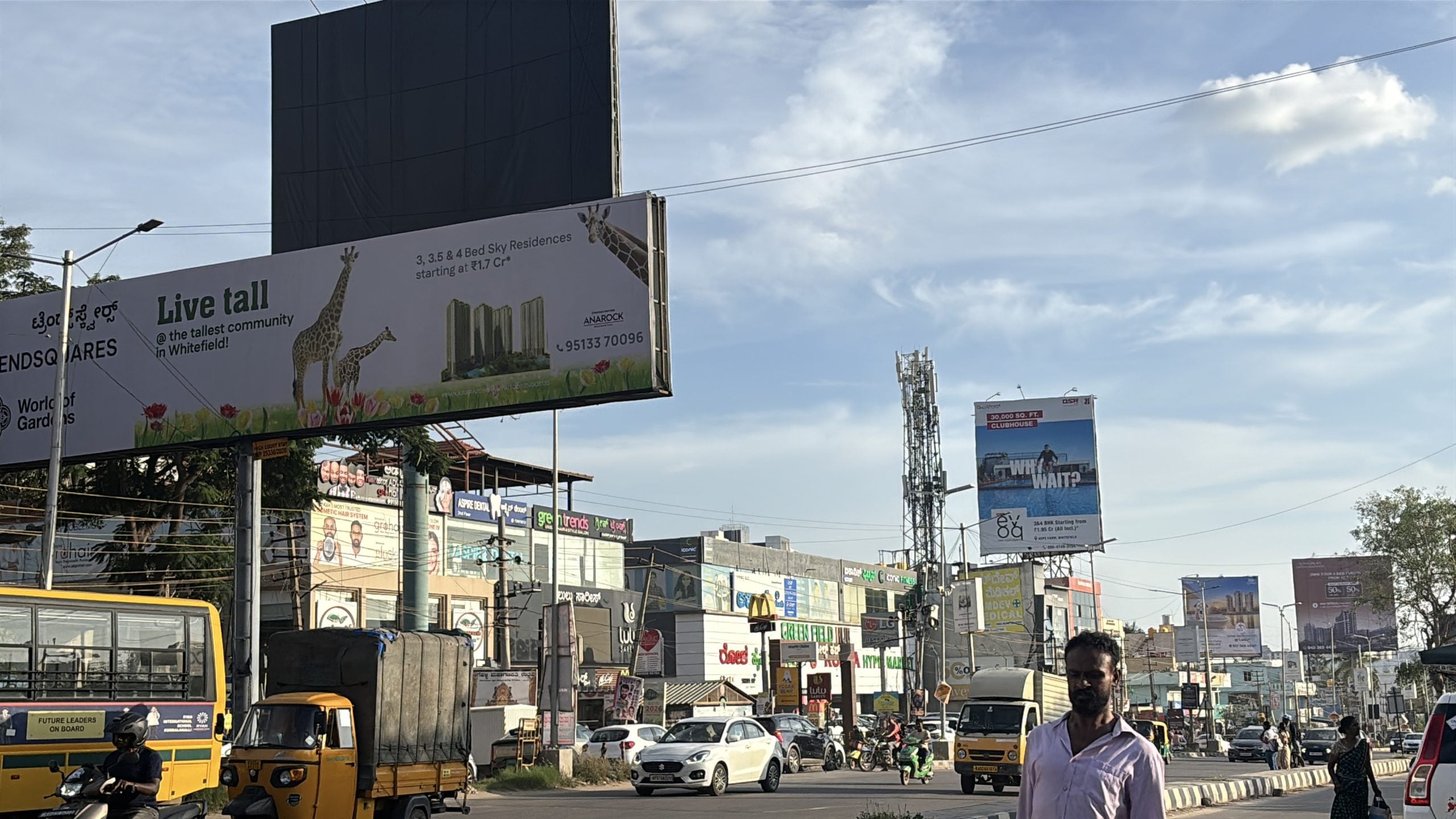
This is the reason that the newly-developed areas along Bengaluru’s periphery have largely seen vertical growth and basement parkings, even as old Bengaluru’s tree-lined streets are still flanked by low-rise residential societies. In central areas, such as Indiranagar or around MG Road, gated societies have no more than three or four floors, limited parking and shared parks. New construction has made these neighbourhoods denser, and put pressure on green and open spaces. Although these areas offer proximity to central business districts, restaurants, retail and social infrastructure, they come at a huge premium.
Easier availability of land has even pushed larger as well as premium projects to Bengaluru’s outskirts. In fact, developers are focussing on building townships, near technology parks.
The idea is to create a small ecosystem within the society, so that residents don’t have to commute for essential services in a city infamous for its traffic. Developers have even begun to position schools, hospitals, super-markets, and entertainment spaces in the proximity as part of the surrounding “social infrastructure,” though access and quality varies widely across projects.
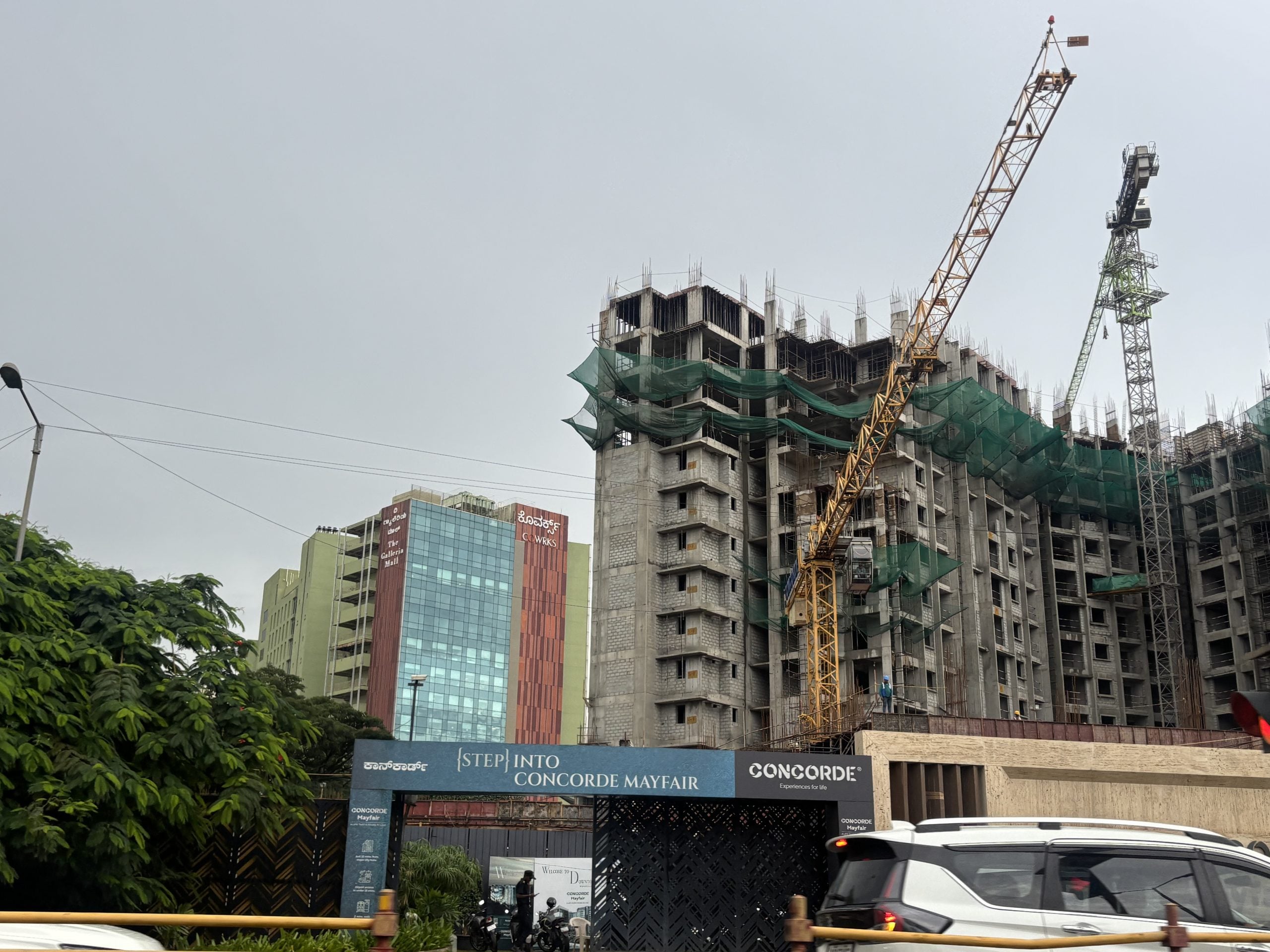
As far as the premium segment is concerned, Simon said the market for gated villas ranges anywhere from Rs 5 crore to over Rs 30 crore. He said his clients typically include NRIs, entrepreneurs, startup founders, and senior executives.
For this segment, a home is often being sold as a lifestyle package. Clubhouses, landscaped gardens, gyms, swimming pools, security, parking and children’s play areas are part of the appeal.
But a bigger budget does not necessarily buy an escape from Bengaluru’s traffic woes. Even buyers in peripheral villa developments must contend with congested roads and long commutes to offices, schools and other parts of the city.
“People are increasingly moving out. But the government is finding it difficult to service those outlying areas, and that is where the problem becomes a tug of war,” said Anirudh.
Growth has outpaced infrastructure
Bengaluru’s municipal limits more than tripled in 2007, when it was merged with surrounding civic bodies to form the Bruhat Bengaluru Mahanagara Palike. The city’s population too doubled between 1991 and 2011, from 4.13 million to 8.43 million. More recent satellite-based research estimates that built-up land has risen from 28,009 hectares in 1990 to 202,521 hectares in 2023, a roughly sevenfold increase.
But this expansion has not been evenly spread. It has followed employment: Whitefield and the Outer Ring Road grew around technology parks, Sarjapur Road followed demand from IT employees and schools, while North Bengaluru has been reshaped by the airport, industrial estates and planned infrastructure.
“Bengaluru has not simply grown; it has expanded outward faster than the city has been able to provide infrastructure,” said Anirudh. “Employment clusters pull housing towards them, but when homes are pushed to the periphery without reliable transport and services, the city ends up creating new problems in an attempt to solve one.”
The challenge is that civic infrastructure has lagged behind Bengaluru’s rapid expansion. A World Bank assessment of the 110 villages brought into the Bruhat Bengaluru Mahanagara Palike in 2007 found gaps in basic services, including piped water, sewerage and stormwater drainage. Many areas continued to depend on borewells and septic tanks.
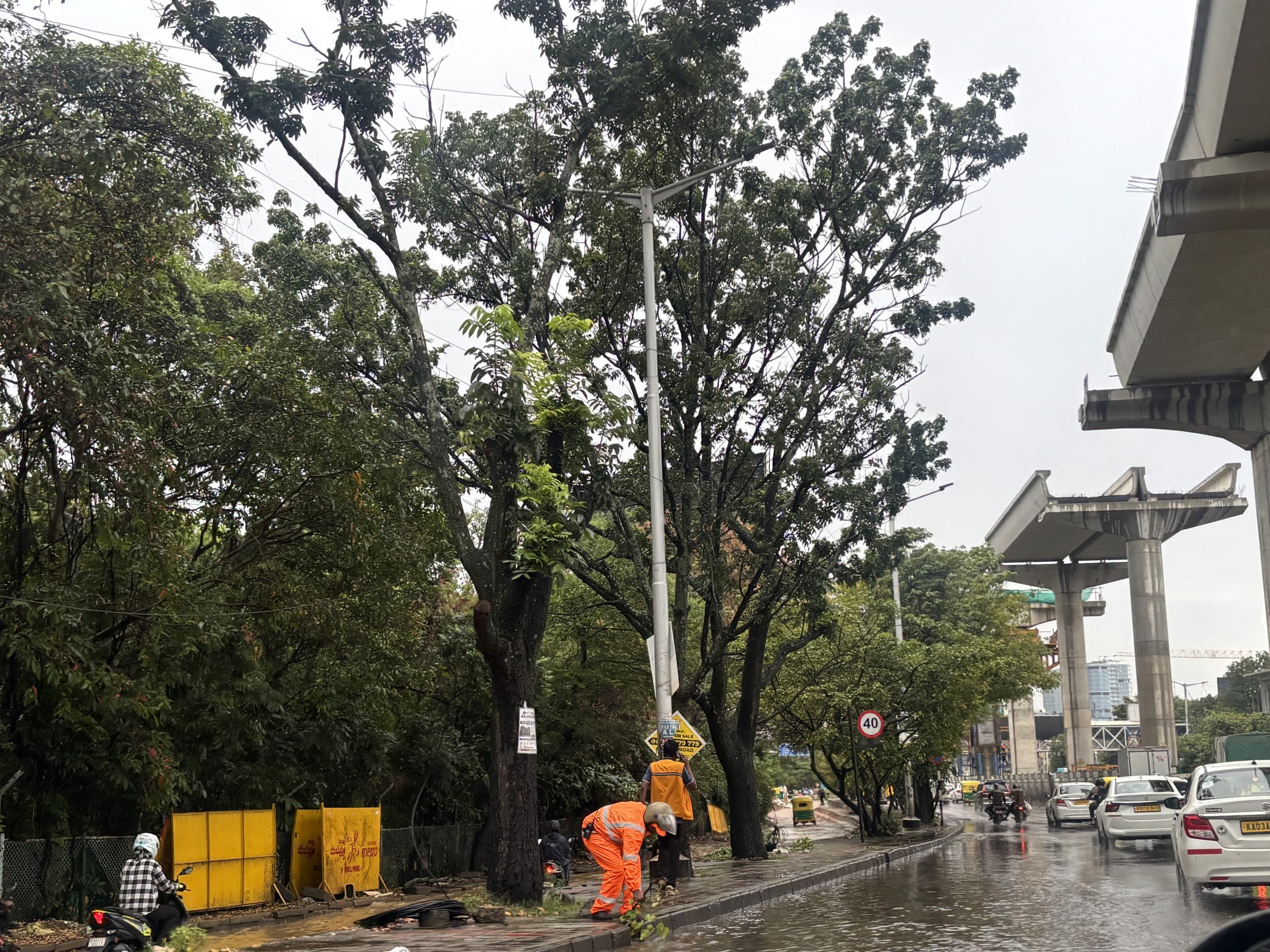
Residents in parts of Whitefield and Sarjapur have also reported poor roads, water shortages, inadequate drainage and flooding. As recently as January 2026, some areas were still awaiting underground sewerage connections and the Cauvery water supply under Phase V.
Although Bengaluru’s technology corridors have grown into dense stretches of offices, restaurants, and high-rises, access to these neighbourhoods is a major issue: connecting roads often witness bumper-to-bumper traffic through much of the day.
That has made metro connectivity a major selling point. “Wherever there is metro connectivity, the market is booming,” said Venkatesh of Axis Builders. That is because buyers are not just buying a house, but also access to the city.
While the Blue Line, which will connect the Outer Ring Road and its eastern IT corridor to the Kempegowda International Airport in the north, is expected to be operational by mid-2027, Prime Minister Narendra Modi green flagging a 7.5-km elevated stretch of the Pink Line, is likely to boost demand in south Bengaluru.
The logic is simple: a cheaper home is of limited value if getting to work takes two hours each way. A home farther from one’s office may save the buyer several lakh rupees. But fuel, cabs, metro fares and, less visibly, hours spent travelling will certainly eat into the savings.
Singh knows that trade-off well.
The home she still wants
Singh’s monthly rent of Rs 47,000 does not build an asset. But it also does not require her to put all of her liquid savings into a single property. Under the construction-linked payment plan, the couple would have had to pay an initial 20 per cent, with the bank disbursing the loan in stages. Singh estimated that the monthly EMI would amount to Rs 1.7 lakh.
For the couple, the question was not just whether their combined salaries could cover the EMIs. It was whether they were comfortable taking on a long-term financial commitment in an uncertain job market. Renting leaves them with the flexibility to change cities, jobs or even countries.
“I cannot travel for two or three hours every day. Sometimes I take two hours one way, don’t find cabs easily, or the roads are flooded. One day I paid Rs 600 for 5km because of surge pricing,” Singh said. “Bengaluru is expensive to live in. If the rent does not break the bank, transport and essentials will.”
Yet, she has not given up on owning a home. She still thinks about the apartment they walked away from. A home five minutes from the office would have meant less time on the road, fewer expensive cabs and more hours at home. But for now, that convenience was not worth losing the financial cushion that made her feel secure.
“Buying a home in Bengaluru is still a goal for us. If I get an opportunity abroad, I may take it, earn enough and come back to buy a house here. I still want to return to a home that is mine.”
(Edited by Aakriti Handa)
This is the third instalment of our four-part series, Urban Housing Squeeze, exploring why India’s growing cities are putting homeownership beyond the reach of the middle class. Stay tuned as we take the story to more cities.