







New Delhi: Zoho co-founder Sridhar Vembu cited a Japanese study and highlighted the importance and health benefits of spending time in nature. His post on X came after Rowan Cheung, the founder of the world’s largest AI newsletter, The Rundown, also brought back the 2008 Japanese study and said that it was a reminder to “touch grass”.
“A scientist in Japan demonstrated that the air inside a forest strengthens your immune system for a full month. We need to live closer to nature and in harmony with nature,” Vembu wrote on X, adding that a friend of his had recently told him how exhausting it was to simply live in Chennai. Vembu highlighted that living in urban cities came at the cost of physical wellbeing.
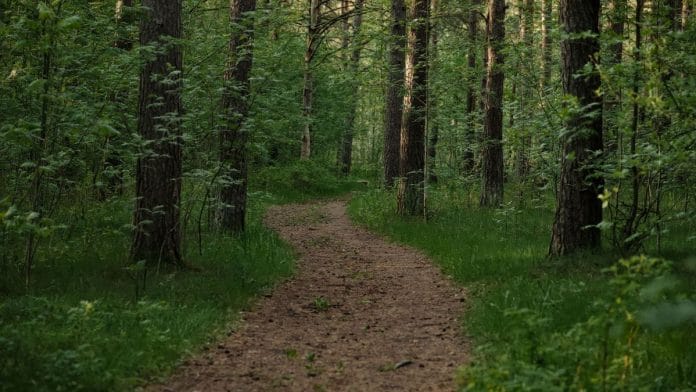
The study, published over a decade ago, spoke about the effects of “forest bathing trips” on the human immune system. It was based on the Japanese concept of “Shinrinyoku” — a short, leisurely visit to a forest.
Conducted by Qing Li of the Nippon Medical School in Tokyo, the study was based on a three-day forest trip. It included 12 men who spent three days in a forest and a control group that remained in the city. Following the trip, the participant’s blood test showed an increased activity of “natural killer” cells, a type of white blood cell and a key part of the body’s innate immune system. The increase lasted nearly 30 days.
Cheung explained that pine, cedar, and cypress trees release compounds called phytoncides to defend themselves from insects and bacteria. The study claims that when people breathe these in, immune cells get switched into a “high gear”. Lead researcher Li estimates that one forest walk per month may be enough to keep those cells elevated all year.
“The best medicine might not even need a prescription — just a walk among the trees,” Cheung wrote on X.
Over the years, several researchers have studied the benefits of “forest bathing” and its effect on increasing immune cell activity and helping produce anti-cancer proteins. From the Harvard Health Review to the Stanford Lifestyle Magazine, Shinrinyoku is broadly accepted as a form of “forest therapy”.