


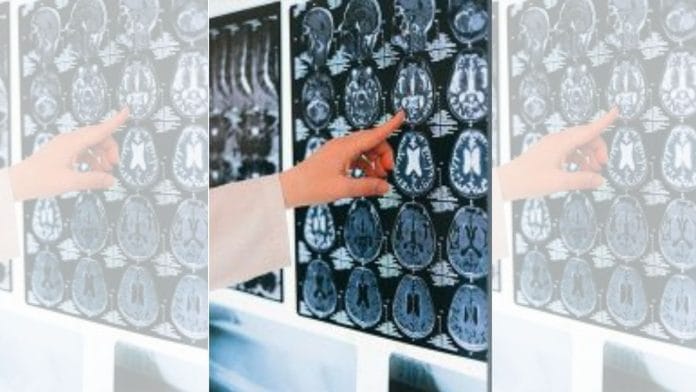
New Delhi: Women who experience a longer reproductive lifespan or use hormone therapy during menopause may have healthier brain blood vessels later in life, according to a new study published in Neurology. The findings add to growing research into how estrogen exposure across a woman’s lifetime may influence brain ageing and the risk of conditions such as Alzheimer’s disease.
The study, titled ‘Reproductive Lifespan and Hormonal Therapy in Relation to Later-Life Neurovascular Health in Community-Dwelling Older Women’, examined 352 women in Gothenburg, Sweden. All participants were around 70 years old and had no signs of cognitive impairment. Researchers used MRI scans to assess their brains at age 70 and again five years later, alongside information about their reproductive histories and hormone use.
What did the researchers find?
A longer reproductive lifespan, measured as the period between a woman’s first menstruation and menopause, was associated with less damage to small blood vessels in the brain. Women who had used menopausal hormone therapy (MHT) also showed lower levels of small-vessel disease and healthier white matter, the tissue that connects different brain regions.
The most favourable profile was found among women who had used both oral contraceptives during their reproductive years and hormone therapy during menopause.
Anna Marseglia, the study’s senior author and an assistant professor at Karolinska Institutet, told The Washington Post: “I was personally very excited.”
She said the findings raise the possibility that estrogen exposure from medication could extend the period of exposure beyond natural menopause. However, the study did not establish that estrogen directly caused the differences in brain health.
What does this mean for Alzheimer’s?
Estrogen influences several processes relevant to brain health, including inflammation, blood flow, and blood vessel function. Researchers are increasingly examining vascular damage alongside the better-known Alzheimer’s-related proteins amyloid and tau.
Neurologist Caroline Just of the Cleveland Clinic told The Washington Post in the same article: “People who had minimally interrupted estrogen tended to do better, and that makes a lot of sense. A lot of the problems we run into with cognitive health are when estrogen drops.”
Other recent observational studies have also associated menopausal hormone therapy with lower dementia risk and fewer Alzheimer’s-related changes in the brain. However, the evidence remains mixed, partly because the effects may depend on when treatment begins, the type of hormones used, and a woman’s underlying health.
Also read: Why the right brain controls the left side of the body? New study gives an evolutionary clue
Why caution is necessary
The researchers relied partly on participants’ recollections of hormone use and did not have detailed information about treatment doses, formulations, or when therapy began. The study also found no significant differences in the five-year rate of change in certain brain measures.
Marseglia acknowledged the uncertainty: “We cannot really deny that we see an association, a possible beneficial impact. We just need to understand if it is there for every woman, under which conditions and in which time window.”
The findings, therefore, do not establish that hormone therapy prevents Alzheimer’s or dementia. Researchers and medical organisations currently do not recommend it for brain protection. Its use remains primarily directed at managing menopausal symptoms, with treatment decisions tailored to individual health circumstances.
(Edited by Ratan Priya)