





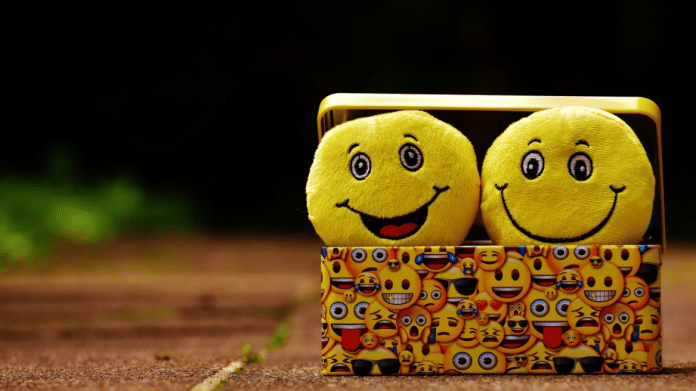

How often do you use an emoji? And which is your favourite?
Soon you’ll have more to choose from, as this year sees the release of 230 new emojis including a guide dog, a flamingo and an oyster, boosting the number of mini pictograms to more than 3,000.
Defined as “a small digital image or icon used to express an idea or emotion,” the tiny pictures used as a shorthand method of communicating, have become part and parcel of everyday life.
Emoji explosion
Suddenly, it seems, emojis are everywhere, starring in their own animated movie and being celebrated on “World Emoji Day” each July. Oxford Dictionaries named the most popular emoji of 2015 – “face with tears of joy” – as “Word” of the Year for best reflecting “the ethos, mood, and preoccupations” of the time.
“Face with tears of joy” remains the most popular emoji used on Twitter, according to emojitracker, followed by “smirking face” and “flushed face”. On Instagram, the heart is the most popular icon.
Unicode Consortium, the body responsible for deciding which emojis make it onto our phones, dates the first 76 emojis back to 2005, including the smiling face, the heart and the victory hand sign. 2010 was a bumper year, with more than 1,000 added, including the ever-popular face with tears of joy, and since then they’ve grown in number and popularity each year.
Also new for 2019 is an update of the “people holding hands” icon to represent mixed race couples. That follows the introduction of different skin tones in 2015.
Such moves illustrate how widespread emoji use has become. Once favoured by texting teenagers, now they’re the preserve of politicians, celebrities and big-name brands – used to communicate nuanced messages and to cross language barriers.
Even so, their comprehensive adoption has thrown up some unlikely stumbling blocks. Senior lawyers in the UK have urged judges to learn how to interpret the picture messages as emojis increasingly appear in criminal, family and employment law hearings, according to the Times. In the US, emoji scrutiny in court has become commonplace.
Having to account for your emojis in front of a judge seems a long way from sending a friend a witty coded message. But as the pictures continue to grow in popularity, and their range expands, what they represent, who uses them and why, looks set to become a hotter topic.
This article was originally published in the World Economic Reform.
Also read: How the use of emoji on Islamophobic Facebook pages amplifies racism