



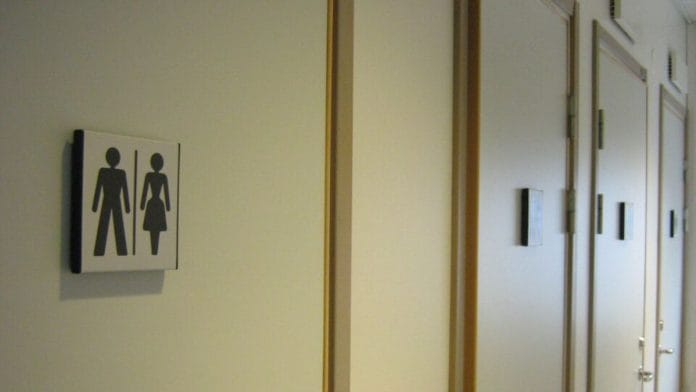
New Delhi: Britain’s new code on single-sex spaces came into force on 5 August, requiring organisations to apply the Equality Act 2010 on the basis of biological sex. It has reignited debate over women’s rights and trans persons’ access to public spaces.
According to the code, trans people must use either gender-neutral facilities or the ones that match their biological sex, in places such as gym changing rooms or rape crisis centres.
The guidance, published by the Equality and Human Rights Commission (EHRC), creates no new legal obligations but clarifies how the existing law should be understood by courts and organisations, Sky News reported. It covers service providers including cafes, restaurants, leisure centres, hospitals, public bodies, and membership associations in England, Scotland, and Wales.
The guidance also states that organisations should consider providing gender-neutral or self-contained facilities where appropriate. It makes clear that transgender people continue to be protected from discrimination under the Equality Act.
“You can’t ignore the guidance any more than you can ignore the law,” said EHRC Chair Mary-Ann Stephenson. She added that trans people remain protected against discrimination and harassment.
Women’s rights groups and organisations advocating sex-based protections said it provides long-awaited legal clarity following the Supreme Court ruling.
“The law is clear and the code is practical, giving many examples that apply to everyday services,” said Maya Forstater, chief executive of Sex Matters.
Makes trans lives smaller, precarious
Trans rights organisations argued that the code would make public spaces less accessible for transgender people.
“Trans people will be shut out of the services they need, made to feel unwelcome and unsafe in public spaces. Our lives will feel smaller and more precarious,” Alexandra Parmar-Yee, director of the Trans+ Solidarity Alliance, told the BBC.
The issue also generated strong reactions on social media. A number of business owners stated they would continue to let customers use facilities consistent with their gender identity despite the new guidance.
“I run a chain of cafés & I can’t afford to hire bouncers to stand outside the loos to check people’s genitals / birth certificates… As a businessman, our policy will therefore remain the same: people use the loos that best align with their identity. Anything else is communism!” wrote former Labour candidate Dan Gliebitz.
Some praised the guidance for ‘protecting’ single-sex spaces for women, while critics said it could put transgender and gender non-conforming women at risk of harassment.
Politically, the guidance has been challenged. A total of 167 MPs signed a motion calling for the code to be scrapped, but it was not debated in Parliament, the BBC reported. Lambeth Council in London has also indicated it may refuse to implement the guidance if legal advice allows for it.
According to analysis by the Press Association, nearly 13,000 public toilets, more than 5,000 changing rooms, and some 18,000 signs could need to be updated if they are to comply with the guidance, which could cost millions of pounds.
(Edited by Prasanna Bachchhav)
Also read: Netflix Operation Safed Sagar employed 4,000 people daily. It made Rs 215 crore
I agree that trans women shouldn’t be allowed in women’s bathroom. I mean who is going to verify if they are actually trans or they are just a man saying he is a women ?
I think the trans community should concede on this topic and non trans people should also be kind to them because it’s their body and they can do whatever they want. The right is absolutely so entrenched in saving culture that they forget that we should let mature people do what they want as long as it doesn’t hurt anyone else.