







New Delhi: Iran’s state broadcaster used a centuries-old Persian proverb to publicly dismiss claims by US President Donald Trump that a sweeping agreement with Tehran is within reach. These claims included suggestions that such a deal could involve access to oil and the Strait of Hormuz.
In a sharply worded response, Islamic Republic of Iran Broadcasting (IRIB) refuted the claims by Trump and wrote: “Building castles in the air! Or in Persian we have a similar proverb: ‘The camel dreams of cottonseed; sometimes gulping it down, sometimes eating it grain by grain!’”
The line references the Persian saying, “Shuter dar khâb bined panbe-dâne”— literally translated as “the camel dreams of cottonseed”—a metaphor used to mock fantasies and wishful thinking.
The proverb itself is deeply rooted in Persian oral tradition and is widely understood across Iran as a way of dismissing improbable ambitions. It’s hard to trace its origin to a single classical text; it is said to have evolved through everyday speech rather than written literature.
And the phrase has appeared in political discourse before. In 2018, Iran’s former Supreme Leader Ayatollah Ali Khamenei shared the same Persian proverb to mock Trump. In a two-minute X post, Khamenei mocked the US President’s claims about the imminent collapse of the Islamic Republic of Iran following US withdrawal from the JCPOA (Iran nuclear deal) in May 2018.
Also read: Mamdani’s ‘tax the rich’ promise now seeing action. He is starting with ultra-luxury homes
What Trump said
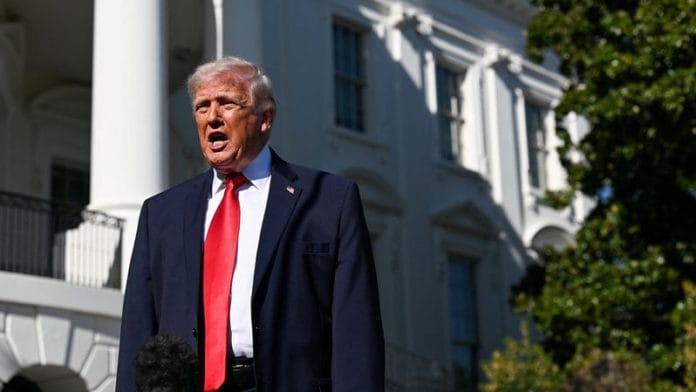
IRIB’s remarks came after Trump told reporters that Iran was close to agreeing to a long-term deal.
“Iran has agreed not to have a nuclear weapon; they have agreed to it very powerfully. They have agreed to give us back the nuclear dust. We have a lot of agreement with Iran, and I think something is going to happen very positively,” he said.
He suggested talks could resume as early as the weekend and that a potential agreement could extend for more than 20 years. “There’s a very good chance we’re going to make a deal,” he added.
Trump also claimed the deal could involve broad concessions, including access tied to oil and the Strait of Hormuz, though he remained vague on specifics. “I’m not sure it needs to be extended. Iran wants to make a deal and we’re dealing very nicely with them,” he said when asked about a ceasefire framework.
Trump made his comments shortly after Pakistan’s army chief Field Marshal Asim Munir held talks in Tehran with Iran’s parliament speaker, Mohammad Bagher Ghalibaf. The meeting was part of Pakistan’s attempt to broker a peace agreement between the US and Iran. Ghalibaf had already led Iran’s delegation in the first round of negotiations the previous week, which concluded without any agreement.
Reports indicate that the US has pushed for a 20-year halt to Iran’s uranium enrichment activities, while Iran has countered with a proposal to pause its nuclear programme for five years—an offer US officials have dismissed.
Although the two countries continue to indulge in ceasefire talks, there has been little progress.
The waters of the Strait of Hormuz remain outwardly calm. The US military says its naval blockade of Iranian ports is “fully implemented” as it enters its third day.
But with the ceasefire between Washington and Tehran set to expire in less than a week, there has been an increase in the behind-the-scenes diplomatic activity.
(Edited by Prasanna Bachchhav)