



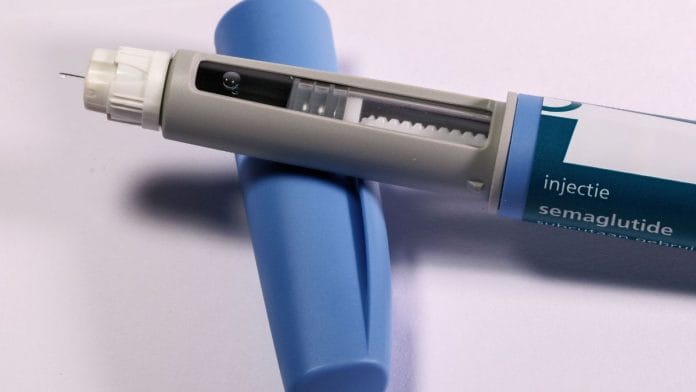
New Delhi: Beauty brands are working on products to treat the side effects of GLP-1 drugs that have helped millions lose weight.
Companies began investing in the growing market last year, with more brands stepping up research and testing in 2026. The latest to develop products specifically targeting the side effects of GLP-1s is beauty giant L’Oréal.
The company’s CEO, Nicolas Hieronimus, said that the use of weight-loss drugs is an “important phenomenon” for the beauty industry. GLP-1 is “having an impact on beauty consumption and skin care consumption in particular,” he said in an investor meeting, BBC reported.
L’Oréal is exploring a clinical aesthetic space after it acquired a stake in dermatology firm Galderma last December. The company has a 20 per cent stake in the company, and both are testing products to help customers with loose skin.
Changing bodies, changing markets
In 2022, US health providers prescribed Ozempic and Wegovy to over 9 million people. In the next three years, there was a 300 per cent increase in the prescriptions.
As more people turned to weight-loss drugs, side effects have become common. Supplement brands and skin care companies alike understood the new market and started investing in R&D.
In August this year, Vogue reported that Galderma has witnessed growth in its injectable aesthetics, especially through alternatives to Botox. Wellness, beauty, and natural products company iHerb, based in the US, launched three products to mitigate patients’ “adverse reaction to Ozempic”.
Use of GLP-1s can lead to digestive issues such as nausea, pain, and loss of muscle. Companies are stepping into these sectors to cater for the “Ozempic customers”.
For example, L’Oréal’s brands, SkinCeuticals and Kiehl’s, have come up with products that can work alongside GLP-1s. They work on skin and counter other side effects of rapid weight loss.
L’Oréal, Maybelline, and La Roche-Posay have said that their sales of these products have gone up by 7.7 per cent above “analyst expectations”.
Researchers first focused on collagen-based products to deal with loose skin. But in recent years, Vogue reported that the focus has shifted to adipose tissue. Researchers are exploring the connection between “facial fat, skin structure and ageing”.
“One area I find particularly interesting is the emerging category of topical ingredients claiming to influence facial adipose tissue itself. These are very much in their infancy but are quite interesting nonetheless,” US-based aesthetician Dr David Jack told Vogue.
Brands such as The Ordinary have introduced products that can help increase skin plumpness.
India-based companies—Sugar Cosmetics and Hindustan Unilever’s Lakmé—have come up with plumping make-up options that make a person’s features look fuller and hydrated.
Even Nestlé India is working on products to tackle the “shortfalls” of GLP-1 drugs, The Times of India reported.
(Edited by Prasanna Bachchhav)
Also read: ‘Don’t become IAS officers’—the advice Tukaram Mundhe would give his children