





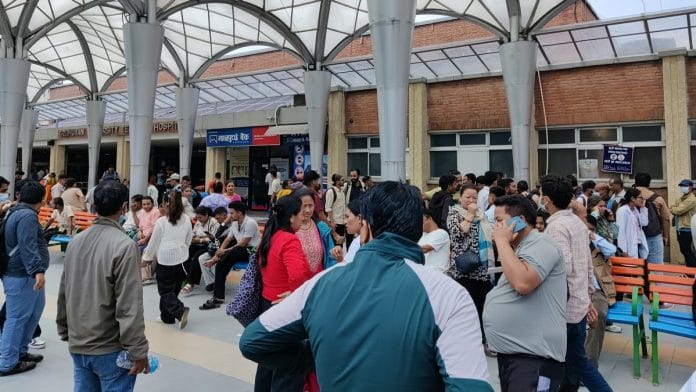

Kathmandu: Thirty-one people rescued after being injured in the 26 August flash floods in northern Nepal have been brought to Tribhuvan University Teaching Hospital in Kathmandu, including one Indian national. Kathmandu District Police have also set up a help desk at the hospital where families searching for missing relatives can register their names.
“The first patients began coming in around 1 pm yesterday, and we have set up dedicated wards for them,” said Dr. Gopal Sedain, deputy director of TUTH. “If they are extremely serious, we send them to the ICU, and if they have moderate to mild injuries, we have yellow, red and green zones in the emergency ward,” he added.
Six out of the 31 people admitted to TUTH are currently in the ICU on ventilators, while 13 are in the emergency room. One person admitted to the ER is from India: a 43-year-old man named Navlesh Sharma, while the rest are all Nepali nationals, according to officials stationed at the hospital. Sharma is still unconscious, and authorities said no one from his family has arrived yet.
Three of the admitted patients were discharged to their families early on Thursday morning, while others in the Green ward await their families and caretakers.
Meanwhile, two concurrent lists of admitted patients have been pasted outside the hospital’s entrance – one in English and the other in Nepali – for easy identification by the scores of people pouring into TUTH.
“Most of the people arriving have blunt trauma injuries. Some have fractures and lacerations on their skin and face,” said Sedain. “Because of being swept away in the floods, many also suffered from asphyxiation.”
Among those receiving treatment at the hospital are a three-month-old infant and a three-year-old child, said a Nepal police official. Apart from the 31 injured people at the hospital, 10 other rescued people were also brought in but were declared dead on arrival.
A statement released on Thursday morning by Nepal’s National Disaster Risk Reduction and Management Authority said 165 bodies had been recovered and 73 people had been injured in the floods. Of the injured, 43 were in Rasuwa, 27 in Nuwakot and three in Dhading. Hundreds more are still unaccounted for.
Also Read: Nepal flash floods: What’s an ice-rock avalanche?
Missing people lists
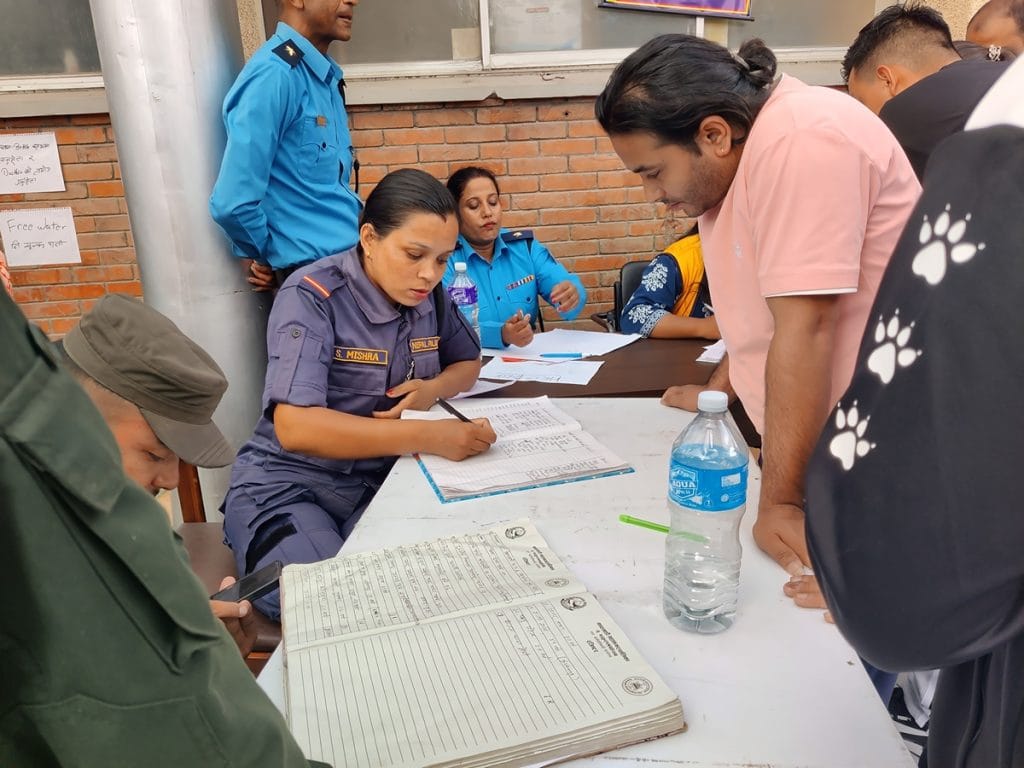
A long queue stretched outside the police help desk at TUTH, where officials and volunteers from the Lions Club in Kathmandu were noting down the names of missing people.
For those who could not find their relatives on the list, three officials from Nepal Police and Kathmandu District Police sat with registers to note down their names, ages and last-known locations.
By 2 pm on 27 August, more than 500 names had been registered at the help desk by Nepali citizens and foreign nationals looking for friends and family members missing in the floods that ravaged Rasuwa, Nuwakot and Dhading districts in northern and central Nepal.
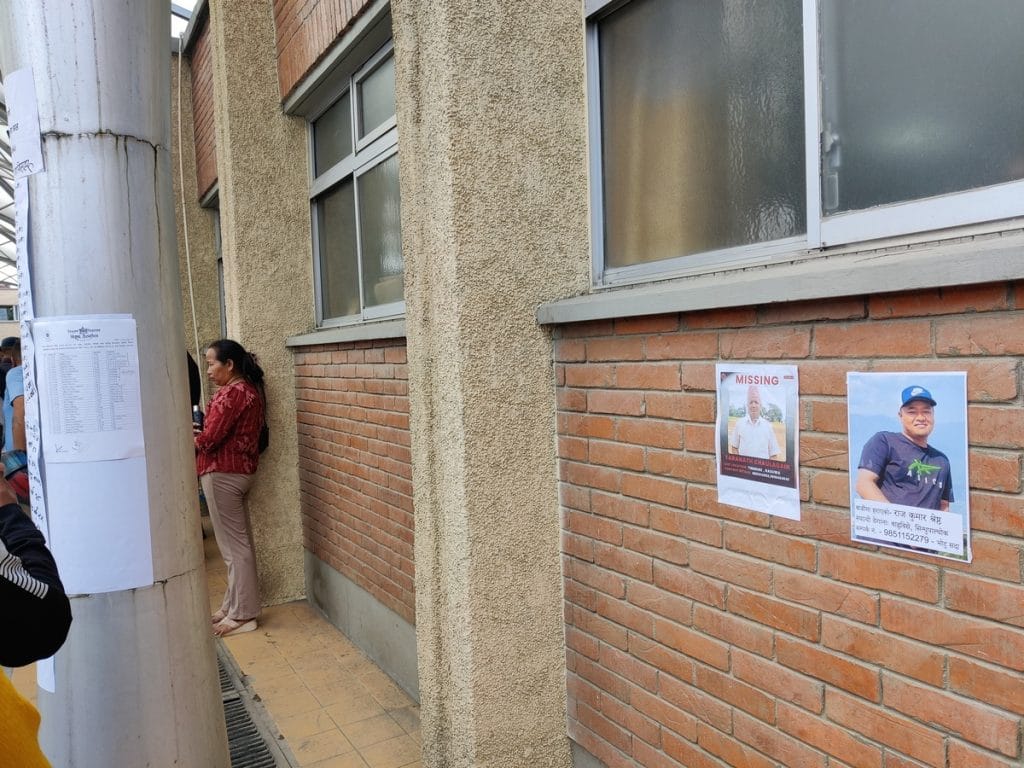
Kathmandu resident Padam Bahadur Raut’s brother was not on the list of people admitted to TUTH.
“My brother works in the customs department in Timure, near Rasuwa. He has been missing since 8 am yesterday, and I’ve just been making my rounds looking for him,” said 27-year-old Raut.
According to the NDRRMA, 910 people had been reported missing since the floods, including 517 foreign nationals who were visiting the districts as trekkers or pilgrims.
The Nepal government, through the NDRRMA, is running multiple helplines for Nepali citizens, foreign nationals and non-resident Nepalis to lodge missing-person complaints, even as the army continues rescue operations.
(Edited by Asavari Singh)