





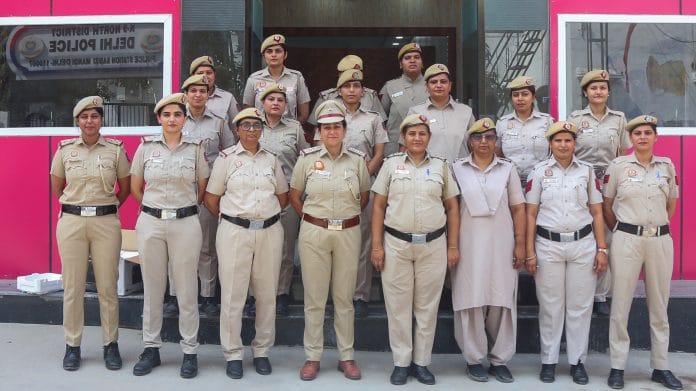


New Delhi: A new study suggests that increasing the number of women in India’s police force can make it easier for victims of gender-based crimes to seek help—but it also warns of another consequence: a greater reliance on mediation over criminal prosecution.
The study led by IIT Madras examines whether a higher representation of women police officers improves justice for victims of gender-based crimes (GBCs) and makes law enforcement more responsive. Drawing on pan-India focus group discussions with serving and retired Indian Police Service officers, criminologists, lawyers and social workers, the researchers conclude that women officers are often more approachable, empathetic and trusted by women victims. This encourages more survivors to report crimes that frequently go unreported.
According to the study, women made up only 11.75 percent of India’s police force in 2022 despite steady growth over the past two decades. Researchers argue that this underrepresentation remains a concern because crimes against women continue to be significantly underreported, with many victims reluctant to approach the police due to fear, stigma or a lack of trust.
Participants in the study said women victims often feel more comfortable speaking to female officers, whom they perceive as more patient, understanding and responsive to gender-specific concerns. Shared gender identity between victims and women police officers also contributes to a greater sense of psychological safety, making survivors more willing to report offences.
The researchers also found that women officers can influence policing beyond individual cases. Their presence was linked to improved gender sensitivity within police stations, with participants saying male colleagues become more attuned to the needs of women victims as more women join the force. Participants also noted that women officers often go beyond their formal duties by offering emotional support and helping victims understand their legal rights.
However, the study identifies what it calls an “ADR paradox”. While women officers improve reporting and trust, they may also be more inclined to resolve disputes through alternative dispute resolution (ADR), including counselling, mediation and family settlements, particularly in domestic violence cases. Researchers caution that excessive reliance on these informal mechanisms may reduce formal registration of crimes and weaken long-term justice.
Also read: Ex-Telegraph editor says he is ‘voteless, passportless’ after West Bengal SIR
Just hiring women won’t work
The paper argues that while mediation may offer quick relief in certain situations, overuse can embolden repeat offenders by allowing them to avoid criminal prosecution. Victims may also lose confidence in the justice system if serious offences are routinely diverted away from formal legal processes.
The study therefore argues that simply recruiting more women into policing is not enough. It recommends placing women in leadership and investigative roles so they can influence organisational culture and improve the quality of investigations. Participants observed that women are still frequently confined to desk duties despite growing interest among female candidates in joining the police.
The researchers also recommend gender-sensitivity training for all police personnel, independent crime audits, improved conviction rates and greater awareness campaigns. Rather than focusing on keeping crime statistics low, they argue that law enforcement should prioritise accurate reporting, proper investigation and accountability to build long-term public trust and improve justice for victims of gender-based crimes.