





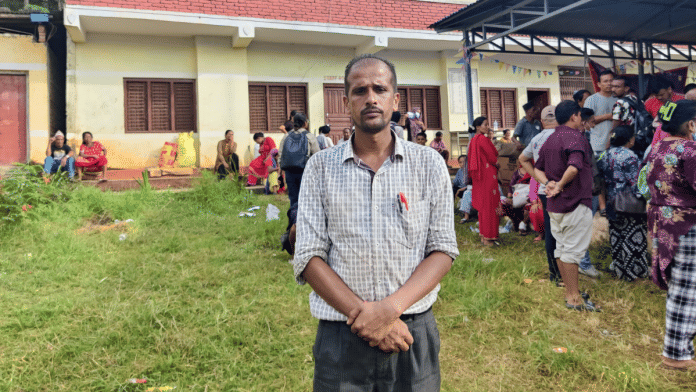

Devighat: Ram Shankar Rimal was not supposed to be on a school bus near the Trishuli River on the morning of the Nepal floods. An administrator at the Souvenir Boarding School in Nuwakot district, the 35-year-old was called in early on 26 August after his colleague took an unexpected leave and was asked to supervise the morning pickup.
While he stayed in a rented flat in Devighat bazaar, the students were mainly from Khadga Bhanjyang, a town farther uphill. By around 8:30 am, he had gathered over 50 children in the bus and was heading towards the school on a road bordering the Trishuli River.
“At first, I didn’t pay much attention because I was focused on the children. You know, it’s morning; they’re excited and chattering away. But then, something in me said I should find out what’s wrong,” Rimal recalled.
When he looked out the window and asked a passerby what was wrong, he said somebody’s son had called from Rasuwa and that a major flood was headed their way. Rimal had no time to think.
“We were halfway across the Trishuli River when I heard this. I knew that if we advanced any further, none of us would survive,” he told ThePrint.
He immediately asked the driver to turn around and head back up the road they had come from. Minutes later, Rimal heard a deafening crash. When he looked back, the bridge was gone. Neither were the people, the houses or any signs of Devighat town.
“My immediate priority was to get these children to safety. When we were racing back, and I was calling the children’s parents to inform them, I remember hoping that someone would have done the same for my children,” said Rimal.
Safety and recovery
Rimal did not stop with his own passengers. When he reached higher ground, he coordinated with his school principal, Tara Bahadur Karki, and called the heads of other private schools across the district. That early phone tree enabled administrators to intercept school buses across a five-to-ten-kilometre radius and steer them away from doom.
Across Nuwakot and Rasuwa, an estimated dozen motorable bridges and more than 30 suspension footbridges were pulverised within minutes. In the Khadga Bhanjyang region, where the students were from, remained safe from the floods, and Rimal managed to get every child safely back home.
Although he saved the lives of 50 students, aged four to 14 years, his own house was wrecked in the floods. Rimal, along with his wife, his two daughters and mother, who escaped to safety, are now stranded without a home, and he lost possessions worth over Rs five lakh in the floods.
“I sent my family to Battar to stay with relatives. I didn’t want them to have to live in the relief centre,” said Rimal.
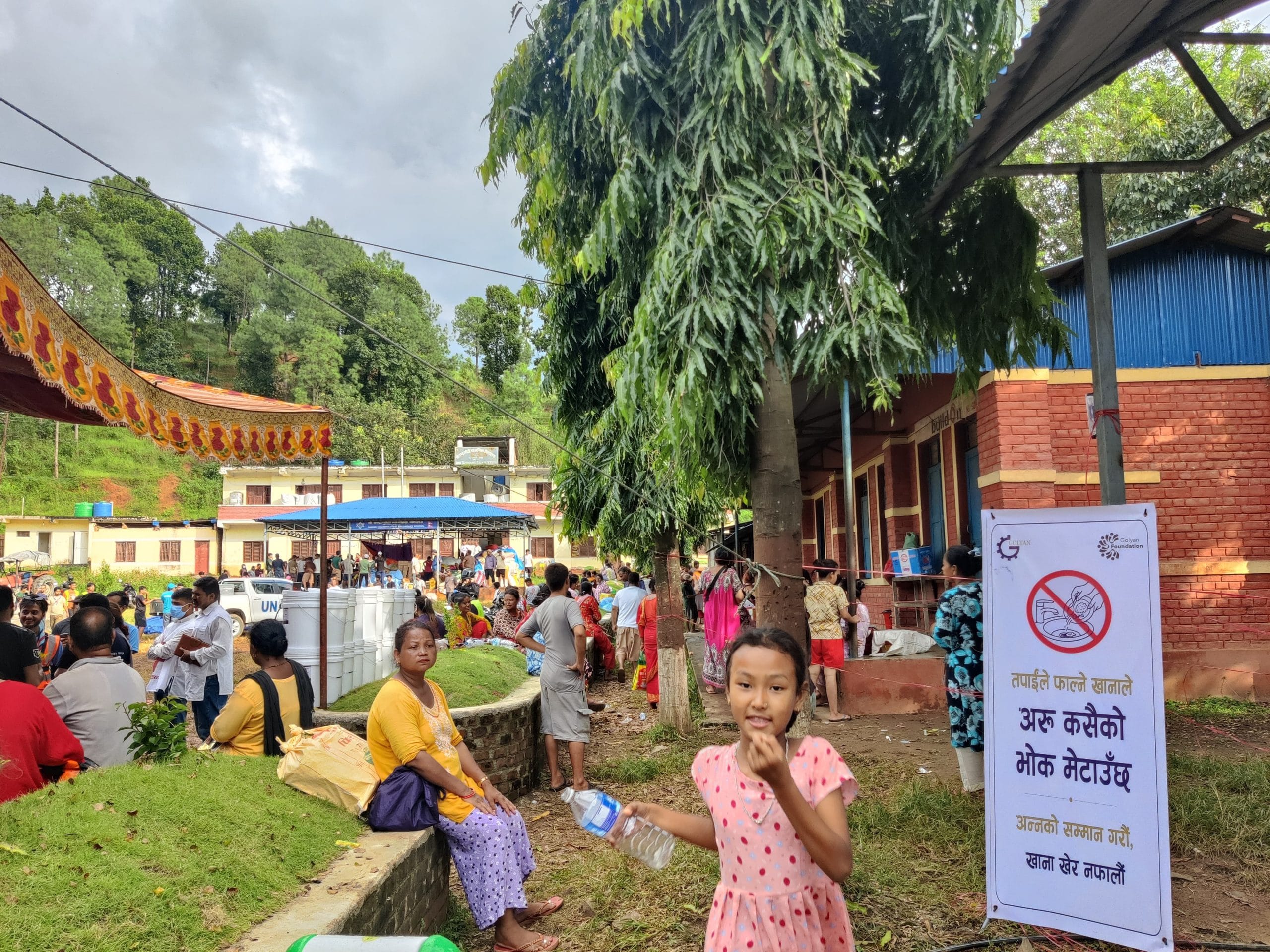
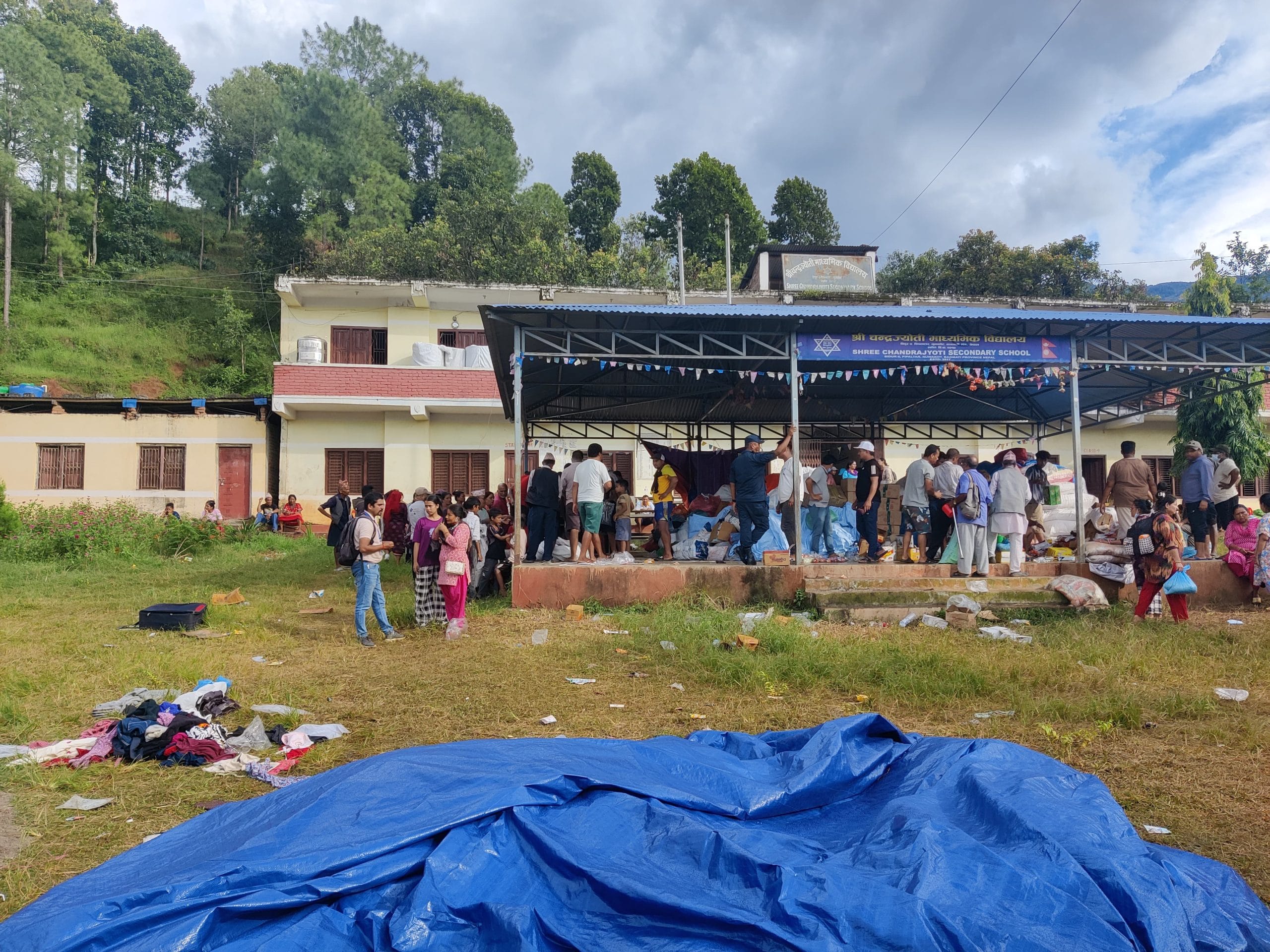
The school teacher has since been staying at the Shree Chandrajyoti School, which has turned into a temporary relief centre for over 350 Devighat residents, with the Red Cross, Golyan, and other NGOs providing food and aid. On Tuesday, 1 September, he tried venturing back into Devighat to recover some possessions from his house.
Trudging through the mud that now covered the entire town, his legs sank knee-deep into the silt multiple times before he decided to give up and wait for an excavator. Yet, standing among the wreckage, Rimal said he still felt gratitude.
“Yes, I might have lost my house and money, but they can be remade. Saving those 50 children was all that mattered,” he said.
“When the parents called me crying with gratitude, nothing else in the world compared to that.”
(Edited by Insha Jalil Waziri)