





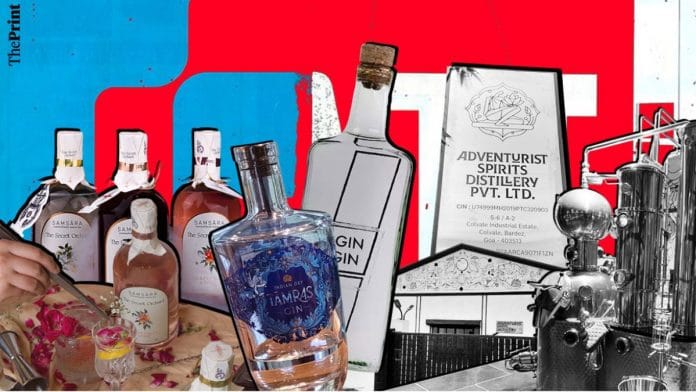


New Delhi: Indian botanicals are having a major moment. According to the Godrej Food Trends Report 2026, they are driving the next wave of flavour innovation, reshaping India’s beverage industry by replacing imported cocktail profiles with regional flavours like that of Gondhoraj lemon, kokum, amla, Himalayan juniper, moringa, and ashwagandha.
Infused with Himalayan juniper berries, Hapusa, named after the Sanskrit word for juniper, was among the first brands to champion this movement, followed by Stranger & Sons with its signature use of aromatic Gondhoraj lime. Soon after came a wave of regional spirits, each celebrating hyperlocal ingredients and distinct local character.
The Godrej report notes that Hapusa Himalayan Dry Gin is now available across 24 international markets, including the UK, Italy, Singapore, and Taiwan, with exports making up nearly 10 per cent of its overall volumes.
From Uttarakhand came Kumaon, a gin infused with the sharp, palate-tingling timur pepper, a close cousin of Sichuan peppercorns. Meghalaya introduced Cherrapunji, layered with northeastern flavours like Khasi mandarin and packaged in a reusable stainless-steel bottle adorned with folk art.
Goa’s more recent entrant, Vanaha Gin, which means “from the forest”, captures the essence of India’s wilderness through botanicals like maulsari, palash flowers, deodar, and pine tips.
Identity and flavours
Rum, too, is riding this wave of reinvention. Brands like Maka Zai, Huli, Idaaya, and Amrut’s Two Indies are experimenting with blends of cane, molasses, and even jaggery spirits to create rich, layered, and nuanced rums. Vodka, known for its versatility, is also seeing bold new infusions from brands like Smoke Lab, with flavours ranging from anise and saffron to green chilli and mango.
“India’s regional botanicals are compelling because they bring a unique sense of identity and flavour to spirits. Ingredients like Himalayan juniper, raw mango, turmeric, Darjeeling tea, and hibiscus each tell a story of where they come from, and that idea of capturing a landscape through flavour was central to the thinking behind Hapusa,” Anand Virmani, co-founder and Master Distiller at Nao Spirits & Beverages, told ThePrint.
But while opportunities are immense, they come with challenges. Virmani explained that for craft distillers, the real task lies in using these ingredients thoughtfully, allowing the botanicals to shine while still creating a balanced spirit.
“India has such a vast range of native produce, herbs, spices, and botanicals that are still waiting to be explored in modern spirits, and it’s exciting to see more distillers and bartenders beginning to experiment with them in meaningful ways. Platforms like the Forager’s Championship help encourage that curiosity and spotlight the incredible diversity of flavours the country has to offer,” he said.
Indian botanicals are also making their mark in niche categories like liqueurs and vermouths.
Indian coffee, for instance, is being used in inventive ways in coffee liqueurs such as Quaffine and Bandarful, as well as in Paapi, a coffee absinthe. Unusual Spirits’ Limoncello 24 spotlights Gondhoraj lime, while Fragoncello 412 liqueur celebrates Mahabaleshwar strawberries.
Also read: Desi is now premium–How India’s feni and mahua made it to the big leagues
Inspiration for international markets
Davana by Naveen Distillery uses Nashik wine fortified with Indian botanicals, including wormwood, the ingredient from which it derives its name. Meanwhile, Quro by Inspired Spirits, India’s first aperitivo-style liqueur, is crafted using 36 local botanicals, ranging from fruits like orange, grapefruit, and amla to flowers like hibiscus and moringa, along with spices and herbs, including cinnamon, ashwagandha, and talispatra.
This wave of innovation has not gone unnoticed globally. International markets, too, are increasingly looking toward Indian botanicals for inspiration. The report highlights how a French distillery has started importing dried mahua flowers to create Mah, a label inspired by India’s traditional mahua spirit for European consumers.
“They are not alone, leading international alco-bev brands have been looking to India to source a range of ingredients and botanicals in significant quantities,” the report stated.
While this is promising for ingredient producers, it could also leave India vulnerable to the appropriation of its rich botanical legacy by foreign players.
(Edited by Aamaan Alam Khan)