


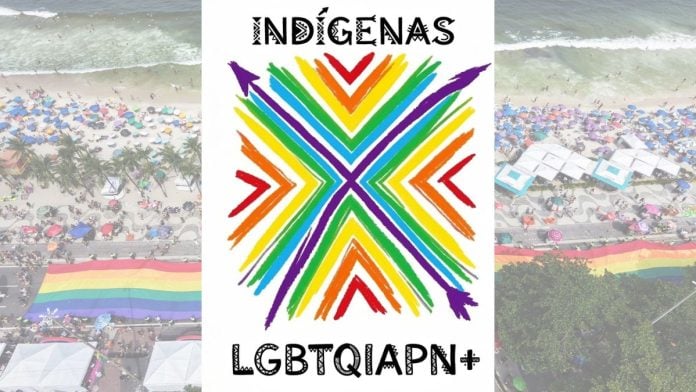
New Delhi: The LGBTQ+ Pride march in Rio de Janeiro saw thousands marching along Copacabana Beach Sunday. The parade marked 15 years since Brazil’s Supreme Court unanimously ruled in 2011 to recognise same-sex stable unions as family units with equal rights and duties. The Pride parade featured the debut of the pan-Indigenous queer Pride flag on a float representing Indigenous LGBTQ+ communities.
Even as Brazil’s Congress is expected to become more conservative, Pride organisers and participants have refused to back down in their fight for equality. The theme for the 31st parade was “We recognise every form of love and existence as legitimate.”
In response to a question on the elections that took place about a month ago, Cláudio Nascimento, coordinator of the Pride parade, said that the community “will not back down one step”, Brazilian outlet Alagoas reported.
“The LGBTI+ community has always had a history of persecution and discrimination. These conservative waves of hate happen, and we need to be prepared to face each one of them,” he said.
‘First Indigenous queer Pride flag’
Brazil is home to hundreds of Indigenous groups, with a 2022 census recording 16,94,836 Indigenous people across 391 ethnic groups and 295 languages. The flag recognises the intersection between a person’s Indigenous and queer identity.
“The creation of the first Indigenous LGBTQIA+ flag is a historic milestone that unites two great causes fundamental to us: the ancestry of our peoples and the pride of existing, loving, and resisting in our diversity,” Eric Max of the Baré people told Brazilian news outlet Enfoco in Portuguese.
Max is one of the artists who conceived the flag.
“Developed collectively by Baré, Guajajara, and KoKama hands, this flag symbolises that Indigenous LGBTI+ bodies exist, have ancestral knowledge to share, and deserve respect, visibility, and full guarantee of rights—including within our own communities and villages,” he said.
The flag incorporates ethnic graphic patterns, inspired by traditional body-painting designs that symbolise unity and connection among Indigenous peoples. It features rainbow stripes arranged around a bow and arrow, representing strength and diversity.
Also read: No Pride march in Delhi this November. Organisers cite safety, community calls it cop-out