








New Delhi: Marine archaeologists are working fast to excavate the recently discovered wreck of the Danish warship Dannebroge from the Copenhagen harbour seabed before construction claims it forever. The ship was torn apart in battle 225 years ago by the fleet of British Admiral Horatio Nelson.
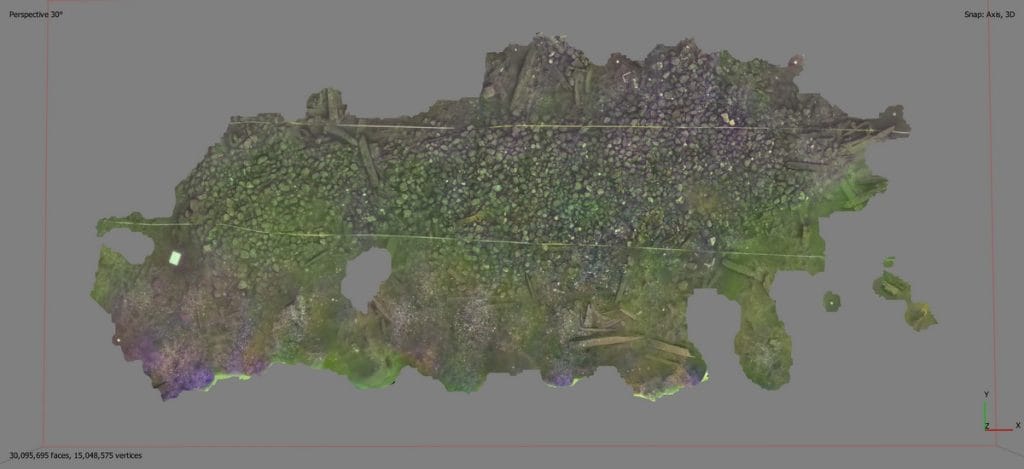
Archaeologists are working some 15 metres beneath the harbour’s surface in near-zero visibility before the site is overtaken by construction tied to the Lynetteholm megaproject, a planned 271-acre artificial peninsula, which is expected to be completed by 2070.
The discovery was announced Thursday by the Viking Ship Museum on the 225th anniversary of the Battle of Copenhagen. The battle has been etched into Danish national memory through paintings, literature, and eyewitness accounts passed down over two centuries.
“We actually don’t know what it was to be onboard a ship being shot to pieces by English warships and some of that story we can probably learn from seeing the wreck,” said Morten Johansen, the museum’s head of maritime archaeology.
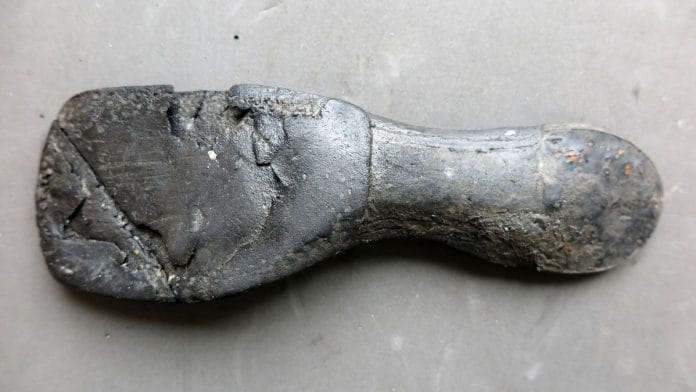
Divers have already begun to uncover fragments: cannons, uniforms, insignia, shoes, bottles, and even part of a sailor’s lower jaw, believed to belong to one of the 19 crew members still unaccounted for.
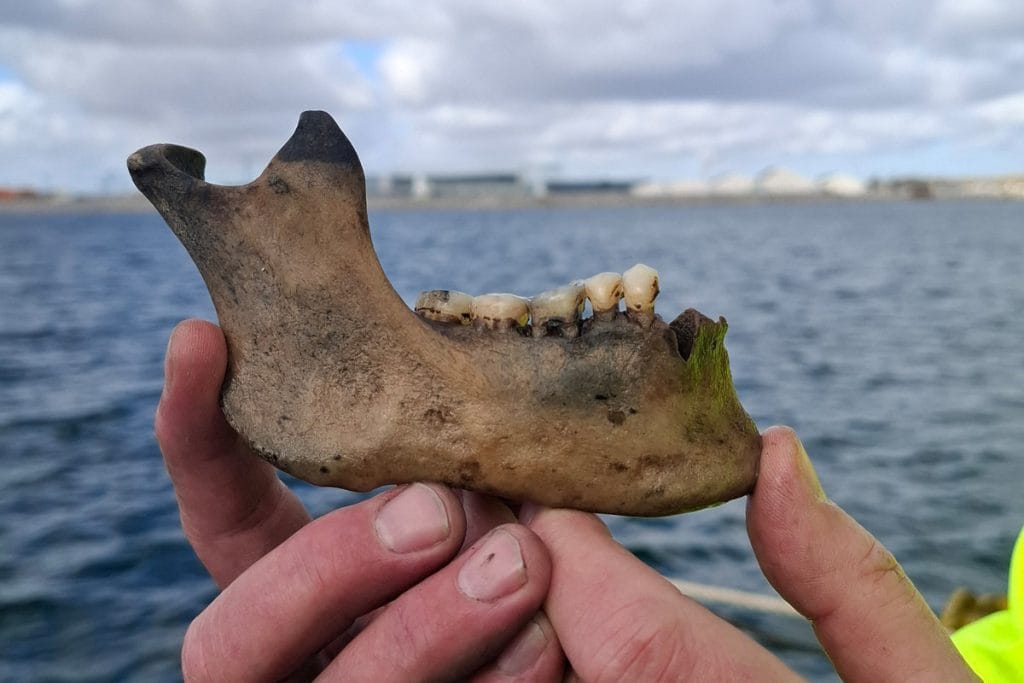
“We have found a lower jaw that is without doubt human, as well as several other bones, including ribs, which could very well be human. We are far from finished sorting and analysing the material, but we are bringing everything up,” said Otto Uldum, maritime archaeologist at the Danish Viking Ship Museum and leader of the excavation of the ship of the line Dannebroge.
Around them, the seabed is littered with cannonballs, and clouds of silt reduce visibility to almost nothing, turning the excavation into a tactile exercise as much as a visual one.
The identification of the wreck lies on more than assumption. Experts say the size of the wooden remains matches historical drawings, while dendrochronological dating—using tree rings to determine the age of timber—aligns with the year the ship was built. The historical records of the place also align with where the legend says Dannebroge met its end.
Also Read: Satellite imagery is redrawing India’s archaeological map
What was the Battle of Copenhagen?
At the heart of the discovery is one of the most defining naval confrontations between the British Empire and Denmark-Norway. During the Battle of Copenhagen in 1801, Admiral Nelson led the British fleet against Denmark’s navy, which had formed a defensive blockade outside the harbour as part of an alliance with Russia, Prussia, and Sweden. The objective was to force Denmark out of the coalition.
The clash was brutal and prolonged, leaving thousands killed or wounded in what is widely considered one of Nelson’s greatest battles.
The Dannebroge, a 48-metre flagship commanded by Commodore Olfert Fischer, was singled out as a primary target. Cannon fire tore through its upper decks before incendiary shells ignited a fire onboard.
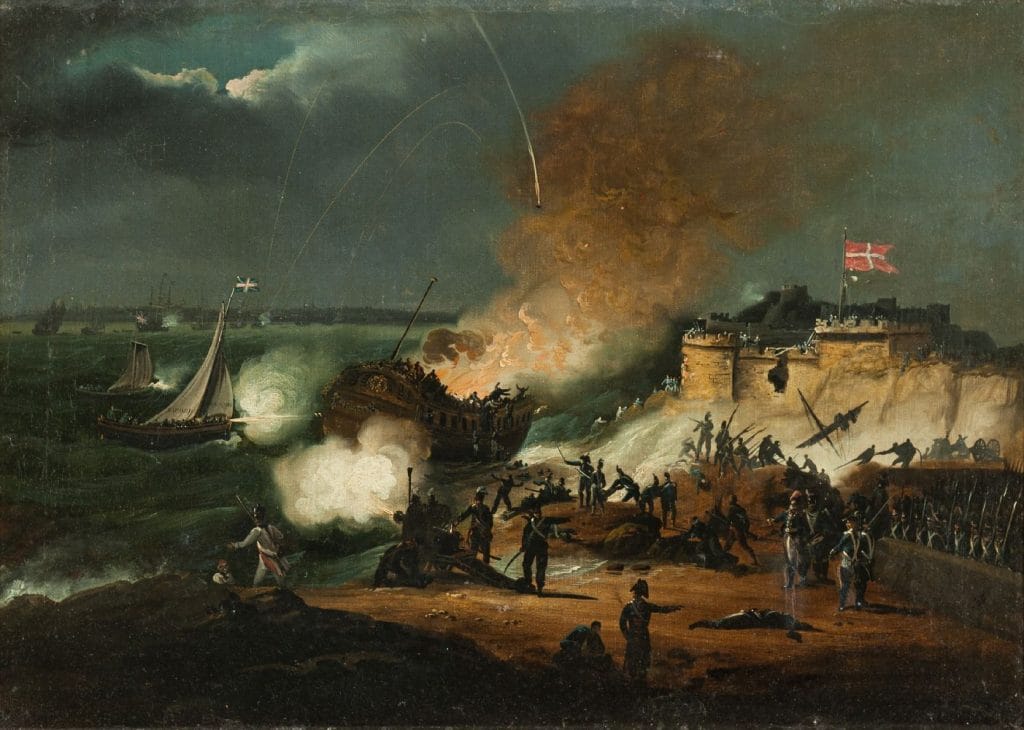
“[It was] a nightmare to be onboard one of these ships… When a cannonball hits a ship, it’s not the cannonball that does the most damage to the crew, it’s wooden splinters flying everywhere, very much like grenade debris,” said Johansen.
The ship, crippled and burning, drifted northward before exploding with a deafening roar that echoed across Copenhagen.
The battle is also believed to have inspired the phrase “to turn a blind eye”, after Nelson reportedly ignored a superior’s signal to withdraw, saying: “I have only one eye, I have a right to be blind sometimes.”
(Edited by Asavari Singh)