





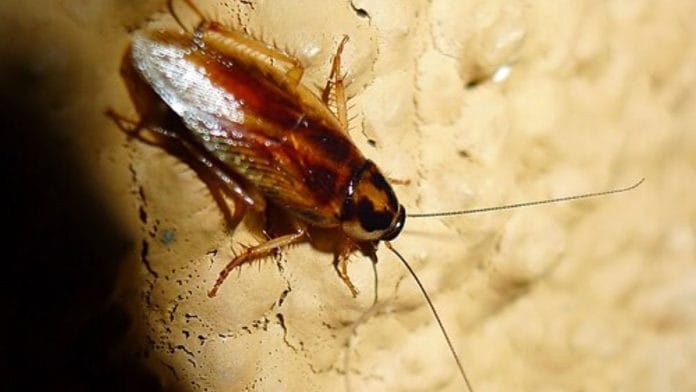

New Delhi: More than half of Delhi consumers say they have seen cockroaches, rats, flies or other pests at air-conditioned restaurants in the city over the past year.
The survey by citizen engagement platform LocalCircles received more than 6,000 responses from consumers across all 11 districts of the national capital.
The findings come at a time when food safety inspections in Delhi have uncovered hygiene lapses at some of the city’s prominent establishments, including five-star hotels in Aerocity.
In the survey, pests and insects emerged as the most commonly reported problem, with 53 per cent saying they had encountered them. Around 49 per cent said they had seen dirty dining areas, kitchens or washrooms. Another 48 per cent reported seeing food heated or served in plastic containers that may not have been food-grade or microwave-safe.
Huge hygiene issues
About 41 per cent of consumers said they had seen restaurant staff handling food unhygienically, while 39 per cent said they had been served food that appeared stale or repeatedly reheated. Poor separation of vegetarian and non-vegetarian food during preparation, cooking or serving was reported by 38 per cent, while 33 per cent said they had observed cooking oil being reused.
Taken together, the responses suggest that hygiene lapses are not isolated experiences. Only 4 per cent of those surveyed said they had seen none of the listed problems, while 2 per cent were unable to say. This means 94 per cent of Delhi consumers surveyed reported personally observing at least one hygiene or food safety issue at an air-conditioned restaurant in the past year.
The survey’s findings coincide with recent inspections by the Food Safety and Standards Authority of India (FSSAI) at two five-star hotels in Delhi’s Aerocity, Andaz Delhi and JW Marriott New Delhi, both of which are linked to venues for the September 2026 BRICS Summit.
At Andaz Delhi, inspectors reportedly found cockroaches near freezers, along with houseflies and mosquitoes in the grinding room. The inspection also flagged spider webs, severe foul odours and around 87 kg of expired sweets, which were destroyed on the spot. Officials also found expired cake bases, duplicate date markings on bread packets and inadequate separation of vegetarian and non-vegetarian food. Eight food samples were collected for testing.
Meanwhile, the inspection at JW Marriott New Delhi identified 55 deficiencies over roughly two days. These included cockroaches in the Indian and bakery kitchens, fruit flies in vegetable storage, mouldy apples and rotten tomatoes, hair in a cooking pot and food residue on utensils that had already been cleaned. Inspectors also found staff working without hairnets or gloves and noted that one worker had an open wound.
Also read: Himalayan floods will only get worse, experts warn. Here’s what needs to change
Trust in food safety authorities
While the findings at the two hotels do not establish that the consumer experiences reported in the survey occurred at the same establishments, the overlap in the types of problems is noticeable.
The survey also found a significant trust deficit among consumers toward the food safety authorities who are tasked with monitoring restaurants and other food businesses.
Around 57 per cent of respondents said they had very low or no trust. Another 32 per cent reported low trust. Only 8 per cent said they had high trust. LocalCircles said its national survey earlier this month found that 11 per cent of consumers across India had high trust in their District/State FDA, compared with 36 per cent in Mumbai and 29 per cent in Pune.
The broader national picture also points to concerns around food safety enforcement. Data placed before Parliament in July showed that 40,023 of the 2,23,808 food samples analysed across India during 2025-2026 were found unsafe, substandard or misbranded. The figure amounts to nearly one in five samples.
(Edited by Ratan Priya)