





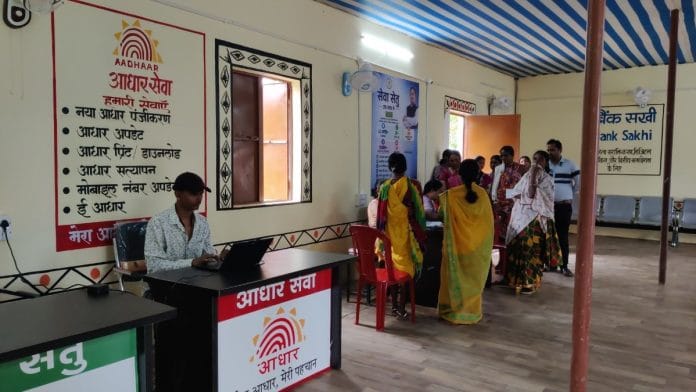


Netanar (Bastar): Nagina Bagri couldn’t have imagined travelling to a CRPF camp to withdraw money from her bank account. For decades, CRPF camps in Naxal-affected areas of Bastar housed only armed soldiers. Now, parts of these camps have been transformed into Seva Deras, where government officials offer more than 400 services to local tribal communities.
“Earlier, I would travel several kilometres just to withdraw money,” said Bagri, a resident of Netanar who now only has to walk to the CRPF Seva Dera in her village. The Seva Dera began offering services three months ago, and she has visited it several times since.
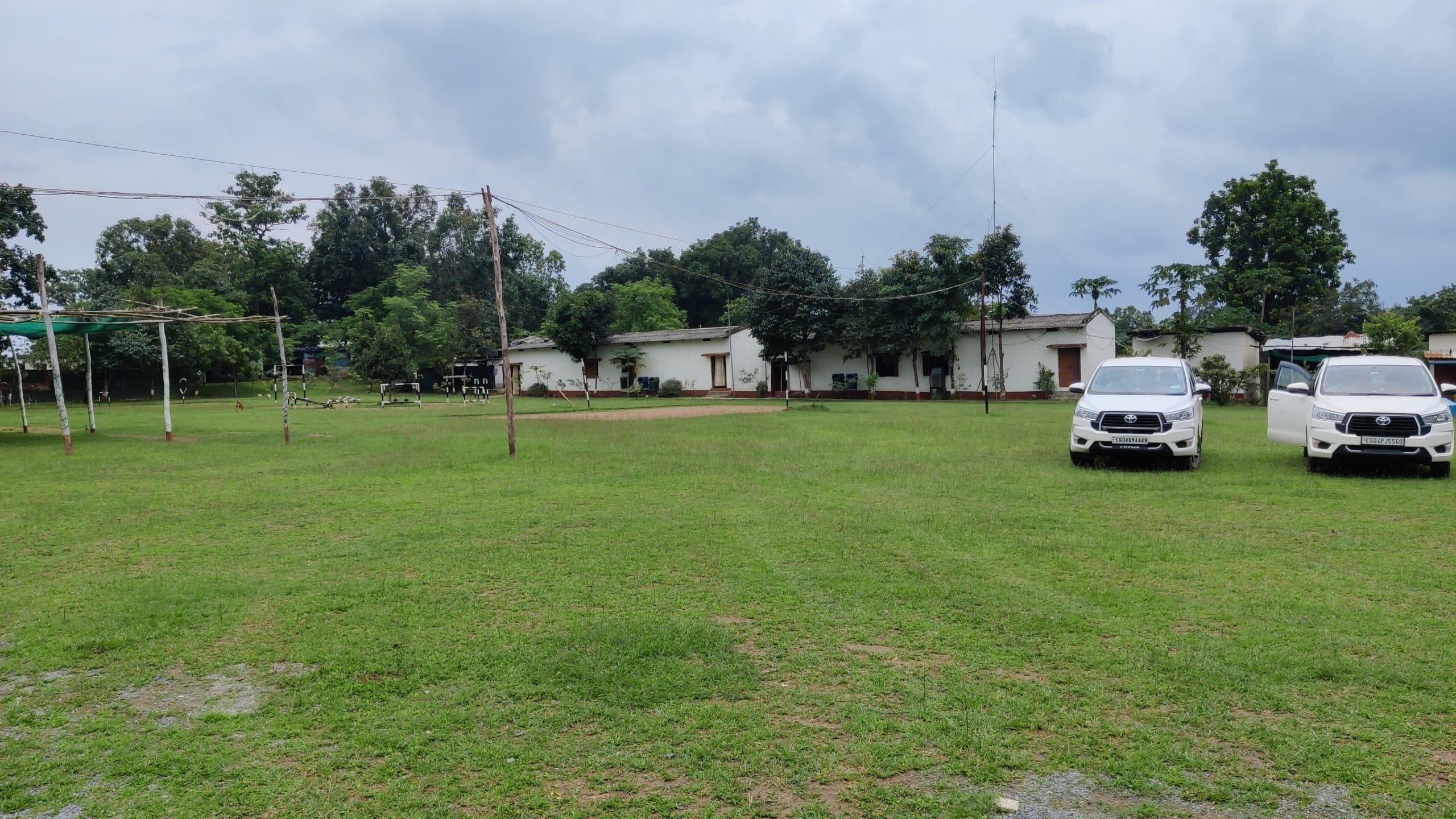
Situated in a dense forest, the CRPF camp at Netanar was established to restrict Maoist movement in the area. On 18 May, two months after declaring India Naxal-free, Union home minister Amit Shah inaugurated Seva Dera in the name of Shaheed Veer Gundadhur. At the Dera, several essential public services—such as banking facilities, Aadhaar card updates, and ration cards for Central and state government welfare schemes—are provided under one roof to local tribal communities.
Gundadhur was a tribal leader from Netanar who played a major role in the 1910 rebellion by the Dhurwas of Kanger forest against the British.
Shah described the initiative as the next stage of Bastar’s transformation, focusing on development and improved access to public services.
“I promise that within the next one and a half years, 70 such public service camps will be functional in Bastar,” said Shah in Netanar.
According to government estimates, more than 200 security camps have been established across Bastar, and 70 of these will be converted into Seva Deras in the first phase.
“In Bastar, there are 11 CRPF camps. Of them, two will be transformed into Seva Deras, starting with Netanar. Camps provide road infrastructure and secure access to people. Now, these are being converted into development centres,” Akash Chhikara, DM, Bastar told ThePrint.
Welfare schemes within reach
On an ordinary day, 20-25 people travel to Netanar’s Seva Dera camp, mostly women with Aadhaar cards in their hands.
Aman Sethiya travels 15 km to reach the camp. He helps the tribal people create their documents.
“Earlier, people had a lot of difficulty getting their documents made. Now, we helped them make caste, income certificates and ration cards. The government has come near the people to provide them services,” said Sethiya, sitting with a laptop on one of the desks.
At another desk, Heera Mani was surrounded by a group of tribal women. Most of them had come to withdraw money from their accounts. Mani had a fingerprint scanner, and she scanned the women’s fingerprints to authenticate their transactions.
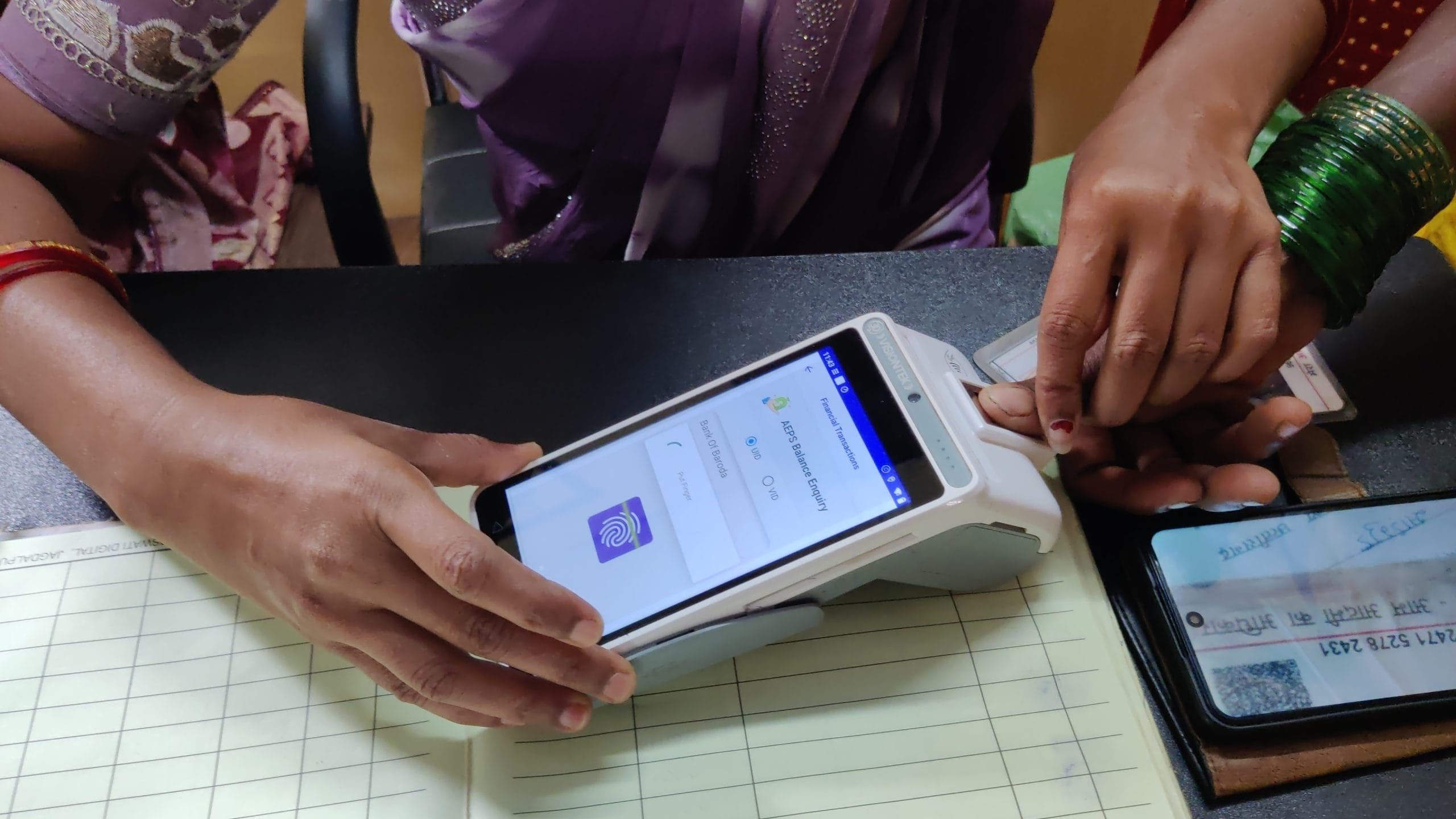
“Every day, 20-25 people come to this place. Earlier, they faced a lot of difficulty and sometimes travelled for hours. Ever since Bank Sakhi opened here, they haven’t faced any problem,” said Mani.
“Following the eradication of Left-Wing Extremism (LWE), one-third of the security camps in LWE-free areas are being converted into Jan Suvidha Kendras. These Kendras will provide a range of services, including livelihood promotion, skill development, access to government schemes, digital services, healthcare, and cultural and sports facilities to local communities,” said Nityanand Rai, Minister of State in the Ministry of Home Affairs in Parliament, on 29 July.
Also read:
Engaging local communities
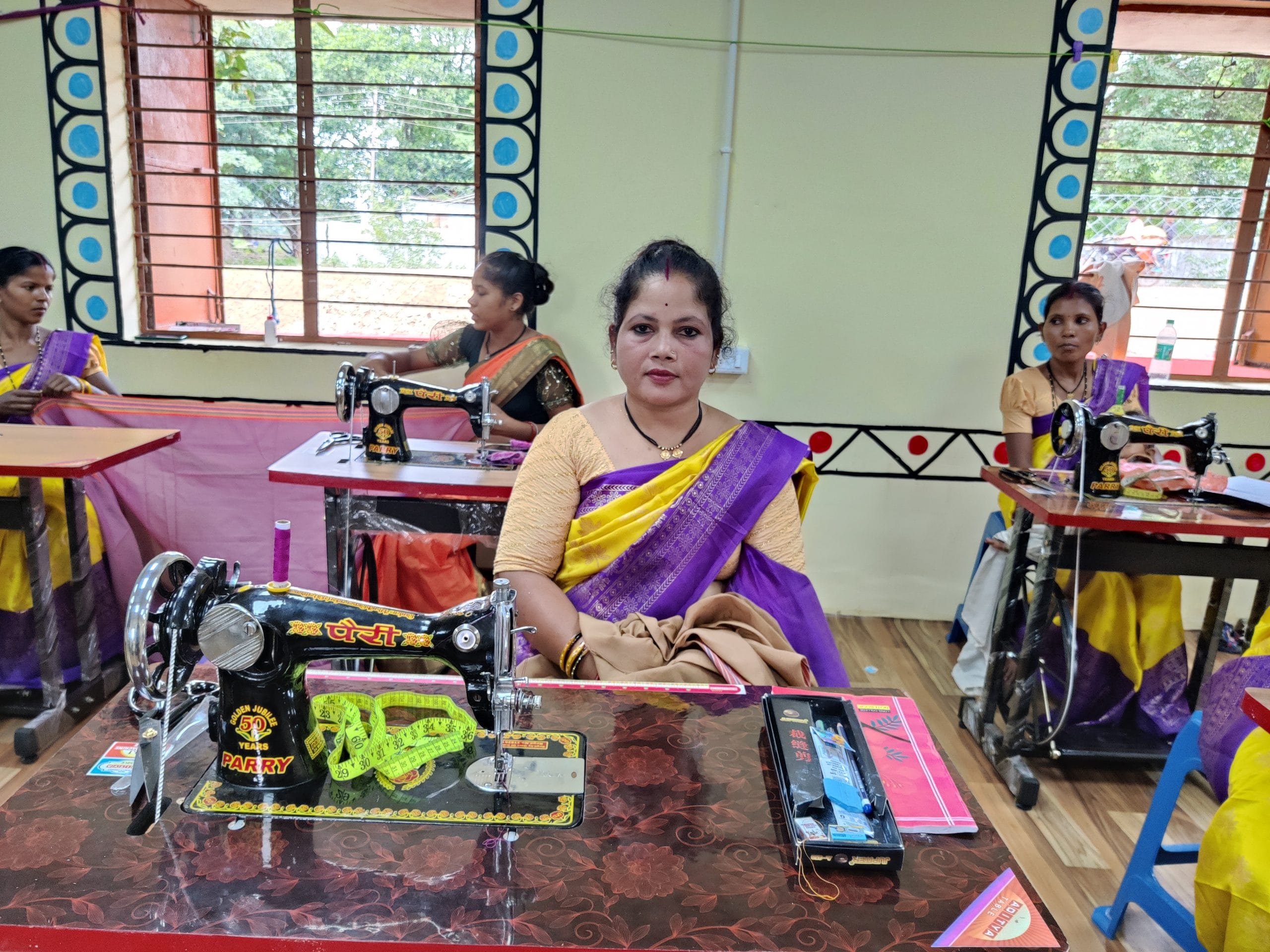
Netanar’s Seva Dera is not limited only to providing government services. In two of the rooms, a skill development programme is ongoing.
“Har hath ko hunar. Seekhein, Kamyaein, Atmanirbhar banein (Skills for every hand. Learn, grow, and become self-reliant),” reads the graffiti on one of the walls.
When Rinki Thakur heard that the government was providing a sewing machine class at Netanar’s camp, she joined.
“I have decided to learn this work and thought it would be better to do some work and earn money than to sit at home,” said Thakur, while operating the sewing machine with 20 other women. She travels 16 km for work every day. Her husband drops her off at the Seva Dera, where she works for 6 hours a day.
“These small-scale initiatives will empower tribal women and boost their self-confidence. Government schemes will now reach remote areas through these Seva Deras. From a security perspective, Bastar is now safe, and CRPF camps will gradually be transformed into Seva Deras, as these regions have remained untouched by development for the past four to five decades due to Naxalism,” Vishnu Deo Sai, chief minister of Chhattisgarh, told ThePrint.
After the Naxal eradication, the government is planning to phase out the movement of CRPF.
“We have no timeline for phasing out CRPF now. We are still monitoring the dense forest regions of Bastar through these camps. Not all camps will become Seva Deras currently; it will be a gradual process,” said Shalabh Kumar Sinha, SP, Bastar.
(Edited by Prasanna Bachchhav)