





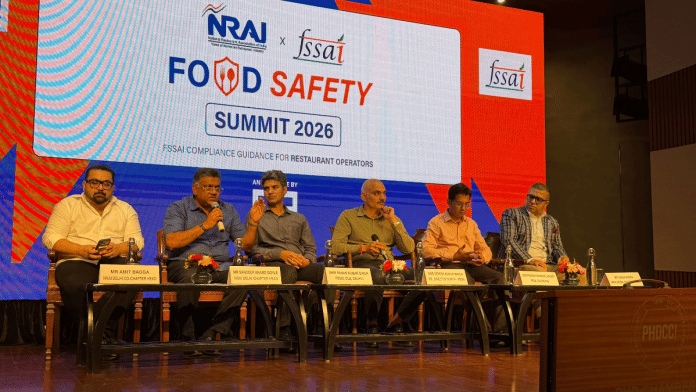

New Delhi: While the rest of the country worries about health standards in restaurants and hotels, Food Safety and Standards Authority of India North Director Devash Kumar Mahla dismissed the need for crackdowns across Delhi NCR.
“We don’t believe in using a whip; cooperation and togetherness are our way of approaching food safety. I have complete faith in business operators here,” Mahla told ThePrint at the Food Safety Summit at PHD Chamber of Commerce & Industry.
The event, hosted by the National Restaurant Association of India in collaboration with the FSSAI, was largely attended by restaurateurs, with Mahla as the chief guest. The summit was more of a crash course on food safety, FSSAI compliance and regulatory updates.
The event started with a detailed presentation, prepared by FSSAI officers Pawan Kumar Singh and Pravesh Shankar Chaubey, outlining the dos and don’ts of running a restaurant. From displaying the FSSAI licence up front and ensuring the quality of cooking oil to checking vendors supplying milk, cottage cheese and meat, the talk covered virtually every aspect of running the business.
“Many of them don’t know what the law states, so our responsibility is to help and educate them. Once they know the rules, I am confident that 99 per cent of them will follow,” Mahla said.
Also Read: Mundhe’s crackdown only concerns cleanliness. India’s food safety problem is much bigger
‘Do business, but food is divine’
Food safety has been a hot topic for the last few weeks since Maharashtra’s food safety chief Tukaram Mundhe started conducting raids at restaurants, hotels, and even roadside vendors, triggering widespread criticism and debate on food hygiene standards. He raided over 3,000 outlets and uncovered alleged violations ranging from poor hygiene to expired food and pest infestations.
And so, in the wake of Mundhe’s crackdowns, came the Delhi NCR food summit.
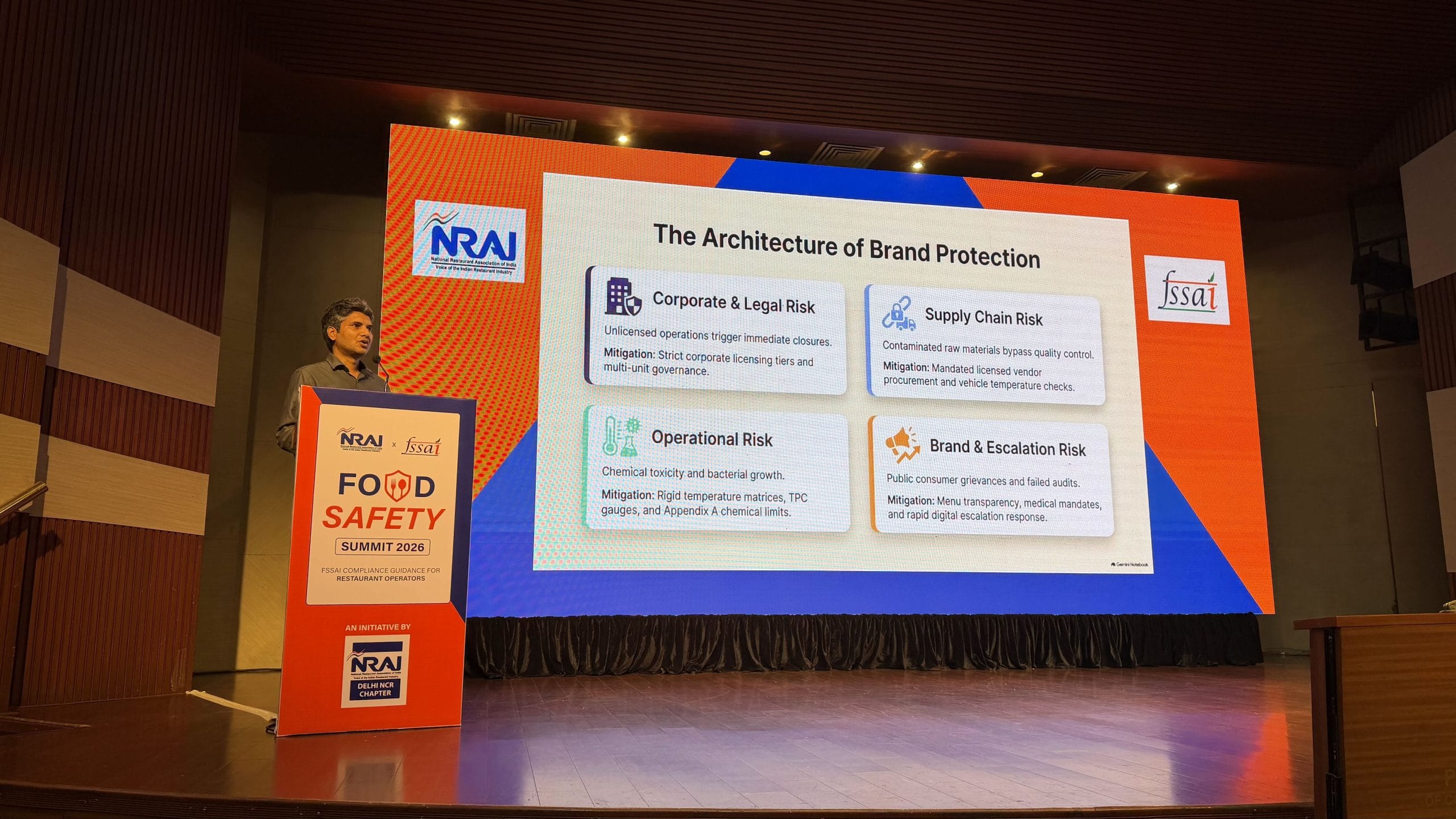
The food safety officers touched upon traceability, temperature control, hygiene, segregation and prevention of cross-contamination, along with food handler practices, consumer-facing information and documentation required to maintain consistent standards.
Quality control was one of the key topics covered. Business operators were urged to ensure that oil shouldn’t be used when it gets black due to consistent frying; the vegetation and non-vegetation food should be stored separately with the expiry dates clearly labelled.
“Food is divine. Treat it like that. Do business, but not at the cost of your diners, not by serving stale or unsafe food,” Singh said, highlighting that consumer complaints such as “hair being found in served food” should be taken seriously.
The FSSAI officers even warned restaurateurs to be mindful of the vendors they collaborate with.
“Your vendors should deliver the meat or the milk or paneer at appropriate temperatures; even that affects the quality,” Singh added.
He further called for transparency between the restaurant and diners, suggesting that the FSSAI license should be displayed upfront and not in some corner. The officers suggested that restaurant menus should include the type of oil used for every dish.
The New Delhi session marks the beginning of a wider NRAI–FSSAI initiative, with similar engagements set to roll out across NRAI’s network of chapters in the coming months.
The food industry body said this will create opportunities for restaurant owners to engage directly with FSSAI and address safety requirements relevant to their businesses.
(Edited by Insha Jalil Waziri)