





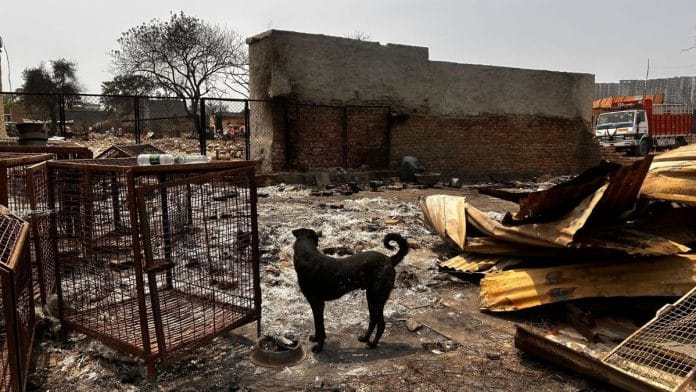


Ghaziabad: Vandana ran from cage to cage, opening each one, shouting, urging the dogs to flee. She hurried them out of the building just as a flaming cylinder crashed near the shelter. Terrified, the dogs bolted in panic, the fire closing in fast. In the chaos that followed — amid pushing, pulling, and desperate attempts to save them — they failed to escape.
Around 50 animals, mostly dogs, died in the Indirapuram fire on Thursday. The fire that gutted over 200 shanties allegedly started in one of the plastic factories and spread to the settlement in Kanawani. Eyewitnesses said that the fire spread due to a cylinder blast, and it took several hours to contain it.
“I feel helpless, I tried saving as many as I could, and sent them to another shelter home,” said Vandana Singh, one of the founders of Pari Foundation, the shelter home where 15 of the 65 dogs died in the fire.
The shelter home
Pari Foundation, founded by three women — Vandana Singh, Lakshmi Bhardwaj, and Purnima Baduni — is a modest single-storey structure of brick walls and tin sheets.
A few years ago, a storm destroyed the tin shades, after which the trio pooled in money from their savings and rebuilt the structure. Their mission was to save the dogs and give them shelter.
“Once you start doing it for the dogs, there is no going back,” said Baduni.
The three women — who are best friends — met while feeding dogs in their society in Vasundhara. The residents were against feeding dogs and also objected to the women giving shelter to them at their homes. So, they decided to build a shelter.
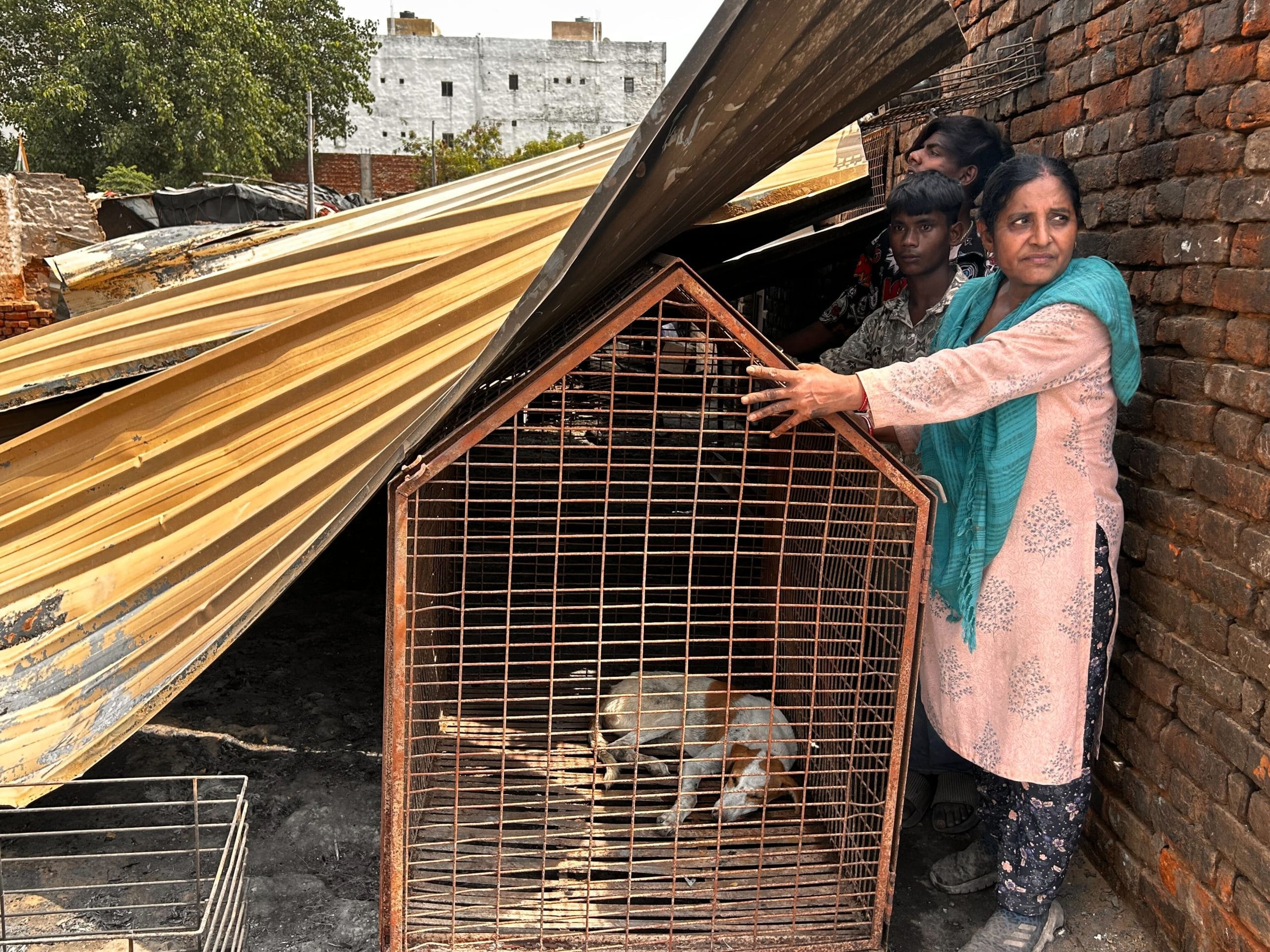
They looked after dogs in shifts — morning and evening. While Singh took care of the dogs in the shelter, Bhardwaj took the responsibility of feeding them. The duty started at 11 pm till 4 am.
They feed around 700 dogs in the area — in summer, the canines are given bread and curd in the morning and 30 kg rice in dinner. The trio spends around Rs 85,000 every month on this.
“By 8:30 at night, if you come here, it looks like a wedding procession. They all sit and wait. They know food is coming,” said Bhardwaj.
What happened on Thursday?
Around 11 am, Singh was treating a dog with distemper, when her cook came shouting, “Didi aag lag gayi hai”. Chaos followed.
Singh stood amid charred dog beds, burnt wooden furniture, and layers of ashes.
When she heard about the fire, her first reaction was to let the dogs go. She opened the cages, as the confused dogs started barking, trying to understand the situation.
Singh and the cook forcibly pushed the dogs out of the cages, but the scared animals came running inside the shelter home trying to save themselves from the fire.
“The dogs thought the shelter would be safe from the fire,” said Singh. However, by then, the shelter was engulfed in flames.
In a video circulating on social media, Singh and her cook shout at the top of their voice, trying to stop the dogs from going inside the shelter home.
The fire went on for several hours and claimed the lives of nearly 15 dogs of the shelter home. Singh and his cook were able to save around 50 dogs.
The allegations
After the news broke, dog activists and lovers accused Singh and her team of negligence.
“People are saying– ‘Why didn’t you do this? Why didn’t you do that?’ They don’t see what we do every single day. That hurts,” said Singh
Delhi-based Dog rescuer Vikas Gautam told ThePrint that he did not understand the point of constructing a dog shelter in a slum.
“For making shelters, there should be proper provisions and the shelter home did not have them,” he said, while questioning the reliability of the shelter home.

Gautam claimed that nearly 50 animals died in the fire, including goats and cats.
“But dogs were mostly affected, because many dog mothers could not escape the fire with their babies,” said Gautam.
Gautam said that he and other rescuers collected the remains and buried them.
The three friends said they found the property six years ago, when there were no shanties in the area.
“We saw them coming and constructing homes here, there were only a few homes here, when we constructed the shelter home,” said Baduni. For the shelter home, the women pay Rs 11,000 every month as rent.
The trio, over the years, have created a community of dogs, and they even feed neighbours’ dogs.
Leelavati, a neighbour and resident of the slum for 25 years, has seen them feeding the dogs in the area, including her four pets.
All three, especially Singh, received criticism on the internet for allegedly running away after the fire reached the shelter home. Videos circulating on social media claimed that the women have kept charred bodies of puppies inside a cage.
“We just left the bodies we found in the cages there, because the fire brigade was trying to control the fire,” said Bhardwaj.
A teary eyed Singh wiped the ash-filled milk bowls. “People ask why we did not install cameras. What would cameras have done at that moment? We do not even have that kind of money. Do not ask why we opened a shelter–we opened it to serve the dogs, not to run a business,” she said.
Also read: IIT Bombay study explains why your neighbourhood might sizzle while the next one stays cool
Finding the way back home
The night was heavy for all of them. But the work did not stop. They looked for dogs who had escaped. Tired and exhausted, the three left for home, but the search continued in the morning.
Meanwhile, a team of volunteers also reached with food and some medical assistance. Singh found a white dog in one corner of the slum. She brought the dog in, who was found shivering. The doctors gave him drips, calming her down.
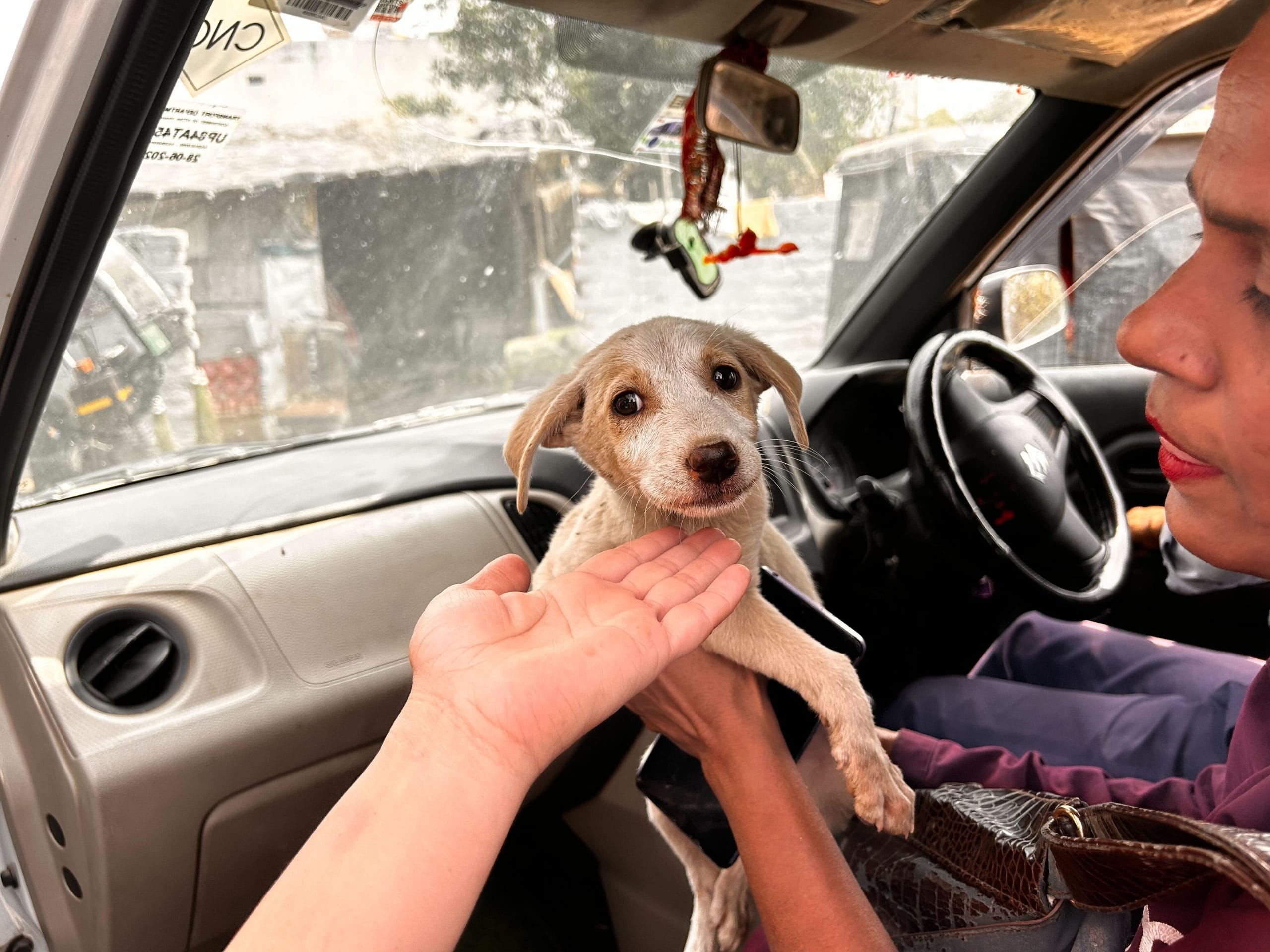
“She was trapped in fire, the residents found her under some tin,” said Singh.
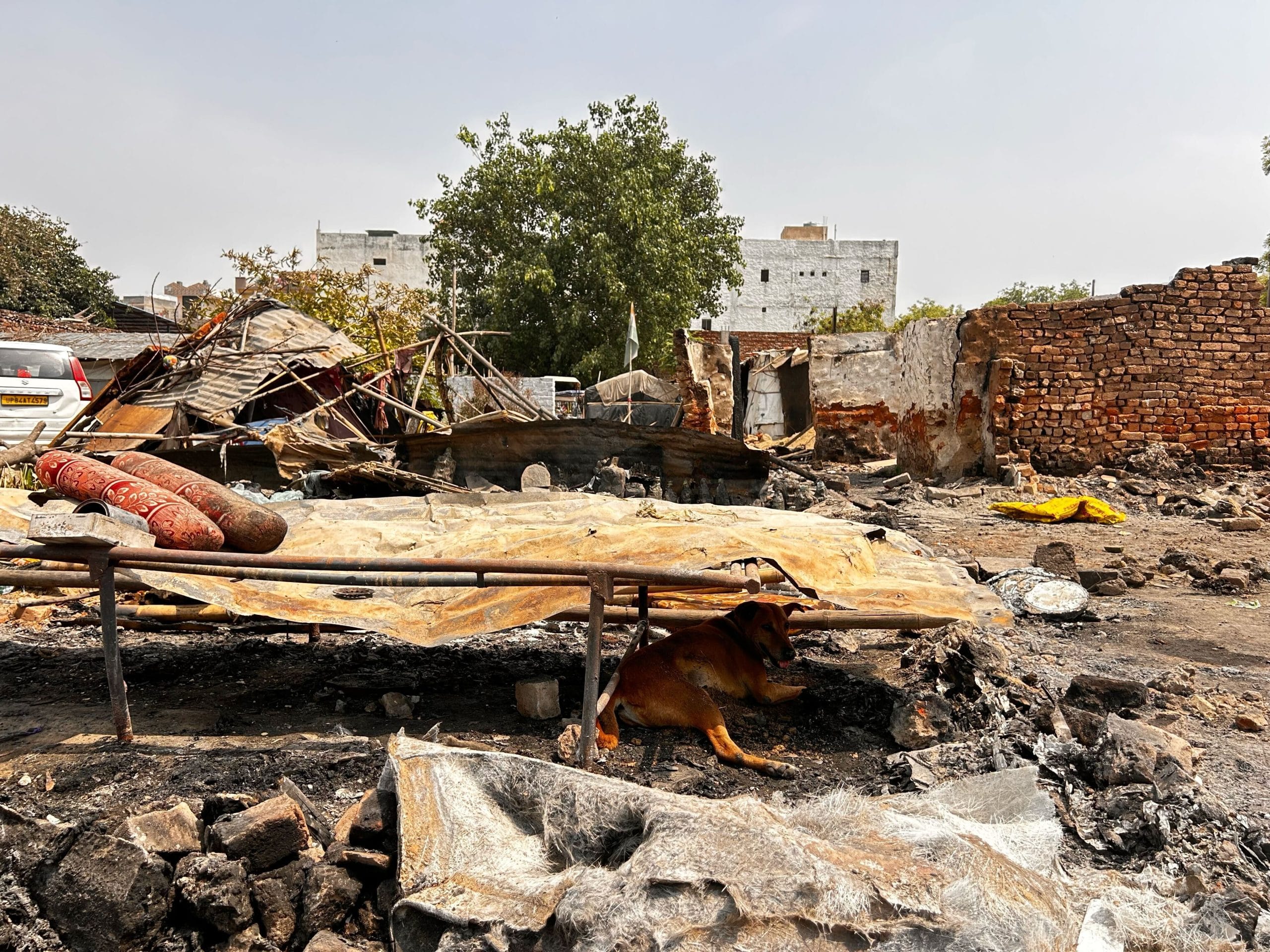
But before they could find the dogs, Chudail, Sona, Kalu and more had already found their way back home. Kalu was the first one to arrive. Sona was found panting because of heat, Chudail taking rest under a shade, and Kalu roaming restlessly from one place to another — looking for his friends and his lost home.
“Our dogs are coming back, they are coming to the place they used to poop,” Baduni cried.
The three women are now clearing the area, collecting the remains.
Now lies the mammoth challenge of finding out which dog has been sent to which shelter — and bring them back home.
(Edited by Aamaan Alam Khan)