







By Mayank Bhardwaj and Rajendra Jadhav
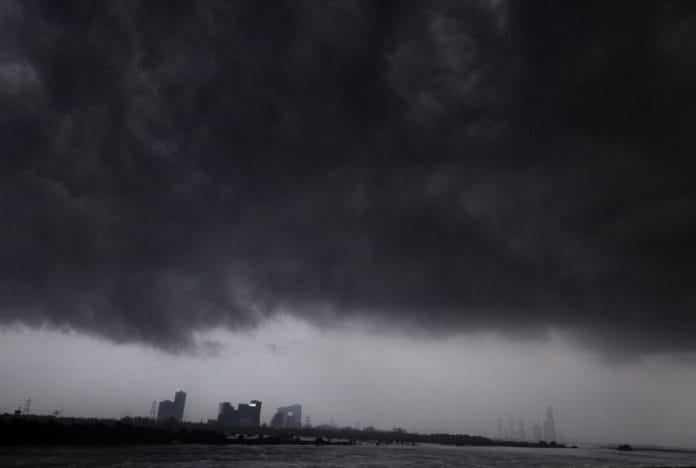
NEW DELHI/MUMBAI (Reuters) -India’s monsoon is forecast to hit the Kerala coast in the southwest on May 31, the state-run weather office said on Wednesday, offering relief to farmers after below average rainfall last year.
The monsoon, the lifeblood of the country’s $3.5 trillion economy, delivers nearly 70% of the rain that India needs to water farms and recharge reservoirs and aquifers. Nearly half of India’s farmland, without any irrigation cover, depends on the annual June-September rains to grow a number of crops.
Summer rains usually begin to lash Kerala state around June 1 and spread across the whole country by mid-July, triggering the planting of crops such as rice, corn, cotton, soybeans and sugarcane.
The monsoon onset over Kerala is likely to be on May 31, with a model error of plus/minus four days, the India Meteorological Department said.
Last year, monsoon rains reached the coast of Kerala on June 8, the latest arrival in four years.
After a weak start, overall monsoon rains were 6% below average in 2023, the lowest since 2018 as the El Nino weather pattern delivered the driest August in more than a century.
El Nino is a warming of Pacific waters that is typically accompanied by drier conditions over the Indian subcontinent.
As El Nino gives way to La Nina – characterised by unusually cold temperatures in the Pacific Ocean – India’s weather office has forecast rainfall of 106% of the long-term average.
The India Meteorological Department defines average rainfall as between 96% and 104% of a 50-year average of 87 cm (35 inches) for the four-month season.
Plentiful monsoon rains could help farmers harvest bumper crops and prompt the government to consider easing rice export curbs, including on widely consumed non-basmati white rice over the last year and broken rice since 2022.
(Reporting by Mayank Bhardwaj and Rajendra Jadhav; Editing by Jane Merriman, Kirsten Donovan)
Disclaimer: This report is auto generated from the Reuters news service. ThePrint holds no responsibilty for its content.