







By Isla Binnie
NEW YORK (Reuters) – At least $12 million a year has been freed up to help Ecuador protect the unique ecosystem of the Galapagos Islands with the sealing of the world’s largest-ever ‘debt-for-nature’ swap.
The first such deal was struck in 1987 in Bolivia and around 140 have followed as lower-income countries look to raise funds to help tackle climate change and biodiversity loss.
Below are some previous deals and their structures.
BOLIVIA
Washington-based Conservation International and the private Frank Weeden Foundation bought $650,000 of Bolivia’s foreign-held debt in return for a government promise to set aside millions of acres in the Amazon Basin for conservation.
Citicorp Investment Bank acted as Conservation International’s agent to buy the debt at a discount from other lenders in the secondary market, the New York Times reported.
The bonds were bought for $100,000, a roughly 85% discount, funded by the Connecticut-based foundation, the newspaper said, with Bolivia holding title to the area and managing it alongside a private group, with Conservation International as adviser.
SEYCHELLES
After eight years of talks, the Seychelles became the first to apply the principle to its picturesque but fragile beaches and underwater reefs with the world’s inaugural “blue” bond.
In this deal, U.S.-based charity The Nature Conservancy (TNC), offered to buy nearly $22 million of the island nation’s $406 million debt.
Seychelles designated a third of its waters – an area the size of Germany – as “protected”, which meant limiting fishing, oil exploration and large-scale development.
BELIZE
The United States and Belize originally struck an agreement to swap tropical forest protection for debt relief in 2001.
In 2021, Belize offered 55 cents on the dollar to holders of a bond worth $553 million. TNC raised the funds for the buyback and lent the money back to Belize which committed to protect 30% of its waters, home to the world’s second-largest coral reef.
Part of the deal was underwritten by Credit Suisse, while the United States International Development Finance Corporation (DFC) insured the loan. Belize said the deal reduced its debt level by the equivalent of more than 10% of economic output.
BARBADOS
TNC and the Inter-American Development Bank (IADB) provided a $150 million guarantee for a loan allowing Barbados to buy back debt. The savings were channelled into a conservation fund with an estimated value of $50 million.
This saw Barbados designate 30% of its marine environment as protected – up from around zero, according to TNC estimates – and improve management of all its coastline and waters.
Global asset manager Nuveen later said it had bought most of the debt, which was sold in the form of a blue bond.
ECUADOR
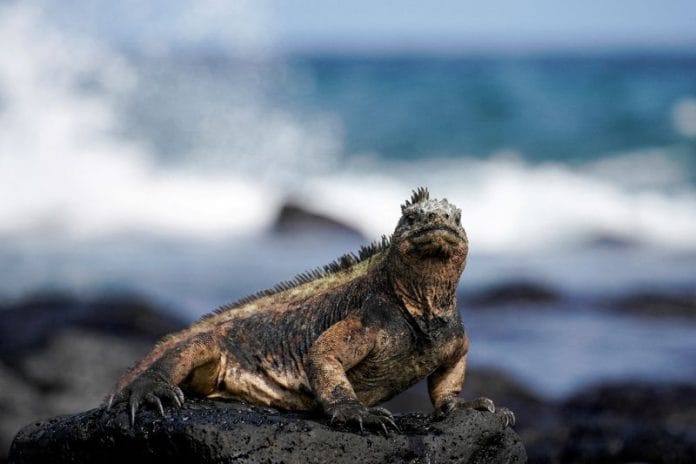
In the biggest such deal yet, which was around three years in the making, Ecuador sold a blue bond that will siphon at least $12 million a year into conservation of the ecologically rich Galapagos Islands.
Prior to the new issue, Credit Suisse bought three of Ecuador’s bonds worth $1.6 billion at a discount of nearly 60%, saving the country about $1 billion in repayments over 17 years.
The new bond has an IADB guarantee and $656 million political risk insurance from the DFC.
The funding will help protect the islands, which are home to some 3,000 species, including several found nowhere else, from illegal fishing and climate change, the Pew Bertarelli Ocean Legacy project which supported the deal, said.
More than $1 billion of the savings will be used for other purposes of the government’s choosing.
(Reporting by Isla Binnie; Editing by Alexander Smith)
Disclaimer: This report is auto generated from the Reuters news service. ThePrint holds no responsibilty for its content.