







By Valerie Volcovici
WASHINGTON (Reuters) – Carbon removal industry representatives have challenged a document a United Nations scientific body released this week that casts doubt on the nascent technology’s usefulness in efforts to limit global warming.
The Carbon Capture Coalition represents over 100 companies working on direct air capture, carbon capture and storage technologies, into which governments such as the United States and the private sector have poured billions of dollars to help the technology’s commercialisation.
It sent a letter dated May 25 to a UN-appointed advisory body taking issue with its assertion that carbon removal activities are “technologically and economically unproven” and “do not serve any of the objectives” of the global carbon market called for in Article 6 the 2015 Paris climate accord.
“Scaling available engineered carbon dioxide removal (CDR) methods is increasingly recognized as a central component to both offsetting emissions in those sectors with challenging-to-abate emissions, such as shipping and aviation, and post-2050, reducing the concentration of CO2 remaining in the atmosphere,” the coalition said in the letter.
The UN Intergovernmental Panel on Climate Change has estimated that billions of tonnes of carbon will need to be sucked out of the atmosphere annually to cap global warming at 1.5 degrees Celsius, the limit scientists say would prevent the most devastating consequences of climate change.
Many environmental campaigners have said the technology allows the continued production of fossil fuels, but advocates say every method must be tried if the world is to curb climate change.
The world is currently warming at a rate of around 1.1C (1.9 Fahrenheit).
The UN supervisory group, named the Article 6.4 Supervisory Body, said carbon removal activities “do not contribute to sustainable development” and their high cost makes them unsuited to developing economies.
The body, which meets next week in Bonn, Germany, is tasked with setting recommendations on carbon removal and methodologies used in carbon markets that will be considered later this year at COP28 UN climate conference in Dubai.
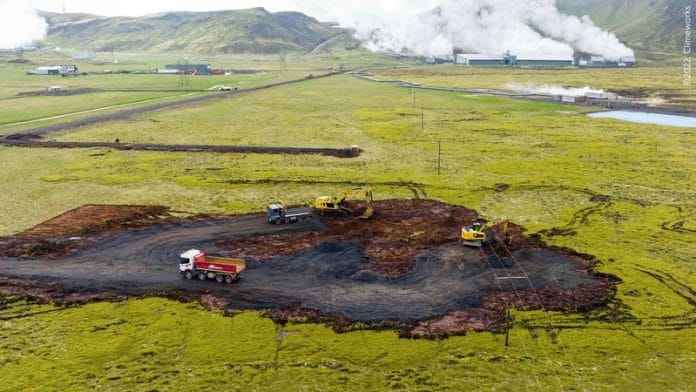
To date, the biggest DAC plant is in Iceland. It captures only 4,000 tonnes of carbon a year and costs are high, its owner Climeworks says.
(Reporting by Valerie Volcovici; editing by Barbara Lewis)
Disclaimer: This report is auto generated from the Reuters news service. ThePrint holds no responsibilty for its content.