


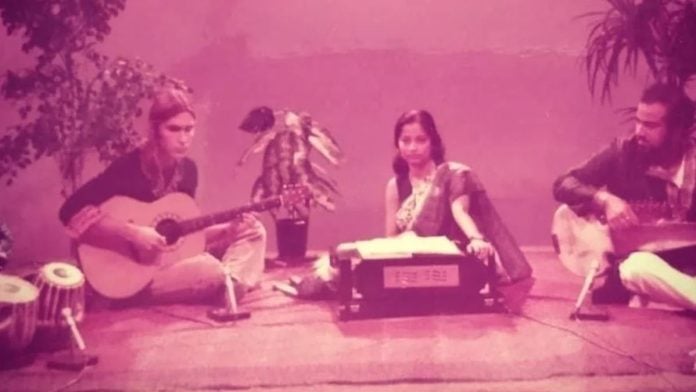
New Delhi: Singer Rupa Biswas Sen, who once scolded her son for playing GTA IV instead of studying, now has her own song featured in the most-hyped game of all time—GTA VI. Her 1982 Bengali track ‘Aaj Shanibar’ plays on Worldwide FM—one of the in-game radio stations in the game, as Jason and Lucia drive through Vice City and the wider state of Leonida, hatching criminal conspiracies. The song was spotted by players soon after the game was released on 19 November, making it an unlikely viral sensation overnight thanks to its India link.
“I used to scold my son, Debayan, for playing games instead of studying. Now even his wife (Soumita Bhattacharya Sen) tells me she has played my music. It is wonderful for an artist, though I don’t really understand this fame,” she told ThePrint.
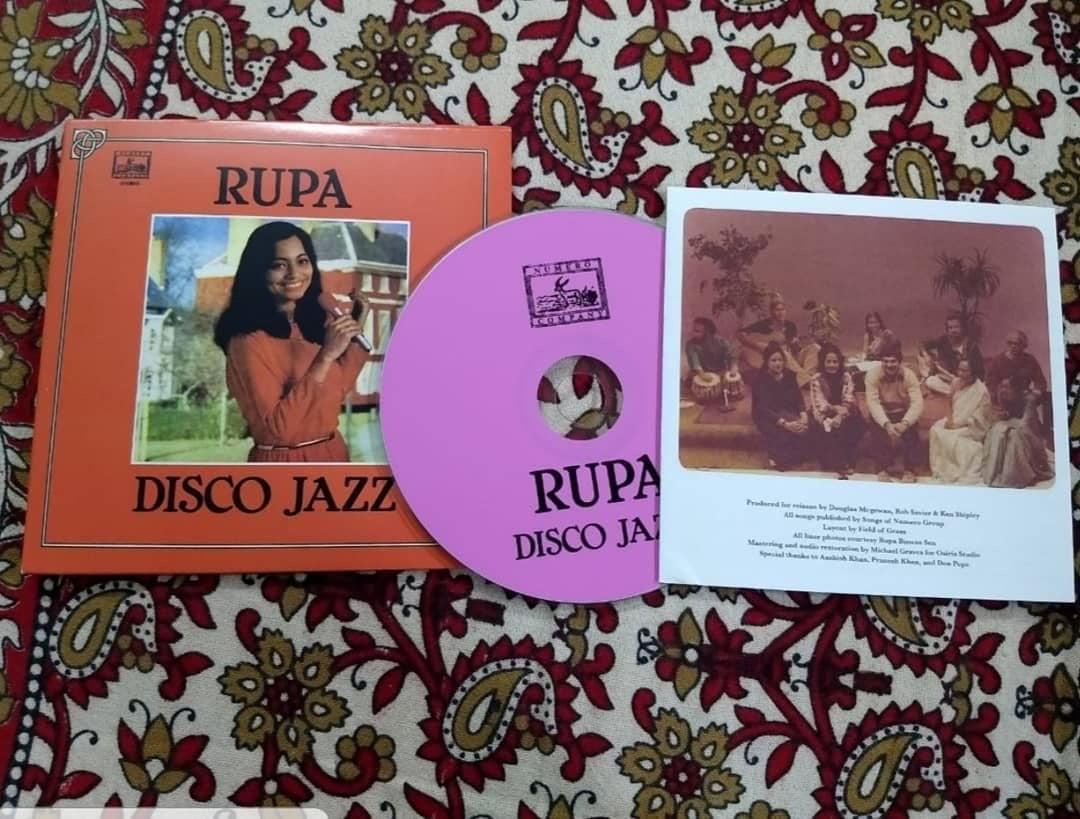
‘Aaj Shanibar’ is from Rupa Biswas’s 1982 debut album Disco Jazz, which blends disco, funk and Indian classical music, with Bengali and Hindi lyrics. Composed and arranged by Aashish Khan, the album was recorded in Calgary, Canada, but received little attention upon its release in India.
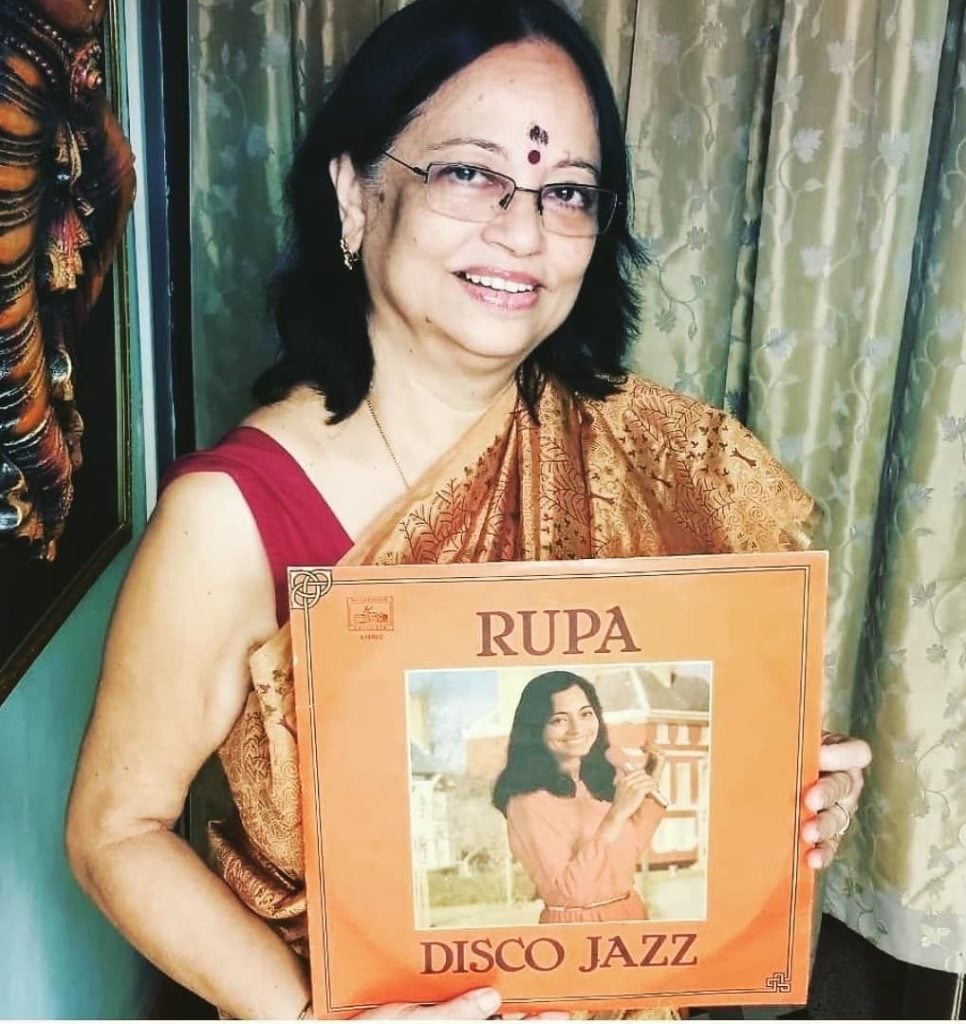
Rockstar Games licensed the track through Numero Group around three years ago. However, strict non-disclosure agreements kept Biswas and her family unaware of when or where it would feature. They learnt of its inclusion at 6 am Friday, when a friend in Canada messaged Debayan.
For Debayan, an IT professional, the news was particularly ironic as she used to hate GTA.
“I used to play GTA IV so much that I’d forget to eat dinner, which caused a lot of arguments at home,” he said.
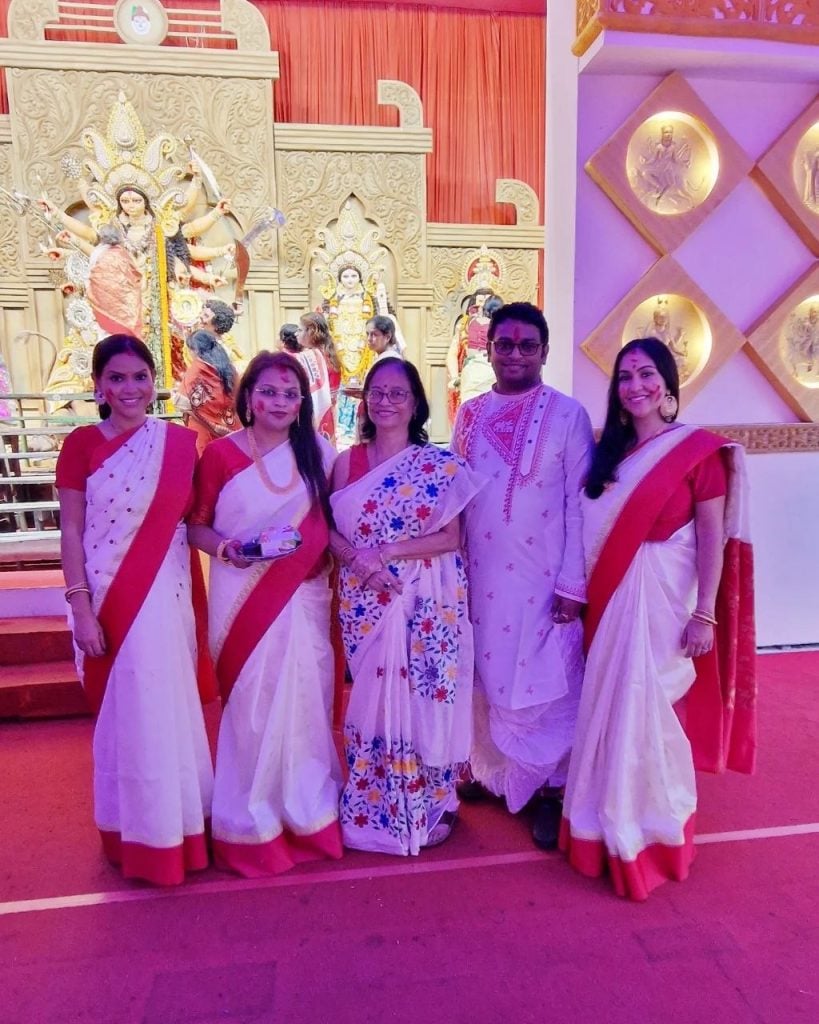
So, when Debayan told his mother that her song had featured in the game, Biswas was taken by surprise. He said he had to show her live streams of people playing GTA 6, where her song could be heard, before she was convinced.
“Dev is saying, ‘Ma, now will you be able to scold me? Your song is playing..So what can I say about that?” she said.
Musical journey of Biswas
It took 44 years for Biswas to get viral recognition, long after she had established herself as a trained musician in Kolkata. She began as a child artist at All India Radio (AIR), singing contemporary Bengali songs. Born Shukla, she adopted the stage name Rupa after failing twice to qualify for AIR’s senior category. Her son said that she changed her name before her third attempt, which she finally cleared.
“Rupa was actually her nickname at home, but it became her official artist name at that time,” Debayan said.
She continued singing through her college years and pursued a Master’s degree in music from Rabindra Bharati University (RBU).
In 1981, while completing her final degree examination, Rupa travelled to Canada with her parents and sister to visit her elder brother, Tilak Biswas. What began as a family holiday soon turned into an unexpected musical opportunity.
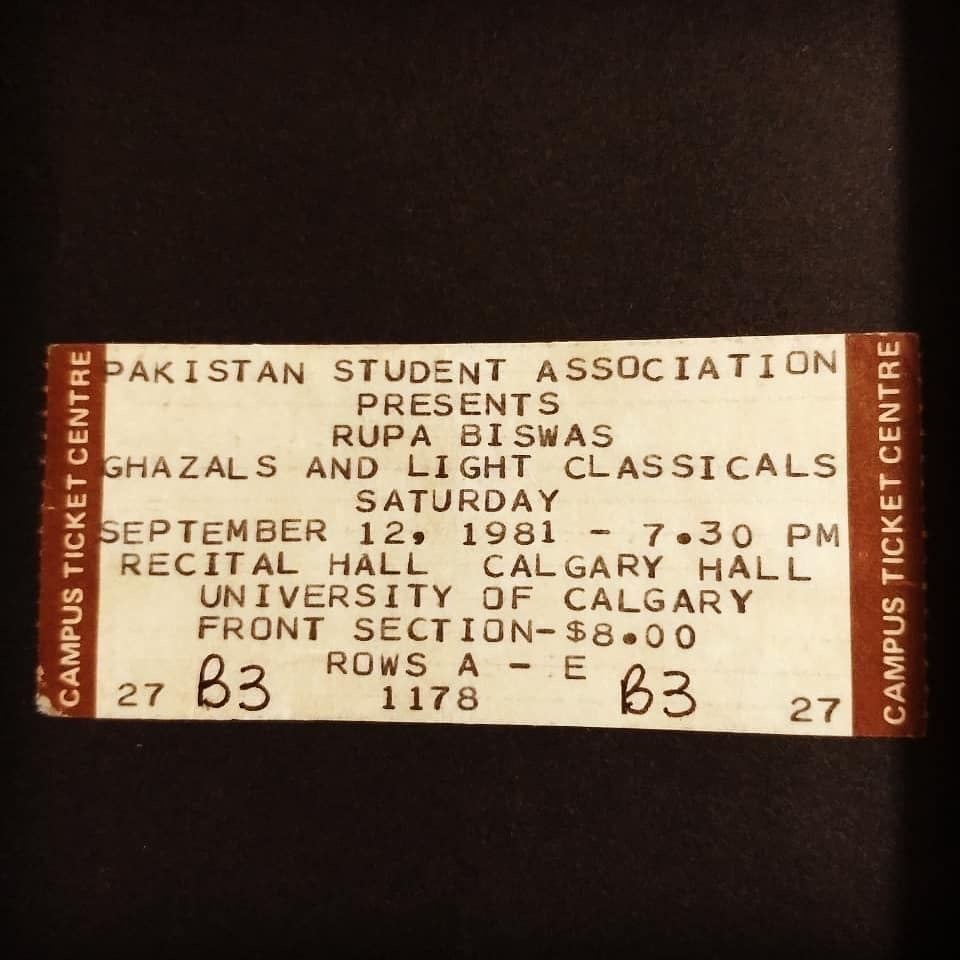
Her brother once invited friends home, telling them his sister was a singer. To Rupa’s surprise, she found a room full of people waiting to hear her perform. She sang ghazals and geets late into the night, impressing two of her brother’s friends, Dawoodi and Gajnabi, associated with the Pakistani Students Association. They subsequently arranged a concert for her at the University of Calgary.
Rupa performed 29 songs over three hours at the university’s Boris Roubakine Recital Hall, before an audience of students, musicians and critics.
“When I arrived, I found a grand affair waiting for me. They placed a harmonium in front of me and asked me to sing. What else could I do? I sat down and sang,” she said.
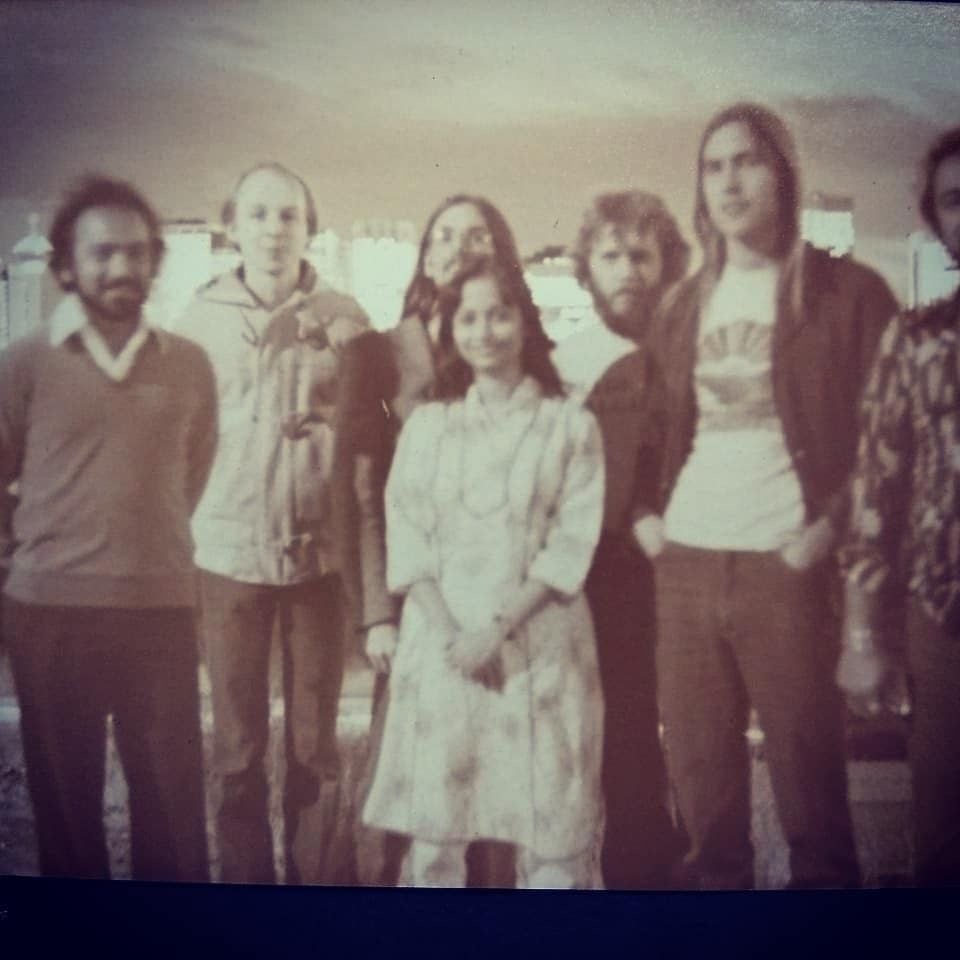
Among those in the audience were Aashish Khan and Pranesh Khan, grandsons of sarod maestro Ustad Allauddin Khan. Impressed by her voice, they visited Tilak’s home the next day with their instruments and began practising with Biswas. They soon approached her about recording an album together.
“Aashish suggested recording an album together. I readily agreed, and they sought permission from my father and brothers,” she said.
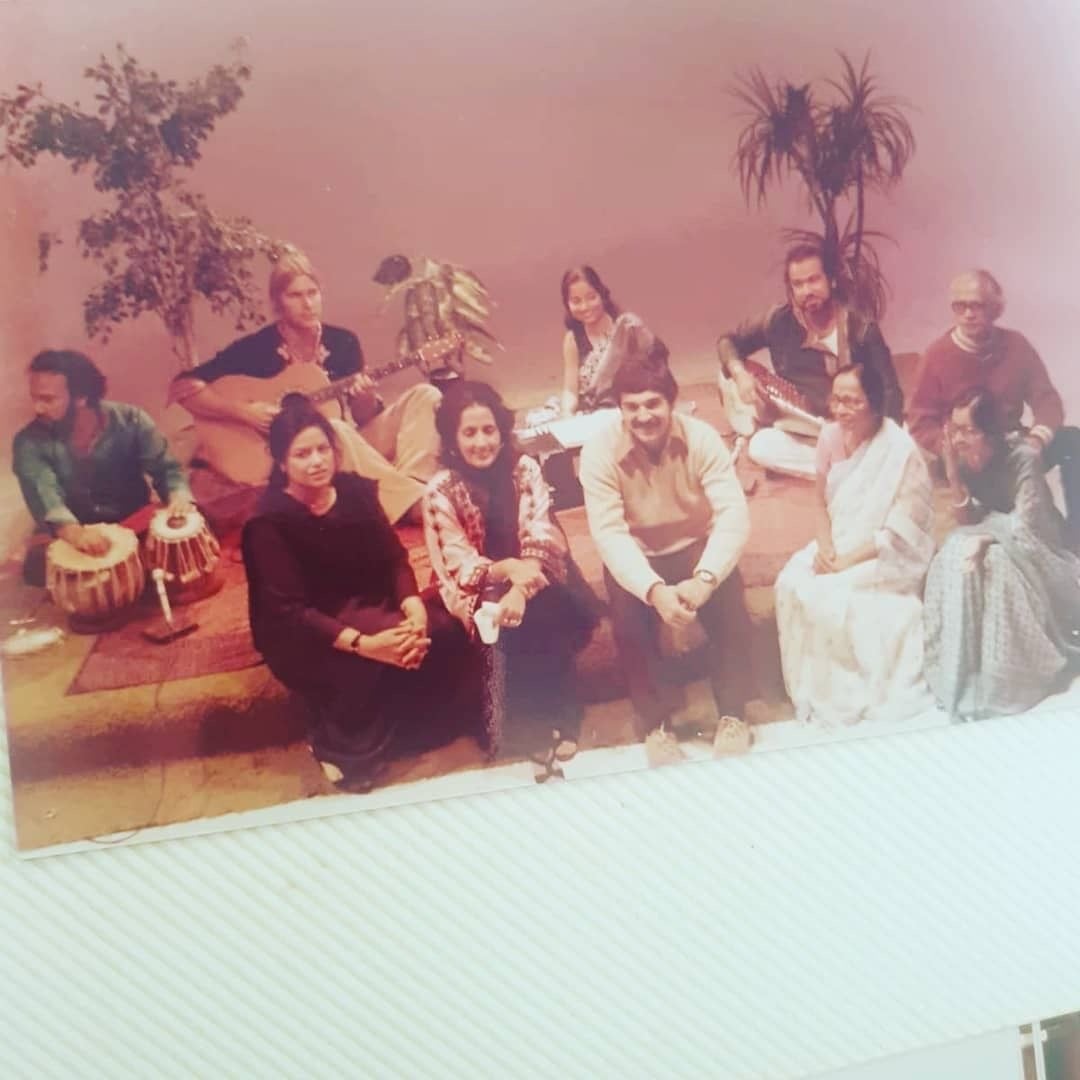
Unfamiliar with Western recording studios, Biswas was surprised by the equipment and instruments, including guitars, drums and saxophones.
“I was completely new to it. When they handed me a cordless microphone, I thought it was broken. Everyone burst out laughing and told me, ‘No, no, you sing,’” she said.
The result was Disco Jazz, composed by Aashish and his collaborator Don Pope, with lyrics by Khan’s wife, Firoza Khan. Khan played the tabla. The album’s iconic photographs featured Biswas in a red dress bought from the children’s section because clothes in her size were hard to find.
“After I sang, they took photographs for the cover. That became history too! I was so tiny, like a Lilliputian, that they couldn’t find clothes in my size. So they bought my dress from the children’s section,” she said.
Also read: Saif Ali Khan named Gowardhan Ghee ambassador after viral KBC moment
‘She is deeply connected to music’
Released in India in October 1982 by Megaphone Company, Disco Jazz received little promotion and struggled to find an audience, arriving when Nazia Hassan was dominating the disco scene with hits such as ‘Aap Jaisa Koi’ and ‘Disco Deewane’. Biswas later recalled visiting cassette shops in Kolkata, only to find little interest in her music. She eventually bought a copy herself and distributed cassettes among her family.
A few years later, Biswas married textile engineer Udayan and took a break from music. She continued working as a reporter and columnist for Anandabazar, writing about beauty and cosmetics.
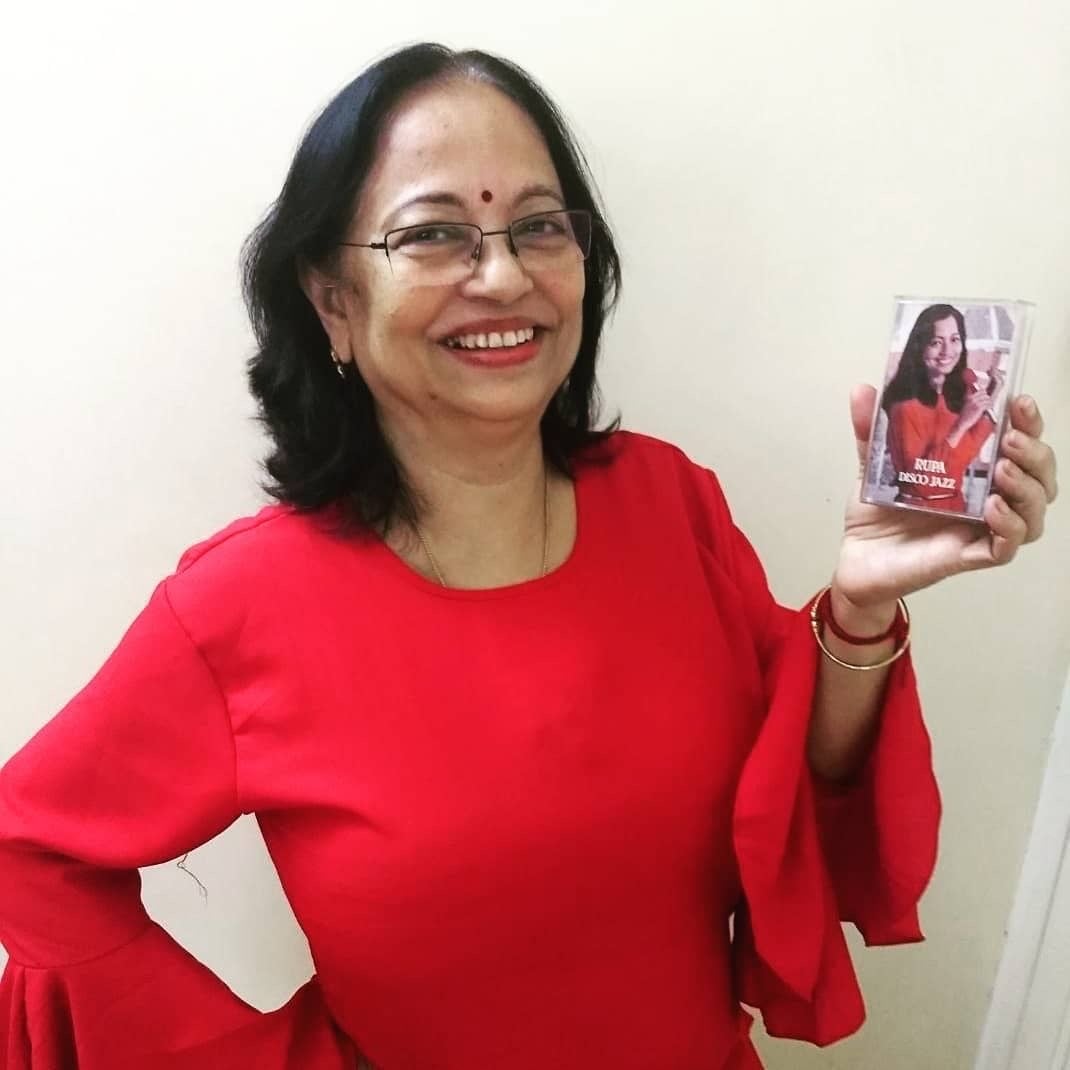
But music was never entirely out of her life. Her daughter-in-law said that she continues her ‘riyaz’ every day and holds a jamming session every Thursday with a tabla maestro. She also regularly listens to new songs, often repeating them until she can sing them herself.
“She is deeply connected to music. Every day, she reads about developments in the field, whether it is Bengali music or music from around the world. She keeps herself updated and thinks about music quite a lot,” she said.
Also read: From hospital bills to financial aid—how Salman, Shah Rukh Khan help struggling actors
How Aaj Shanibar was rediscovered
For nearly three decades, Disco Jazz remained forgotten until record collectors began rediscovering it. In 2005, Hamburg-based record seller Florian Pittner found copies in Kolkata and listed one on Discogs. Swedish DJ Albion Venables bought the record in 2012 and began playing ‘Aaj Shanibar’ at his sets. A mix featuring the song reached music enthusiast Fran Korzatkowski, who uploaded the original track to YouTube in 2016.
The song later caught the attention of Canadian musician and DJ Dan Snaith, better known as Caribou, who played it on his DJ sets and radio programmes, including NTS Radio and Gilles Peterson’s Worldwide FM.
In 2019, American archival label Numero Group officially reissued Disco Jazz; Biswas, however, remained unaware of the album’s growing popularity. Her son had stumbled upon the original vinyl years earlier, during Durga Puja in 2014, while searching for puja items in the attic.
“I found a black polythene bag inside a trunk. It contained the original record. I shouted from the attic, ‘Mom, come quickly! Look, it has your face, only much younger!’” Debayan said.
But Biswas, who is terrified of cockroaches, thought he had found one and shouted back, “Whatever you found, just throw it away!”
Once he cleared up the confusion, Debayan learnt about his mother’s musical past for the first time.
“I felt very proud, but I was also angry. Mom had never told us anything,” he said.
Debayan began researching the album online, but it was only in February 2020, after speaking to a visiting cousin, that he discovered its growing international following. He contacted music writer Nate Rabe, who helped the family understand its resurgence. They eventually reached out to Numero Group, which was surprised to learn that Biswas was still alive.
“Until 2020, everyone assumed the artist was dead. After Mom was rediscovered, she signed a contract with Numero Group,” Debayan said.
The revival soon reached beyond record collectors. Her music featured in Netflix’s animated series Cowboy Bebop (2021), while ‘Aaj Shanibar’ appeared in Ashim Ahluwalia’s Miss Lovely (2012). Her songs also featured in Apple TV productions and Loewe’s Paula’s Ibiza 2020 campaign.
“After so many years, my music has come back. I feel very good. Even the younger generation is dancing to my songs. I have grown old, but my songs are still playing,” Biswas said.
(Edited by Saptak Datta)