





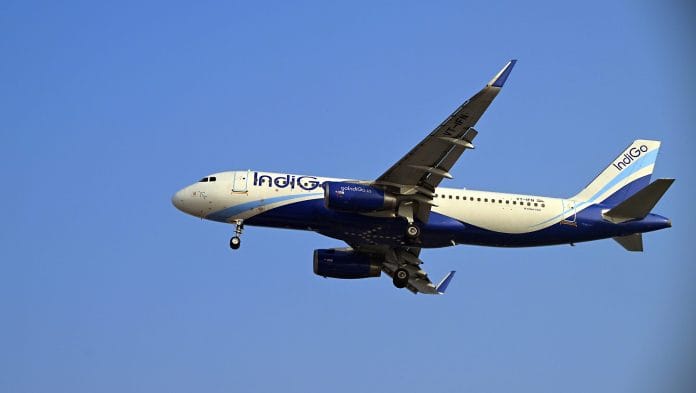



IndiGo, India’s biggest airline, reported a quarterly profit that missed expectations on one-time charges due to December’s unprecedented disruptions that led to nearly 3,000 flight cancellations and tighter regulatory oversight.
Net income for InterGlobe Aviation Ltd., the operator of IndiGo, slipped 78% to 5.5 billion rupees ($60 million) for the three months ended Dec. 31 compared with the year-ago period, according to an exchange filing Thursday. A Bloomberg survey of analysts had expected a profit of 19.97 billion rupees.
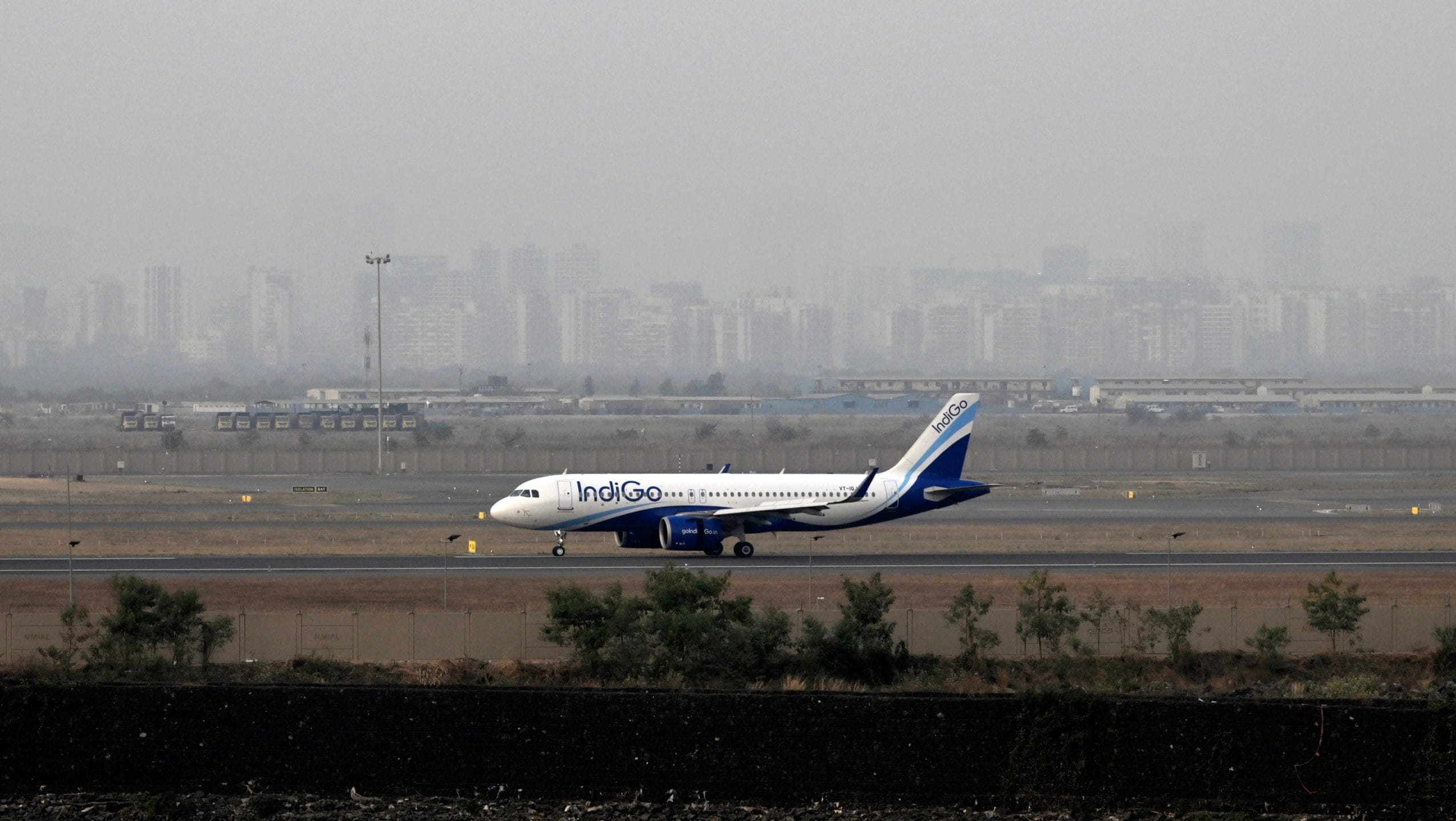
The no-frills carrier took an exceptional charge of 15.5 billion rupees that included the cost of last month’s disruptions and the new labor rules being introduced, the filing said. The hit was partially cushioned by a 21% increase in other income to 10.7 billion rupees.
Revenue rose 6.2% to 234.7 billion rupees, also missing estimates. Total costs were up 9.6% to 224.3 billion rupees as the carrier absorbed expenses, including refunds and payouts to “severely impacted” fliers. The regulator’s order to cut 10% of flights further weighed on capacity and utilization.
The December meltdown marked one of the worst operational crises in Indian aviation, stranding tens of thousands of passengers and exposing weaknesses in IndiGo’s manpower planning and rostering. This quarter is usually a strong one for Indian carriers propelled by festival and holiday-related travel.
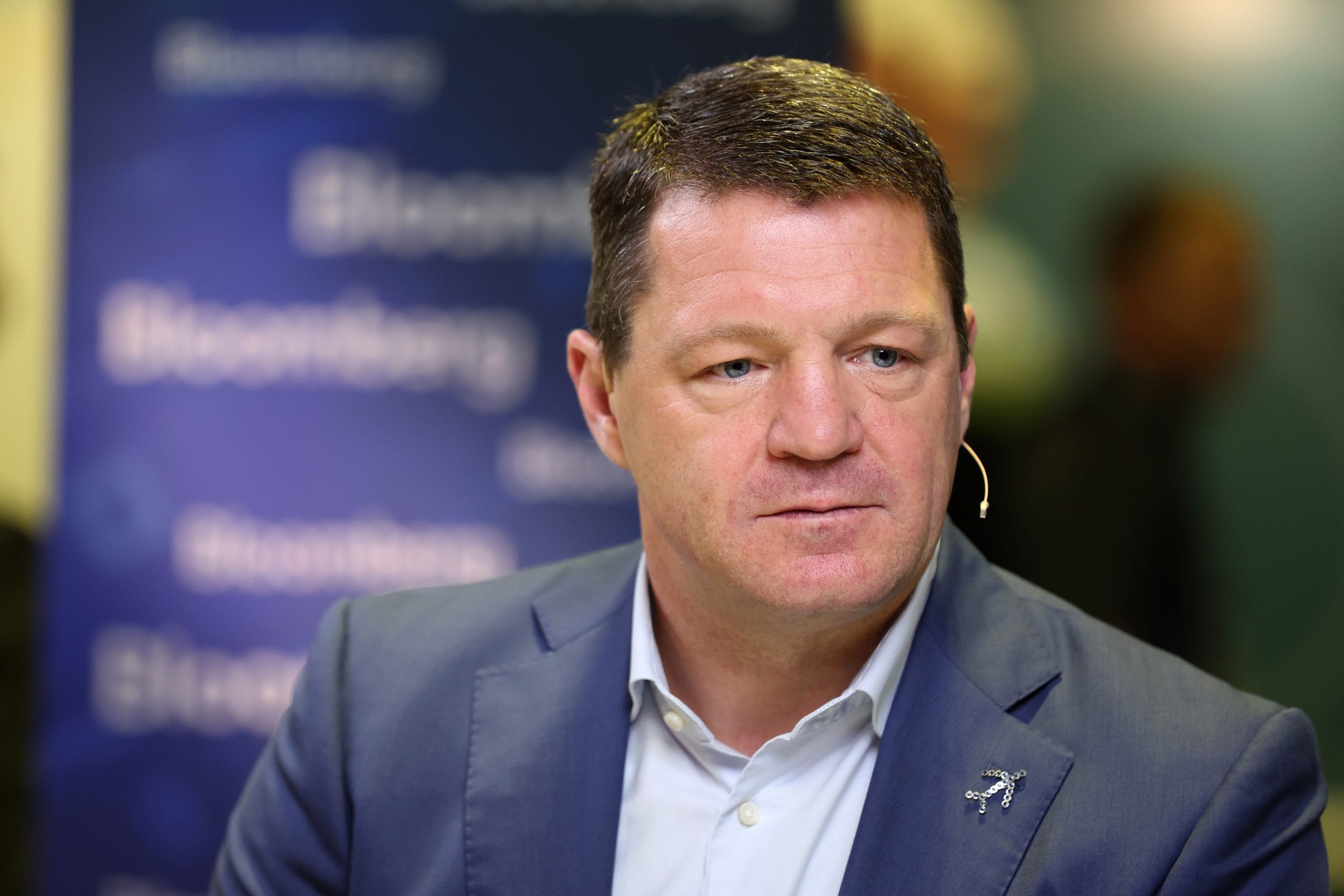
“The months of October and November started very well and disruption in December changed some of our numbers,” Chief Executive Officer Pieter Elbers said in a post-earnings call.
The airline is looking at all operational systems and working with the teams to discuss the issues of disruption, he said . “All the focus now is on stability and continuity of operations.”
With IndiGo controlling nearly two-thirds of India’s domestic market, the mass cancellations quickly pushed fares higher and prompted regulators and the government to consider the need for stronger competition. The regulator imposed a fine on IndiGo last week after deploying on-site monitors and seeking an explanation from Elbers for the “significant lapses in planning.”
“Our long-term fundamentals remain strong, backed by our expanding fleet, growing domestic and international network,” he said in a statement.
The airline had a net increase of 23 planes, pushing its fleet to 440 aircraft by the end of the quarter. It expects a 10% rise in capacity in the ongoing March quarter, it said in the filing.
IndiGo’s passenger load factor slipped to 84.6% from 86.9% in the same period last year. It carried 31.9 million passengers during the quarter.
The debt increased by 2.7% to 768.58 billion rupees compared to the preceding quarter.
While the events last month were unprecedented for IndiGo known for its ultra-optimized business model, the carrier’s earnings have been hit in the past by foreign exchange losses and the grounding of dozens of planes due to issues with Pratt & Whitney engines.
IndiGo shares have dropped 15.3% since the beginning of December compared to a 3.3% decline in the benchmark S&P BSE Sensex.
–With assistance from Anirban Nag.
Disclaimer: This report is auto generated from the Bloomberg news service. ThePrint holds no responsibility for its content.