Politics
Ground Reports
Opinion
National Interest
PoV
50-Word Edit
Defence
Diplomacy
India
Economy
ThePrint On Camera
Videos
In Pictures
Society & Culture
Around Town
Book Excerpts
Vigyapanti
The Dating Story
Health
Science
Science
Tech
World
Events
Off The Cuff
The Speakers Bureau
School of Journalism
ThePrint Store
More
Judiciary
Education
YourTurn
Work With Us
Campus Voice
Search
Add ThePrint as a trusted source
✕
Youtube
Twitter
Instagram
Facebook
Whatsapp
Telegram
LinkedIn
Tuesday, August 4, 2026
Politics
Ground Reports
Opinion
National Interest
PoV
50-Word Edit
Defence
Diplomacy
India
Economy
ThePrint On Camera
Videos
In Pictures
Society & Culture
Around Town
Book Excerpts
Vigyapanti
The Dating Story
Health
Science
Science
Tech
World
Events
Off The Cuff
The Speakers Bureau
School of Journalism
ThePrint Store
More
Judiciary
Education
YourTurn
Work With Us
Campus Voice
Search
Home
Authors
Posts by Rishi Gupta
Rishi Gupta
60 POSTS
Rishi Gupta is a commentator on global affairs.
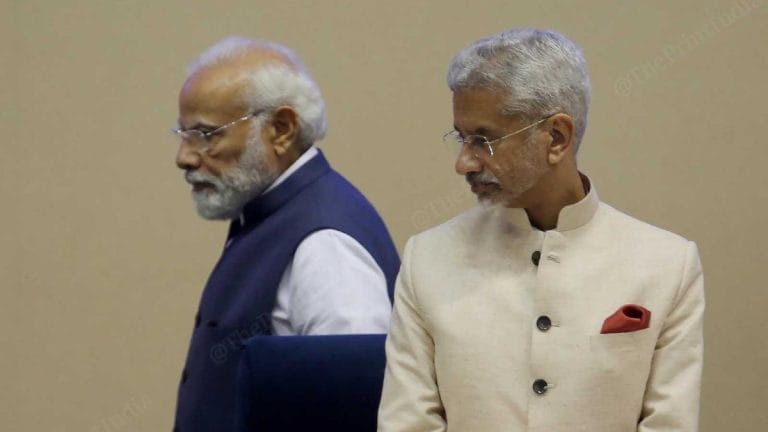
Modi in Indo-Pacific, Jaishankar in Gulf—how India is rebuilding its strategic map
Rishi Gupta
-
July 8, 2026
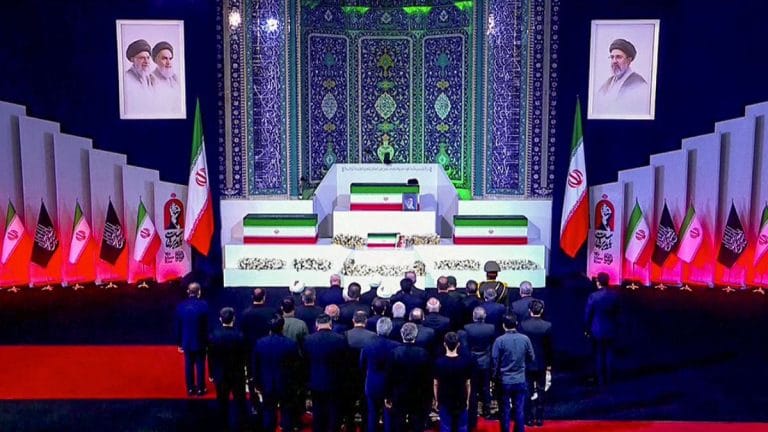
Khamenei funeral shows Iran’s diplomatic relevance for India and its neighbours
Rishi Gupta
-
July 4, 2026
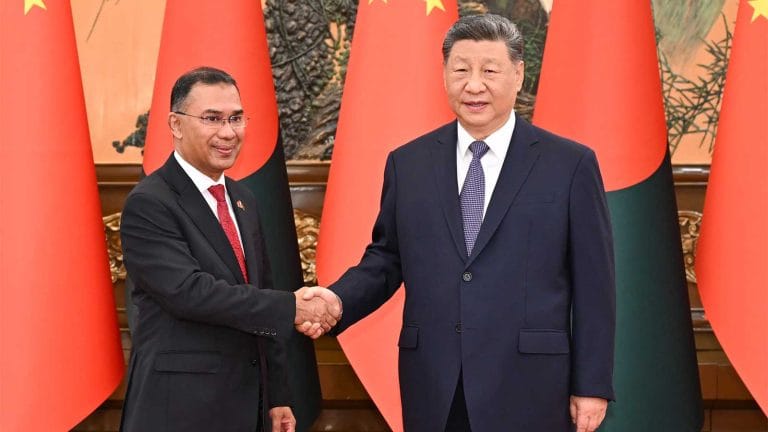
Tarique Rahman’s China visit shows Beijing’s charm offensive on Bangladesh
Rishi Gupta
-
June 27, 2026
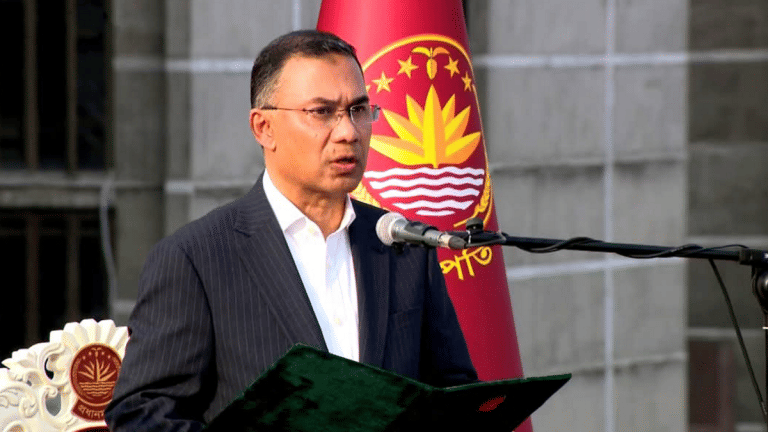
Tarique Rahman’s visit to Malaysia indicates changing geopolitics
Rishi Gupta
-
June 24, 2026
Muhammad Yunus still haunts Bangladesh. Tarique Rahman must announce his own reform plan
Rishi Gupta
-
June 18, 2026
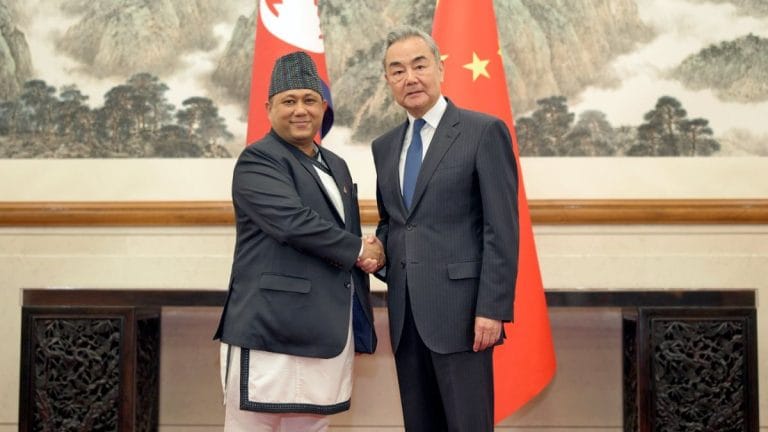
Nepal is reimagining its relationship with China. What this means for India
Rishi Gupta
-
June 17, 2026
Why the India-Nepal Mutual Legal Assistance Agreement matters more than high-level visits
Rishi Gupta
-
June 11, 2026
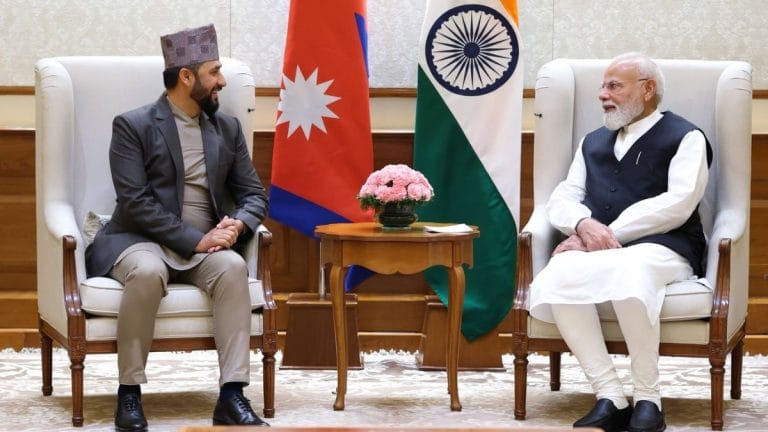
Rabi Lamichhane’s high-profile Delhi visit shows Nepal’s two-layer India policy
Rishi Gupta
-
June 5, 2026
Bhutan’s population decline is an existential threat. Can GMC solve it?
Rishi Gupta
-
May 18, 2026
Balen Shah is changing Nepal’s India-China balancing act. It’s a risky foreign policy
Rishi Gupta
-
May 12, 2026
1
2
3
...
6
Page 1 of 6
✕
0
COMMENTS
Cancel
Required fields are marked
*
This field is required.
Name
*
Email
*
Δ









COMMENTS