








In Episode 1810 of Cut The Clutter, ThePrint Editor-in-Chief Shekhar Gupta looks at rivalries between Gulf countries that prevented an alternative to the Strait of Hormuz. Conflicts in the Gulf are rarely confined to the region. They sit at the heart of the global energy system. West Asia holds a large share of the world’s accessible oil and gas, much of it clustered along the Persian Gulf and dependent on narrow routes such as the Strait of Hormuz. Efforts to bypass these critical water passages through pipelines have offered only partial relief, leaving the system exposed to both state and non-state actors.
Here’s a complete transcript of the episode, edited for clarity.
Whenever a war breaks out in the Gulf, whoever the belligerent may be, the first thing people start saying, for good reason, is that this is all about oil. That’s also why the big powers get involved.
As long as Britain was a great power, Britain got involved. Then, after the Second World War, the British role receded and the Americans took that role. It’s easy to say Americans want to protect or control oil and that’s why these wars take place. That’s one side, there are many arguments for and against and many nuances, but we’re not doing that right now. The fact is there is a lot of oil in this region. It accounts for a large percentage of global supplies.
This is not the only region that produces hydrocarbons. There’s a lot in Africa and new areas are opening up. Guyanese companies have found big new oil fields that are still being developed and will take a couple of years to reach full production. The Americas—the US, Canada, Venezuela, Brazil, Mexico—and Russia also have very large stores of oil and gas. However, oil and gas in the Middle East sit in the heart of the global energy supply chain because from here hydrocarbons can go east as well as west. At present, they go more to the east than the west, because the west can still receive hydrocarbons from the Americas or Russia, and from Norway and the North Sea—which is a large storehouse of oil and gas.
The big economic growth in the world has come from the east. China and India together are the largest combined growth engines: they account for roughly one-quarter of global economic growth. If the global economy grows by, say, 3.3 percent this year, approximately one-quarter of that will be contributed by China and India. These two economies are the leading consumers of energy and are mostly dependent on imported energy.
Other Asian growth engines—Japan, South Korea, Singapore, Thailand, Vietnam—also depend heavily on imported energy. For most of them the easiest and nearest source of energy is the Middle East.
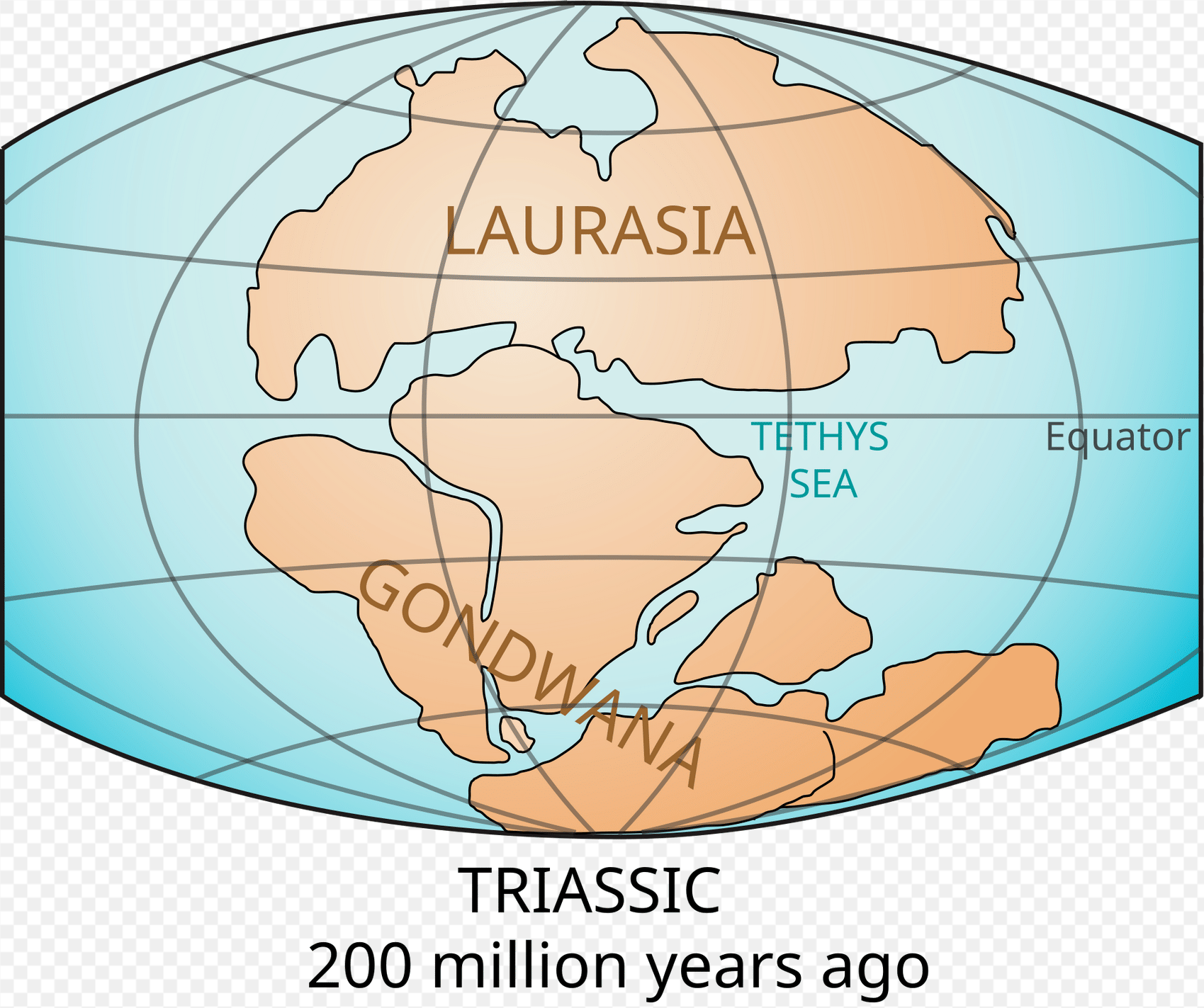
China is slightly less dependent on Middle Eastern supplies because it can get oil and gas from Russia via pipelines, but the Middle East remains critical. Most of the Middle East’s oil and gas lie along the two coasts of the Persian Gulf. There’s a geological reason for that: when tectonic plates shifted millions of years ago, organic material accumulated and over time became hydrocarbons concentrated along the Persian Gulf, not so much along the Red Sea coast. That’s why Saudi Arabia’s major fields sit on its eastern coast, and similarly Iran’s storehouses are along its western coast facing the Persian Gulf.
Some of the biggest fields, including those shared with Qatar, are in that area, and they make evacuation of oil through narrow maritime routes critical.
All that oil must be evacuated through a very narrow vestibule: Strait of Hormuz. That’s why any crisis in the Gulf becomes a crisis for the whole world. Blocking flow of oil through the strait is not very difficult to do; even insurgents, pirates or non-state actors can disrupt shipping, as the Houthis have demonstrated in the Red Sea near Bab el-Mandeb.
The geology that created the storehouse of oil, an incredible wealth, has also created this strategic choke point.
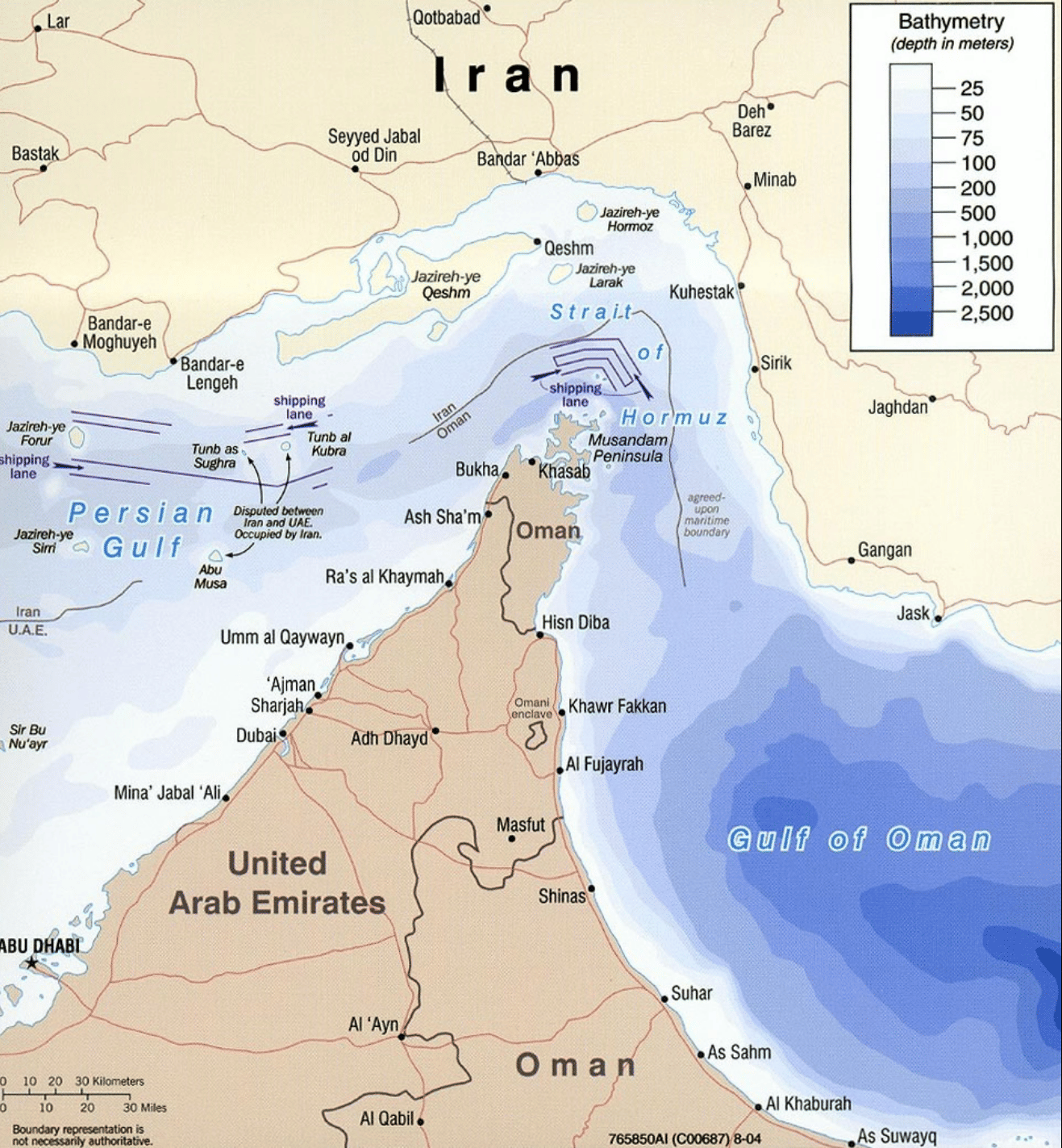
How to get around that choke point is the world’s worry. Since the war in Iran began on 28 February, very little traffic has passed through the Strait of Hormuz. More than a thousand tankers—crude, gas or product-laden ships—are waiting in the Persian Gulf to get out; they are sitting ducks and vulnerable to drone attacks. Captains who try to risk switching off transponders and slipping through, but that’s highly dangerous, and insurance companies are unwilling to cover such voyages. That is why the Strait of Hormuz is the world’s most critical choke point.
This problem is not new. Oil-producing countries in the region have been thinking about it for decades. The first time they seriously addressed it was in 1981–82 during the so-called tanker war, which began after Iraq attacked Iran. Saddam Hussein thought Iran was weak after the revolution and tried to exploit that. He aimed to stop Iran’s oil sales, Iran’s main source of income, so he started targeting Iranian shipping. He got his first French jets by 1984 and used those jets to start attacking Iranian ships. He also had leftover F-14s. Iran retaliated, and both sides began attacking each other’s ships. The Saudis and other Gulf oil economies became concerned and began planning alternatives, including pipelines.
One major result was construction of the east–west pipeline, sometimes referred to as the Trans-Arabian or East–West pipeline, which runs from the Persian Gulf coast across Saudi Arabia to the Red Sea at Yanbu. That pipeline is roughly 1,200 km long and was designed to move crude from eastern oilfields to the Red Sea so tankers could avoid the Strait of Hormuz. The first Saudi supertankers able to leave without transiting the strait used Yanbu, they loaded there rather than in the Persian Gulf and did not have to run the gauntlet.
Once again, there are issues. If you’re heading north or northwest, it is manageable. You go through the Suez Canal and into the western world, where you can sell to Europe. You can also sell elsewhere. For instance, you can go to Turkey. Once you are past the Red Sea, you enter the Mediterranean and then the Atlantic. At that point, all the oceans are open to you, the Atlantic and the Pacific, and you can reach wherever you want.
The problem arises when you want to go east or southeast. If your buyers are in China, Japan, South Korea and India, among the biggest markets for oil, you have to pass through Bab el-Mandeb and other narrow stretches that form choke points which Yemeni Houthis can exploit.
So far, the Houthis have not done so. Perhaps they are a bit chastened, as they know the Iranians can no longer resupply them. They also do not want the wrath of Israel and the United States right now, and possibly that of the UAE and Saudi Arabia, because everyone is on edge. Or perhaps they are simply biding their time. Who knows, they may just be charging a “rent” per tanker.
But pipelines have limitations. The east–west pipeline, planned in the 1980s and commissioned after considerable effort, can carry at full capacity about seven million barrels per day, still less than one-third of the crude that normally transits the Persian Gulf. Few pipelines can be run at 100 percent capacity continuously; maintenance, refinery needs and domestic consumption reduce throughput. The Saudi pipeline is large, about 48 inches in diameter, and at times Saudi planners considered bringing Kuwait, Qatar and others into the project, but regional politics and the long lead times for physical engineering projects complicated matters.
History shows how relationships in the Middle East change. During the tanker war, Kuwait was helping Iraq move oil; Iranians attacked those Kuwaiti tankers, and the US stepped in to protect ships that flew US or allied flags. At one point the US destroyer USS Vincennes shot down an Iranian airliner, a scandal that remains well known. The tanker war continued until 1988. There have been three major oil-related crises linked to wars in the Middle East in recent decades. The first was the 1973 Yom Kippur War, when oil producers imposed an embargo and raised prices, a global shock that, among other consequences, contributed to very high inflation in India and political upheaval there. In 1990, Iraq invaded Kuwait, an act that triggered the first Gulf War and another major shock to global oil supplies. Iraq’s occupation and the widespread burning of Kuwaiti oilfields caused another global oil shock.
In this context, the Arab and other Muslim-majority countries came together and argued that they had been selling their oil too cheaply. They believed that the Western, oil-consuming world was backing Israel, and as a response, they decided to act collectively. They formed a cartel and sharply raised the prices of oil. This move triggered what is known as a major oil shock. The impact was felt globally, including in India. The Indian economy took a significant hit, with inflation rising steeply to around 28-29 percent.
The economic strain fuelled widespread public discontent. Over time, this growing dissatisfaction contributed to the political climate that led to the imposition of the Emergency by Indira Gandhi.
The second was the 1990-91 occupation of Kuwait and the burning of oilfields. The third involves the present confrontation between Israel, the US and Iran, in which Iran has sought to pressure the global energy supply chain.
Israel was directly involved in the earlier conflict, which was its war with Egypt and allied Arab countries. By contrast, the 1990–91 crisis following Iraq’s occupation of Kuwait was not initially about Israel at all. It stemmed from Iraq’s illegal invasion and annexation of Kuwait, after which a US-led coalition, authorised by the United Nations, launched a military operation to expel Iraqi forces.
Also Read: Iraq and Kuwait are beginning a beautiful friendship
However, Saddam Hussein sought to widen the conflict’s scope by invoking the Palestinian cause. He framed the war not as one over Kuwait, but as part of a broader Arab struggle, declaring that his fight was for Palestine and against Israel.
In doing so, he attempted to draw Israel directly into the conflict. Iraq began firing Scud missiles at Israeli territory, effectively bringing Israel into the war despite its initial non-involvement. Israel, however, chose not to retaliate militarily against Iraq. Instead, it exercised restraint and stayed out of active combat operations, leaving the offensive response to the US-led coalition.
To support its defence, Israel was supplied with Patriot missile systems, which it used to intercept incoming Iraqi missiles. Even as Saddam’s forces were retreating and American troops were advancing to liberate Kuwait, Saddam’s army launched a scorched-earth campaign, setting fire to Kuwait’s oil fields. A vast number of wells were torched, creating apocalyptic scenes across the desert. Thick black smoke blanketed the sky, and the air itself became toxic. Those who witnessed it recall how their nostrils and lungs burned, with oil fires raging in every direction as far as the eye could see.
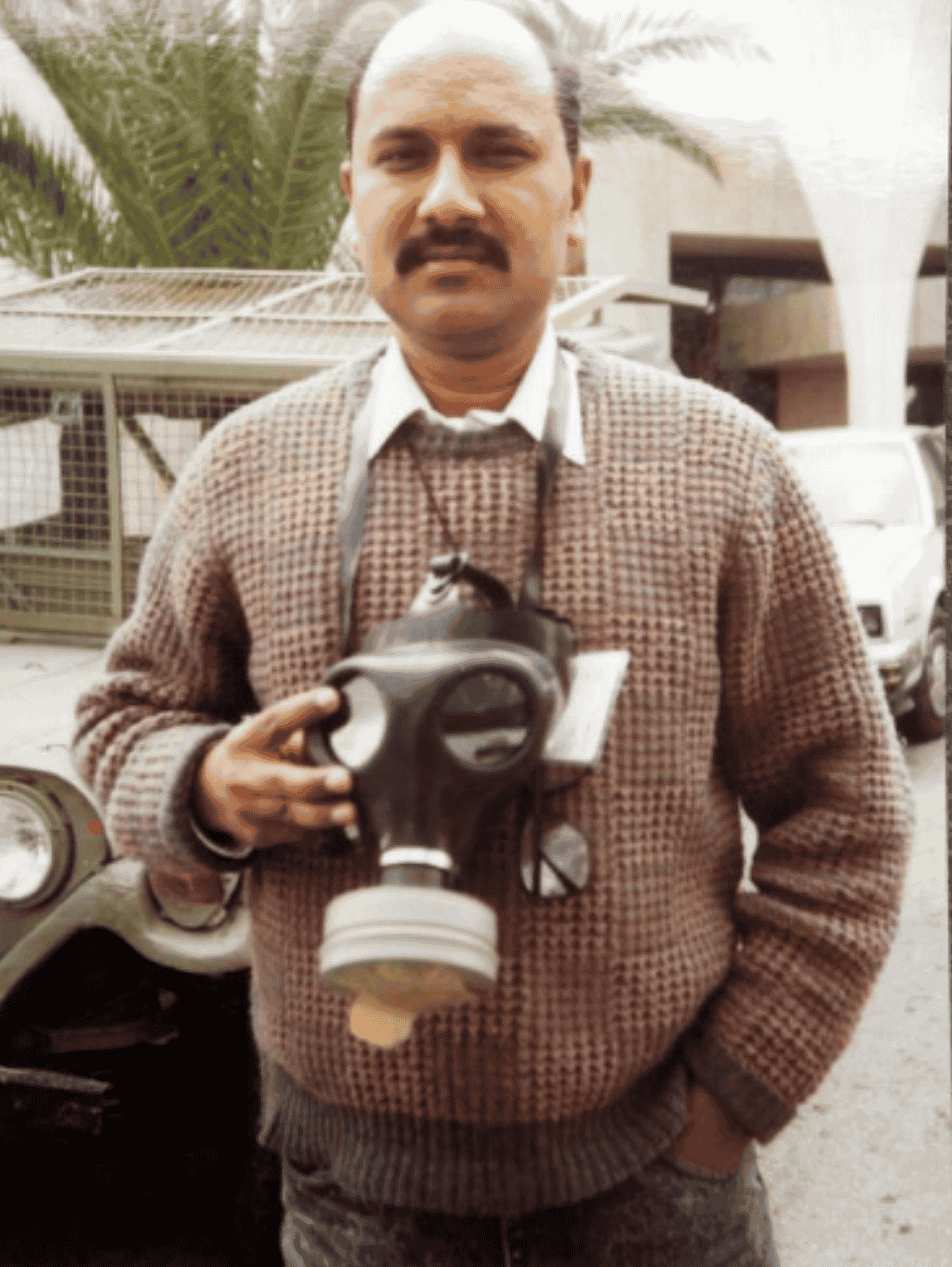
The destruction triggered another major oil shock, once again rooted in conflict in the Middle East. The scale of the environmental and economic damage was immense, disrupting global oil supplies and sending prices upward.
The third phase brings the story to the present, where Israel is directly involved alongside the United States in a confrontation with Iran. Iran, in turn, has responded by exerting pressure on critical oil routes and regional energy dynamics, raising fears of yet another disruption with global consequences.
Iran today is militarily weaker, an underdog, than the US and Israel combined, but it can exert influence through control of or threat to the Strait of Hormuz. Oil producers have repeatedly considered bypasses, pipelines to other ports, but by the time pipelines are built the immediate crisis may have passed and political priorities change. The UAE, for example, dithered for a long time before commissioning its bypass, a roughly 360-kilometre pipeline from onshore fields near Abu Dhabi out to Fujairah on the Gulf of Oman. That pipeline, completed in 2012, bypasses the Strait of Hormuz and is another attempt to reduce vulnerability, but it carries far less than the major Saudi east–west pipeline, roughly 1.5 million barrels per day, and part of that capacity is needed for domestic refining.
Because pipeline terminals and their offshore sections are vulnerable, they become targets for drones and small attacks. The last 18 kilometres of some pipelines are offshore and exposed; in 2019 the Saudi east–west pipeline was targeted by the Houthis and was out of commission for several days. Pipelines help, but they are not a complete solution.
When analysing the Middle East, people often focus only on Israel, the Palestinians and Iran, but there are important conflicts within the Gulf itself. Among the oil-producing Gulf countries—Iraq, Kuwait, Bahrain, Qatar, Saudi Arabia and the UAE—unanimity is often lacking between these Gulf Cooperation Council (GCC). Relations have been fraught at times; between 2011, when Arab Spring started, and 2017, for example, several Gulf states boycotted and blockaded Qatar because they accused it of supporting the Muslim Brotherhood, of giving sanctuary to Al Jazeera and of maintaining a special relationship with Iran. The Al-Ula agreement of 2021 restored normal relations, but it showed how fragile intra-Gulf unity can be.
Qatar and Iran also share large gas fields, the South Pars/North Dome field and despite political tensions they have managed to handle that resource reasonably peacefully. Qatar hosts a large US CENTCOM presence, which also affected its decisions about pipeline projects. Saudi plans to involve Iraq in pipeline schemes were disrupted by Saddam Hussein’s invasion of Kuwait.
The United Arab Emirates and Saudi Arabia, once viewed as closely aligned, have at times taken different paths in regional politics. They have conflicting positions in places such as Yemen and in parts of Africa, particularly the Horn of Africa. The UAE has pursued interests in the Horn and has become closer to Israel, India and the West, including participation in frameworks like I2U2. The UAE and Israel have cooperated strategically, and that relationship has affected alignments in places such as Sudan and Somaliland.
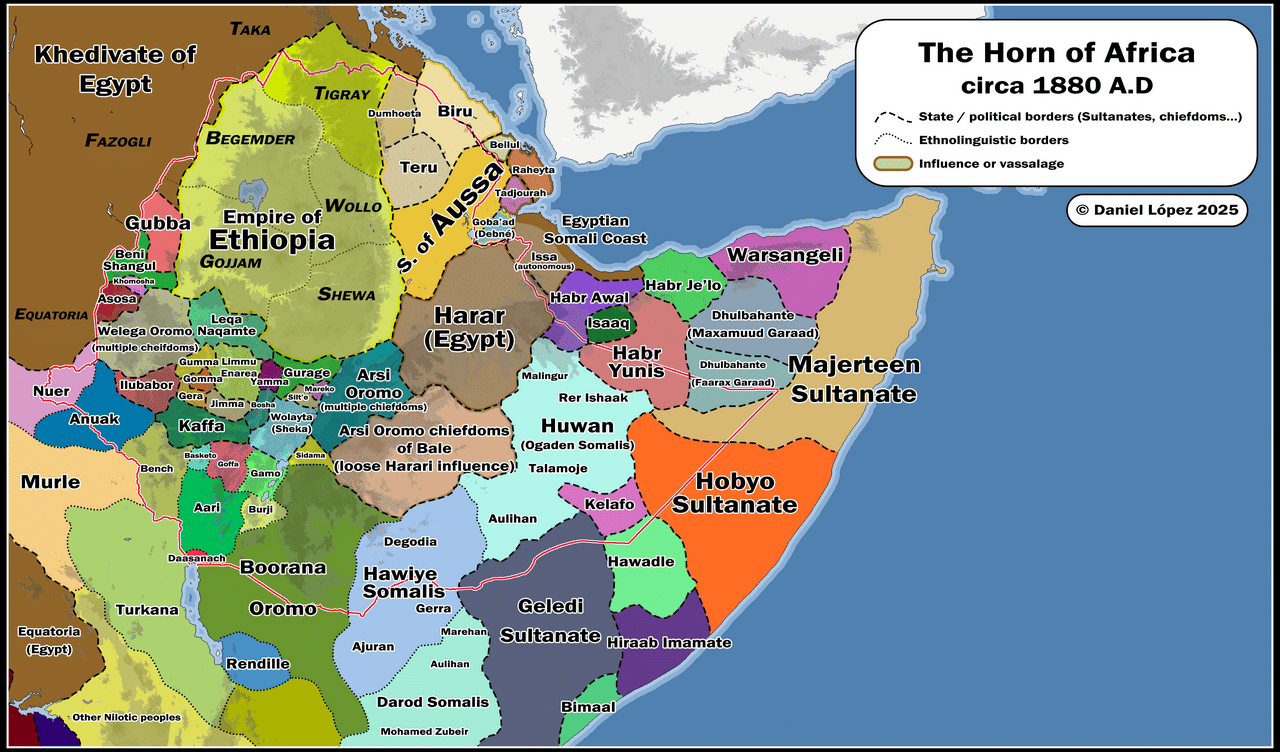
The United Arab Emirates has charted its own course in Sudan, backing the Rapid Support Forces, while Saudi Arabia has supported Sudan’s armed forces, representing the older state establishment. The conflict in Sudan, discussed earlier in detail, also highlights how closely West Asian powers are tied to developments in Africa and how their interests often clash on that continent.
The UAE’s growing proximity to the West, along with its ties with Israel, has also shaped alignments in the region. India, in turn, has leaned towards the UAE in its West Asia approach. As a result, Iran has increasingly targeted the UAE, at times directing more projectiles towards it than towards Israel. These tensions underline how rivalries in the region play out not just against traditional adversaries but also among countries often described as part of the same broader community.
This reinforces a larger point: the idea that a single religious or cultural community can act in unison globally does not hold. National interest remains the primary driver. People of any faith, in any country, prioritise the interests of the state they belong to.
Indians in the United States offer a clear example. Despite their influence and wealth, they did not publicly defend India when Donald Trump imposed tariffs or criticised the country. Their response reflected their position as American citizens, where national loyalty takes precedence.
This is why attempts at Islamic unity have struggled, and why organisations such as the Organisation of Islamic Cooperation have limited cohesion. Similarly, Arab unity has repeatedly faltered. The Arab League has not functioned as a unified political force, and even earlier efforts like the proposed confederation of Egypt, Iraq, and Syria in the 1960s did not last.
Divisions persist even within smaller groupings like the Gulf Cooperation Council. At the heart of West Asia’s geopolitical tensions, beyond Israel, lies the enduring rivalry between Iran and the Arab Gulf states across the Persian Gulf.
Looking ahead, even if the current tensions ease, a prolonged period of stability appears unlikely. Instead, there is likely to be a push to build more energy pipelines to bypass vulnerable maritime choke points. While disruptions in areas like the Red Sea remain a concern, non-state actors such as the Houthis are still seen as more manageable compared to the strategic challenge posed by Iran’s state power.