



By Maria Martinez and David Milliken
BANGKOK, Oct 15 (Reuters) – Germany warned on Thursday against efforts to bring Russia back onto the international stage, while Britain called for tighter sanctions on Russian shipping, as questions grow about the strength of US support for Ukraine.
Russian Finance Minister Anton Siluanov attended a meeting of G20 finance ministers and central bankers in Bangkok, just over a month after the US had hosted his first in-person G20 appearance since Russia invaded Ukraine, at a meeting in Asheville, North Carolina.
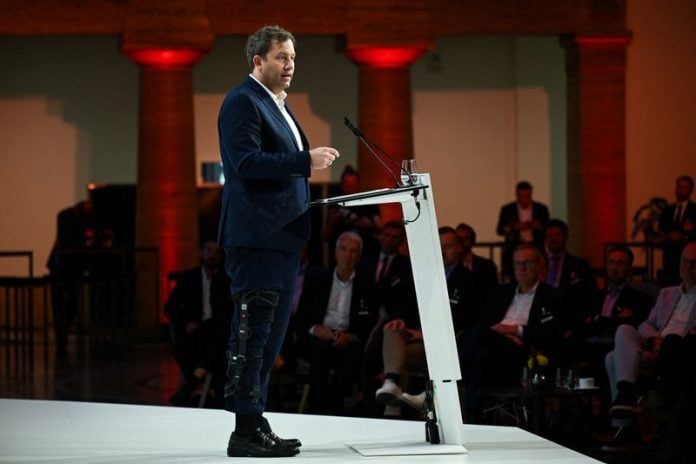
“I do notice attempts, particularly from the United States … to bring Russia back onto the international stage,” German Finance Minister Lars Klingbeil told reporters.
“There will be no pretending that Russia is now returning as a normal member of the G20 and simply taking its seat at the table again — not with me, and not with the other Europeans.”
RIFT OVER RUSSIA SANCTIONS
British finance minister John Healey called on other nations to tighten sanctions on Russia-linked shipping.
“My message to finance ministers here today … on Ukraine, is to stay the path on tough economic sanctions on Russia, especially a tighter ban on shipping services … that help (Russian President Vladimir) Putin’s sanctions-busting shadow fleet to operate,” he said.
Britain has imposed a series of sanctions on shipping and related services that it believes Russia uses to fund and equip its war on Ukraine.
However, a US official said on Wednesday the Trump administration was considering easing sanctions on these vessels, which have transported oil and petroleum products from countries including Russia, Iran and Venezuela.
The differences extend beyond sanctions. German Chancellor Friedrich Merz said on Thursday that Europe would retain control of Russian sovereign assets frozen after Moscow’s invasion of Ukraine, rejecting any suggestion they could be transferred to a US-supervised vehicle as part of a peace initiative.
President Donald Trump temporarily lifted sanctions on Russian diesel fuel, a move met with criticism from Ukrainian President Volodymyr Zelenskiy, European countries and some of Trump’s fellow Republicans in the US Senate.
Trump’s envoys told Ukrainian officials last week that the diesel deal was part of an effort to draw Russia back to negotiations after the failure of previous efforts to launch sustained talks to end the war.
“It is always useful for talks to take place. But I want to be very clear that these talks must not come at Ukraine’s expense, or take place over the heads of the Ukrainian people or President Zelenskiy,” Klingbeil said.
EU SEEKS TO RAISE FUNDS FOR UKRAINE
The EU has pledged €45 billion ($50 billion) for Ukraine in 2027, but the country’s needs will be much higher and the EU is scrambling to organise financial support from countries such as Norway, Switzerland, Canada, Japan and Britain.
Klingbeil said he was discussing with international partners how to ensure Ukraine’s financing, with commitments from Australia and South Korea made during meetings on Thursday.
Healey said Britain would provide £17 million ($23 million) in funding towards repairs for Ukraine’s Chornobyl nuclear power plant, which had been damaged by a Russian drone strike last year, alongside support from the US and France.
(Reporting by Maria Martinez and David Miliken; Writing by Martin Petty; Editing by Kate Mayberry, John Mair and Xevi Fontdegloria)
Disclaimer: This report is auto generated from the Reuters news service. ThePrint holds no responsibility for its content.