








DHAKA, March 31 (Reuters) – Bangladesh is considering introducing partial online classes in schools as part of austerity measures to ease pressure from the global energy crisis and domestic constraints.
Education Minister A.N.M. Ehsanul Hoque Milon said the proposal is under active review following discussions with Prime Minister Tarique Rahman.
Officials cited rising fuel import costs and supply uncertainties stemming from instability in the Middle East, which have driven global oil prices higher.
The plan would introduce a hybrid system combining online and in-person classes to reduce energy use while maintaining academic continuity, the minister said.
The government is also weighing measures such as home-based office work and changes to weekly holidays to cut fuel consumption.
Hoque said disruptions caused by Ramadan holidays and protests have prompted discussions on a six-day school week, alongside greater emphasis on digital learning.
The proposal would initially apply to schools, with talks under way on extending it to colleges, while universities may adopt separate arrangements. Citing a recent survey, Hoque said about 55% of students and guardians support a mixed model, though he warned that fully online classes could increase social isolation.
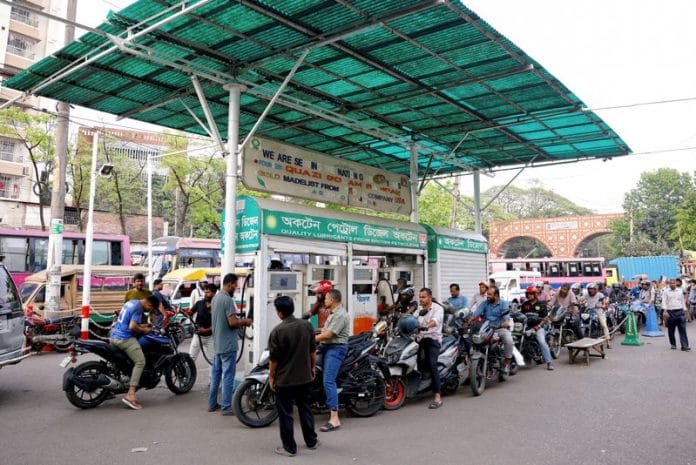
Bangladesh has been rationing fuel to manage shortages, imposing limits on vehicle sales and reducing fuel station hours amid panic buying, hoarding and long queues, with authorities warning that supplies remain tight despite some easing during major holidays.
The nation of 175 million people relies on imports for about 95% of its energy needs and is scrambling to secure supplies as state-run agencies turn to volatile global markets.
Bangladesh is also seeking more than $2.5 billion in external financing to support fuel and liquefied natural gas imports, amid rising energy costs and mounting pressure on foreign exchange reserves.
(Reporting by Ruma Paul; Editing by Chizu Nomiyama )
Disclaimer: This report is auto generated from the Reuters news service. ThePrint holds no responsibility for its content.